Loading Page


Silent Britain(2006)
Status: Released
Date: 2006-05-31
68%
4 Votes
Time: 1h 29m
Overview:
Long treated with indifference by critics and historians, British silent cinema has only recently undergone the reevaluation it has long deserved, revealing it to be far richer than previously acknowledged. This documentary, featuring clips from a remarkable range of films, celebrates the early years of British filmmaking and spans from such pioneers as George Albert Smith and Cecil Hepworth to such later figures as Anthony Asquith, Maurice Elvey and, of course, Alfred Hitchcock.
Languages: English.
Countries:
United Kingdom
ProductionCompanies: 

Movie: Silent Britain
Top 6 Billed Cast

Matthew Sweet
Himself - Presenter
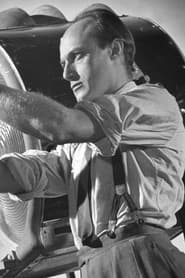
Jack Cardiff
Himself
Loading Photos
Photo Type :Total items
Recommendations Movies
72%
The Director and the Jedi(en)
2018-03-12
An intimate documentary delving into Rian Johnson's process as he comes in as a director new to the Star Wars universe.
68%
Making Waves: The Art of Cinematic Sound(en)
2019-10-25
The history of cinematic sound, told by legendary sound designers and visionary filmmakers.
70%
Visions of Light(en)
1992-09-17
Cameramen and women discuss the craft and art of cinematography and of the "DP" (the director of photography), illustrating their points with clips from 100 films, from Birth of a Nation to Do the Right Thing. Themes: the DP tells people where to look; changes in movies (the arrival of sound, color, and wide screens) required creative responses from DPs; and, these artisans constantly invent new equipment and try new things, with wonderful results. The narration takes us through the identifiable studio styles of the 30s, the emergence of noir, the New York look, and the impact of Europeans. Citizen Kane, The Conformist, and Gordon Willis get special attention.
72%
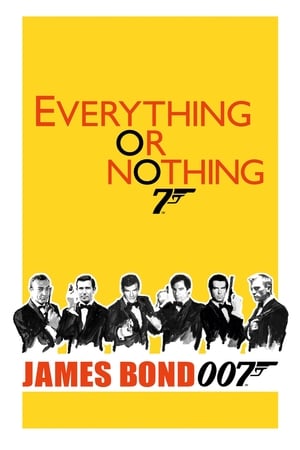
Everything or Nothing(en)
2012-10-05
The story of three men with a shared dream: James Bond franchise producers Albert R. Broccoli and Harry Saltzman, and Bond creator and author Ian Fleming. It’s the thrilling and inspiring narrative behind the longest running film franchise in cinema history, which began in 1962.
68%
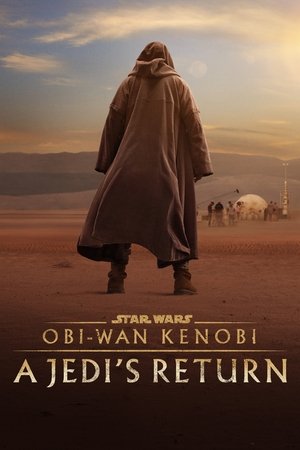
Obi-Wan Kenobi: A Jedi's Return(en)
2022-09-07
This special explores the return of Obi-Wan Kenobi and Anakin Skywalker to the screen, as well as Ewan McGregor and Hayden Christensen to their classic roles. Director Deborah Chow leads the cast and crew as they create new heroes and villains that live alongside new incarnations of beloved Star Wars characters, and an epic story that dramatically bridges the saga films.

78%
The Skywalker Legacy(en)
2020-03-18
The story lives forever in this feature-length documentary that charts the making of Star Wars: The Rise of Skywalker.
78%
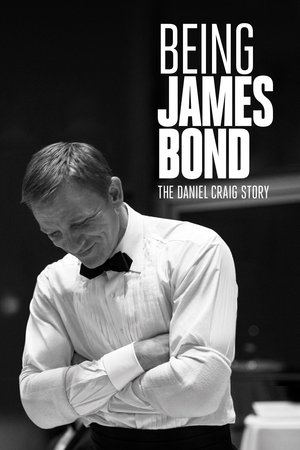
Being James Bond(en)
2021-08-29
Daniel Craig candidly reflects on his 15 year adventure as James Bond. Including never-before-seen archival footage from Casino Royale to the upcoming 25th film No Time To Die, Craig shares his personal memories in conversation with 007 producers, Michael G Wilson and Barbara Broccoli.

62%
Seduced and Abandoned(en)
2013-05-20
SEDUCED AND ABANDONED combines acting legend Alec Baldwin with director James Toback as they lead us on a troublesome and often hilarious journey of raising financing for their next feature film. Moving from director to financier to star actor, the two players provide us with a unique look behind the curtain at the world's biggest and most glamourous film festival, shining a light on the bitter-sweet relationship filmmakers have with Cannes and the film business. Featuring insights from directors Martin Scorsese, 'Bernando Bertolucci' and Roman Polanski; actors Ryan Gosling and Jessica Chastain and a host of film distribution luminaries.
69%
Casting By(en)
2012-11-01
This essential new documentary pays tribute to the legacy of the late, legendary casting director Marion Dougherty and shines a light on one of the most overlooked and least understood crafts in filmmaking.
71%
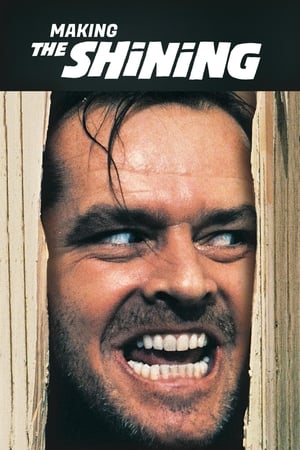
Making 'The Shining'(en)
1980-10-04
Directed and edited by Stanley Kubrick's daughter Vivian Kubrick, this film offers a look behind the scenes during the making of The Shining.
70%
The Cutting Edge: The Magic of Movie Editing(en)
2004-10-12
Documentary about the art of film editing. Clips are shown from many groundbreaking films with innovative editing styles.
63%
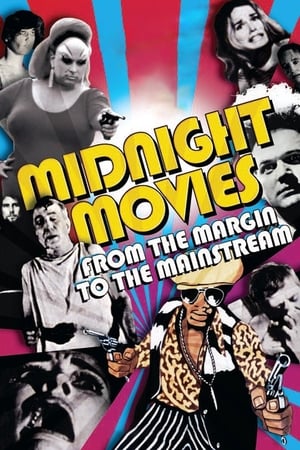
Midnight Movies: From the Margin to the Mainstream(en)
2006-06-20
From 1970-1977, six low budget films shown at midnight transformed the way we make and watch films.
73%
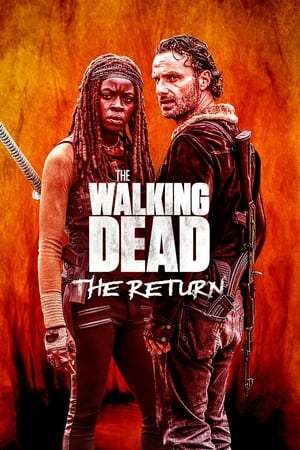
The Walking Dead: The Return(en)
2024-02-15
Stars of "The Walking Dead," Andrew Lincoln and Danai Gurira, walk down memory lane and visit iconic locations where pivotal moments between their characters, Rick and Michonne, were filmed.
71%
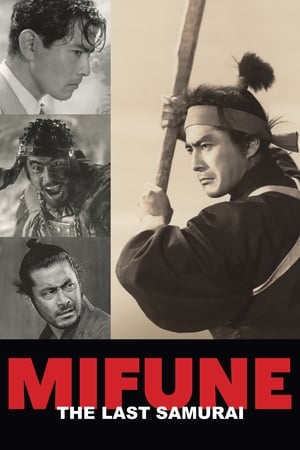
Mifune: The Last Samurai(en)
2016-12-02
An account of the life and work of legendary Japanese actor Toshirō Mifune (1920-97), the most prominent actor of the Golden Age of Japanese cinema.
67%
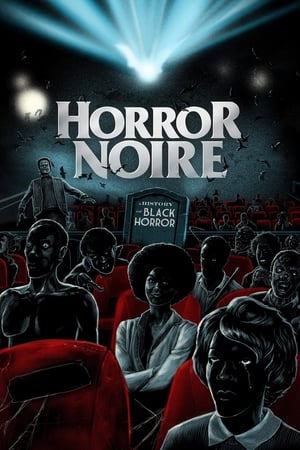
Horror Noire: A History of Black Horror(en)
2019-02-07
Delving into a century of genre films that by turns utilized, caricatured, exploited, sidelined, and finally embraced them, this is the untold history of black Americans in Hollywood through their connection to the horror genre.
71%
I Know That Voice(en)
2014-01-07
Filmmaker Lawrence Shapiro discusses voice-over acting with the talented people behind the characters.
74%
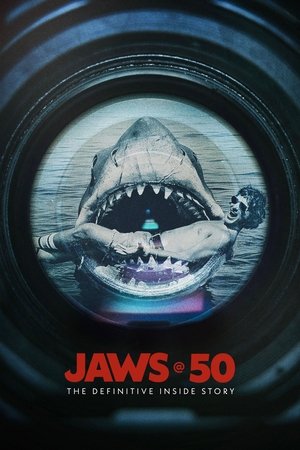
Jaws @ 50: The Definitive Inside Story(en)
2025-06-20
The authorized documentary celebrating the film that redefined Hollywood, 50 years after its premiere. Featuring rare archival footage and interviews with acclaimed Hollywood directors alongside Steven Spielberg, top shark scientists, and conservationists, the film uncovers the behind-the-scenes chaos and how the film launched the summer blockbuster, inspired a new wave of filmmakers, and paved the way for shark conservation that continues today.

76%
Night Will Fall(en)
2014-06-07
When Allied forces liberated the Nazi concentration camps in 1944-45, their terrible discoveries were recorded by army and newsreel cameramen, revealing for the first time the full horror of what had happened. Making use of British, Soviet and American footage, the Ministry of Information’s Sidney Bernstein (later founder of Granada Television) aimed to create a documentary that would provide lasting, undeniable evidence of the Nazis’ unspeakable crimes. He commissioned a wealth of British talent, including editor Stewart McAllister, writer and future cabinet minister Richard Crossman – and, as treatment advisor, his friend Alfred Hitchcock. Yet, despite initial support from the British and US Governments, the film was shelved, and only now, 70 years on, has it been restored and completed by Imperial War Museums under its original title "German Concentration Camps Factual Survey".

72%
Hitchcock/Truffaut(en)
2015-09-05
Filmmakers discuss the legacy of Alfred Hitchcock and the book “Hitchcock/Truffaut” (“Le cinéma selon Hitchcock”), written by François Truffaut and published in 1966.
Similar Movies
64%
Uma Thurman: Hollywood's Silent Warrior(de)
2024-08-25
A portrait of American actress Uma Thurman, muse of legendary filmmaker Quentin Tarantino and courageous voice for the many victims of despotic producer Harvey Weinstein.
77%
The 'Frankenstein' Files: How Hollywood Made a Monster(en)
1999-01-01
The history of Frankenstein's journey from novel to stage to screen to icon.
70%
The Omen Legacy(en)
2001-10-30
The true stories that spawned the serie tale of Damien, a small boy with an angelic face, whose very name still conjures up thoughts of Satan. This documentary shares spine-tingling information about the the all-too-memorable flick that has terrorized film audiences since 1976.

75%
Boundless(cn)
2013-11-02
As Hong Kong's foremost filmmaker, Johnnie To himself becomes the protagonist of this painstaking documentary exploring him and his Boundless world of film. A film student from Beijing and avid Johnnie To fan, Ferris Lin boldly approached To with a proposal to document the master director for his graduation thesis. To agreed immediately and Lin's camera closely followed him for over two years, capturing the man behind the movies and the myths. The result is Boundless, a candid profile of one of Hong Kong's greatest directors and a heartfelt love letter to Hong Kong cinema.
77%
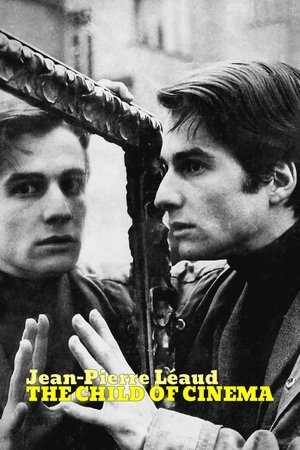
Jean-Pierre Léaud: The Child of Cinema(fr)
2024-09-04
A portrait of the legendary actor Jean-Pierre Léaud, icon of the French New Wave and closely linked to the work of François Truffaut and Jean-Luc Goddard.
0%
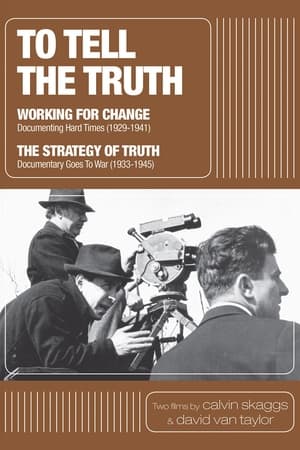
To Tell the Truth: A History of Documentary Film (1928-1946)(en)
2012-11-10
A detailed history of documentary filmmaking in the US and the UK from 1929 to 1945. The first part, Working for Change, focuses on 1929-1941 and the social movements of the times, The Great Depression, The New Deal, and the awakening of the Leftwing in the UK. The second part, The Strategy of Truth, focuses on 1933-1946 and explores the role of film as propaganda during World War II, and the different forms it took in the US, the UK, and Germany.

75%
Berlin: Symphony of a Great City(de)
1927-09-23
A day in the city of Berlin, which experienced an industrial boom in the 1920s, and still provides an insight into the living and working conditions at that time. Germany had just recovered a little from the worst consequences of the First World War, the great economic crisis was still a few years away and Hitler was not yet an issue at the time.
70%
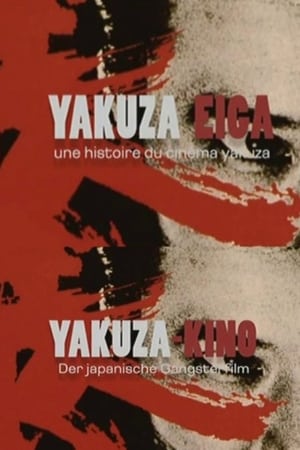
Yakuza Eiga, une histoire du cinéma yakuza(fr)
2009-02-12
The history of the Yakuza Eiga at the TOEI studio is roughly outlined. Real Yakuza and also their connections to the movie business are discussed, and many important actors and directors of the genres are interviewed. Former real yakuza boss turned actor Noboru Ando, Takashi Miike, Sonny Chiba and many more get a chance to speak.
67%
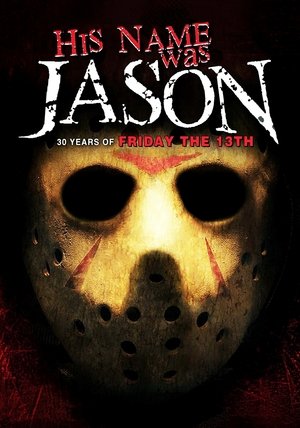
His Name Was Jason: 30 Years of Friday the 13th(en)
2010-04-20
A retrospective documentary about the groundbreaking horror series, Friday the 13th, featuring interviews with cast and crew from the twelve films spanning 3 decades.
70%
Maria and the Lost Movie(ca)
2023-07-28
The pianist Miguel Ángel Lozano embarks on a personal and artistic journey with the purpose of reconstructing the life of his grandmother, Maria Forteza (1910-60), singer and pioneer of Spanish sound films.
65%
Film-Tract n° 1968(fr)
1968-06-01
In the 1968 movement in Paris, Jean-Luc Godard made a 16mm, 3-minute long film, Film-tract No.1968, Le Rouge, in collaboration with French artist Gérard Fromanger. Starting with the shot identifying its title written in red paint on the Le Monde for 31 July 1968, the film shows the process of making Fromanger’s poster image, which is thick red paint flows over a tri-color French flag. —Hye Young Min
40%
Las Hurdes, país de leyenda(es)
1922-01-01
An account of the journey that King Alfonso XIII of Spain made to the impoverished shire of Las Hurdes, in the province of Cáceres, in the region of Extremadura, in 1922.

66%
Adolf Island(en)
2019-06-23
Caroline Sturdy Colls, a world leader in the forensic investigation of Nazi crime scenes, is chasing clues to an unsolved case: a concentration camp that existed on the British island of Alderney. Witnesses and survivors claimed that thousands died there, but only 389 bodies have ever been found. Under heavy restrictions imposed by the local government, which may not want its buried secrets revealed, Colls must uncover the truth using revolutionary techniques and technologies.
72%
Das Boot Revisited: An Underwater Success Story(de)
2021-01-10
In 1981, a film about the misadventures of a German U-boat crew in 1941 becomes a worldwide hit almost four decades after the end of the World War II. Millions of viewers worldwide make Das Boot the most internationally successful German film of all time. But due to disputes over the script, accidents on the set, and voices accusing the makers of glorifying the war, the project was many times on the verge of being cancelled.
68%
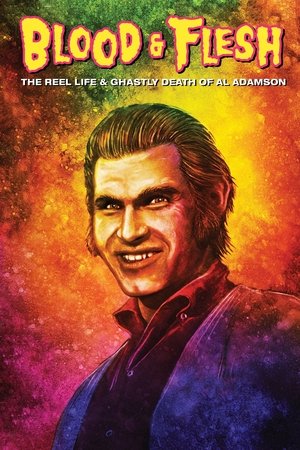
Blood & Flesh: The Reel Life & Ghastly Death of Al Adamson(en)
2019-08-23
Brought to life through archival material and the reflections of over 40 colleagues, friends and fans, BLOOD & FLESH is much more than the story of a moviemaking life most unusual. It beautifully captures the worlds of outsider filmmaker communities that existed in California in the ’70s, and the weird ways they intersected with Hollywood mainstream and union indies. On Adamson shoots, regular Orson Welles crew and cinematographers like Gary Graver, Vilmos Szigmond and Lazlo Kovaks worked alongside Bud Cardos — and at one point, Charles Manson! Director David Gregory (founder of Severin Films, director of LOST SOUL: THE DOOMED JOURNEY OF RICHARD STANLEY’S ISLAND OF DR. MOREAU) spent years making this film, speaking to everyone down to the cops who investigated Adamson’s murder, vividly encapsulating both a bold life and tragic demise, with alien conspiracies, go-go dancers and Colonel Sanders coming in along the way. If you’ve got even a passing interest in cinema, you want to see this
70%
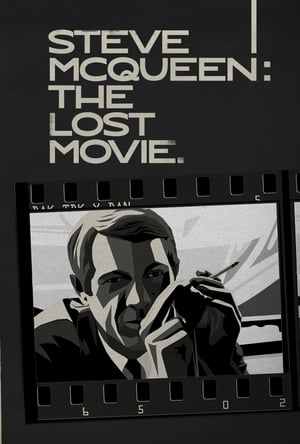
Steve McQueen: The Lost Movie(en)
2021-01-01
The story of the abandoned production of 'Day of the Champion', a movie about Formula 1 which was set to film in 1966.
80%
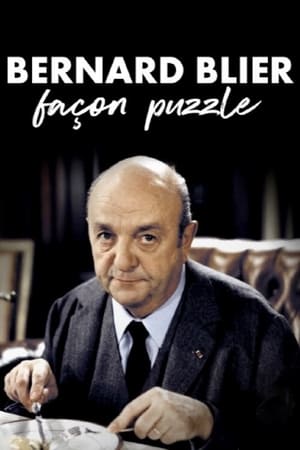
Bernard Blier, façon puzzle(fr)
2020-12-23
In a career spanning more than half a century, Bernard Blier has shot more than 180 films. He alone represents a history of French cinema without having spent his time cultivating its legend. He crossed his century as an actor with the modesty of a craftsman. He believed in learning, know-how and transmission. He considered himself, like the butcher or the cabinetmaker, as a man useful to his fellow men. Bernard Blier found in Louis Jouvet, who was his teacher at the Conservatory, a master at playing, a mentor and even a spiritual father. Jouvet taught Blier the love of acting, theater and Molière. And if he knew how to take hold of Michel Audiard's best tirades like no one else, notably those of the "Tontons Flingueurs", it is to this apprenticeship that he owes it.
69%
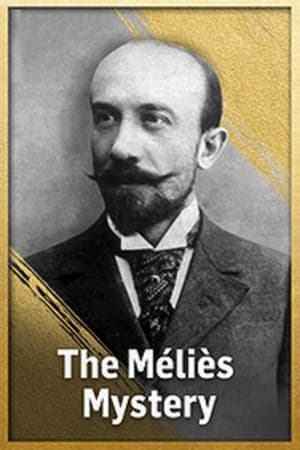
The Méliès Mystery(fr)
2021-01-02
A documentary that details the process of restoring 270 of the 520 lost films of pioneering director Georges Méliès, all orchestrated by a Franco-American collaboration between Lobster Films, the National Film Center, and the Library of Congress.