Loading Page


Kosovo: Can You Imagine?(2009)
Status: Released
Date: 2009-03-15
58%
6 Votes
Time: 0h 30m
Overview:
Kosovo: Can You Imagine? is about the Serbs that live in Kosovo and the lack of human rights that they have today, in the 21st century. Most of the Kosovo Serbs have been ethnically cleansed by the Albanians who make up the majority of Kosovo. Kosovo has been under UN administration since 1999 when NATO bombed Serbia for 76 days to halt a crackdown on ethnic Albanian separatism in its province of Kosovo. In the years following the war, thousands of Serbs were expelled from their homes, kidnapped and killed. Their houses, cultural and religious sites were burned and destroyed. Kosovo for the Serbs is what Jerusalem is for the Jewish people. It is the cradle of their statehood, culture and religion. Most of the important Serbian Christian Orthodox monasteries are in Kosovo. Today, Serbs still have a deep spiritual and traditional connection to Kosovo, a land which is being cleansed of everything Serbian.
Languages: Serbian.
Countries:
Canada
ProductionCompanies:
Malagurski Cinema
Movie: Kosovo: Can You Imagine?
Loading Photos
Photo Type :Total items
Recommendations Movies
66%
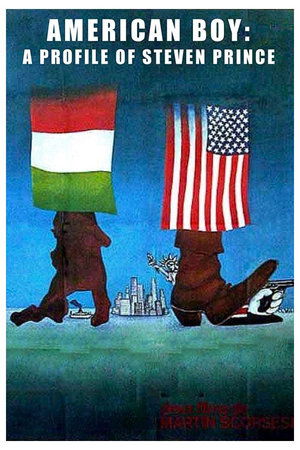
American Boy: A Profile of Steven Prince(en)
1978-09-16
Martin Scorsese spends an evening with larger-than-life raconteur Steven Prince—a former drug addict, road manager for Neil Diamond, and actor—as he recounts stories from his colorful life.
70%
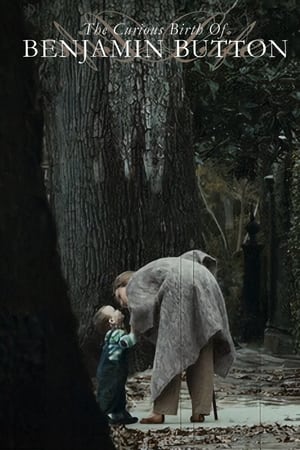
The Curious Birth of Benjamin Button(en)
2009-05-05
A documentary about the making of David Fincher's 2008 film THE CURIOUS CASE OF BENJAMIN BUTTON. Virtually every element in the evolution of the Fincher's film is documented here, from the project's attachment to numerous other directors during the 1990s, to its shoot in 2006 and 2007 in New Orleans, to its complex, CGI-intensive postproduction process.
67%
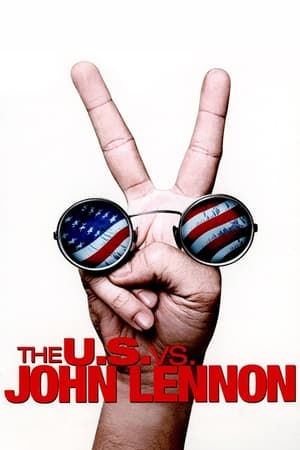
The U.S. vs. John Lennon(en)
2006-09-15
A documentary on the life of John Lennon, with a focus on the time in his life when he transformed from a musician into an antiwar activist.
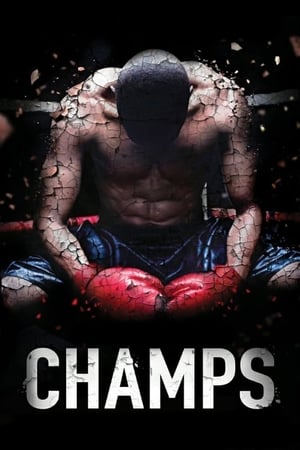
66%
Champs(en)
2015-03-13
A documentary about the sport of boxing, as seen through the eyes of champions Mike Tyson, Evander Holyfield and Bernard Hopkins.
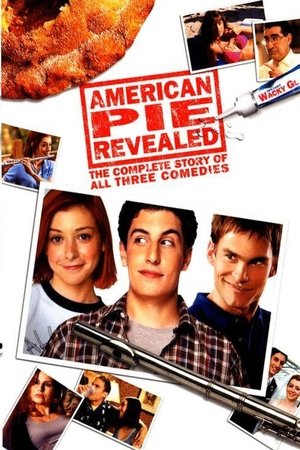
60%
American Pie: Revealed(en)
2004-01-02
Documentary about the making of American Pie (1999), American Pie 2 (2001) and American Wedding (2003).

61%
Naqoyqatsi(en)
2002-09-02
A visual montage portrait of our contemporary world dominated by globalized technology and violence.
77%
Oprah Winfrey Presents: When They See Us Now(en)
2019-06-13
Oprah Winfrey talks with the exonerated men once known as the Central Park Five, plus the cast and producers who tell their story in "When They See Us."
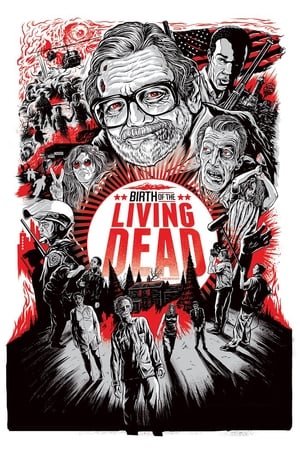
67%
Birth of the Living Dead(en)
2013-10-18
A behind the scenes look into George Romero's groundbreaking horror classic Night of the Living Dead.

75%
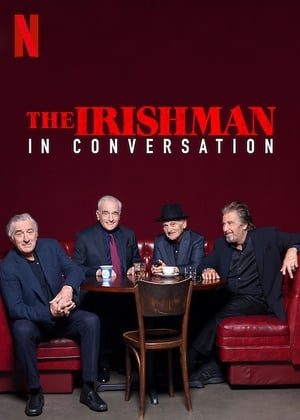
The Irishman: In Conversation(en)
2019-11-27
Martin Scorsese, Robert De Niro, Joe Pesci, and Al Pacino in conversation about The Irishman.
71%
The Summers of It - Chapter Two: It Ends(en)
2019-12-10
This documentary focuses on the actors and their journey over two summers to create the remake to the original IT, by Stephen King. The documentary originally released as bonus material, bundled with IT: Chapter Two.
74%
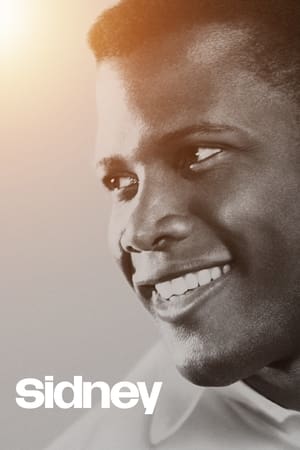
Sidney(en)
2022-09-10
This revealing documentary honors the legendary Sidney Poitier—iconic actor, filmmaker, and civil rights activist. Featuring interviews with Denzel Washington, Spike Lee, Halle Berry, and more.
79%
A Decade Under the Influence(en)
2003-04-25
A documentary examining the decade of the 1970s as a turning point in American cinema. Some of today's best filmmakers interview the influential directors of that time.
70%
Public Speaking(en)
2011-02-23
Martin Scorsese’s portrait of writer and social commentator Fran Lebowitz, celebrated for her sharp wit and observations on modern life. Filmed at New York’s Waverly Inn and intercut with archival footage and interviews, the documentary captures Lebowitz’s distinctive worldview through her spontaneous monologues and public appearances.
70%
LA Originals(en)
2020-04-10
Photographer Estevan Oriol and artist Mister Cartoon turned their Chicano roots into gritty art, impacting street culture, hip hop and beyond.

65%
Downloaded(en)
2013-06-20
A documentary that explores the downloading revolution; the kids that created it, the bands and the businesses that were affected by it, and its impact on the world at large.

80%
My Mom Jayne(en)
2025-06-20
Through deeply personal interviews with her siblings and an examination of the photographs, letters, and belongings left behind, Mariska assembles a new portrait of her mother Jayne Mansfield, an extraordinary and complex woman.
64%
Ex Libris: The New York Public Library(en)
2017-09-13
A documentary about how a dominant cultural and demographic institution both sustains their traditional activities and adapts to the digital revolution.
72%
4 Little Girls(en)
1997-07-09
On September 15, 1963, a bomb destroyed a black church in Birmingham, Alabama, killing four young girls who were there for Sunday school. It was a crime that shocked the nation--and a defining moment in the history of the civil-rights movement. Spike Lee re-examines the full story of the bombing, including a revealing interview with former Alabama Governor George Wallace.