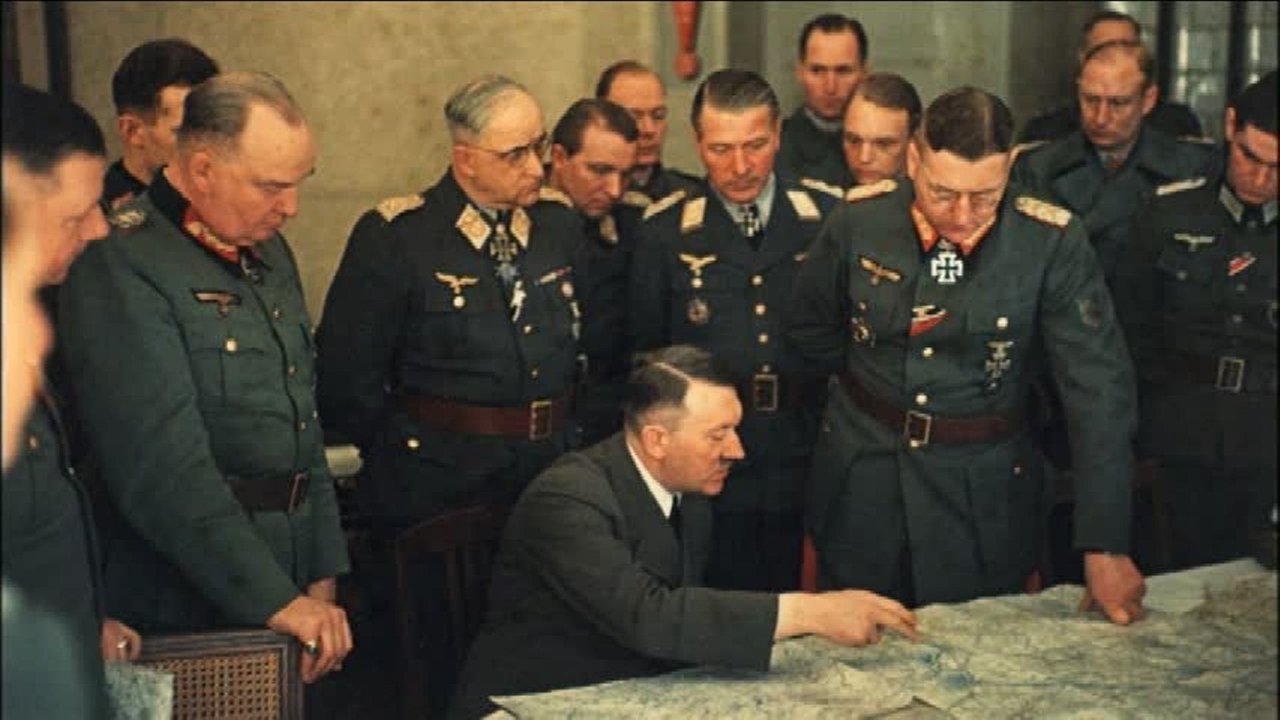

Operation Valkyrie: The Stauffenberg Plot to Kill Hitler(2008)
The Definitive Story Based on Eyewitness Accounts
July, 1944. As WWII raged on, a group of conspirators, led by Claus von Stauffenberg, plotted to assassinate Hitler and end his reign of terror. Using rare color footage, painstakingly recreated dramatizations, detailed CG reconstructions and exclusive interviews with leading historians, this thrilling documentary presents the definitive record of what happened before, during and after these pivotal events.
Movie: Operation Valkyrie: The Stauffenberg Plot to Kill Hitler
Top 2 Billed Cast

Self
Recommendations Movies
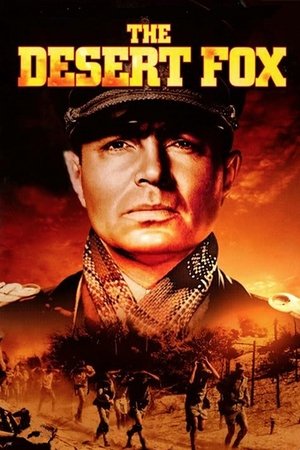
The Desert Fox: The Story of Rommel(en)
The life and career of Erwin Rommel and his involvement in the plot to assassinate Hitler.
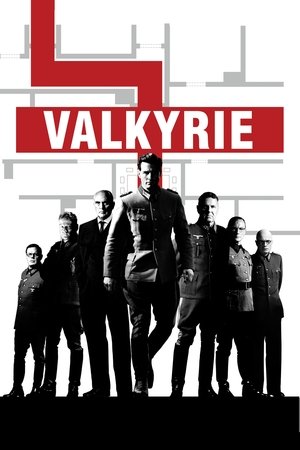
Valkyrie(en)
Wounded in Africa during World War II, Nazi Col. Claus von Stauffenberg returns to his native Germany and joins the Resistance in a daring plan to create a shadow government and assassinate Adolf Hitler. When events unfold so that he becomes a central player, he finds himself tasked with both leading the coup and personally killing the Führer.
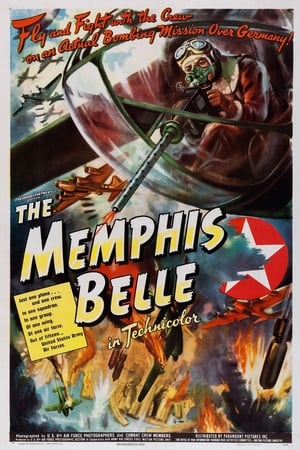
The Memphis Belle(en)
This WW2 documentary centers on the crew of the American B-17 Flying Fortress Memphis Belle as it prepares to execute a strategic bombing raid on Nazi submarine pens in Wilhelmshaven, Germany.
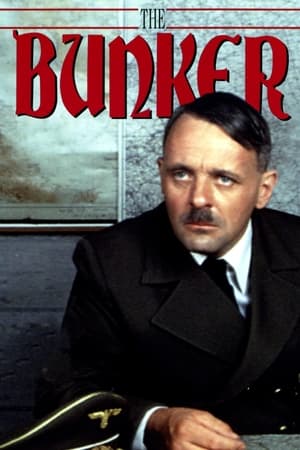
The Bunker(en)
Dramatization depicting the events surrounding Adolf Hitler's last weeks in and around his underground bunker in Berlin before and during the battle for the city.
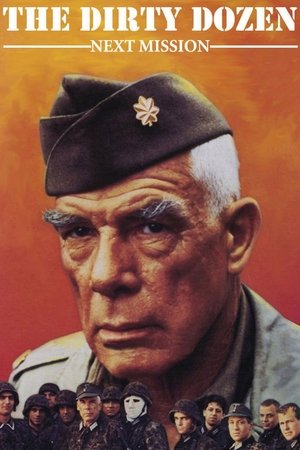
The Dirty Dozen: Next Mission(en)
Major Reisman is "volunteered" to lead another mission using convicted army soldiers, sentenced to either death or long prison terms. This time their mission is to kill a Nazi general who plans to assassinate Hitler.

The Battle of San Pietro(en)
This documentary movie is about the battle of San Pietro, a small village in Italy. Over 1,100 US soldiers were killed while trying to take this location, that blocked the way for the Allied forces from the Germans. Preserved by the Academy Film Archive in 2005.
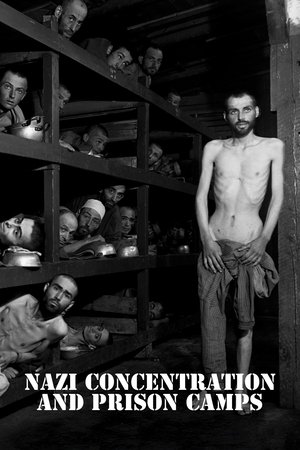
Nazi Concentration Camps(en)
Produced and presented as evidence at the Nuremberg war crimes trial of Hermann Göring and twenty other Nazi leaders, this film consists primarily of dead and surviving prisoners and of facilities used to kill and torture during the World War II.
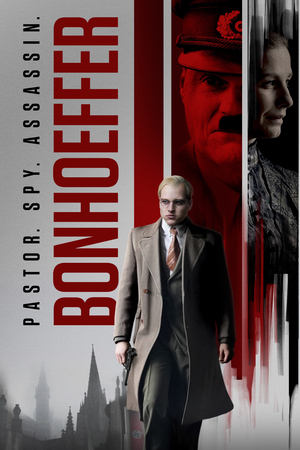
Bonhoeffer: Pastor. Spy. Assassin(en)
As the world teeters on the brink of annihilation, Dietrich Bonhoeffer joins a deadly plot to assassinate Hitler, risking his faith and fate to save millions of Jews from genocide.
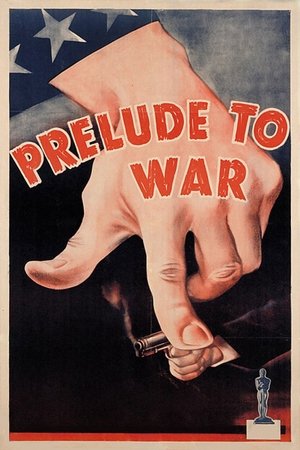
Why We Fight: Prelude to War(en)
Prelude to War was the first film of Frank Capra's Why We Fight propaganda film series, commissioned by the Pentagon and George C. Marshall. It was made to convince American troops of the necessity of combating the Axis Powers during World War II. This film examines the differences between democratic and fascist states.
City of Ghosts(en)
With unprecedented access, this documentary follows the extraordinary journey of “Raqqa is Being Slaughtered Silently”—a group of anonymous citizen journalists who banded together after their homeland was overtaken by ISIS—as they risk their lives to stand up against one of the greatest evils in the world today.
2000 Meters to Andriivka(en)
Amid the failing counteroffensive, a journalist follows a Ukrainian platoon on their mission to traverse one mile of heavily fortified forest and liberate a strategic village from Russian occupation. But the farther they advance through their destroyed homeland, the more they realize that this war may never end.
Decision Before Dawn(en)
WWII is entering its last phase: Germany is in ruins, but does not yield. The US army lacks crucial knowledge about the German units operating on the opposite side of the Rhine, and decides to send two German prisoners to gather information. The scheme is risky: the Gestapo retains a terribly efficient network to identify and capture spies and deserters. Moreover, it is not clear that "Tiger", who does not mind any dirty work as long as the price is right, and war-weary "Happy", who might be easily betrayed by his feelings, are dependable agents. After Tiger and another American agent are successfully infiltrated, Happy is parachuted in Bavaria. His duty: find out the whereabouts of a powerful German armored unit moving towards the western front.
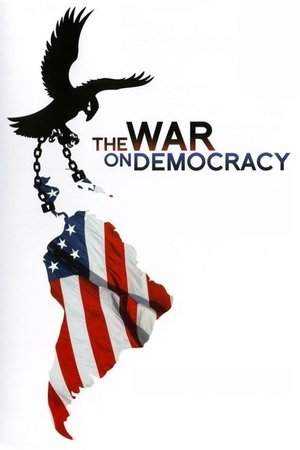
The War on Democracy(en)
Set both in Latin America and the United States, the film explores the historic and current relationship of Washington with countries such as Venezuela, Bolivia and Chile. Pilger says that the film "...tells a universal story... analysing and revealing, through vivid testimony, the story of great power behind its venerable myths. It allows us to understand the true nature of the so-called "war on terror". According to Pilger, the film’s message is that the greed and power of empire is not invincible and that people power is always the "seed beneath the snow".
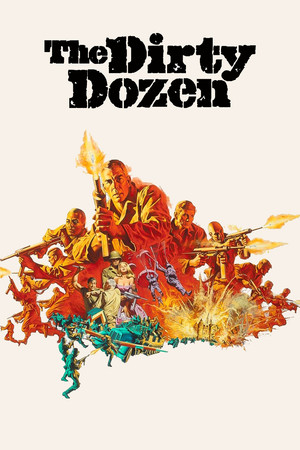
The Dirty Dozen(en)
12 American military prisoners in World War II are ordered to infiltrate a well-guarded enemy château and kill the Nazi officers vacationing there. The soldiers, most of whom are facing death sentences for a variety of violent crimes, agree to the mission and the possible commuting of their sentences.
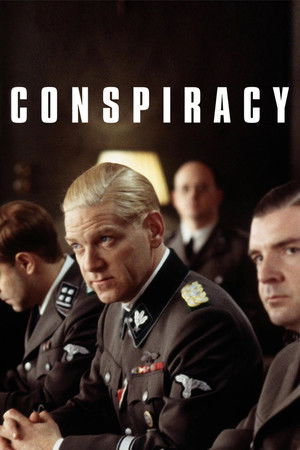
Conspiracy(en)
At the Wannsee Conference on January 20, 1942, senior Nazi officials meet to determine the manner in which the so-called "Final Solution to the Jewish Question" can be best implemented.
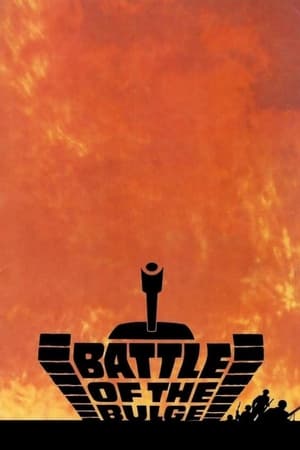
Battle of the Bulge(en)
In the winter of 1944, the Allied Armies stand ready to invade Germany at the coming of a New Year. To prevent it, Hitler orders an all-out offensive to re-take French territory and capture the major port city of Antwerp.
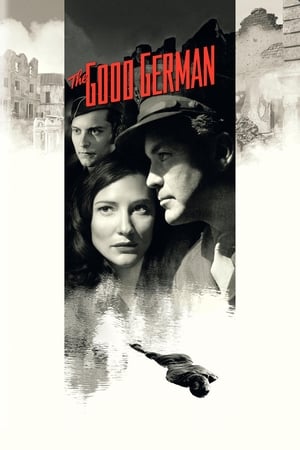
The Good German(en)
An American journalist arrives in Berlin just after the end of World War Two. He becomes involved in a murder mystery surrounding a dead GI who washes up at a lakeside mansion during the Potsdam negotiations between the Allied powers. Soon his investigation connects with his search for his married pre-war German lover.
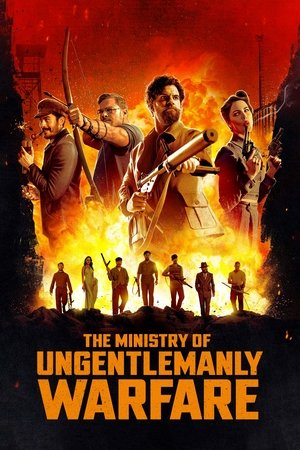
The Ministry of Ungentlemanly Warfare(en)
During World War II, the British Army assigns a group of competent soldiers to carry out a mission against the Nazi forces behind enemy lines... A true story about a secret British WWII organization — the Special Operations Executive. Founded by Winston Churchill, their irregular warfare against the Germans helped to change the course of the war, and gave birth to modern black operations.
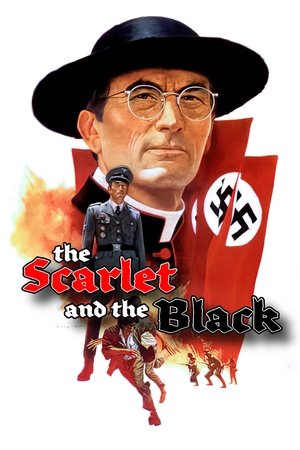
The Scarlet and the Black(en)
Fr. Hugh O'Flaherty is a Vatican official in 1943-45 who has been hiding downed pilots, escaped prisoners of war, and Italian resistance families. His activities become so large that the Nazis decide to assassinate him the next time he leaves the Vatican.
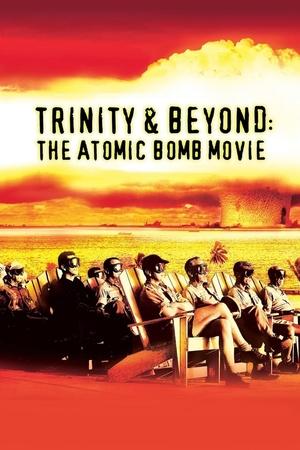
Trinity and Beyond: The Atomic Bomb Movie(en)
"Trinity and Beyond" is an unsettling yet visually fascinating documentary presenting the history of nuclear weapons development and testing between 1945-1963. Narrated by William Shatner and featuring an original score performed by the Moscow Symphony Orchestra, this award-winning documentary reveals previously unreleased and classified government footage from several countries.
Similar Movies
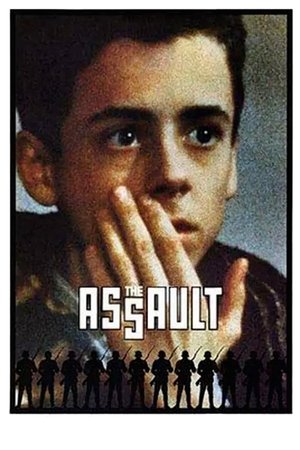
The Assault(nl)
At the end of WWII the Dutch resistance kills a German officer in front of the house of a Dutch family. Years after the war the young boy who witnessed the killing runs into the members of the resistance who committed the killing.
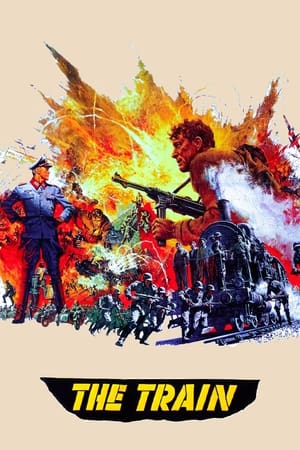
The Train(en)
As the Allied forces approach Paris in August 1944, German Colonel Von Waldheim is desperate to take all of France's greatest paintings to Germany. He manages to secure a train to transport the valuable art works even as the chaos of retreat descends upon them. The French resistance however wants to stop them from stealing their national treasures but have received orders from London that they are not to be destroyed. The station master, Labiche, is tasked with scheduling the train and making it all happen smoothly but he is also part of a dwindling group of resistance fighters tasked with preventing the theft. He and others stage an elaborate ruse to keep the train from ever leaving French territory.
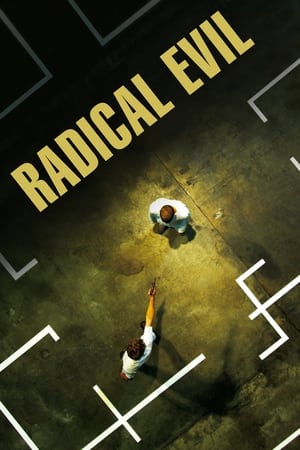
Radical Evil(de)
Das radikal Böse is a German-Austrian documentary that attempted to explore psychological processes and individual decision latitude "normal young men" in the German Einsatzgruppen of the Security Police and SD, which in 1941 during the Second World War as part of the Holocaust two million Jewish civilians shot dead in Eastern Europe.
Valkyrie(en)
Wounded in Africa during World War II, Nazi Col. Claus von Stauffenberg returns to his native Germany and joins the Resistance in a daring plan to create a shadow government and assassinate Adolf Hitler. When events unfold so that he becomes a central player, he finds himself tasked with both leading the coup and personally killing the Führer.
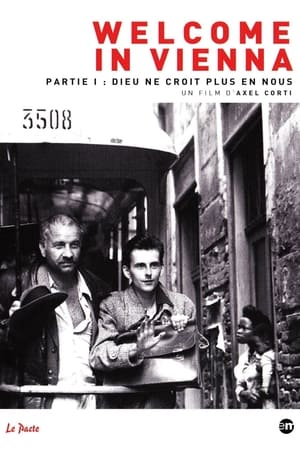
God Does Not Believe in Us Anymore(de)
After his father is murdered by the Nazis in 1938, a young Viennese Jew named Ferry Tobler flees to Prague, where he joins forces with another expatriate and a sympathetic Czech relief worker. Together with other Jewish refugees, the three make their way to Paris, and, after spending time in a French prison camp, eventually escape to Marseille, from where they hope to sail to a safe port.
See You in the Next War(sl)
The two enemies from war, Slovenian partisan Berk and German soldier Bitter, meet each other during holidays in Spain. Recalling the war through conversation, Berk remembers Anton, his fellow comrade he had spend the most time with.
The Master Race(en)
When allied troops liberate a small battle-scarred Belgium town in 1944 the American and British commanders do all they can to help the war-weary people back on their feet. There are mental and physical wounds to heal, fields to plough, the church to rebuild. But a top Nazi, knowing the War is lost, has infiltrated the town and is fostering dissent and disunity.
Is Paris Burning?(fr)
Near the end of World War II, Gen. Dietrich von Choltitz receives orders to burn down Paris if it becomes clear the Allies are going to invade, or if he cannot maintain control of the city. After much contemplation Choltitz decides to ignore his orders, enraging the Germans and giving hope to various resistance factions that the city will be liberated. Choltitz, along with Swedish diplomat Raoul Nordling, helps a resistance leader organize his forces.

Where Hands Touch(en)
Germany, 1944. Leyna, the 15-year old daughter of a white German mother and a black African father, meets Lutz, a compassionate member of the Hitler Youth whose father is a prominent Nazi soldier, and they form an unlikely connection in this quickly changing world.
The Good German(en)
An American journalist arrives in Berlin just after the end of World War Two. He becomes involved in a murder mystery surrounding a dead GI who washes up at a lakeside mansion during the Potsdam negotiations between the Allied powers. Soon his investigation connects with his search for his married pre-war German lover.

To Be or Not to Be(en)
During the Nazi occupation of Poland, an acting troupe becomes embroiled in a Polish soldier's efforts to track down a German spy.
Downfall(de)
In April of 1945, Germany stands at the brink of defeat with the Russian Army closing in from the east and the Allied Expeditionary Force attacking from the west. In Berlin, capital of the Third Reich, Adolf Hitler proclaims that Germany will still achieve victory and orders his generals and advisers to fight to the last man. When the end finally does come, and Hitler lies dead by his own hand, what is left of his military must find a way to end the killing that is the Battle of Berlin, and lay down their arms in surrender.
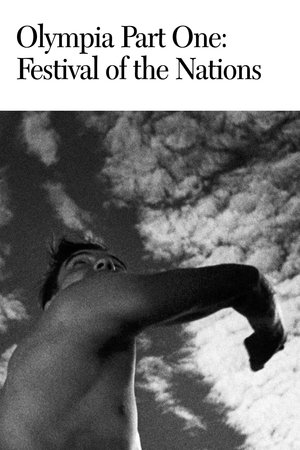
Olympia Part One: Festival of the Nations(de)
Starting with a long and lyrical overture, evoking the origins of the Olympic Games in ancient Greece, Riefenstahl covers twenty-one athletic events in the first half of this two-part love letter to the human body and spirit, culminating with the marathon, where Jesse Owens became the first track and field athlete to win four gold medals in a single Olympics.

Olympia Part Two: Festival of Beauty(de)
Part two of Leni Riefenstahl's monumental examination of the 1938 Olympic Games, the cameras leave the main stadium and venture into the many halls and fields deployed for such sports as fencing, polo, cycling, and the modern pentathlon, which was won by American Glenn Morris.
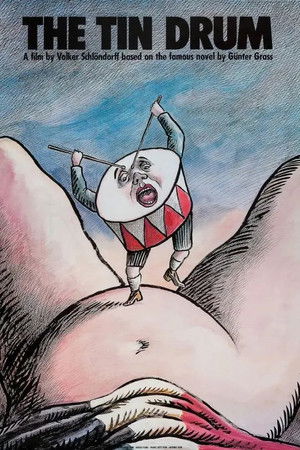
The Tin Drum(de)
In 1924, Oskar Matzerath is born in the Free City of Danzig. At age three, he falls down a flight of stairs and stops growing. In 1939, World War II breaks out.
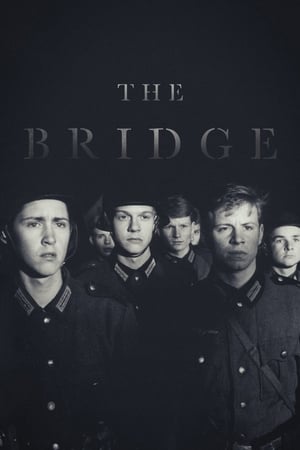
The Bridge(de)
A group of German boys are ordered to protect a small bridge in their home village during the waning months of the second world war. Truckloads of defeated, cynical Wehrmacht soldiers flee the approaching American troops, but the boys, full of enthusiasm for the "blood and honor" Nazi ideology, stay to defend the useless bridge. The film is based on a West German anti-war novel of the same name, written by Gregor Dorfmeister.

White Bird(en)
After being expelled from Beecher Prep for his treatment of a classmate with a facial deformity, Julian has struggled to fit in at his new school. To transform his life, Julian's grandmother finally reveals her own story of courage of her youth in Nazi-occupied France, where a classmate shelters her from mortal danger.
The Dirty Dozen(en)
12 American military prisoners in World War II are ordered to infiltrate a well-guarded enemy château and kill the Nazi officers vacationing there. The soldiers, most of whom are facing death sentences for a variety of violent crimes, agree to the mission and the possible commuting of their sentences.
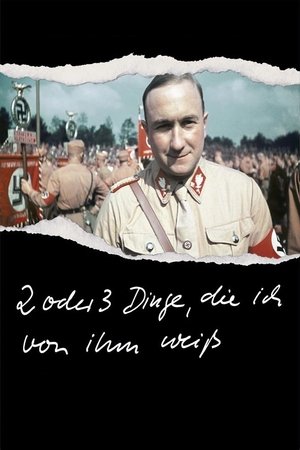
2 or 3 Things I Know About Him(de)
What would your family reminiscences about dad sound like if he had been an early supporter of Hitler’s, a leader of the notorious SA and the Third Reich’s minister in charge of Slovakia, including its Final Solution? Executed as a war criminal in 1947, Hanns Ludin left behind a grieving widow and six young children, the youngest of whom became a filmmaker. It's a fascinating, maddening, sometimes even humorous look at what the director calls "a typical German story." (Film Forum)

Bella Ciao! - German Soldiers in the Italian Resistance(de)
When Italy capitulated 1943 and joined the allied forces, some soldiers from the German Wehrmacht also changed sides and joined the Italians in their fight to liberate the country. This film tells the story of Rudolf Jacobs, Walter Fischer and Heinz Brauers, three of the ‘Good Germans’ remembered in Italy for their efforts in fighting the Nazis.