Loading Page
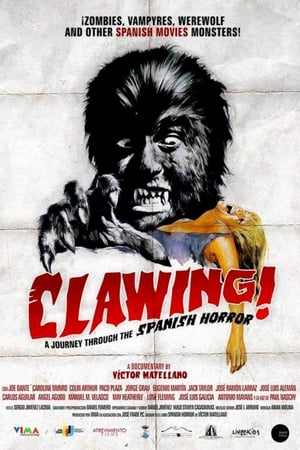
Clawing! A Journey Through the Spanish Horror(2014)
Status: Released
Date: 2014-06-20
60%
2 Votes
Time: 1h 4m
Zombies, vampires, werewolves and other Spanish movies monsters!
Overview:
In the late sixties, Spanish cinema began to produce a huge amount of horror genre films: international markets were opened, the production was continuous, a small star-system was created, as well as a solid group of specialized directors. Although foreign trends were imitated, Spanish horror offered a particular approach to sex, blood and violence. It was an extremely unusual artistic movement in Franco's Spain.
Languages: English, Spanish.
Countries:
Spain
ProductionCompanies: 
Talamanca de Cine
Atrevimiento Films
VIMA Producciones
Movie: Clawing! A Journey Through the Spanish Horror
Top 10 Billed Cast

Ángel Agudo
Self - Screenwriter

Carlos Aguilar
Self - Film Critic

José Luis Alemán
Self - Director

Colin Arthur
Self - Makeup Artist

Joe Dante
Self - Director

Lone Fleming
Self - Actress

Jorge Grau
Self - Director

May Heatherly
Self - Actress
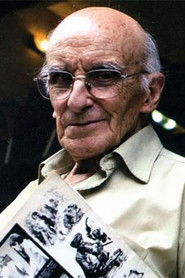
José Ramón Larraz
Self - Director
Loading Photos
Photo Type :Total items
Recommendations Movies
67%
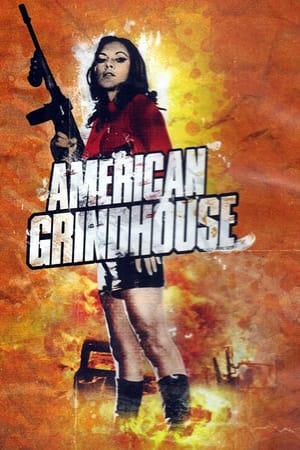
American Grindhouse(en)
2011-02-04
This documentary explores the hidden history of the American Exploitation Film. The movie digs deep into this often overlooked category of U.S. cinema and unearths the shameless and occasionally shocking origins of this popular entertainment.

66%
Machete Maidens Unleashed!(en)
2010-10-15
In the final decades of the 20th century, the Philippines was a country where low-budget exploitation-film producers were free to make nearly any kind of movie they wanted, any way they pleased. It was a country with extremely lax labor regulations and a very permissive attitude towards cultural expression. As a result, it became a hotbed for the production of cheapie movies. Their history and the genre itself are detailed in this breezy, nostalgic documentary.
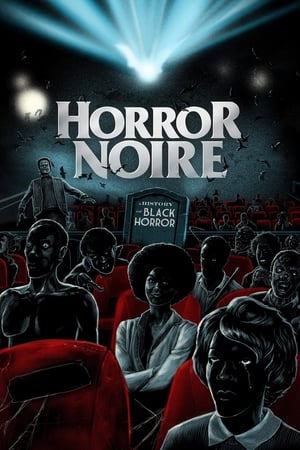
67%
Horror Noire: A History of Black Horror(en)
2019-02-07
Delving into a century of genre films that by turns utilized, caricatured, exploited, sidelined, and finally embraced them, this is the untold history of black Americans in Hollywood through their connection to the horror genre.
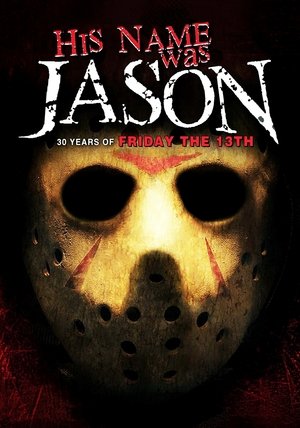
67%
His Name Was Jason: 30 Years of Friday the 13th(en)
2010-04-20
A retrospective documentary about the groundbreaking horror series, Friday the 13th, featuring interviews with cast and crew from the twelve films spanning 3 decades.
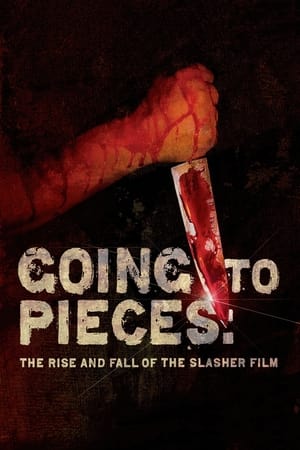
68%
Going to Pieces: The Rise and Fall of the Slasher Film(en)
2006-10-13
This historical and critical look at slasher films, which includes dozens of clips, begins with Halloween, Friday the 13th, and Prom Night. The films' directors, writers, producers, and special effects creators comment on the films' making and success. During the Reagan years, the films get gorier, budgets get smaller, and their appeal wanes. Then, Nightmare on Elm Street revives the genre. Jump to the late 90s, when Scream brings humor and TV stars into the mix.
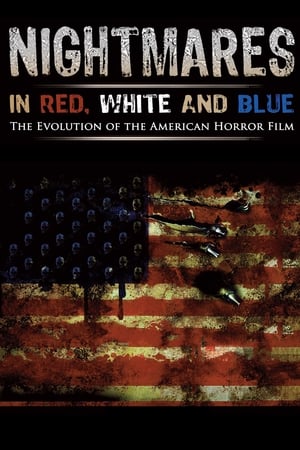
66%
Nightmares in Red, White and Blue(en)
2009-08-06
An exploration of the appeal of horror films, with interviews of many legendary directors in the genre.
69%
An Open Secret(en)
2014-11-14
An investigation into accusations of teenagers being sexually abused within the film industry.
61%
Room 237(en)
2012-10-26
A subjective documentary that explores various theories about hidden meanings in Stanley Kubrick's classic film The Shining. Five very different points of view are illuminated through voice over, film clips, animation and dramatic reenactments.
78%
Never Sleep Again: The Elm Street Legacy(en)
2010-05-04
For decades, Freddy Krueger has slashed his way through the dreams of countless youngsters, scaring up over half a billion dollars at the box office across eight terrifying, spectacular films.
78%
Jodorowsky's Dune(en)
2013-08-30
In 1974, Chilean-French director Alejandro Jodorowsky embarked on the quixotic project of adapting Frank Herbert's influential novel Dune (1969) for the big screen. After investing two years, and millions of dollars, the gigantic project ended in failure; but the artists Jodorowsky brought together to carry it out continued to work together, and ended up laying the foundations for modern science fiction cinema.
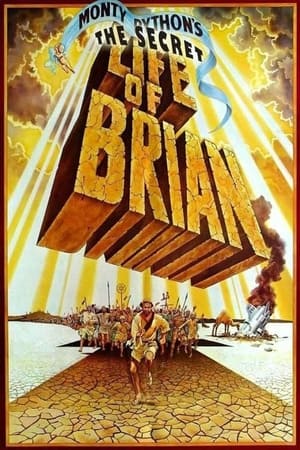
76%
The Secret Life of Brian(en)
2007-01-01
A documentary about the making of the controversial Life of Brian and the surrounding accusations of blasphemy.

62%
Seduced and Abandoned(en)
2013-05-20
SEDUCED AND ABANDONED combines acting legend Alec Baldwin with director James Toback as they lead us on a troublesome and often hilarious journey of raising financing for their next feature film. Moving from director to financier to star actor, the two players provide us with a unique look behind the curtain at the world's biggest and most glamourous film festival, shining a light on the bitter-sweet relationship filmmakers have with Cannes and the film business. Featuring insights from directors Martin Scorsese, 'Bernando Bertolucci' and Roman Polanski; actors Ryan Gosling and Jessica Chastain and a host of film distribution luminaries.
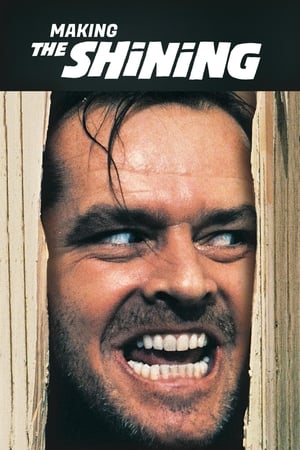
71%
Making 'The Shining'(en)
1980-10-04
Directed and edited by Stanley Kubrick's daughter Vivian Kubrick, this film offers a look behind the scenes during the making of The Shining.

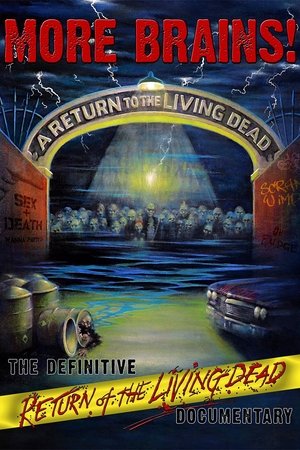
74%
More Brains! A Return to the Living Dead(en)
2011-10-18
Retrospective documentary about the making of the horror cult classic "The Return of the Living Dead."
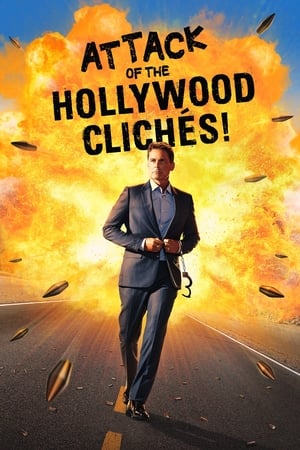
60%
Attack of the Hollywood Clichés!(en)
2021-09-27
One-man armies, meet-cutes, casual strolls away from huge explosions — stars and industry insiders toast and roast these cinematic chestnuts and more.
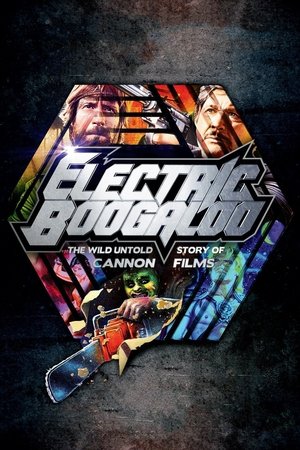
72%
Electric Boogaloo: The Wild, Untold Story of Cannon Films(en)
2014-10-06
A documentary about the rise and fall of the Cannon Film Group, the legendary independent film company helmed by Israeli cousins Menahem Golan and Yoram Globus.
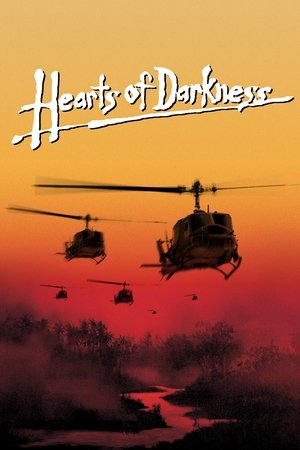
79%
Hearts of Darkness: A Filmmaker's Apocalypse(en)
1991-11-27
A chronicle of the production problems — including bad weather, actors' health, war near the filming locations, and more — which plagued the filming of Apocalypse Now, increasing costs and nearly destroying the life and career of Francis Ford Coppola.

65%
Downloaded(en)
2013-06-20
A documentary that explores the downloading revolution; the kids that created it, the bands and the businesses that were affected by it, and its impact on the world at large.
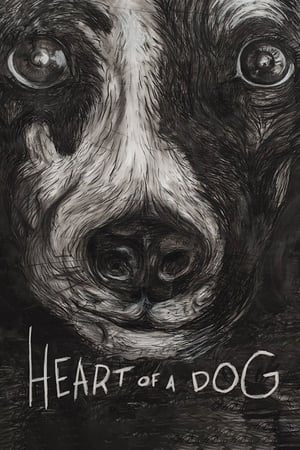
65%
Heart of a Dog(en)
2015-10-21
Lyrical and powerfully personal essay film that reflects on the deaths of her husband Lou Reed, her mother, her beloved dog, and such diverse subjects as family memories, surveillance, and Buddhist teachings.
Similar Movies

0%
Isaiah vs. The Hodag(en)
2020-12-14
A young man living with his parents in Wisconsin comes face to face with a terrifying monster while searching for the elusive cryptic known as the Hodag.
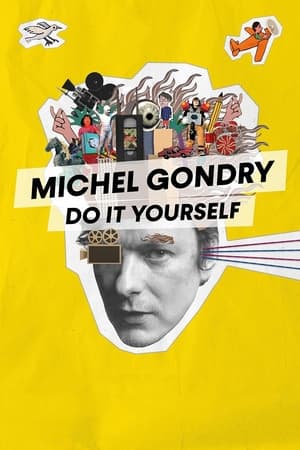
79%
Michel Gondry: Do It Yourself(fr)
2023-09-04
A portrait of French filmmaker Michel Gondry, creator, for three decades, of an imperfect, astonishing, fascinating, damaged and poetic work.
60%
Cecil B. DeMille: American Epic(en)
2004-04-05
Documentary about the legendary American film director from his introduction to the film industry in its early years to his death in 1959.
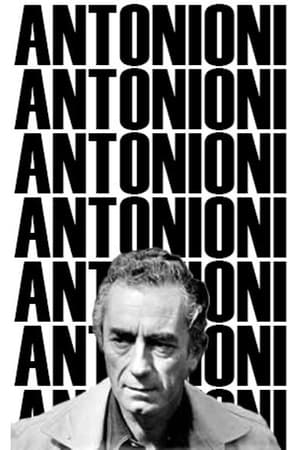
62%
Antonioni: Documents and Testimonials(it)
1965-09-12
A behind-the-scenes documentary about director Michelangelo Antonioni as he's shooting his segment of The Three Faces, a vehicle for Soraya, the former empress of Persia. Featuring interviews with Monica Vitti, Tonino Guerra and more.

77%
Akira Kurosawa: My Life in Cinema(ja)
1993-01-01
Nagisa Oshima interviews Akira Kurosawa, leading him to share his thoughts about filmmaking, his life and works, and numerous anecdotes relating to his films and his various film activities.
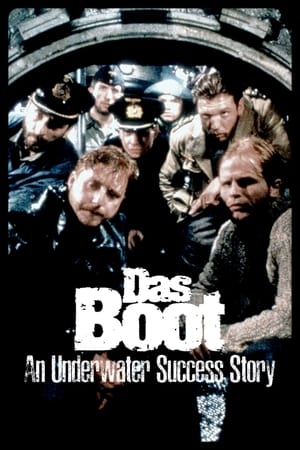
72%
Das Boot Revisited: An Underwater Success Story(de)
2021-01-10
In 1981, a film about the misadventures of a German U-boat crew in 1941 becomes a worldwide hit almost four decades after the end of the World War II. Millions of viewers worldwide make Das Boot the most internationally successful German film of all time. But due to disputes over the script, accidents on the set, and voices accusing the makers of glorifying the war, the project was many times on the verge of being cancelled.
70%
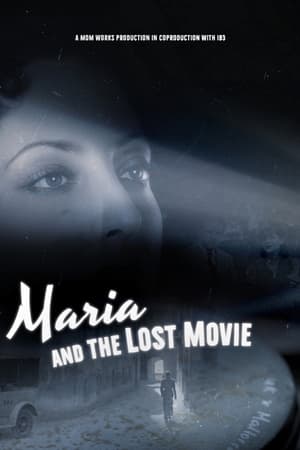
Maria and the Lost Movie(ca)
2023-07-28
The pianist Miguel Ángel Lozano embarks on a personal and artistic journey with the purpose of reconstructing the life of his grandmother, Maria Forteza (1910-60), singer and pioneer of Spanish sound films.
65%
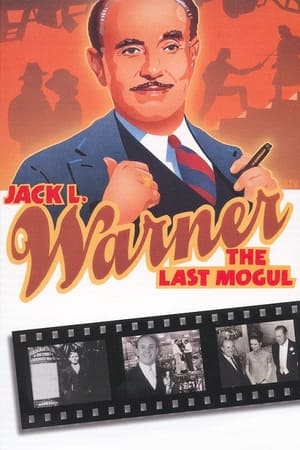
Jack L. Warner: The Last Mogul(en)
1993-05-14
An insider's account of Jack Warner, a founding father of the American film industry. This feature length documentary provides the rags to riches story of the man whose studio - Warner Bros - created many of Hollywood's most classic films. Includes extensive interviews with family members and friends, film clips, rare home movies and unique location footage.
0%
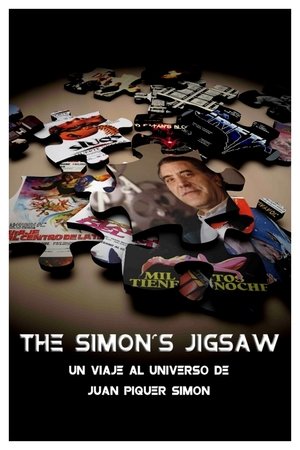
The Simón's Jigsaw: A Trip to the Universe of Juan Piquer Simón(es)
2015-10-17
A journey through the work of Spanish filmmaker Juan Piquer Simón (1935-2011).

71%
This Film Is Not Yet Rated(en)
2006-01-25
Kirby Dick's provocative documentary investigates the secretive and inconsistent process by which the Motion Picture Association of America rates films, revealing the organization's underhanded efforts to control culture. Dick questions whether certain studios get preferential treatment and exposes the discrepancies in how the MPAA views sex and violence.

50%
Behind Natacha Rambova's Shadow(ca)
2019-07-06
The adventurous life of Natacha Rambova (1897-1966), an American artist, born Winifred Kimball Shaughnessy, who reincarnated herself countless times: false Russian dancer, silent film actress, scenographer and costume designer, writer, spiritist, Egyptologist, indefatigable traveler, mysterious and curious; an amazing 20th century woman who created the myth of Rudolph Valentino.
67%
His Name Was Jason: 30 Years of Friday the 13th(en)
2010-04-20
A retrospective documentary about the groundbreaking horror series, Friday the 13th, featuring interviews with cast and crew from the twelve films spanning 3 decades.
76%
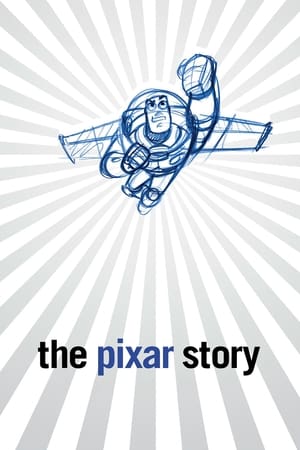
The Pixar Story(en)
2007-08-28
A look at the first years of Pixar Animation Studios - from the success of "Toy Story" and Pixar's promotion of talented people, to the building of its East Bay campus, the company's relationship with Disney, and its remarkable initial string of eight hits. The contributions of John Lasseter, Ed Catmull and Steve Jobs are profiled. The decline of two-dimensional animation is chronicled as three-dimensional animation rises. Hard work and creativity seem to share the screen in equal proportions.
68%
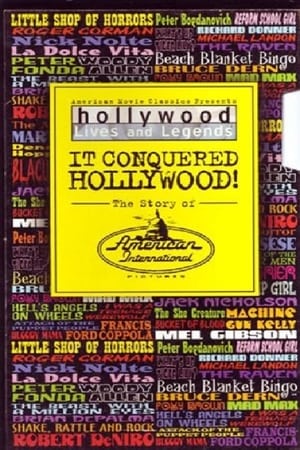
It Conquered Hollywood! The Story of American International Pictures(en)
2001-05-01
A 60-minute salute to American International Pictures. Entertainment lawyer Samuel Z. Arkoff founded AIP (then called American Releasing Corporation) on a $3000 loan in 1954 with his partner, James H. Nicholson, a former West Coast exhibitor and distributor. The company made its mark by targeting teenagers with quickly produced films that exploited subjects mainstream films were reluctant to tackle.
30%
Locations: Looking for Rusty James(es)
2013-08-30
A personal meditation on Rumble Fish, the legendary film directed by Francis Ford Coppola in 1983; the city of Tulsa, Oklahoma, USA, where it was shot; and its impact on the life of several people from Chile, Argentina and Uruguay related to film industry.
90%
Forests(fr)
2022-05-14
In a dark, ambiguous environment, minuscule particles drift slowly before the lens. The image focuses to reveal spruce trees and tall pines, while Innu voices tell us the story of this territory, this flooded forest. Muffled percussive sounds gradually become louder, suggesting the presence of a hydroelectric dam. The submerged trees gradually transform into firebrands as whispers bring back the stories of this forest.
65%
Hitler's Hollywood(de)
2017-02-23
Film journalist and critic Rüdiger Suchsland examines German cinema from 1933, when the Nazis came into power, until 1945, when the Third Reich collapsed. (A sequel to From Caligari to Hitler, 2015.)