Loading Page

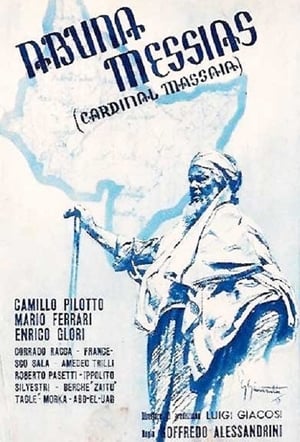
Abuna Messias - Vendetta africana(1939)
Status: Released
Date: 1939-08-30
50%
5 Votes
Time: 1h 36m
Overview:
The film takes place at the end of the 19th century. The Cardinal Guglielmo Massaia has spent 20 years in Ethiopia to convert people to the Catholic Church. He comes back to Italy and he tries to get the help of the government of Piedmont. The Count Cavour, although he appreciates the Cardinal's deeds in Africa, cannot grant his Cabinet's support to the Cardinal's plans. The missionary man, trusting the Divine Providence, goes back to Africa by himself. The Cardinal, who is known among the people as Abuna Messias, becomes a friend of king Menelik. The support of the king is fundamental to spread his word and accomplish his mission. The Head of the Coptic Church, Abuna Attanasio, does whatever he can to prevent Massaia from reaching his goals and to get him exiled from Ethiopia. Menelik refuses to help Abuna Attanasio, who decides to address the Emperor, thus igniting a war between the Emperor and his subject Menelik. In order to end the war, the Cardinal decides to leave Africa.
Languages: Italian.
Countries:
Movie: Abuna Messias - Vendetta africana
Top 10 Billed Cast
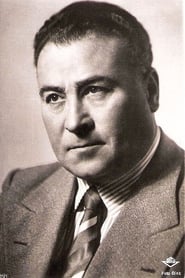
Camillo Pilotto
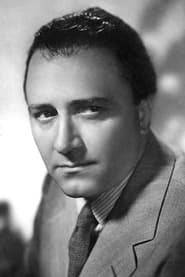
Enrico Glori
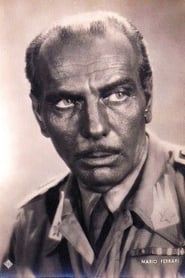
Mario Ferrari

Amedeo Trilli
HomePage
Overview
The film takes place at the end of the 19th century. The Cardinal Guglielmo Massaia has spent 20 years in Ethiopia to convert people to the Catholic Church. He comes back to Italy and he tries to get the help of the government of Piedmont. The Count Cavour, although he appreciates the Cardinal's deeds in Africa, cannot grant his Cabinet's support to the Cardinal's plans. The missionary man, trusting the Divine Providence, goes back to Africa by himself. The Cardinal, who is known among the people as Abuna Messias, becomes a friend of king Menelik. The support of the king is fundamental to spread his word and accomplish his mission. The Head of the Coptic Church, Abuna Attanasio, does whatever he can to prevent Massaia from reaching his goals and to get him exiled from Ethiopia. Menelik refuses to help Abuna Attanasio, who decides to address the Emperor, thus igniting a war between the Emperor and his subject Menelik. In order to end the war, the Cardinal decides to leave Africa.
Release Date
1939-08-30
Average
5
Rating:
2.5 startsTagline
Genres
Languages:
Italiano
Recommendations Movies
67%
In the Name of the Pope King(it)
1977-12-03
In 1867, with Garibaldi's forces close to bringing Rome into the Italian kingdom, Monsignor Colombo da Priverno, a world-weary judge on the papal court, wants to resign, disgusted by the violence to which the papacy resorts to hold secular power.

68%
Outlaws - For Greater Glory(en)
2012-06-01
A chronicle of the Cristeros War (1926-1929), which was touched off by a rebellion against the Mexican government's attempt to secularize the country.
70%
The Scarlet and the Black(en)
1983-02-02
Fr. Hugh O'Flaherty is a Vatican official in 1943-45 who has been hiding downed pilots, escaped prisoners of war, and Italian resistance families. His activities become so large that the Nazis decide to assassinate him the next time he leaves the Vatican.
64%
7 Women(en)
1965-12-11
In a mission in China in 1935, a group of women are preyed on by Mongolian bandits, led by Warlord chief Tunga Khan.
71%
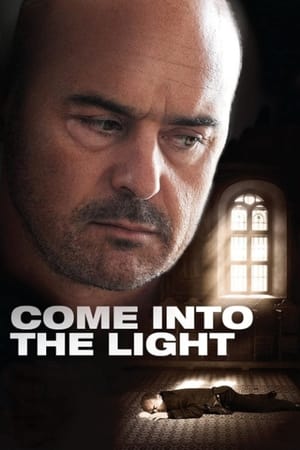
Come Into the Light(it)
2005-01-21
In 1990s Palermo, Pino Puglisi is a priest from the neglected Brancaccio neighborhood dedicated in helping kids to get off the streets and creating an embracing place of hope and solidarity in his church, which means trouble for the local Mafia. He continues his solitary fight until the bitter end.

60%
The Secrets We Keep(en)
2020-09-16
In post-World War II America, a woman, rebuilding her life in the suburbs with her husband, kidnaps her neighbor and seeks vengeance for the heinous war crimes she believes he committed against her.
76%
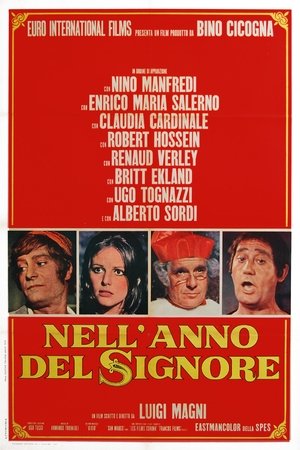
The Conspirators(it)
1969-10-24
Rome, 1825. Bishop Rivarola and Colonel Nardoni are in charge of suppressing the liberal revolution. Shoemaker Cornacchia got the information that the liberal Filippo Spada is a spy and is going to denounce his revolutionary companions.
76%
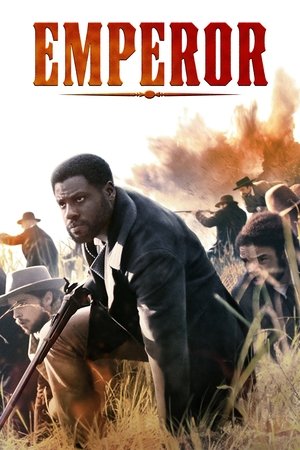
Emperor(en)
2020-08-18
An escaped slave travels north and has chance encounters with Frederick Douglass and John Brown. Based on the life story of Shields Green.
66%
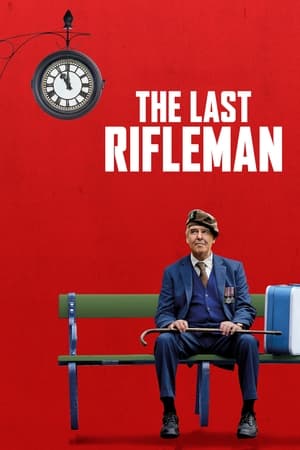
The Last Rifleman(en)
2023-12-07
A WWII veteran escapes his care home in Northern Ireland and embarks on an arduous but inspirational journey to France to attend the 75th anniversary of the D-Day landings, finding the courage to face the ghosts of his past.
60%
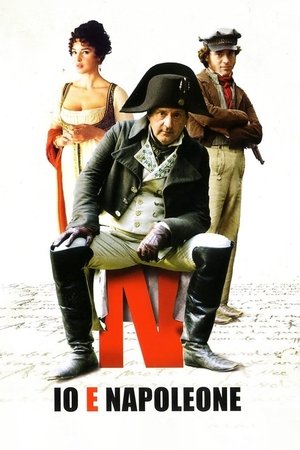
Napoleon and Me(it)
2006-10-13
Elba island, 1814. Martino is a young teacher, idealist and strongly anti Napoleon, in love with the beautiful and noble Baroness Emily. The young man finds himself serving as librarian to the Great Emperor in exile, whom he deeply hates, yet soon begins recording Napoleon's memoirs, getting to know and learning to value the man behind the myth. Among seductions and affairs, expectations and fears, he will craft a precise portrait that nevertheless will not manage to hide a final, inevitable, disappointment.
69%
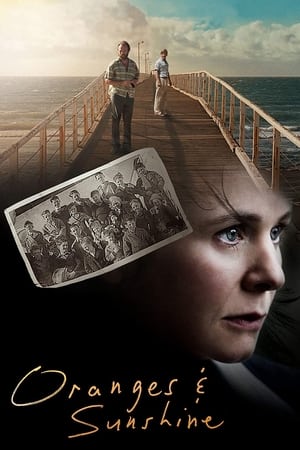
Oranges and Sunshine(en)
2010-10-08
The story of Margaret Humphreys, a social worker from Nottingham, who uncovers one of the most significant social scandals in recent times – the forced migration of children from the United Kingdom to Australia and other Commonwealth countries. Almost singlehandedly, Margaret reunited thousands of families, brought authorities to account and worldwide attention to an extraordinary miscarriage of justice.
64%
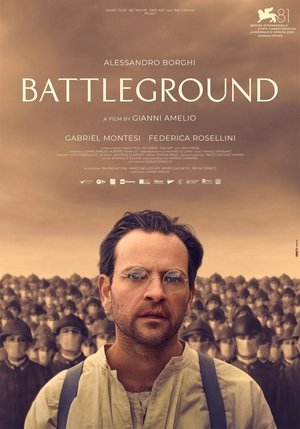
Battlefield(it)
2024-09-05
These are the years of the First World War and Dr. Stefano Zorzi spends his days in the Exemption Clinic in a large city of Northern Italy, where he not only takes care of soldiers who arrive from the massacre of the front, but also he fights simulation and self-harm of those who hope to be dispensed, by sending them before the Military Court. If Stefano, in fact, does his utmost to heal soldiers and send them back to fight, Dr. Giulio Farradio makes them ill, or helps them to self-injure seriously enough to be exonerated. The two doctors, who went to university together and were great friends, they not only (secretly) challenge each other on a professional level, but also on the sentimental one: they are both linked to Anna, a courageous nurse with a strong character. But when the great ‘Spanish’ fever epidemic arrived in 1918, the time for love, politics and science ends up getting confused dangerously...

62%
Prizefighter: The Life of Jem Belcher(en)
2022-06-30
At the turn of the 19th century, Pugilism was the sport of kings and a gifted young boxer fought his way to becoming champion of England.
69%
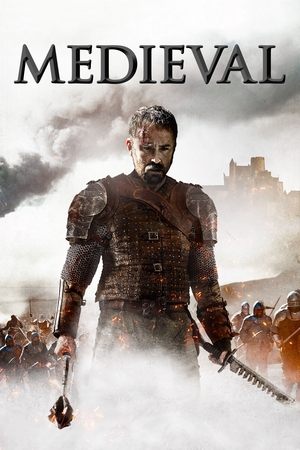
Medieval(en)
2022-09-08
The story of fifteenth century Czech icon and warlord, Jan Zizka, who defeated armies of the Teutonic Order and the Holy Roman Empire.

69%
Munich – The Edge of War(en)
2021-12-31
At the tense 1938 Munich Conference, former friends who now work for opposing governments become reluctant spies racing to expose a Nazi secret.
62%
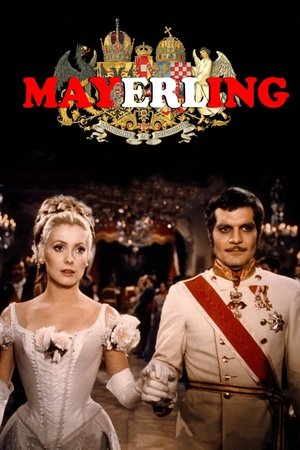
Mayerling(en)
1968-10-31
Crown Prince Rudolf of Austria clashes with his father, Emperor Franz Joseph I of Austria, over implementing progressive policies for their country. Rudolf soon feels he is a man born at the wrong time in a country that doesn't realize the need for social reform. The Prince of Wales, later to become Britain's King Edward VII, provides comic relief. Rudolf finds refuge from a loveless marriage with Princess Stéphanie by taking a mistress, Baroness Maria Vetsera. Their untimely demise at Mayerling, the imperial family's hunting lodge, is cloaked in mystery.
67%
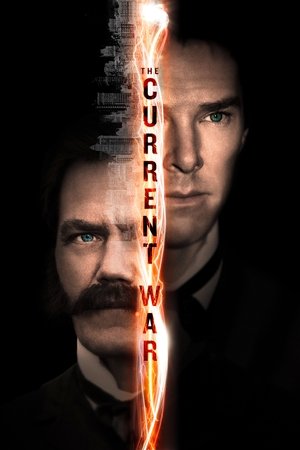
The Current War(en)
2018-02-01
Electricity titans Thomas Edison and George Westinghouse compete to create a sustainable system and market it to the American people.
61%
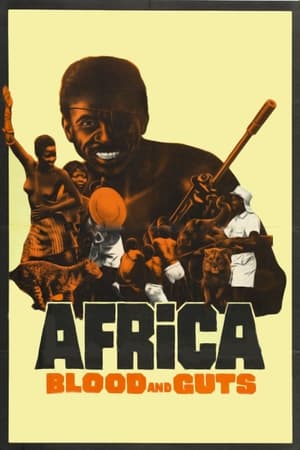
Africa Blood and Guts(it)
1966-02-11
A chronicle of the violence that occurred in much of the African continent throughout the 1960s. As many African countries were transitioning from colonial rule to other forms of government, violent political upheavals were frequent. Revolutions in Zanzibar and Kenya in which thousands were killed are shown, the violence not only political; there is also extensive footage of hunters and poachers slaughtering different types of wild animals.

68%
A Call to Spy(en)
2020-10-02
The story of Vera Atkins, a crafty spy recruiter, and two of the first women she selects for Churchill's "secret army": Virginia Hall, a daring American undaunted by a disability and Noor Inayat Khan, a pacifist. These civilian women form an unlikely sisterhood while entangled in dangerous missions to turn the tide of the war.