Loading Page
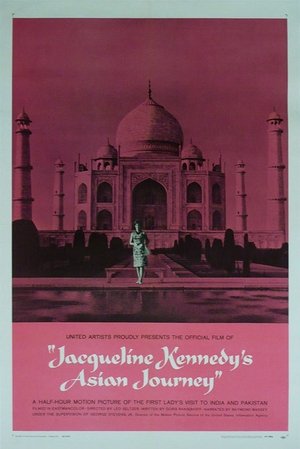
Jacqueline Kennedy's Asian Journey(1962)
Status: Released
Date: 1962-01-01
0%
0 Votes
Time: 0h 30m
Overview:
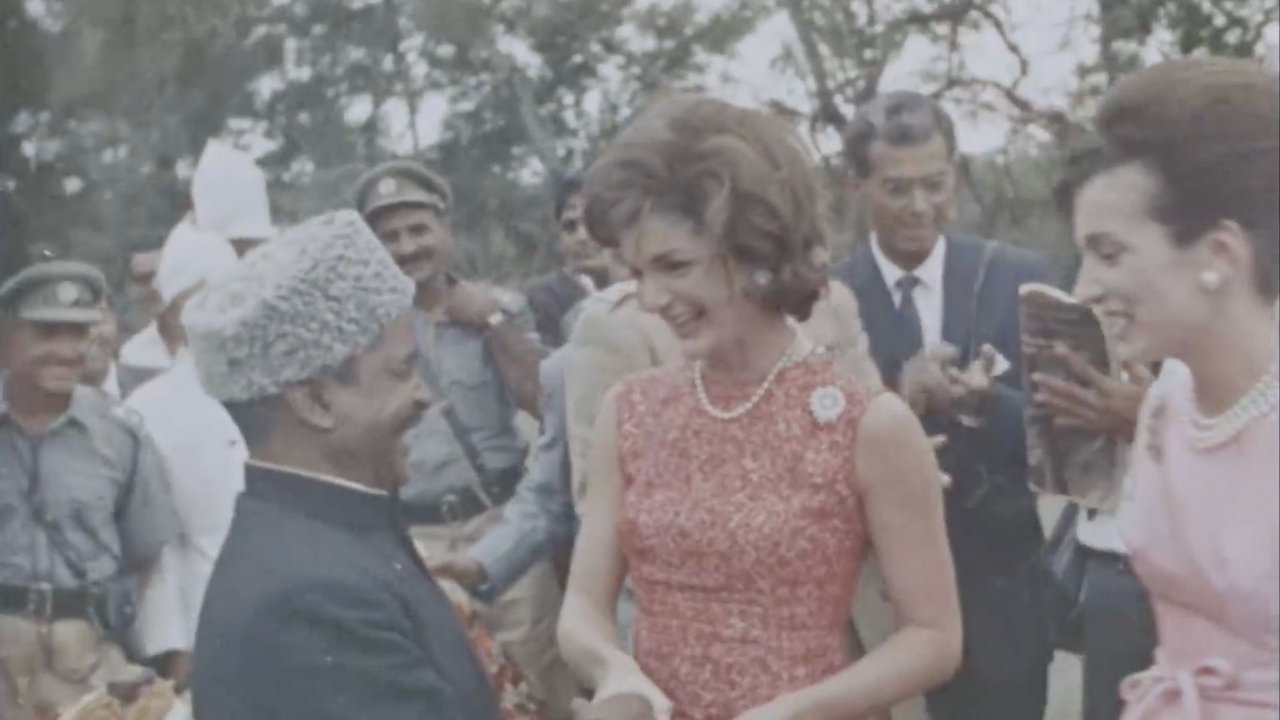
"This film, made by the U.S. Information Agency (USIA) as part of its Cold War campaign to promote American interests and ideology abroad, covers First Lady Jacqueline Kennedy's visit to India and Pakistan in 1962 and focuses on Mrs. Kennedy's growing popularity as a diplomatic force. The film was directed by Leo Seltzer, narrated by Raymond Massey, and released by United Artists" (US National Archives).
Languages:
Countries:
ProductionCompanies: 
Movie: Jacqueline Kennedy's Asian Journey
Top 1 Billed Cast
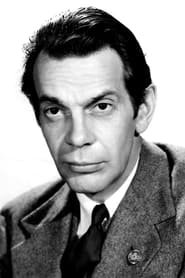
Raymond Massey
Narrator
HomePage
Overview
"This film, made by the U.S. Information Agency (USIA) as part of its Cold War campaign to promote American interests and ideology abroad, covers First Lady Jacqueline Kennedy's visit to India and Pakistan in 1962 and focuses on Mrs. Kennedy's growing popularity as a diplomatic force. The film was directed by Leo Seltzer, narrated by Raymond Massey, and released by United Artists" (US National Archives).
Release Date
1962-01-01
Average
0
Rating:
0.0 startsTagline
Genres
Languages:
Recommendations Movies
70%
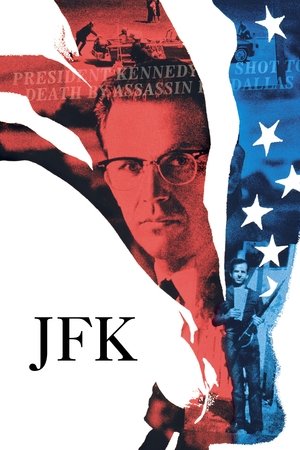
JFK Revisited: Through the Looking Glass(en)
2021-11-12
Thirty years after the release of his film JFK (1991), filmmaker Oliver Stone reviews recently declassified evidence related to the assassination of President John F. Kennedy, which took place in Dallas on November 22, 1963.
63%
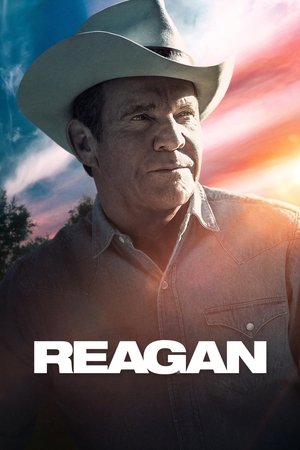
Reagan(en)
2024-08-29
Told through the voice of former KGB agent Viktor Petrovich, whose life becomes inextricably linked with Ronald Reagan's when Reagan first caught the Soviets’ attention as an actor in Hollywood, Reagan overcomes the odds to become the 40th president of the United States.
70%
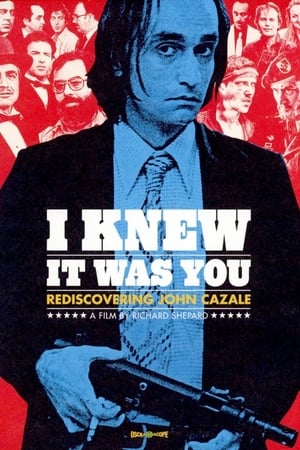
I Knew It Was You: Rediscovering John Cazale(en)
2009-01-16
John Cazale was in only five films – The Godfather, The Conversation, The Godfather: Part II, Dog Day Afternoon and The Deer Hunter – each was nominated for Best Picture. Yet today most people don't even know his name. I KNEW IT WAS YOU is a fresh tour through movies that defined a generation.

76%
Night Will Fall(en)
2014-06-07
When Allied forces liberated the Nazi concentration camps in 1944-45, their terrible discoveries were recorded by army and newsreel cameramen, revealing for the first time the full horror of what had happened. Making use of British, Soviet and American footage, the Ministry of Information’s Sidney Bernstein (later founder of Granada Television) aimed to create a documentary that would provide lasting, undeniable evidence of the Nazis’ unspeakable crimes. He commissioned a wealth of British talent, including editor Stewart McAllister, writer and future cabinet minister Richard Crossman – and, as treatment advisor, his friend Alfred Hitchcock. Yet, despite initial support from the British and US Governments, the film was shelved, and only now, 70 years on, has it been restored and completed by Imperial War Museums under its original title "German Concentration Camps Factual Survey".
69%
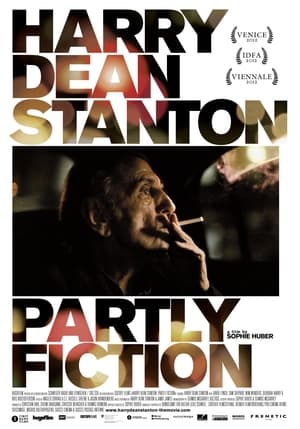
Harry Dean Stanton: Partly Fiction(en)
2013-09-11
An impressionistic portrait of the iconic actor Harry Dean Stanton comprised of intimate moments, film clips from some of his 250 films and his renditions of American folk songs.
66%
Their Finest(en)
2017-02-19
During the Blitz of World War II, a female screenwriter works on a film celebrating England's resilience as a way to buoy a weary populace's spirits. Her efforts to dramatise the true story of two sisters who undertook their own maritime mission to rescue wounded soldiers are met with mixed feelings by a dismissive all-male staff.
65%
Jackie(en)
2016-12-02
An account of the days of First Lady, Jacqueline Kennedy, in the immediate aftermath of John F. Kennedy's assassination in 1963.
64%
Origin(en)
2023-12-08
While investigating the global phenomenon of caste and its dark influence on society, a journalist faces unfathomable personal loss and uncovers the beauty of human resilience.

61%
The Battle of San Pietro(en)
1945-05-03
This documentary movie is about the battle of San Pietro, a small village in Italy. Over 1,100 US soldiers were killed while trying to take this location, that blocked the way for the Allied forces from the Germans. Preserved by the Academy Film Archive in 2005.
71%
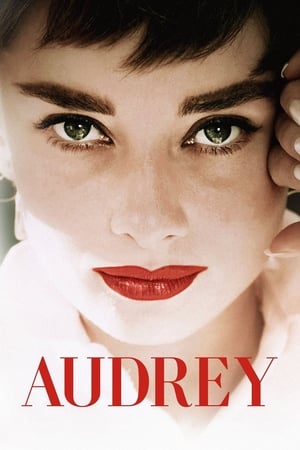
Audrey(en)
2020-11-30
An unprecedented and intimate look at the life, work and enduring legacy of British actress Audrey Hepburn (1929-1993).
64%
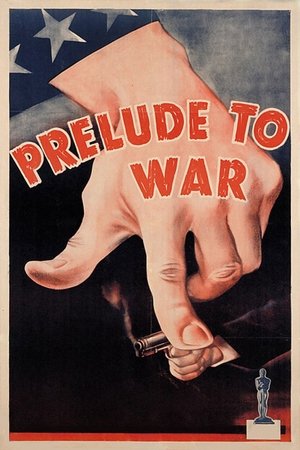
Why We Fight: Prelude to War(en)
1942-05-27
Prelude to War was the first film of Frank Capra's Why We Fight propaganda film series, commissioned by the Pentagon and George C. Marshall. It was made to convince American troops of the necessity of combating the Axis Powers during World War II. This film examines the differences between democratic and fascist states.
62%
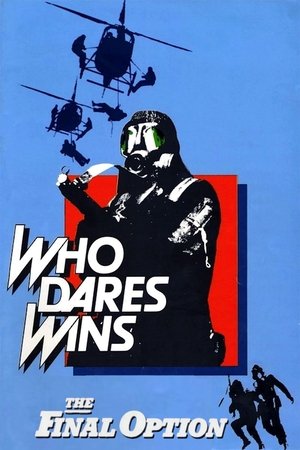
Who Dares Wins(en)
1982-08-26
When SAS Captain Peter Skellen is thrown out of the service for gross misconduct due to unnecessary violence and bullying, he is soon recruited by The People's Lobby, a fanatical group aiming to hold several US dignitaries hostage. But Skellen's dismissal is a front to enable him to get close to the terrorist group. Can he get close enough to stop the Lobby from creating an international incident?
70%
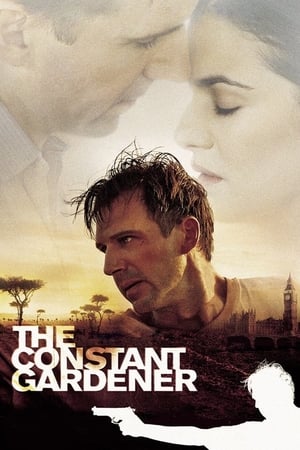
The Constant Gardener(en)
2005-08-31
Justin Quayle is a low-level British diplomat who has always gone about his work very quietly, not causing any problems. But after his radical wife Tessa is killed he becomes determined to find out why, thrusting himself into the middle of a very dangerous conspiracy.
62%
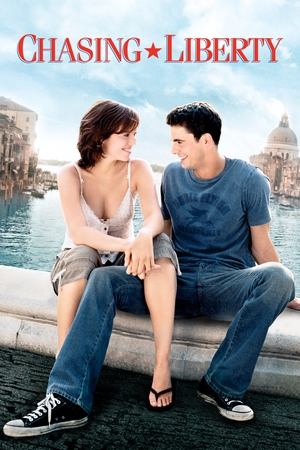
Chasing Liberty(en)
2004-01-09
The President's daughter, unable to experience life like a normal 18 year-old, escapes from her entourage of Secret Service agents while traveling in Europe. She falls in love with a handsome British stranger, who also happens to be working undercover for her father.
62%
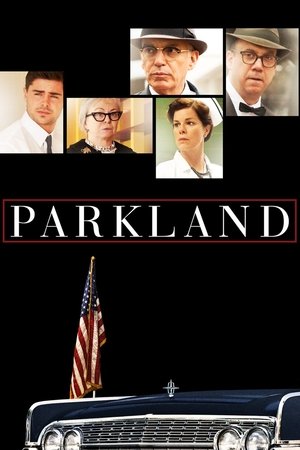
Parkland(en)
2013-10-02
November 22nd, 1963 was a day that changed the world forever — when young American President John F. Kennedy was assassinated in Dallas, Texas. This film follows, almost in real time, a handful of individuals forced to make split-second decisions after an event that would change their lives and forever alter the world’s landscape.
61%
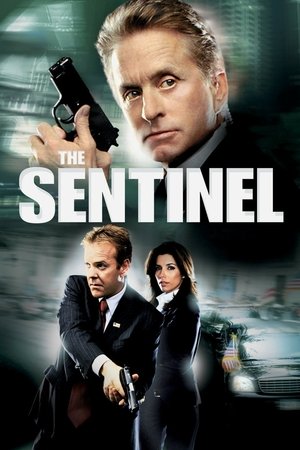
The Sentinel(en)
2006-04-19
Veteran Secret Service agent Pete Garrison investigates a colleague's murder and is subsequently framed as a mole in an assassination attempt on the President due to the machinations of a blackmailer who knows the secret he is hiding. Disgraced, dismissed, and now a fugitive with two relentless federal investigators hot on his heels, Garrison must both clear his name and save the president from assassination.
75%
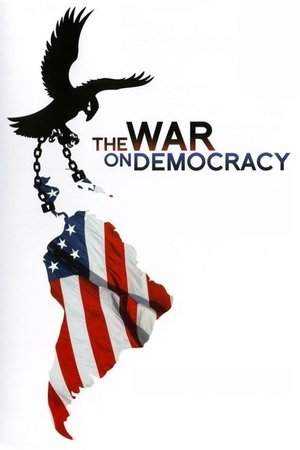
The War on Democracy(en)
2007-06-15
Set both in Latin America and the United States, the film explores the historic and current relationship of Washington with countries such as Venezuela, Bolivia and Chile. Pilger says that the film "...tells a universal story... analysing and revealing, through vivid testimony, the story of great power behind its venerable myths. It allows us to understand the true nature of the so-called "war on terror". According to Pilger, the film’s message is that the greed and power of empire is not invincible and that people power is always the "seed beneath the snow".
74%
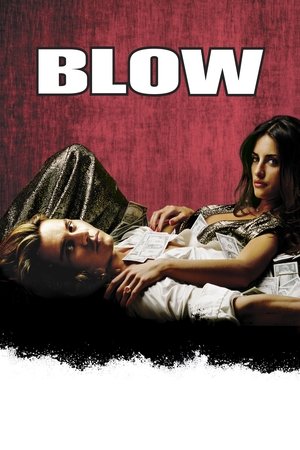
Blow(en)
2001-04-04
A boy named George Jung grows up in a struggling family in the 1950's. His mother nags at her husband as he is trying to make a living for the family. It is finally revealed that George's father cannot make a living and the family goes bankrupt. George does not want the same thing to happen to him, and his friend Tuna, in the 1960's, suggests that he deal marijuana. He is a big hit in California in the 1960's, yet he goes to jail, where he finds out about the wonders of cocaine. As a result, when released, he gets rich by bringing cocaine to America. However, he soon pays the price.