Loading Page
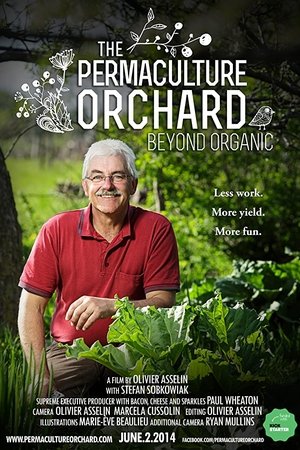
The Permaculture Orchard: Beyond Organic(2014)
Status: Released
Date: 2014-06-02
0%
0 Votes
Time: 1h 55m
Less work. More yield. More fun.
Overview:
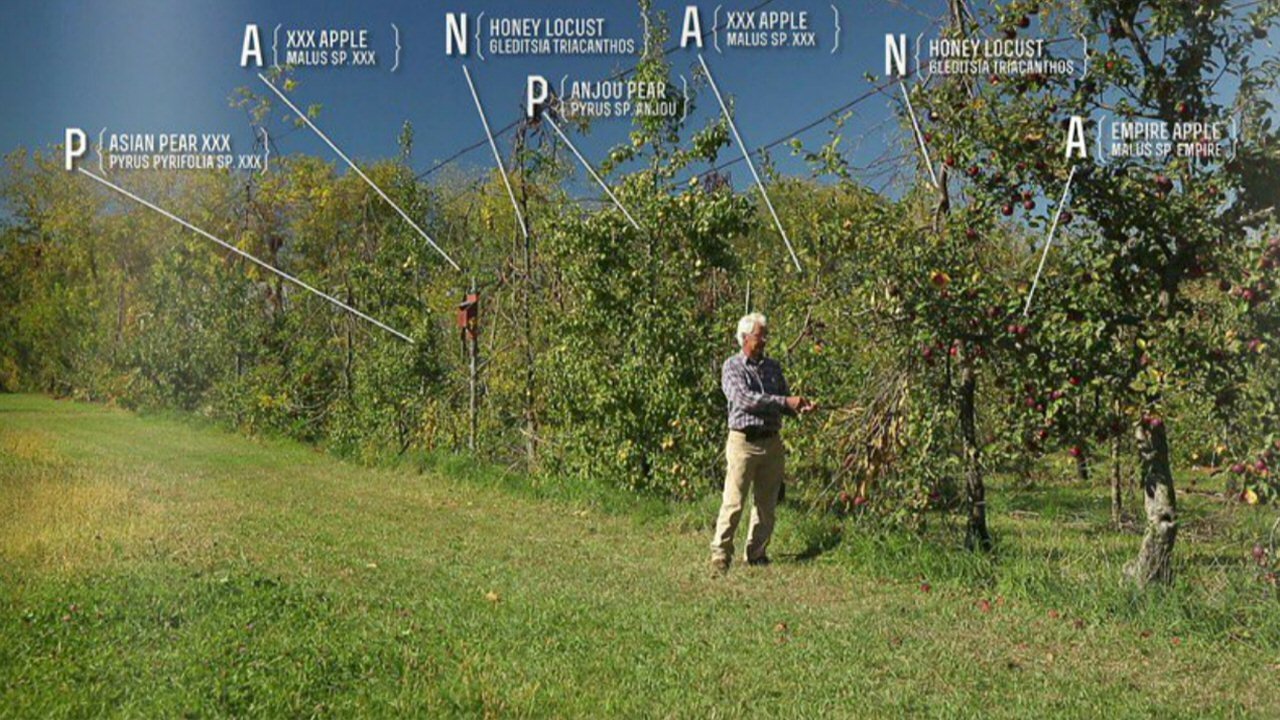
This feature-length educational film teaches you how to set up your own permaculture orchard at virtually any scale. We recognize the limitations of the organic model as a substitute to conventional fruit growing, and want to propose a more holistic, regenerative approach based on permaculture principles. Based on 20 years of applied theory and trial and error, biologist and educator Stefan Sobkowiak shares his experience transforming a conventional apple orchard into an abundance of biodiversity that virtually takes care of itself. The concepts, techniques and tips presented in this film will help you with your own project, whether it is just a few fruit trees in your urban backyard, or a full-scale multi-acre commercial orchard.
Languages: English, French.
Countries:
Canada
Budget: $15,000.00
Movie: The Permaculture Orchard: Beyond Organic
Top 1 Billed Cast
Video Trailer The Permaculture Orchard: Beyond Organic
All 1 videos

The Permaculture Orchard : Beyond Organic (Kickstarter video) - Featurette
Recommendations Movies
76%
The Biggest Little Farm(en)
2019-06-05
The successes and failures of a couple determined to live in harmony with nature on a farm outside of Los Angeles are lovingly chronicled by filmmaking farmer John Chester, in this inspiring documentary.
77%
Kiss the Ground(en)
2020-09-22
Sheds light on an alternative approach to farming called “regenerative agriculture” that could balance our climate, replenish our vast water supplies, and feed the world.
73%
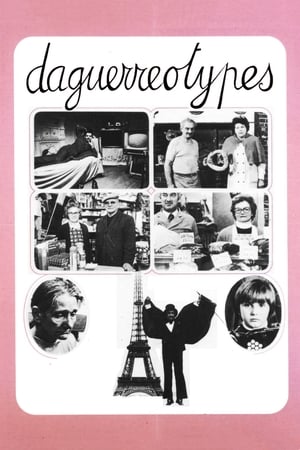
Daguerréotypes(fr)
1978-02-28
An intimate portrait of the small shops and shopkeepers of the Rue Daguerre in Paris, a picturesque street that has been the filmmaker’s home for more than 50 years.

61%
Naqoyqatsi(en)
2002-09-02
A visual montage portrait of our contemporary world dominated by globalized technology and violence.
64%
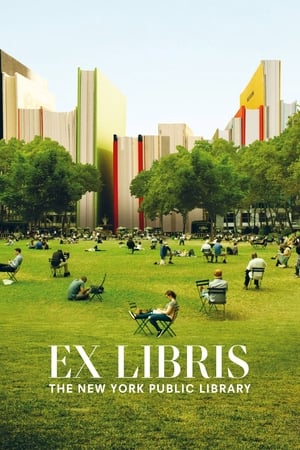
Ex Libris: The New York Public Library(en)
2017-09-13
A documentary about how a dominant cultural and demographic institution both sustains their traditional activities and adapts to the digital revolution.
76%
Our Planet: Behind the Scenes(en)
2019-04-05
Years spent recording footage of creatures from every corner of the globe is bound to produce a bit of drama. Here's a behind-the-scenes look.
71%
The Mole: Undercover in North Korea(en)
2020-10-11
A real-life undercover thriller about two ordinary men who embark on an outrageously dangerous ten-year mission to penetrate the world's most secretive and brutal dictatorship: North Korea.

65%
Downloaded(en)
2013-06-20
A documentary that explores the downloading revolution; the kids that created it, the bands and the businesses that were affected by it, and its impact on the world at large.
64%
Dear Mr. Watterson(en)
2013-11-15
20 years after Calvin and Hobbes stopped appearing in daily newspapers, filmmaker Joel Allen Schroeder has set out to explore the reasons behind the comic strip's loyal and devoted following.
63%
Bambi: A Tale of Life in the Woods(fr)
2024-10-16
The life of Bambi, a male roe deer, from his birth through childhood, the loss of his mother, the finding of a mate, the lessons he learns from his father, and the experience he gains about the dangers posed by human hunters in the forest.
69%
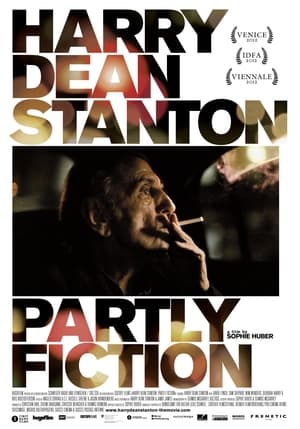
Harry Dean Stanton: Partly Fiction(en)
2013-09-11
An impressionistic portrait of the iconic actor Harry Dean Stanton comprised of intimate moments, film clips from some of his 250 films and his renditions of American folk songs.
71%
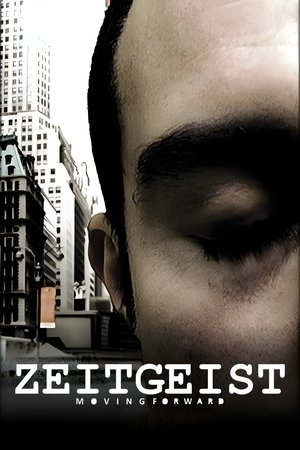
Zeitgeist: Moving Forward(en)
2011-01-15
A presentation of a case for a needed transition out of the current socioeconomic monetary paradigm which governs the entire world society. This subject matter will transcend the issues of cultural relativism and traditional ideology and move to relate the core, empirical 'life ground' attributes of human and social survival, extrapolating those immutable natural laws into a new sustainable social paradigm called a 'Resource-Based Economy'.
78%
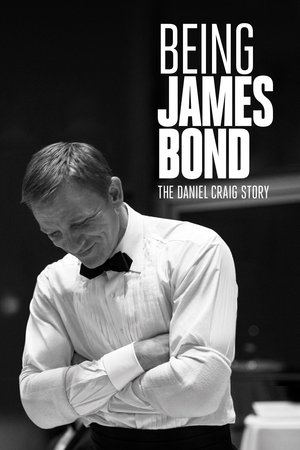
Being James Bond(en)
2021-08-29
Daniel Craig candidly reflects on his 15 year adventure as James Bond. Including never-before-seen archival footage from Casino Royale to the upcoming 25th film No Time To Die, Craig shares his personal memories in conversation with 007 producers, Michael G Wilson and Barbara Broccoli.
74%
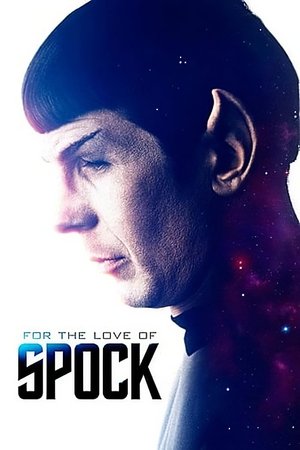
For the Love of Spock(en)
2016-09-09
The life of Mr. Spock, as well as that of Leonard Nimoy, the actor who played him for almost fifty years, written and directed by his son: Adam.

72%
To Be Takei(en)
2014-08-22
Over seven decades, actor and activist George Takei journeyed from a World War II internment camp to the helm of the Starship Enterprise, and then to the daily news feeds of five million Facebook fans. Join George and his husband, Brad, on a wacky and profound trek for life, liberty, and love.
73%
Powaqqatsi(en)
1988-04-29
An exploration of technologically developing nations and the effect the transition to Western-style modernization has had on them.

74%
I Am Heath Ledger(en)
2017-04-23
The life and career of an actor, artist, and icon. His own journey through his own camera.
85%
Human(fr)
2015-09-12
A collection of stories about and images of our world, offering an immersion to the core of what it means to be human. Through these stories full of love and happiness, as well as hatred and violence, it brings us face to face with the Other, making us reflect on our lives. From stories of everyday experiences to accounts of the most unbelievable lives, these poignant encounters share a rare sincerity and underline who we are – our darker side, but also what is most noble in us, and what is universal. Our Earth is shown at its most sublime through never-before-seen aerial images accompanied by soaring music, resulting in an ode to the beauty of the world, providing a moment to draw breath and for introspection. This film is a politically engaged work which allows us to embrace the human condition and to reflect on the meaning of our existence.
Similar Movies
0%
Shipbuilder(en)
1985-01-01
This film recreates the true story of Tom Sukanen, an eccentric Finnish immigrant who homesteaded in Saskatchewan in the 1920s and 1930s. Sukanen spent ten years building and moving overland a huge iron ship that was to carry him back to his native Finland. The ship never reached water.
63%
King Corn(en)
2007-10-12
King Corn is a fun and crusading journey into the digestive tract of our fast food nation where one ultra-industrial, pesticide-laden, heavily-subsidized commodity dominates the food pyramid from top to bottom – corn. Fueled by curiosity and a dash of naiveté, two college buddies return to their ancestral home of Greene, Iowa to figure out how a modest kernel conquered America. With the help of some real farmers, oodles of fertilizer and government aide, and some genetically modified seeds, the friends manage to grow one acre of corn. Along the way, they unlock the hilarious absurdities and scary but hidden truths about America’s modern food system in this engrossing and eye-opening documentary.
0%
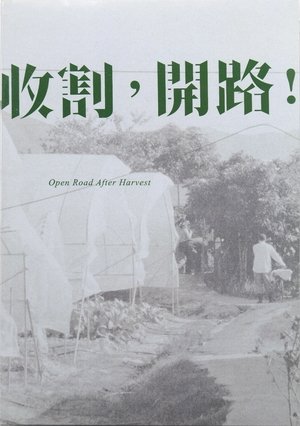
Open Road After Harvest(cn)
2015-01-19
In such a difficult situation in Hong Kong agriculture, to local farmers, before expecting a good harvest, they have to first overcome the problems caused by agricultural policy implementation, land policy and urban development in Hong Kong. This film is about three middle-aged local organic farmers and their farming stories: A peasant leader, who faces political infiltration in organization, decides to quit and focuses on his farming; a rural woman who fights against North East New Territories development plan and taking care of her sick husband at the same time, decides to combine family life with her home farming; a sixty years old truck driver who decides to have a career change, trying to live a fearless and free life as a farmer.
80%
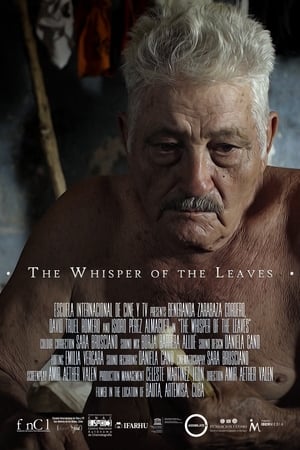
The Whisper of the Leaves(es)
2021-06-07
A poetic and contemplative journey of harmony between different forms of life that coexist on the earth. This film is a meditation on the effect of time, movement of the human spirit, and passage to new forms of life, through the eyes, ears, and bodies of three elderly land workers living in a small community in the outskirts of Bauta, Cuba.
66%
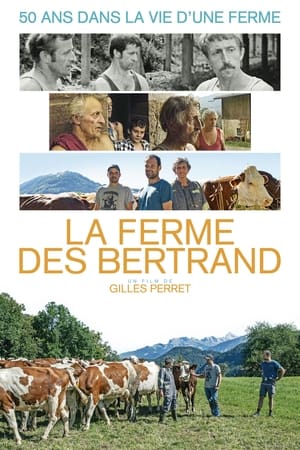
Bertrand's Farm(fr)
2024-01-31
1972 in Haute-Savoie (France) : the Bertrand's farm, with a hundred dairy cows owned by three bachelor brothers, is filmed for the first time. In 1997, they were the subject of Gilles Perret's first movie, as they let their farm to their nephew Patrick and his wife Hélène. Nowadays, 25 years later, Gilles Perret take another look at this farm, managed by Hélène who will step down. Through their words, an intimate, social and economic history of the rural world.
77%
But Beautiful(de)
2019-11-14
In his new film, Erwin Wagenhofer is looking for the good and beautiful in this world.
0%
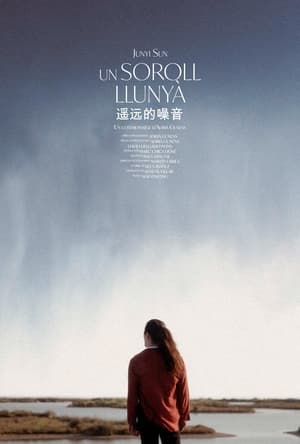
A Distant Noise(ca)
2023-03-30
During the rice sowing season, Jun, a young Catalan of Chinese origin, works as a seasonal worker in the Ebro Delta. This ancient labour will make him confront his own roots and the distance that separates him from his family.

0%
The Fields of Immokalee(en)
For decades, migrant workers have worked the fields of Immokalee, harvesting tomatoes, peppers, eggplants, oranges and other produce that is then shipped across the United States of America. Many of the workers are undocumented, and attempting to keep their jobs even as federal migration crackdowns hover over the town. The Fields of Immokalee film follows the daily lives of tomato workers, from the 5:00am trips to the parking lot in hopes of finding day labor, to work sessions in the scorching mid-day heat, to child detention centers for migrant youth that have been separated from their families. Via these vignettes, the film offers insight into the most volatile political issue of our time.
69%
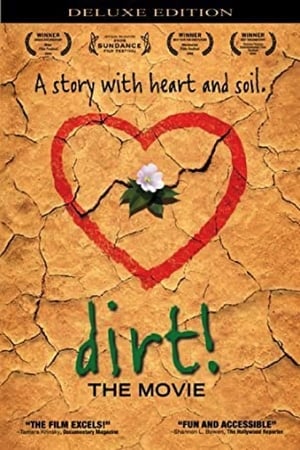
Dirt! The Movie(en)
2009-08-07
A look at man's relationship with Dirt. Dirt has given us food, shelter, fuel, medicine, ceramics, flowers, cosmetics and color --everything needed for our survival. For most of the last ten thousand years we humans understood our intimate bond with dirt and the rest of nature. We took care of the soils that took care of us. But, over time, we lost that connection. We turned dirt into something "dirty." In doing so, we transform the skin of the earth into a hellish and dangerous landscape for all life on earth. A millennial shift in consciousness about the environment offers a beacon of hope - and practical solutions.
0%
Sheep Dog(en)
1939-01-01
Tom Jones, a shepherd who lived in one of the Ystradfechan Cottages at Old Farm, Treorchy, was employed by the Ocean Coal Company who owned the land above ground and coal (the Park and the Dare Collieries) beneath. A farrier who lived in the adjoining cottage tended to all the Park and Dare pit ponies. Tom Jones was known world-wide as the “Wonder Shepherd” for his remarkable skills as an animal trainer which, together with his concern for his flock, are recorded here.
60%
Kong Rice(cn)
2016-09-11
The film tells the story of how Hong Kong rice farmers use their crops to pour time and strength into connecting Hong Kong people and their land. To stand up to the challenges Hong Kong nature offered, the farmers put effort into farming their own rice and spread their contribution in agriculture in order to enable Hongkongers to taste the rice from the very soil they stand on. The countless stories behind a bowl of local rice, which embeds the inseparable relationship between the land and its people, are told through this film.
10%
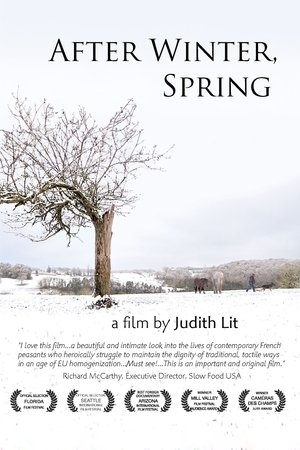
After Winter, Spring(fr)
2012-10-08
Family farmers in southwest France practice an ancestral way of life under threat in a world increasingly dominated by large-scale industrial agriculture.
0%
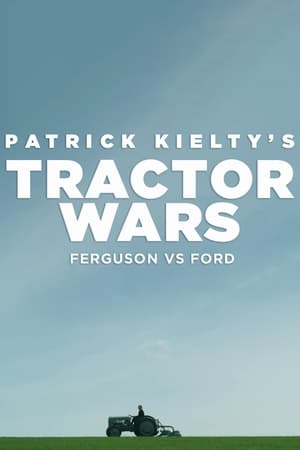
Tractor Wars: Ferguson vs Ford(en)
2022-09-06
Patrick Kielty explores the untold story of Harry Ferguson and Henry's Ford's remarkable handshake agreement and how it led to a $250 million lawsuit.
58%
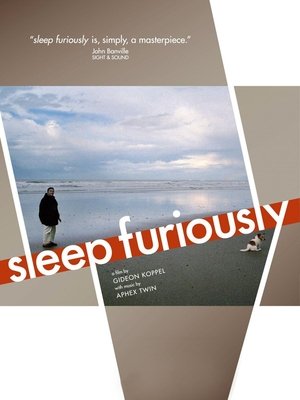
Sleep Furiously(en)
2008-08-15
Set in a small farming community in mid Wales, a place where Koppel's parents - both refugees - found a home. This is a landscape and population that is changing rapidly as small scale agriculture is disappearing and the generation who inhabited a pre-mechanised world is dying out. Much influenced by his conversations with the writer Peter Handke, the film maker leads us on a poetic and profound journey into a world of endings and beginnings; a world of stuffed owls, sheep and fire.
67%
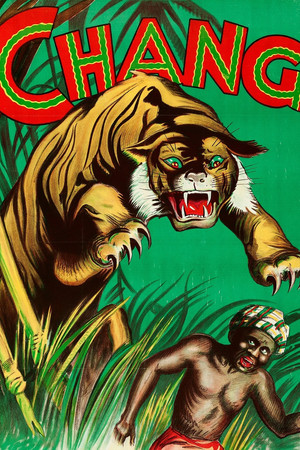
Chang: A Drama of the Wilderness(en)
1927-04-29
Elephants disrupt the lives of a family deep in the jungles of Northern Siam, and an entire village.
85%
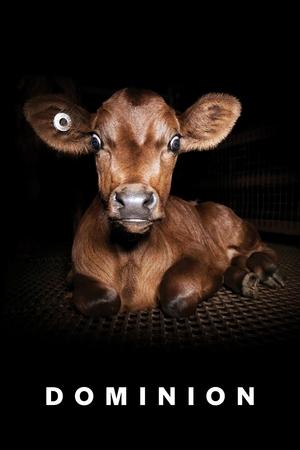
Dominion(en)
2018-03-29
Exposing the dark underbelly of modern animal agriculture through drones, hidden & handheld cameras, the feature-length film explores the morality and validity of our dominion over the animal kingdom.