
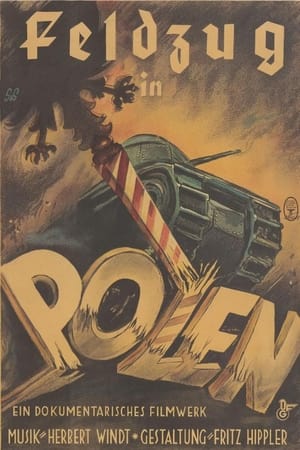
Campaign in Poland(1940)
The first blitzkrieg, Hitler's invasion of Poland, is traced in this original Nazi propaganda film from 1940.
Movie: Campaign in Poland
Top 1 Billed Cast
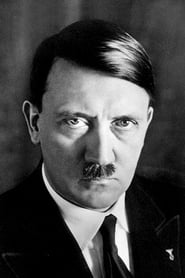
Self (uncredited)
HomePage
Overview
The first blitzkrieg, Hitler's invasion of Poland, is traced in this original Nazi propaganda film from 1940.
Release Date
1940-01-02
Average
5.5
Rating:
2.8 startsTagline
Genres
Languages:
DeutschKeywords
Recommendations Movies
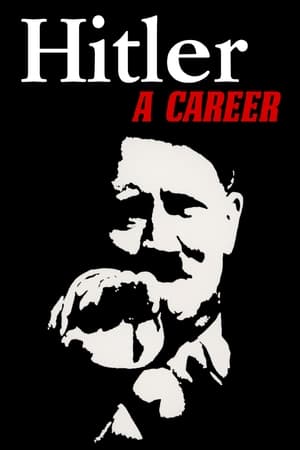
Hitler: A Career(de)
A keen chronicle of the unlikely rise to power of Adolf Hitler (1889-1945) and a dissection of the Third Reich (1933-1945), but also an analysis of mass psychology and how the desperate crowd can be deceived and shepherded to the slaughterhouse.

The Battle of San Pietro(en)
This documentary movie is about the battle of San Pietro, a small village in Italy. Over 1,100 US soldiers were killed while trying to take this location, that blocked the way for the Allied forces from the Germans. Preserved by the Academy Film Archive in 2005.
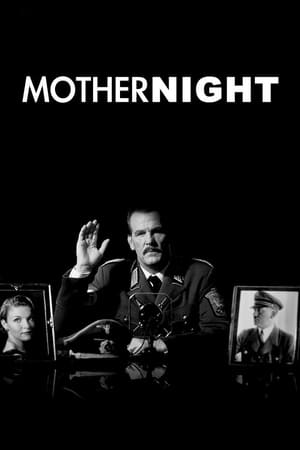
Mother Night(en)
An American spy behind the lines during WWII serves as a Nazi propagandist, a role he cannot escape in his future life as he can never reveal his real role in the war.
The War on Democracy(en)
Set both in Latin America and the United States, the film explores the historic and current relationship of Washington with countries such as Venezuela, Bolivia and Chile. Pilger says that the film "...tells a universal story... analysing and revealing, through vivid testimony, the story of great power behind its venerable myths. It allows us to understand the true nature of the so-called "war on terror". According to Pilger, the film’s message is that the greed and power of empire is not invincible and that people power is always the "seed beneath the snow".
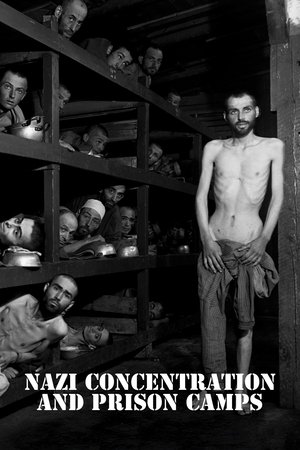
Nazi Concentration Camps(en)
Produced and presented as evidence at the Nuremberg war crimes trial of Hermann Göring and twenty other Nazi leaders, this film consists primarily of dead and surviving prisoners and of facilities used to kill and torture during the World War II.

Night Will Fall(en)
When Allied forces liberated the Nazi concentration camps in 1944-45, their terrible discoveries were recorded by army and newsreel cameramen, revealing for the first time the full horror of what had happened. Making use of British, Soviet and American footage, the Ministry of Information’s Sidney Bernstein (later founder of Granada Television) aimed to create a documentary that would provide lasting, undeniable evidence of the Nazis’ unspeakable crimes. He commissioned a wealth of British talent, including editor Stewart McAllister, writer and future cabinet minister Richard Crossman – and, as treatment advisor, his friend Alfred Hitchcock. Yet, despite initial support from the British and US Governments, the film was shelved, and only now, 70 years on, has it been restored and completed by Imperial War Museums under its original title "German Concentration Camps Factual Survey".
Making Waves: The Art of Cinematic Sound(en)
The history of cinematic sound, told by legendary sound designers and visionary filmmakers.
The Untold History Of The United States(en)
Oliver Stone charts the history of the United States from the Second World War to the present.
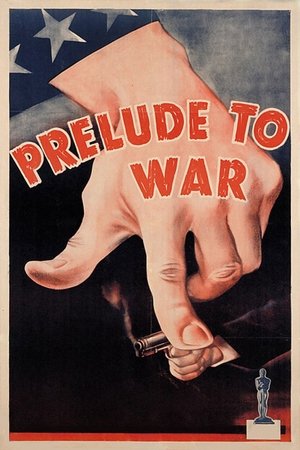
Why We Fight: Prelude to War(en)
Prelude to War was the first film of Frank Capra's Why We Fight propaganda film series, commissioned by the Pentagon and George C. Marshall. It was made to convince American troops of the necessity of combating the Axis Powers during World War II. This film examines the differences between democratic and fascist states.

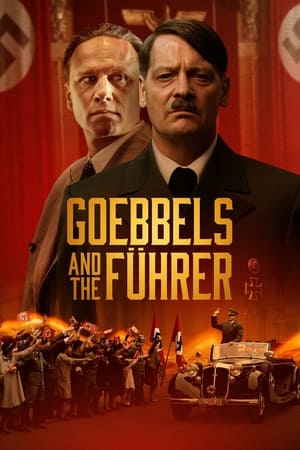
Goebbels and the Führer(de)
As Minister of Propaganda, Joseph Goebbels creates films and pictures used to prepare the Germans for Total War and the Holocaust. When the war is lost, he conceives his last staging, the most radical propaganda act still possible to him.
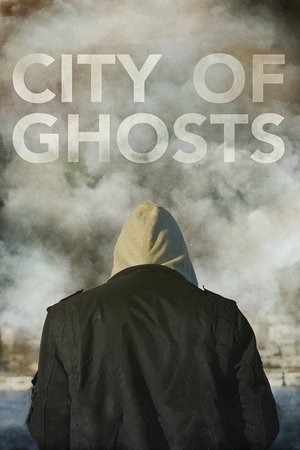
City of Ghosts(en)
With unprecedented access, this documentary follows the extraordinary journey of “Raqqa is Being Slaughtered Silently”—a group of anonymous citizen journalists who banded together after their homeland was overtaken by ISIS—as they risk their lives to stand up against one of the greatest evils in the world today.
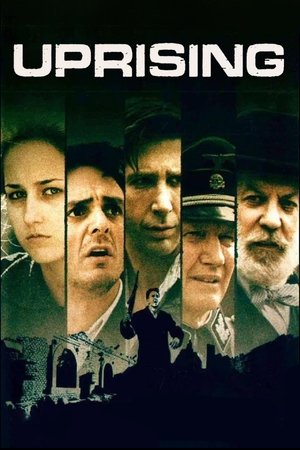
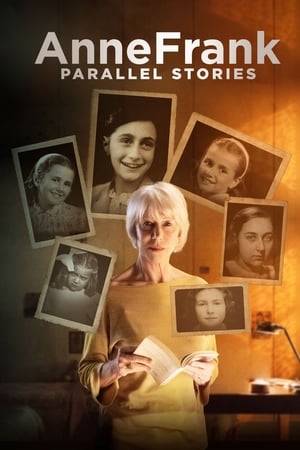
#AnneFrank. Parallel Stories(en)
One single Anne Frank moves us more than the countless others who suffered just as she did but whose faces have remained in the shadows-Primo Levi. The Oscar®-winning Helen Mirren will introduce audiences to Anne Frank's story through the words in her diary. The set will be her room in the secret refuge in Amsterdam, reconstructed in every detail by set designers from the Piccolo Theatre in Milan. Anne Frank this year would have been 90 years old. Anne's story is intertwined with that of five Holocaust survivors, teenage girls just like her, with the same ideals, the same desire to live: Arianna Szörenyi, Sarah Lichtsztejn-Montard, Helga Weiss and sisters Andra and Tatiana Bucci. Their testimonies alternate with those of their children and grandchildren.
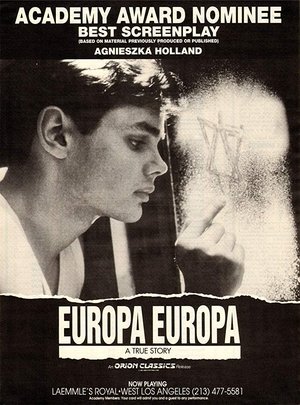
Europa Europa(de)
A Jewish boy separated from his family in the early days of WWII poses as a German orphan and is taken into the heart of the Nazi world as a 'war hero' and eventually becomes a Hitler Youth.
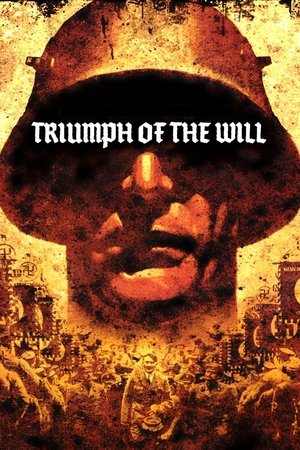
Triumph of the Will(de)
A showcase of German chancellor and Nazi Party leader Adolf Hitler at the 1934 Nuremberg Rally.
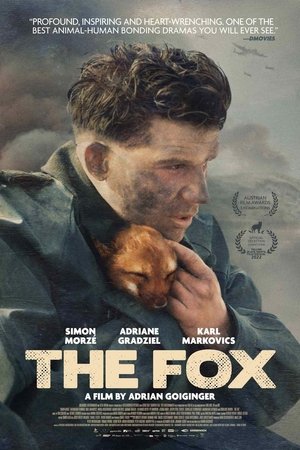
The Fox(de)
At the dawn of World War II, a young motorcycle courier in the Austrian army encounters a wounded fox cub and takes it with him to occupied France. The soldier and the fox develop an unlikely bond. Based on the true story of Franz Streitberger, director Adrian Goiginger’s great-grandfather.
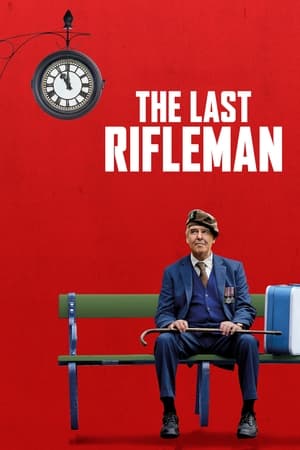
The Last Rifleman(en)
A WWII veteran escapes his care home in Northern Ireland and embarks on an arduous but inspirational journey to France to attend the 75th anniversary of the D-Day landings, finding the courage to face the ghosts of his past.
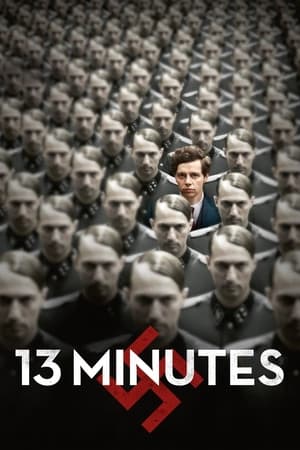
13 Minutes(de)
The breathtaking story of a man who nearly would have changed the world. In 1939, when Hitler tricked millions of people at the height of his power, radical Georg Elser — disparaged as an assassin — is one of the greatest resistance fighters.
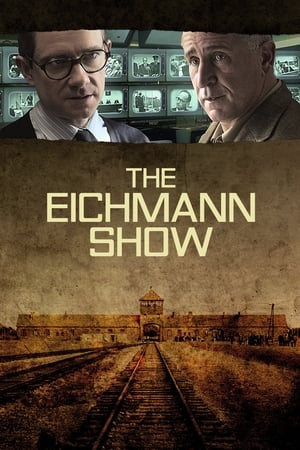
The Eichmann Show(en)
The behind-the-scenes true life story of a groundbreaking producer, Milton Fruchtman, and blacklisted TV director Leo Hurwitz who, overcoming enormous obstacles, set out to capture the testimony of one of the war's most notorious Nazis, Adolf Eichmann, who is accused of executing the 'final solution' and organising the murder of 6 million Jews. This is the extraordinary story of how the trial came to be televised and the team that made it happen.
Similar Movies
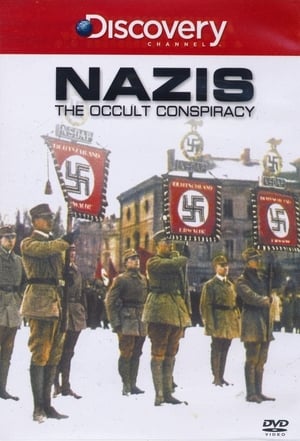
Nazis: The Occult Conspiracy(en)
This documentary examines how Adolf Hitler and the Nazi regime made use of ancient mysticism, occultism, and mind-control techniques in their efforts to win the war.
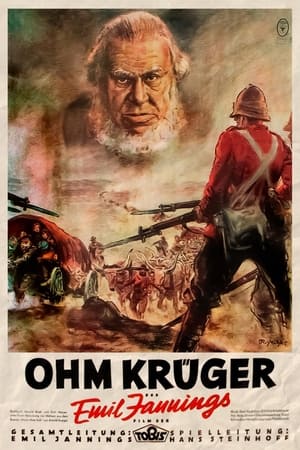
Uncle Krüger(de)
An anti-British propaganda film from Nazi Germany which depicts the life of the South African politician Paul Kruger and his eventual defeat by the British during the Boer War.
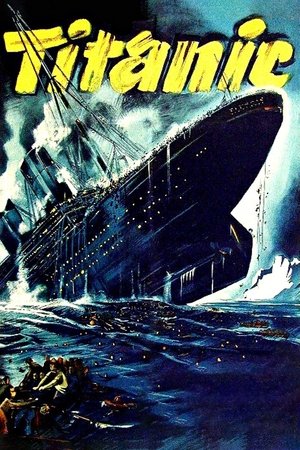
Titanic(de)
In 1912, the Titanic embarks on its inevitable collision course with history. In the wake of the over-spending required to build the largest luxury ship in the world, White Star Line executive Sir Bruce Ismay schemes to reverse the direction of his company's plummeting stock value. Onboard the Titanic, brave German 1st Officer Petersen struggles to convince his self-important British superiors not to overexert the ship's engines.
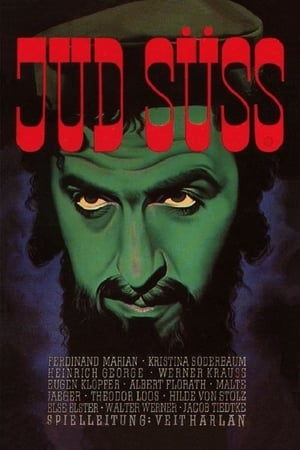
Süss, the Jew(de)
Nazi historical drama about Duke Karl Alexander of Württemberg and his treasurer Süß Oppenheimer.
The betrayal of Hilversum(nl)
Documentary about the role of public broadcasting during the German occupation during the Second World War. A number of public broadcasters adopted a cooperative approach, allowing them to be used as a propaganda apparatus for the Nazis. An attitude with very far-reaching consequences.
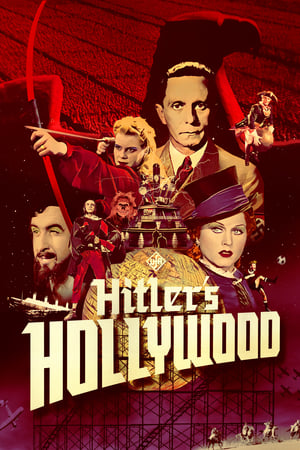
Hitler's Hollywood(de)
Film journalist and critic Rüdiger Suchsland examines German cinema from 1933, when the Nazis came into power, until 1945, when the Third Reich collapsed. (A sequel to From Caligari to Hitler, 2015.)
The Nazi Jesus(en)
While Nazi ideology dominated Europe, Adolf Hitler used all dogmas to his advantage and fed the cult of his personality. How did the Führer manage to transform the Bible, the Church and the symbols of Christianity into instruments of power, winning the support of the Germans? This documentary traces the rise of a little-known theological organization: the “German Christians”, which became the most powerful propaganda tool of the Third Reich.
Hitler: A Career(de)
A keen chronicle of the unlikely rise to power of Adolf Hitler (1889-1945) and a dissection of the Third Reich (1933-1945), but also an analysis of mass psychology and how the desperate crowd can be deceived and shepherded to the slaughterhouse.
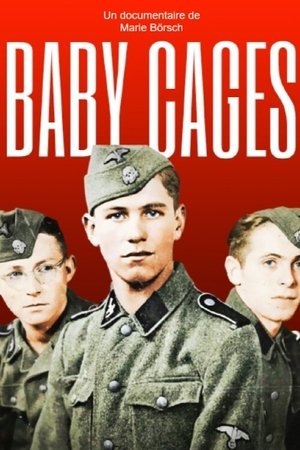
Baby Cages(fr)
After WWII had ended, it was realized by the American Allies that there were children whom Hitler trained to be soldiers between the ages of 9-17. They were the "Hitler Youth". As the adult German soldiers were taken as prisoners of war, so were the children. These boys were taken to France and reeducated by being taught democracy and treated better than the adult POWs. This story recounted by a former "baby cage" prisoner at the age of 92.
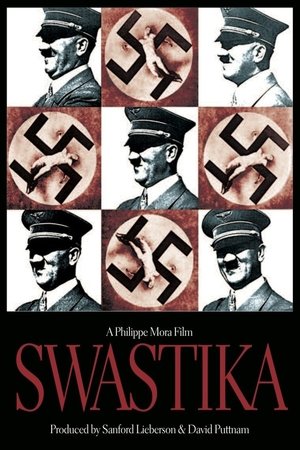
Swastika(en)
Comprised of video shot during the Nazi regime, including propaganda, newsreels, broadcasts and even some of Eva Braun's colorized personal home movies, we explore the way in which the Third Reich infiltrated the lives of the German population, from 1933 to 1945.
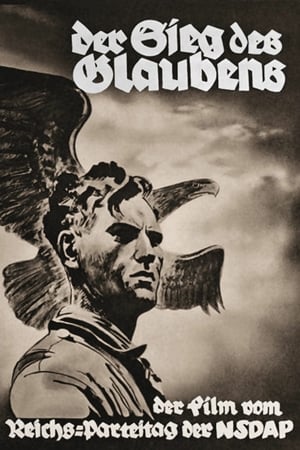
The Victory of Faith(de)
Follows the Fifth Nazi Party Rally (Nuremberg, 30 August–3 September 1933) and shows the then close relationship between Adolf Hitler and Ernest Rõhm.
Goebbels and the Führer(de)
As Minister of Propaganda, Joseph Goebbels creates films and pictures used to prepare the Germans for Total War and the Holocaust. When the war is lost, he conceives his last staging, the most radical propaganda act still possible to him.
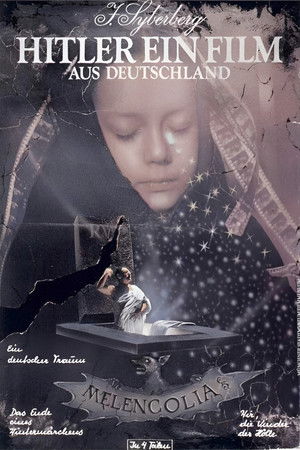
Hitler: A Film from Germany(de)
A structure-free, four-part examination of the rise and fall of the Third Reich. Each part explores a different topic, from Hitler's cult of personality in propaganda to how said propaganda was associated with pre-Nazi German cultural, spiritual, and national heritage to the Holocaust and the ideology behind it, particularly from Himmler's point of view.
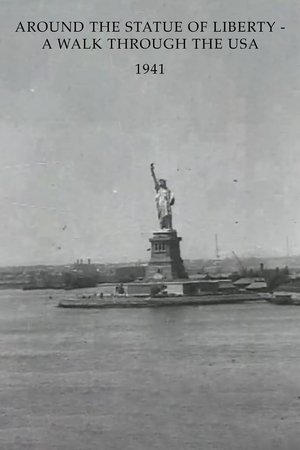
Around the Statue of Liberty - A Walk Through the USA(de)
Nazi propaganda film “exposes” the United States and its plans against Germany and the German people. Shows so-called signs of decay, gang-wars, slums, riots of blacks, etc. Small wonder, the comment is, that the Statue of Liberty turns it back on America.
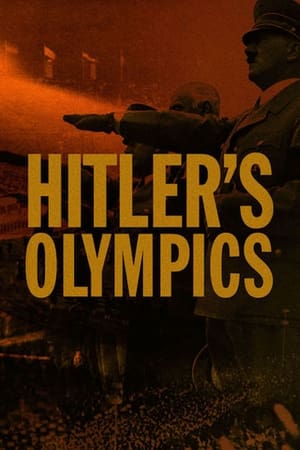
Hitler's Olympics(en)
Hitler, Nazi propaganda and 1936 Berlin Olympics are put under the microscope to uncover hidden truths and the historical legacy of those games.
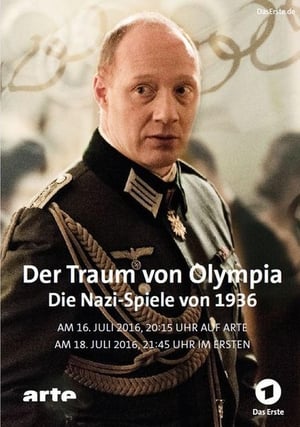
The Olympic Dream: 1936 Nazi Games(de)
Leni Riefenstahl's flamboyant Nazi aesthetics shaped the public image of the 1936 Olympics. Never before had sports and politics been mixed. Through archive photos and reconstructions, we get a closer look into the historical propaganda show.