Loading Page

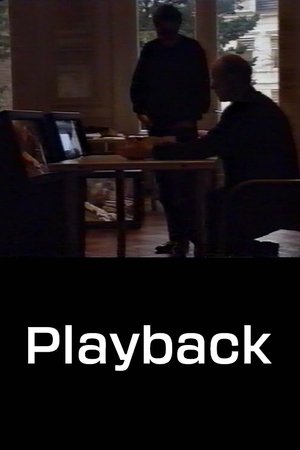
Playback(1995)
Status: Released
Date: 1995-01-01
0%
0 Votes
Time: 1h 20m
Overview:
The film documents a debate about early 20th century films, mainly 1910 to 1920, from short news reels to excerpts from full-length movies. At Amsterdam's Film Museum, film directors, students, and film researchers and archivists look at the moving images and discuss their meaning, in the social and technical contexts. Moody live music was added to the edited film.
Languages: German.
Countries:
Netherlands
Movie: Playback
Loading Photos
Photo Type :Total items
Recommendations Movies
75%
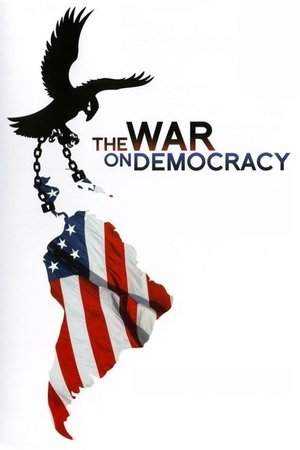
The War on Democracy(en)
2007-06-15
Set both in Latin America and the United States, the film explores the historic and current relationship of Washington with countries such as Venezuela, Bolivia and Chile. Pilger says that the film "...tells a universal story... analysing and revealing, through vivid testimony, the story of great power behind its venerable myths. It allows us to understand the true nature of the so-called "war on terror". According to Pilger, the film’s message is that the greed and power of empire is not invincible and that people power is always the "seed beneath the snow".
68%
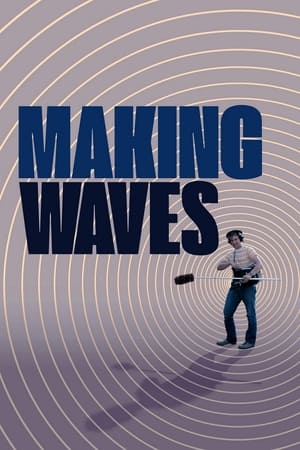
Making Waves: The Art of Cinematic Sound(en)
2019-10-25
The history of cinematic sound, told by legendary sound designers and visionary filmmakers.
70%
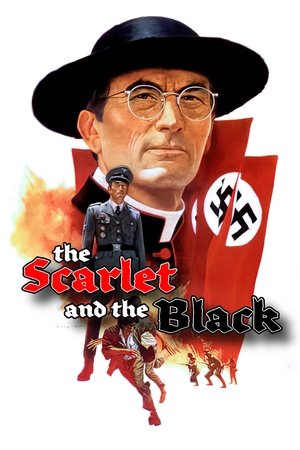
The Scarlet and the Black(en)
1983-02-02
Fr. Hugh O'Flaherty is a Vatican official in 1943-45 who has been hiding downed pilots, escaped prisoners of war, and Italian resistance families. His activities become so large that the Nazis decide to assassinate him the next time he leaves the Vatican.

70%
Visions of Light(en)
1992-09-17
Cameramen and women discuss the craft and art of cinematography and of the "DP" (the director of photography), illustrating their points with clips from 100 films, from Birth of a Nation to Do the Right Thing. Themes: the DP tells people where to look; changes in movies (the arrival of sound, color, and wide screens) required creative responses from DPs; and, these artisans constantly invent new equipment and try new things, with wonderful results. The narration takes us through the identifiable studio styles of the 30s, the emergence of noir, the New York look, and the impact of Europeans. Citizen Kane, The Conformist, and Gordon Willis get special attention.
64%
Why We Fight: Prelude to War(en)
1942-05-27
Prelude to War was the first film of Frank Capra's Why We Fight propaganda film series, commissioned by the Pentagon and George C. Marshall. It was made to convince American troops of the necessity of combating the Axis Powers during World War II. This film examines the differences between democratic and fascist states.
78%
They Shall Not Grow Old(en)
2018-11-09
A documentary about World War I with never-before-seen footage to commemorate the centennial of Armistice Day, and the end of the war.
70%
The Cutting Edge: The Magic of Movie Editing(en)
2004-10-12
Documentary about the art of film editing. Clips are shown from many groundbreaking films with innovative editing styles.
72%
City of Ghosts(en)
2017-07-14
With unprecedented access, this documentary follows the extraordinary journey of “Raqqa is Being Slaughtered Silently”—a group of anonymous citizen journalists who banded together after their homeland was overtaken by ISIS—as they risk their lives to stand up against one of the greatest evils in the world today.
78%
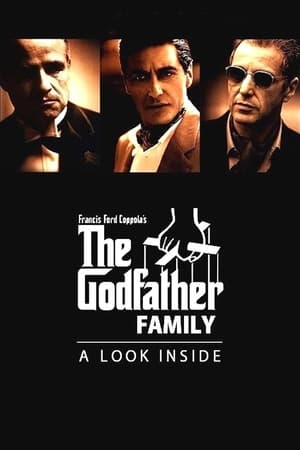
The Godfather Family: A Look Inside(en)
1990-07-12
A documentary on the making of the three Godfather films, with interviews and recollections from the film makers and cast. This feature also includes the original screen tests of some of the actors for "The Godfather" film, and some candid moments on the set of "The Godfather: Part III."
77%
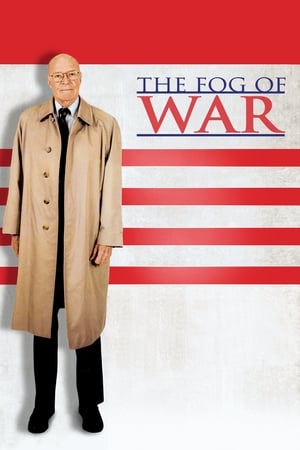
The Fog of War(en)
2003-10-26
Using archival footage, cabinet conversation recordings, and an interview of the 85-year-old Robert McNamara, The Fog of War depicts his life, from working as a WWII whiz-kid military officer, to being the Ford Motor Company's president, to managing the Vietnam War as defense secretary for presidents Kennedy and Johnson.
69%
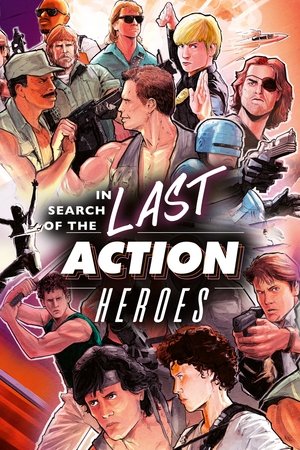
In Search of the Last Action Heroes(en)
2019-09-01
The most comprehensive retrospective of the '80s action film genre ever made.
61%
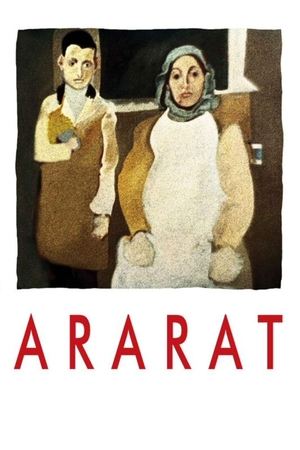
Ararat(en)
2002-05-20
Interrogated by a customs officer, a young man recounts how his life was changed during the making of a film about the Armenian genocide.
72%
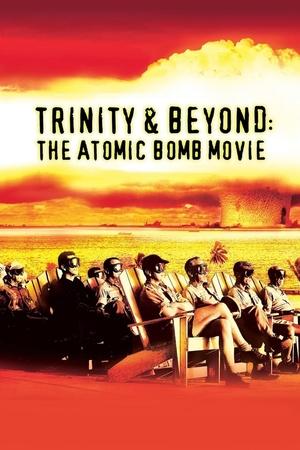
Trinity and Beyond: The Atomic Bomb Movie(en)
1995-09-29
"Trinity and Beyond" is an unsettling yet visually fascinating documentary presenting the history of nuclear weapons development and testing between 1945-1963. Narrated by William Shatner and featuring an original score performed by the Moscow Symphony Orchestra, this award-winning documentary reveals previously unreleased and classified government footage from several countries.
72%
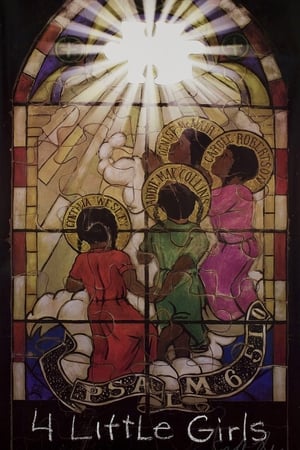
4 Little Girls(en)
1997-07-09
On September 15, 1963, a bomb destroyed a black church in Birmingham, Alabama, killing four young girls who were there for Sunday school. It was a crime that shocked the nation--and a defining moment in the history of the civil-rights movement. Spike Lee re-examines the full story of the bombing, including a revealing interview with former Alabama Governor George Wallace.
70%
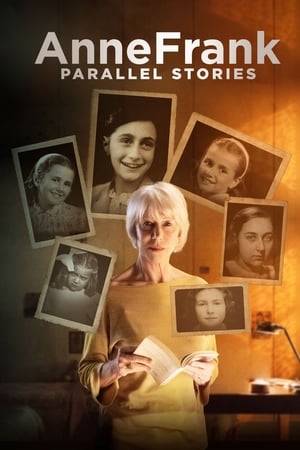
#AnneFrank. Parallel Stories(en)
2019-10-18
One single Anne Frank moves us more than the countless others who suffered just as she did but whose faces have remained in the shadows-Primo Levi. The Oscar®-winning Helen Mirren will introduce audiences to Anne Frank's story through the words in her diary. The set will be her room in the secret refuge in Amsterdam, reconstructed in every detail by set designers from the Piccolo Theatre in Milan. Anne Frank this year would have been 90 years old. Anne's story is intertwined with that of five Holocaust survivors, teenage girls just like her, with the same ideals, the same desire to live: Arianna Szörenyi, Sarah Lichtsztejn-Montard, Helga Weiss and sisters Andra and Tatiana Bucci. Their testimonies alternate with those of their children and grandchildren.
66%
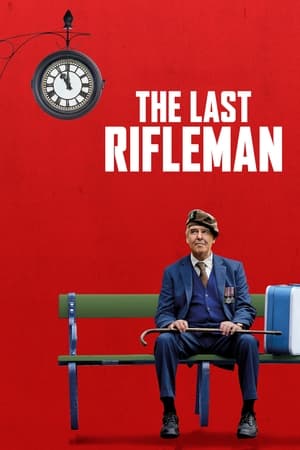
The Last Rifleman(en)
2023-12-07
A WWII veteran escapes his care home in Northern Ireland and embarks on an arduous but inspirational journey to France to attend the 75th anniversary of the D-Day landings, finding the courage to face the ghosts of his past.
79%
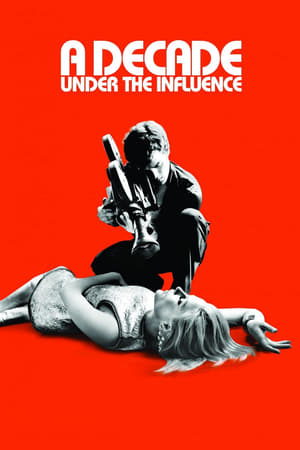
A Decade Under the Influence(en)
2003-04-25
A documentary examining the decade of the 1970s as a turning point in American cinema. Some of today's best filmmakers interview the influential directors of that time.

61%
The Battle of San Pietro(en)
1945-05-03
This documentary movie is about the battle of San Pietro, a small village in Italy. Over 1,100 US soldiers were killed while trying to take this location, that blocked the way for the Allied forces from the Germans. Preserved by the Academy Film Archive in 2005.
82%
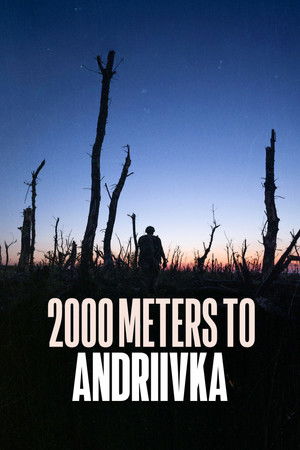
2000 Meters to Andriivka(en)
2025-07-23
Amid the failing counteroffensive, a journalist follows a Ukrainian platoon on their mission to traverse one mile of heavily fortified forest and liberate a strategic village from Russian occupation. But the farther they advance through their destroyed homeland, the more they realize that this war may never end.
66%
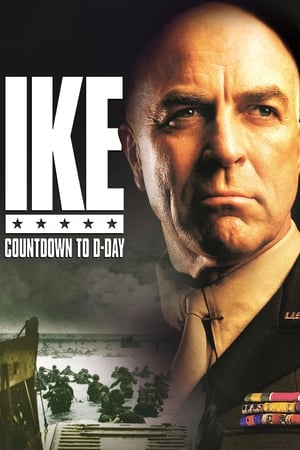
Ike: Countdown to D-Day(en)
2004-05-31
The story of the senior-level preparations for the D-Day invasion on June 6, 1944 from the time of Dwight D. Eisenhower's appointment as the Supreme Allied Commander in Europe, to the establishment of the beachhead in Normandy.