Loading Page
200,000 Phantoms(2007)
Status: Released
Date: 2007-07-11
74%
11 Votes
Time: 0h 11m
Overview:
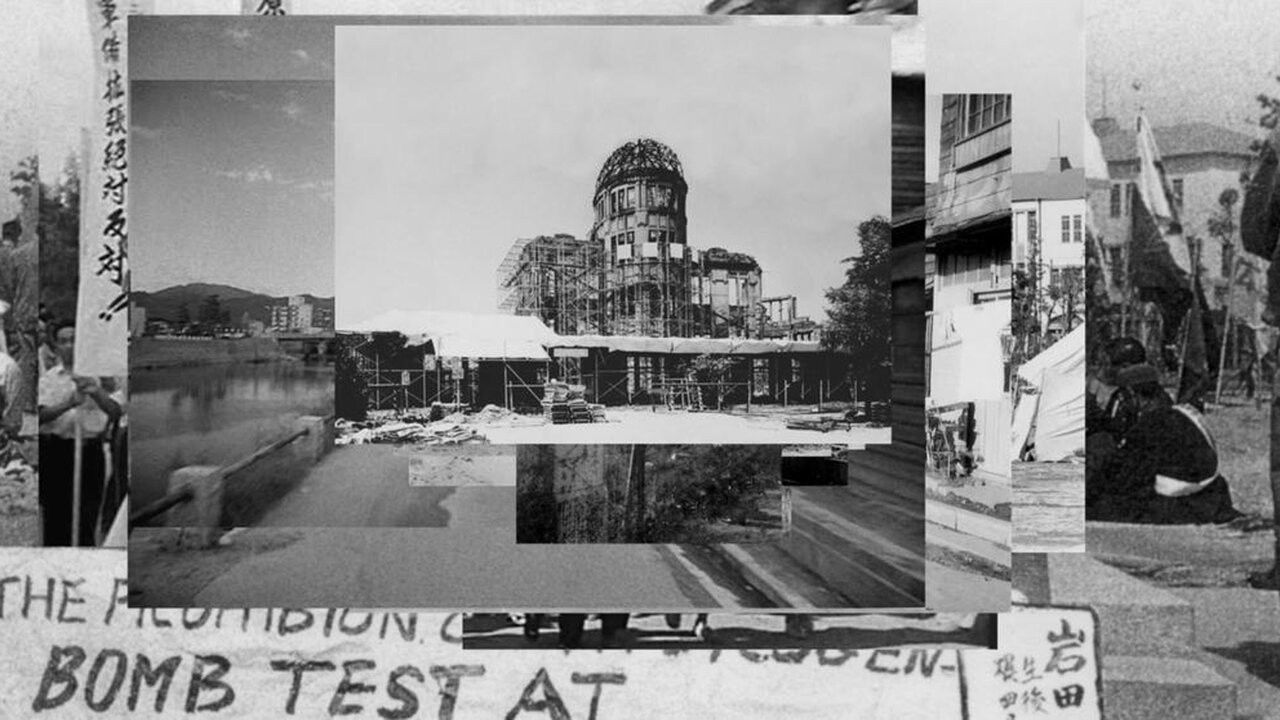
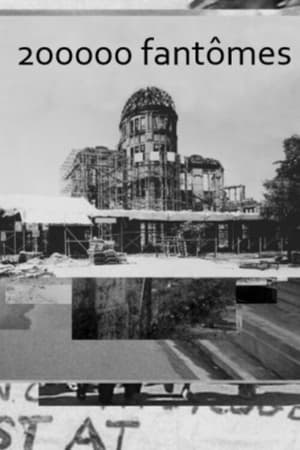
In 1914, the Czech architect Jan Letzel designed in the Japanese city of Hiroshima Center for the World Expo, which has turned into ruins after the atomic bombing in August 1945. “Atomic Dome” – all that remains of the destroyed palace of the exhibition – has become part of the Hiroshima memorial. In 2007, French sculptor, painter and film director Jean-Gabriel Périot assembled this cinematic collage from hundreds of multi-format, color and black and white photographs of different years’ of “Genbaku Dome”.
Languages: French.
Countries:
France
ProductionCompanies:
Jean-Gabriel Périot
Movie: 200,000 Phantoms
Video Trailer 200,000 Phantoms
All 1 videos

200 000 Fantoms - Featurette
Recommendations Movies
71%
Hiroshima(en)
2005-08-06
The documentary recounts the world's first nuclear attack and examines the alarming repercussions. Covering a three-week period from the Trinity test to the atomic bombing of Hiroshima, the program chronicles America's political gamble and the planning for the momentous event. Archival film, dramatizations, and special effects feature what occurred aboard the Enola Gay (the aircraft that dropped the bomb) and inside the exploding bomb.
83%
Night and Fog(fr)
1956-01-29
Filmmaker Alain Resnais documents the atrocities behind the walls of Hitler's concentration camps.
61%
Emperor(en)
2012-09-14
As the Japanese surrender at the end of WWII, Gen. Fellers is tasked with deciding if Emperor Hirohito will be hanged as a war criminal. Influencing his ruling is his quest to find Aya, an exchange student he met years earlier in the U.S.
78%
The Bridge on the River Kwai(en)
1957-10-11
The classic story of English POWs in Burma forced to build a bridge to aid the war effort of their Japanese captors. British and American intelligence officers conspire to blow up the structure, but Col. Nicholson, the commander who supervised the bridge's construction, has acquired a sense of pride in his creation and tries to foil their plans.

62%
Einstein and the Bomb(en)
2024-02-16
What happened after Einstein fled Nazi Germany? Using archival footage and his own words, this docudrama dives into the mind of a tortured genius.

69%
Flags of Our Fathers(en)
2006-10-19
There were five Marines and one Navy Corpsman photographed raising the U.S. flag on Mt. Suribachi by Joe Rosenthal on February 23, 1945. This is the story of three of the six surviving servicemen - John 'Doc' Bradley, Pvt. Rene Gagnon and Pvt. Ira Hayes - who fought in the battle to take Iwo Jima from the Japanese.

70%
The Cutting Edge: The Magic of Movie Editing(en)
2004-10-12
Documentary about the art of film editing. Clips are shown from many groundbreaking films with innovative editing styles.
70%
Visions of Light(en)
1992-09-17
Cameramen and women discuss the craft and art of cinematography and of the "DP" (the director of photography), illustrating their points with clips from 100 films, from Birth of a Nation to Do the Right Thing. Themes: the DP tells people where to look; changes in movies (the arrival of sound, color, and wide screens) required creative responses from DPs; and, these artisans constantly invent new equipment and try new things, with wonderful results. The narration takes us through the identifiable studio styles of the 30s, the emergence of noir, the New York look, and the impact of Europeans. Citizen Kane, The Conformist, and Gordon Willis get special attention.
82%
For Sama(en)
2019-07-26
A love letter from a young mother to her daughter, the film tells the story of Waad al-Kateab’s life through five years of the uprising in Aleppo, Syria as she falls in love, gets married and gives birth to Sama, all while cataclysmic conflict rises around her. Her camera captures incredible stories of loss, laughter and survival as Waad wrestles with an impossible choice– whether or not to flee the city to protect her daughter’s life, when leaving means abandoning the struggle for freedom for which she has already sacrificed so much.

77%
Hiroshima Mon Amour(fr)
1959-06-10
The deep conversation between a Japanese architect and a French actress forms the basis of this celebrated French film, considered one of the vanguard productions of the French New Wave. Set in Hiroshima after the end of World War II, the couple -- lovers turned friends -- recount, over many hours, previous romances and life experiences. The two intertwine their stories about the past with pondering the devastation wrought by the atomic bomb dropped on the city.
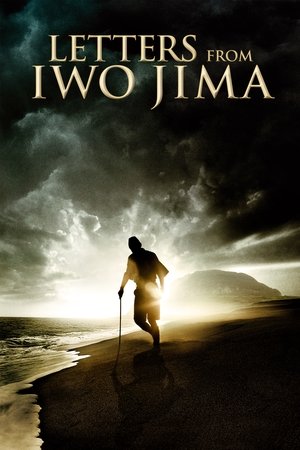
75%
Letters from Iwo Jima(en)
2006-12-09
The story of the battle of Iwo Jima between the United States and Imperial Japan during World War II, as told from the perspective of the Japanese who fought it.
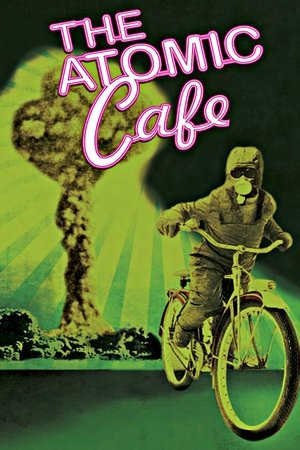
73%
The Atomic Cafe(en)
1982-03-17
A disturbing collection of 1940s and 1950s United States government-issued propaganda films designed to reassure Americans that the atomic bomb was not a threat to their safety.
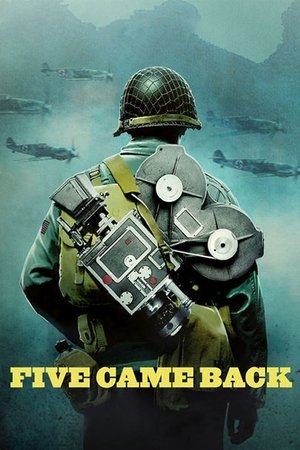
79%
Five Came Back(en)
2017-03-31
The extraordinary story of how Hollywood changed World War II – and how World War II changed Hollywood, through the interwoven experiences of five legendary filmmakers who went to war to serve their country and bring the truth to the American people: John Ford, William Wyler, John Huston, Frank Capra, and George Stevens. Based on Mark Harris’ best-selling book, “Five Came Back: A Story of Hollywood and the Second World War.”
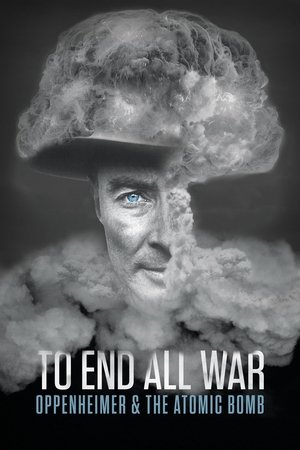
77%
To End All War: Oppenheimer & the Atomic Bomb(en)
2023-07-09
Explore how one man's relentless drive and invention of the atomic bomb changed the nature of war forever, led to the deaths of hundreds of thousands of people and unleashed mass hysteria.
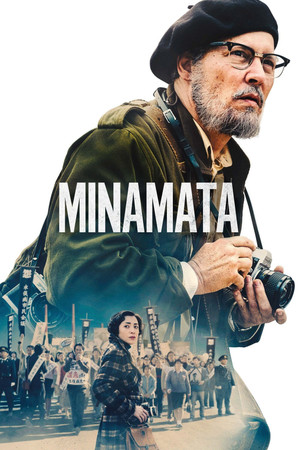
70%
Minamata(en)
2020-03-13
War photographer W. Eugene Smith travels back to Japan where he documents the devastating effect of mercury poisoning in coastal communities.
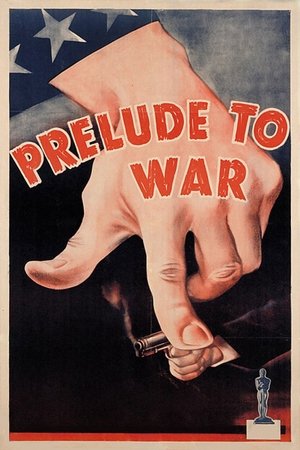
64%
Why We Fight: Prelude to War(en)
1942-05-27
Prelude to War was the first film of Frank Capra's Why We Fight propaganda film series, commissioned by the Pentagon and George C. Marshall. It was made to convince American troops of the necessity of combating the Axis Powers during World War II. This film examines the differences between democratic and fascist states.
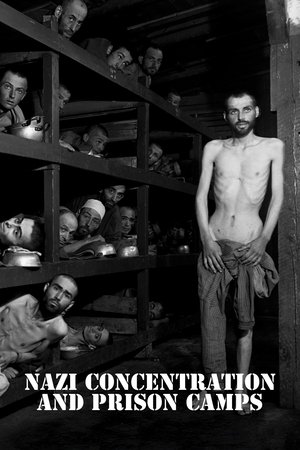
77%
Nazi Concentration Camps(en)
1945-11-29
Produced and presented as evidence at the Nuremberg war crimes trial of Hermann Göring and twenty other Nazi leaders, this film consists primarily of dead and surviving prisoners and of facilities used to kill and torture during the World War II.
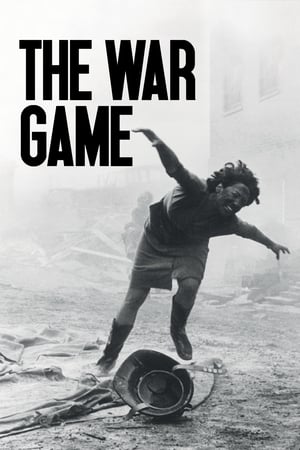
77%
The War Game(en)
1966-04-13
A docudrama depicting a hypothetical nuclear attack on Britain. After backing the film's development, the BBC refused to air it, publicly stating "the effect of the film has been judged by the BBC to be too horrifying for the medium of broadcasting." It debuted in theaters in 1966 and went on to great acclaim, but remained unseen on British television until 1985.
82%
Shoah(fr)
1985-04-21
Director Claude Lanzmann spent 11 years on this sprawling documentary about the Holocaust, conducting his own interviews and refusing to use a single frame of archival footage. Dividing Holocaust witnesses into three categories – survivors, bystanders, and perpetrators – Lanzmann presents testimonies from survivors of the Chelmno concentration camp, an Auschwitz escapee, and witnesses of the Warsaw Ghetto Uprising, as well as a chilling report of gas chambers from an SS officer at Treblinka.
67%
Manhatta(en)
1921-01-01
Morning reveals New York harbor, the wharves, the Brooklyn Bridge. A ferry boat docks, disgorging its huddled mass. People move briskly along Wall St. or stroll more languorously through a cemetery. Ranks of skyscrapers extrude columns of smoke and steam. In plain view. Or framed, as through a balustrade. A crane promotes the city's upward progress, as an ironworker balances on a high beam. A locomotive in a railway yard prepares to depart, while an arriving ocean liner jostles with attentive tugboats. Fading sunlight is reflected in the waters of the harbor. The imagery is interspersed with quotations from Walt Whitman, who is left unnamed.
Similar Movies
62%
Babi Yar. Context(ru)
2021-11-04
Nazi troops massacre 30,000 Jews over a three-day period in September 1941. Babyn Yar ravine in Kyiv, Ukraine.
70%
Challenging Churchill(de)
2012-07-03
Churchill, a name typically associated with braveness and altruism. Recently found evidence from Soviet and British sources however brings up questions about Churchill's doings in the conferences of Tehran, Yalta and Potsdam. Why did he agree to give Stalin large parts of Poland? The story of two world leaders in times of war - it is also the story of Poland.

85%
Don't Cry, Nanking(zh)
1995-09-14
In December 1937, during the Second Japanese-Sino War, a Chinese doctor, his Japanese pregnant wife, their teenage daughter and their young son travel from Shanghai to Nanjing seeking shelter in the Capital during the Japanese invasion. The family faces the Rape of Nanking by the Imperial Japanese Army, with rapes, mass murder of prisoners of war and civilians including women, children and elders, and disrespect of international conventions.
0%
The Unknown Woman(fi)
2011-02-04
The Unknown Woman is a documentary film scripted and directed by Elina Kivihalme. It depicts the reality of Finnish agriculture and forestry during the war years, when the home front relied entirely upon the work and endurance of the women. All farm work, caring for the children, woodcutting and other forestry operations were undertaken by the civilians, as the men in their prime were on the front.
39%
Sokolovo(cs)
1975-05-09
The plot begins in the Soviet Union showing first efforts to establish the Czechoslovak legion in 1942. The film also shows the assassination of Heydrich and the subsequent annihilation of Lidice. The main topis of the film is battles with German troops for Sokolovo.

80%
Thomas Schütte - Ich bin nicht allein(de)
2023-06-29
Thomas Schütte's work is always about people. His works have gravity and lightness, but they also show damage, power relations, fears, dependencies, evil, weird and beautiful figures. Schütte studied from 1973 to 1981 at the Düsseldorf Art Academy under Fritz Schwegler and Gerhard Richter. Today, he is one of the most important contemporary artists and is represented in all major museums and collections worldwide.
71%
Land Without Bread(es)
1933-12-01
An exploration —manipulated and staged— of life in Las Hurdes, in the province of Cáceres, in Extremadura, Spain, as it was in 1932. Insalubrity, misery and lack of opportunities provoke the emigration of young people and the solitude of those who remain in the desolation of one of the poorest and least developed Spanish regions at that time.
65%
Gold Run(no)
2022-12-15
Fredrik isn’t the bravest of men, but now he is faced with a great responsibility and an enormous task - to get the entire Norwegian gold reserve away from the Nazis during the invasion of Norway.

70%
The Girl with the Instagram(he)
2019-05-01
Nagyvárad, Hungary, 1944. From February to June, Eva Heyman, a 13-year-old Jewish girl, wrote a diary describing the harsh conditions of her life under Nazi occupation. How would she have told her story if she had used Instagram?

0%
Kubota(en)
1982-07-24
A film featuring architect, sculptor, and musician Nobuo Kubota in a sound-sculpture performance. From within a cage-like structure filled with traditional musical instruments and sound-making devices fashioned from ordinary objects and toys, Kubota creates an aural/visual montage of musical notes and noises. Praised by music educators as a valuable tool for teaching creativity in sound exploration and musical innovation, the film reveals the infinite percussion possibilities of simple objects and presents a portrait of a versatile performer whose imagination has led him far beyond the confines of conventional music. Directed by Jonny Silver - 1982 | 20 min
71%
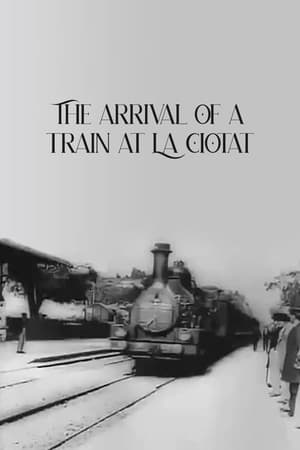
The Arrival of a Train at La Ciotat(fr)
1896-06-30
A group of people are standing along the platform of a railway station in La Ciotat, waiting for a train. One is seen coming, at some distance, and eventually stops at the platform. Doors of the railway-cars open and attendants help passengers off and on. Popular legend has it that, when this film was shown, the first-night audience fled the café in terror, fearing being run over by the "approaching" train. This legend has since been identified as promotional embellishment, though there is evidence to suggest that people were astounded at the capabilities of the Lumières' cinématographe.

78%
To Be or Not to Be(en)
1942-03-06
During the Nazi occupation of Poland, an acting troupe becomes embroiled in a Polish soldier's efforts to track down a German spy.
81%
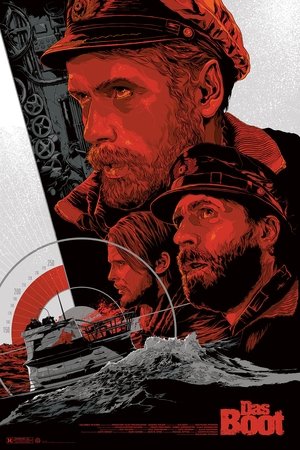
Das Boot(de)
1981-09-17
A German submarine hunts allied ships during the Second World War, but it soon becomes the hunted. The crew tries to survive below the surface, while stretching both the boat and themselves to their limits.

76%
The Kingdom of Dreams and Madness(ja)
2013-11-16
Follows the behind-the-scenes work of Studio Ghibli, focusing on the notable figures Hayao Miyazaki, Isao Takahata, and Toshio Suzuki.
52%
Hear the Silence(de)
2016-06-11
1941, Ukraine. A group of German soldiers occupy a small town populated exclusively by women and children of German descent, way behind enemy lines. There's tension from the beginning, that always threatens to erupt in violence from both sides.

0%
Events in a Cloud Chamber(en)
2016-09-08
In 1969, Akbar Padamsee, one of the pioneers of Modern Indian painting, made a visionary 16mm film called Events in a Cloud Chamber. This was one of the only Indian experimental films ever made. The print is now lost and no copies exist. Over 40 years later, filmmaker Ashim Ahluwalia worked with Padamsee, now 89 years old, to remake the film.
77%
Breakpoint: A Counter History of Progress(fr)
2019-07-14
An account of the last two centuries of the Anthropocene, the Age of Man. How human beings have progressed so much in such a short time through war and the selfish interests of a few, belligerent politicians and captains of industry, damaging the welfare of the majority of mankind, impoverishing the weakest, greedily devouring the limited resources of the Earth.

80%
Rome, Open City(it)
1945-10-08
During the Nazi occupation of 1944 Rome, Resistance leader Giorgio Manfredi is pursued by the Nazis as he seeks refuge and a means of escape.