Loading Page


Brighton Street Scene(1888)
Status: Released
Date: 1888-01-01
37%
9 Votes
Time: 0h 1m
Overview:
Lost film from 1888, directed by William Friese-Greene.
Languages: No Language.
Countries:
United Kingdom
Movie: Brighton Street Scene
HomePage
Overview
Lost film from 1888, directed by William Friese-Greene.
Release Date
1888-01-01
Average
3.7
Rating:
1.9 startsTagline
Genres
Languages:
No LanguageKeywords
Recommendations Movies
78%
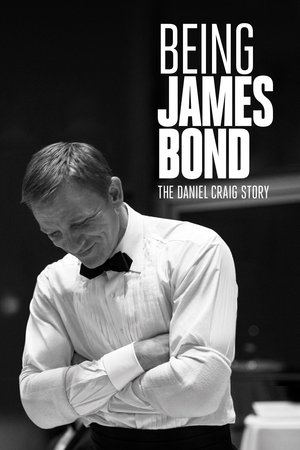
Being James Bond(en)
2021-08-29
Daniel Craig candidly reflects on his 15 year adventure as James Bond. Including never-before-seen archival footage from Casino Royale to the upcoming 25th film No Time To Die, Craig shares his personal memories in conversation with 007 producers, Michael G Wilson and Barbara Broccoli.

62%
Seduced and Abandoned(en)
2013-05-20
SEDUCED AND ABANDONED combines acting legend Alec Baldwin with director James Toback as they lead us on a troublesome and often hilarious journey of raising financing for their next feature film. Moving from director to financier to star actor, the two players provide us with a unique look behind the curtain at the world's biggest and most glamourous film festival, shining a light on the bitter-sweet relationship filmmakers have with Cannes and the film business. Featuring insights from directors Martin Scorsese, 'Bernando Bertolucci' and Roman Polanski; actors Ryan Gosling and Jessica Chastain and a host of film distribution luminaries.
62%
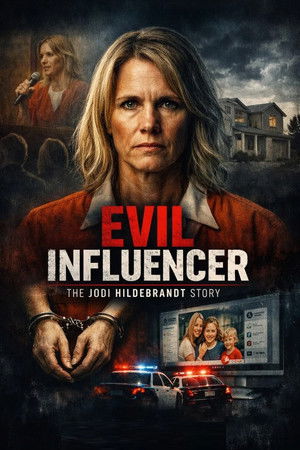
Evil Influencer: The Jodi Hildebrandt Story(en)
2025-12-30
Unravel the case of Utah therapist Jodi Hildebrandt, whose child abuse arrest with parenting YouTuber Ruby Franke exposed a twisted tale of manipulation.

76%
As I Was Moving Ahead, Occasionally I Saw Brief Glimpses of Beauty(en)
2000-11-05
A compilation of over 30 years of private home movie footage shot by Lithuanian-American avant-garde director Jonas Mekas, assembled by Mekas "purely by chance", without concern for chronological order.
74%
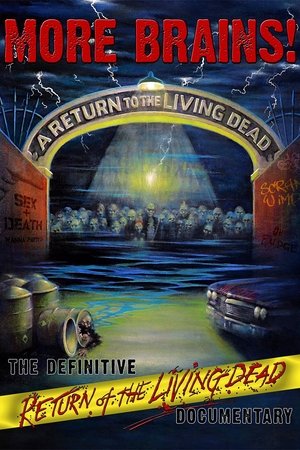
More Brains! A Return to the Living Dead(en)
2011-10-18
Retrospective documentary about the making of the horror cult classic "The Return of the Living Dead."
64%
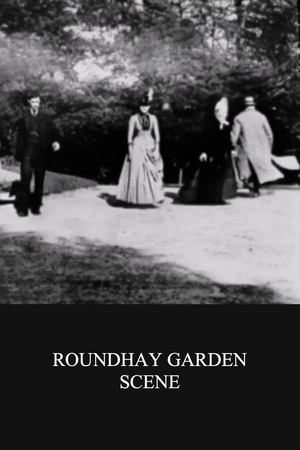
Roundhay Garden Scene(en)
1888-10-14
The earliest surviving motion-picture film, and believed to be one of the very first moving images ever created, was shot by Louis Aimé Augustin Le Prince using the LPCCP Type-1 MkII single-lens camera. It was taken on paper-based photographic film in the garden of Oakwood Grange, the Whitley family house in Roundhay, Leeds, West Riding of Yorkshire (UK), on 14 October 1888. The film shows Adolphe Le Prince (Le Prince’s son), Mrs. Sarah Whitley (Le Prince’s mother-in-law), Joseph Whitley, and Miss Harriet Hartley walking around in circles, laughing to themselves, and staying within the area framed by the camera. Roundhay Garden Scene is often associated with a recording speed of around 12 frames per second and runs for about 2 to 3 seconds.
60%
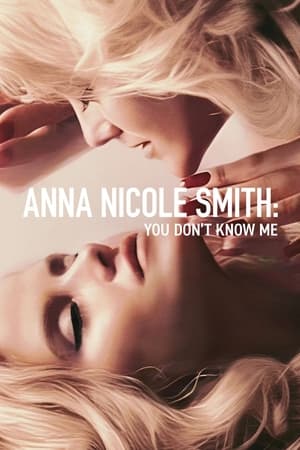
Anna Nicole Smith: You Don't Know Me(en)
2023-05-16
From the heights of her modeling fame to her tragic death, this documentary reveals Anna Nicole Smith through the eyes of the people closest to her.

76%
Night Will Fall(en)
2014-06-07
When Allied forces liberated the Nazi concentration camps in 1944-45, their terrible discoveries were recorded by army and newsreel cameramen, revealing for the first time the full horror of what had happened. Making use of British, Soviet and American footage, the Ministry of Information’s Sidney Bernstein (later founder of Granada Television) aimed to create a documentary that would provide lasting, undeniable evidence of the Nazis’ unspeakable crimes. He commissioned a wealth of British talent, including editor Stewart McAllister, writer and future cabinet minister Richard Crossman – and, as treatment advisor, his friend Alfred Hitchcock. Yet, despite initial support from the British and US Governments, the film was shelved, and only now, 70 years on, has it been restored and completed by Imperial War Museums under its original title "German Concentration Camps Factual Survey".

71%
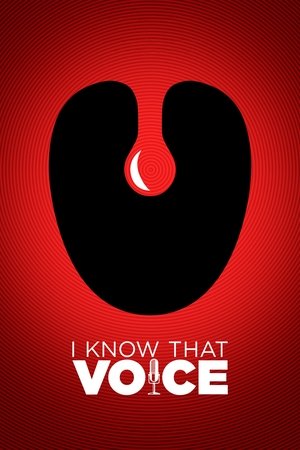
I Know That Voice(en)
2014-01-07
Filmmaker Lawrence Shapiro discusses voice-over acting with the talented people behind the characters.
69%
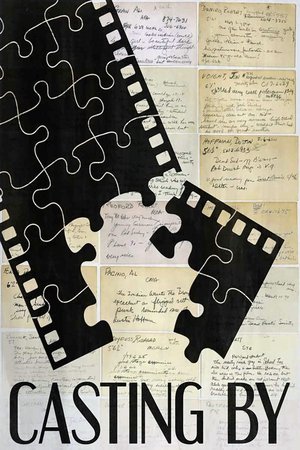
Casting By(en)
2012-11-01
This essential new documentary pays tribute to the legacy of the late, legendary casting director Marion Dougherty and shines a light on one of the most overlooked and least understood crafts in filmmaking.
74%
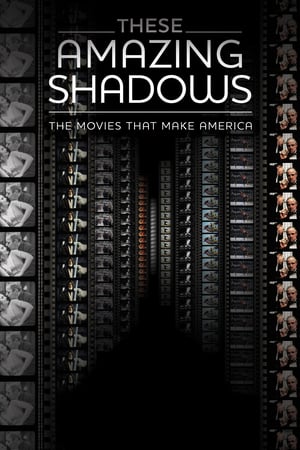
These Amazing Shadows(en)
2011-01-22
Tells the history and importance of The National Film Registry, a roll call of American cinema treasures that reflects the diversity of film, and indeed the American experience itself.
70%
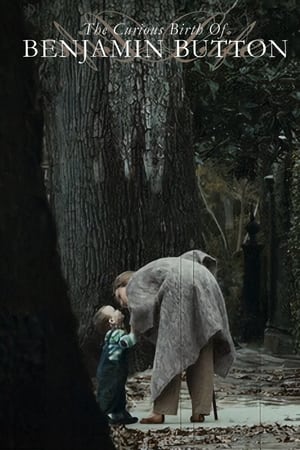
The Curious Birth of Benjamin Button(en)
2009-05-05
A documentary about the making of David Fincher's 2008 film THE CURIOUS CASE OF BENJAMIN BUTTON. Virtually every element in the evolution of the Fincher's film is documented here, from the project's attachment to numerous other directors during the 1990s, to its shoot in 2006 and 2007 in New Orleans, to its complex, CGI-intensive postproduction process.
62%
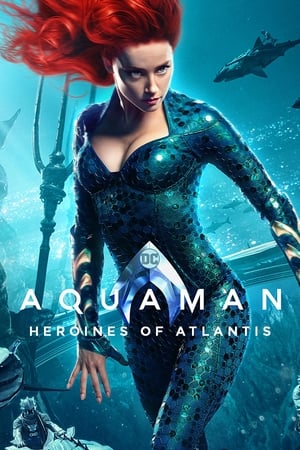
Aquaman: Heroines of Atlantis(en)
2019-03-26
Amber Heard and Nicole Kidman discuss their characters Mera and Atlanna.
75%
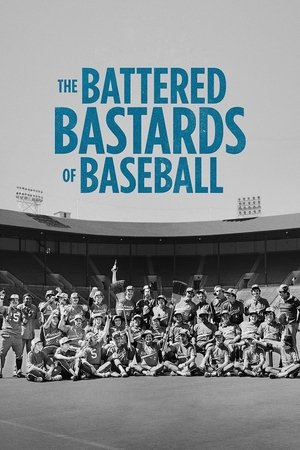
The Battered Bastards of Baseball(en)
2014-01-20
Hollywood veteran Bing Russell creates the only independent baseball team in the country—alarming the baseball establishment and sparking the meteoric rise of the 1970s Portland Mavericks.
78%
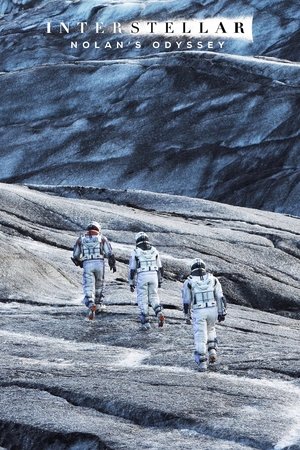
Interstellar: Nolan's Odyssey(en)
2014-11-05
A look behind the lens of Christopher Nolan's space epic.

65%
Downloaded(en)
2013-06-20
A documentary that explores the downloading revolution; the kids that created it, the bands and the businesses that were affected by it, and its impact on the world at large.
68%
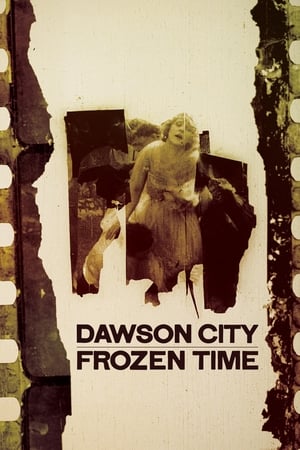
Dawson City: Frozen Time(en)
2017-06-09
The true history of a collection of some 500 films dating from 1910s to 1920s, which were lost for over 50 years until being discovered buried in a sub-arctic swimming pool deep in the Yukon Territory, in Dawson City, located about 350 miles south of the Arctic Circle.
75%
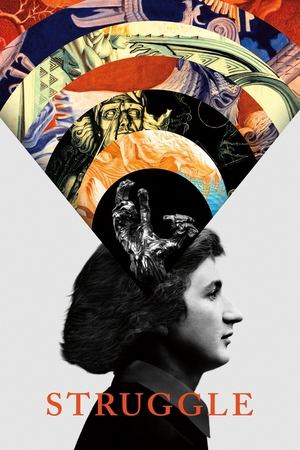
Struggle: The Life and Lost Art of Szukalski(en)
2018-12-20
Artists in LA discover the work of forgotten Polish sculptor Stanislav Szukalski, a mad genius whose true story unfolds chapter by astounding chapter.
72%
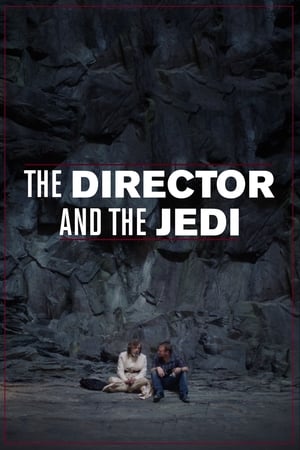
The Director and the Jedi(en)
2018-03-12
An intimate documentary delving into Rian Johnson's process as he comes in as a director new to the Star Wars universe.
Similar Movies

75%
Berlin: Symphony of a Great City(de)
1927-09-23
A day in the city of Berlin, which experienced an industrial boom in the 1920s, and still provides an insight into the living and working conditions at that time. Germany had just recovered a little from the worst consequences of the First World War, the great economic crisis was still a few years away and Hitler was not yet an issue at the time.
77%
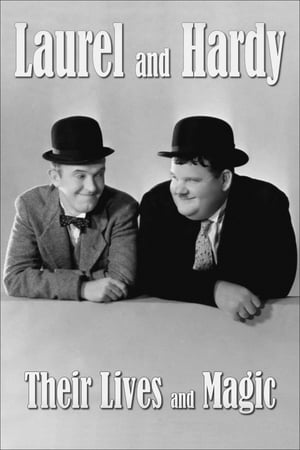
Laurel & Hardy: Their Lives and Magic(de)
2011-12-28
The lives of Stan Laurel (1890-1965) and Oliver Hardy (1892-1957), on the screen and behind the curtain. The joy and the sadness, the success and the failure. The story of one of the best comic duos of all time: a lesson on how to make people laugh.
55%
One Second in Montreal(en)
1969-09-25
A silent succession of black-and-white photographs of the city of Montreal.
0%
Wild Birds in Their Haunts(fr)
1909-12-08
The picture shows various kinds of birds in their natural environments, and in their natural colors, and at such close range that the very eyes of the little fledglings in the nest are easily discerned. Every feather seems distinct and the birds seem to be in such relief that it appears as though one could almost reach out and catch them.
70%
Los 5 Faust de F. W. Murnau(es)
2002-11-26
62%
Heartbreakers Beach Party(en)
2024-10-17
Documentary that captures Tom Petty and the band in 1982-1983 as they finish, promote, and tour around the “Long After Dark” album (their final with legendary producer Jimmy Iovine). It aired only once on MTV in 1983. After the long lost 16mm reels were finally found, a restored version with 19 minutes of extra footage was released in 2024.
0%
Rue de Blamage(de)
2017-04-06
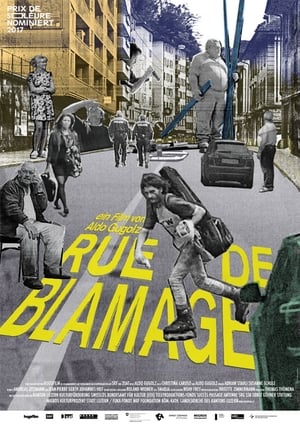
The Baselstrasse is a street in Lucerne. People call it "Rue de Blamage" – it's a noisy street tucked into a narrow space between a hill and a train track. The people who live here don't usually mingle with the rich and famous, but even the roughest haunt can be a home to those who live and work there – and Baselstrasse's two kilometers of asphalt are no different.
78%
Buster Keaton: The Genius Destroyed by Hollywood(fr)
2016-02-07
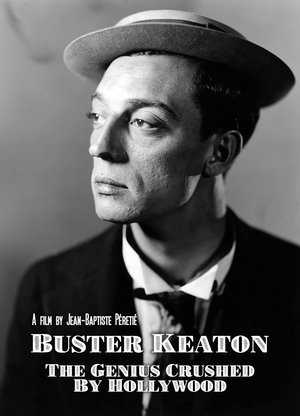
In 1926, Buster Keaton was at the peak of his glory and wealth. By 1933, he had reached rock bottom. How, in the space of a few years, did this uncontested genius of silent films, go from the status of being a widely-worshipped star to an alcoholic and solitary fallen idol? With a spotlight on the 7 years during which his life changed, using extracts of Keaton’s films as magnifying mirrors, the documentary recounts the dramatic life of this creative genius and the Hollywood studios.
55%
Days of Thrills and Laughter(en)
1961-03-21
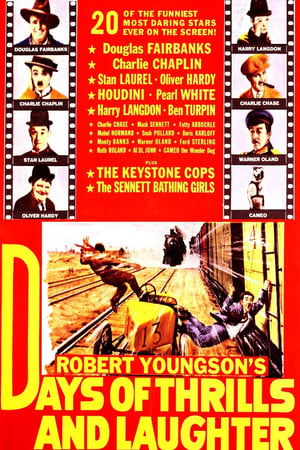
An appreciative, uncritical look at silent film comedies and thrillers from early in the century through the 1920s.
49%
Dickson Greeting(xx)
1891-05-20
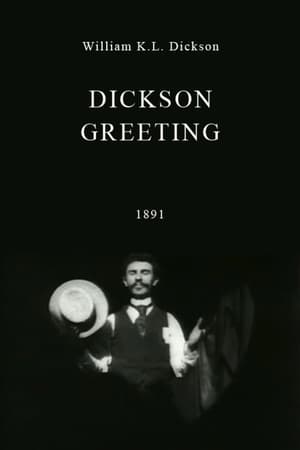
William K.L. Dickson brings his hat from his one hand to the other and moves his head slightly, as a small nod toward the audience. This was the first film produced by the Edison Manufacturing Company to be shown to public audiences and the press.
42%
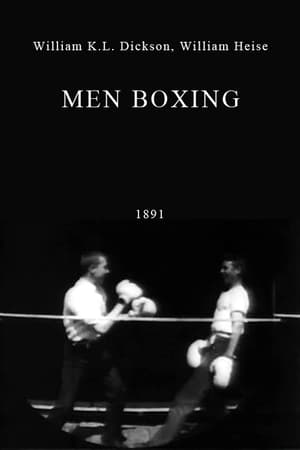
Men Boxing(xx)
1891-04-30
Experimental film fragment made with the Edison-Dickson-Heise experimental horizontal-feed kinetograph camera and viewer, using 3/4-inch wide film.
0%
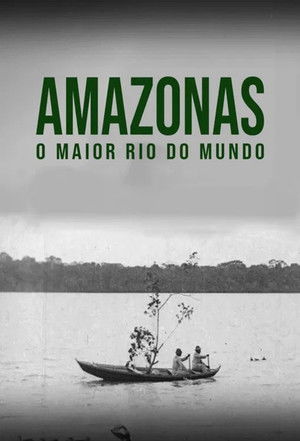
Amazon: Longest River in the World(pt)
1918-01-01
Documentary by Portuguese Silvino Santos, about the Amazon, its flora, fauna, its inhabitants and among other wonderful images from the beginning of the 20th century with alternating close-up shots of caimans, jaguars and tropical flora with footage of Indigenous rituals--including some of the earliest known moving images of the Indigenous Witoto people--and longer sequences showcasing the region’s extractive industries: rubber, the Brazil nut, timber, fishing, even the egret feathers that were a staple of women’s fashion at the time.
71%
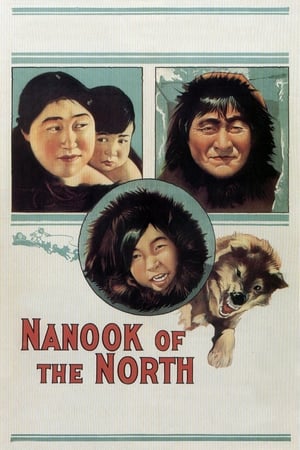
Nanook of the North(en)
1922-06-11
This pioneering documentary film depicts the lives of the indigenous Inuit people of Canada's northern Quebec region. Although the production contains some fictional elements, it vividly shows how its resourceful subjects survive in such a harsh climate, revealing how they construct their igloo homes and find food by hunting and fishing. The film also captures the beautiful, if unforgiving, frozen landscape of the Great White North, far removed from conventional civilization.
60%
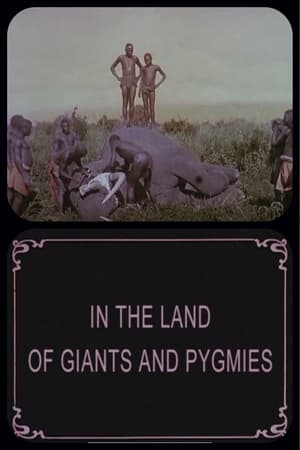
In the Land of Giants and Pygmies(en)
1925-01-01
IN THE LAND OF GIANT PYGMIES, a diary of Aurelio Rossi's 1925 trek into the immense Belgian Congo, preserves a long-gone-Colonial-era wonder at natural resources, "primitive" tribes, customs and costumes in Europe's cast African possessions, and implies that the "dark continent" could benefit from the "civilizing" influences of home.
65%
Film-Tract n° 1968(fr)
1968-06-01
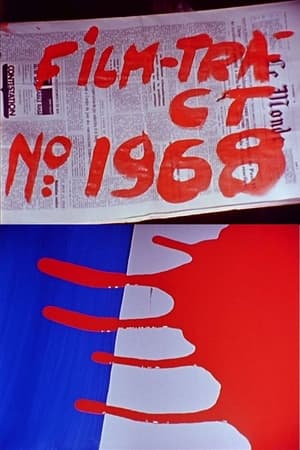
In the 1968 movement in Paris, Jean-Luc Godard made a 16mm, 3-minute long film, Film-tract No.1968, Le Rouge, in collaboration with French artist Gérard Fromanger. Starting with the shot identifying its title written in red paint on the Le Monde for 31 July 1968, the film shows the process of making Fromanger’s poster image, which is thick red paint flows over a tri-color French flag. —Hye Young Min
55%
Time in the Sun(en)
1940-09-30
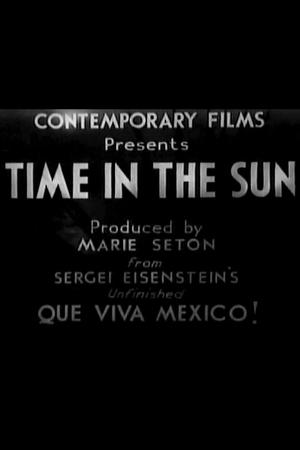
Second attempt to create a feature film out of the 200,000-plus feet of film which Soviet film-maker Sergei Eisenstein shot during 1931-32 in Mexico for American socialist author Upton Sinclair, his wife and a small company of investors. The projected film, to be called "Que Viva Mexico", was never completed due to exhaustion of funds and Stalin's demand that Eisenstein return to the USSR (he had been absent since 1929). The first attempt at editing the footage, in the USA, resulted in "Thunder Over Mexico", released in 1934. In 1940, Marie Seton, from the UK, acquired some of the footage from the Sinclairs in an attempt to make a better cutting according to Eisenstein's skeletal outline for the proposed film. This film has apparently been lost.
60%
Traffic Crossing Leeds Bridge(xx)
1888-10-15
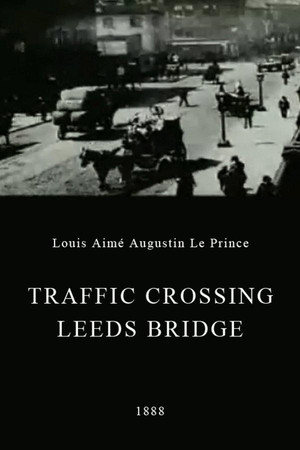
A film by Louis Aimé Augustin Le Prince, shot in late October 1888, showing pedestrians and carriages crossing Leeds Bridge.