Loading Page


Darkness(2005)
Status: Released
Date: 2005-10-06
0%
0 Votes
Time: 1h 24m
Overview:
Louis-Ferdinand Céline described the period he spent in Sigmaringen in his delirious and infernal novel, Castle to Castle, published in 1957. The last months before the German “moment of truth”, as they’ve never been portrayed before: Documented in delirious reality. A documentary film based on Céline’s texts. A screen adaption with documentary material.
Languages: German.
Countries:
Germany
ProductionCompanies: 
Filmtank
Next Film
Movie: Darkness
Top 1 Billed Cast
Video Trailer Darkness
All 1 videos

Die Finsternis - Doku Film DVD Video Wiki Sigmaringen Vichy Weltkrieg Hitler Frankreich Regierung - Clip
Recommendations Movies
74%
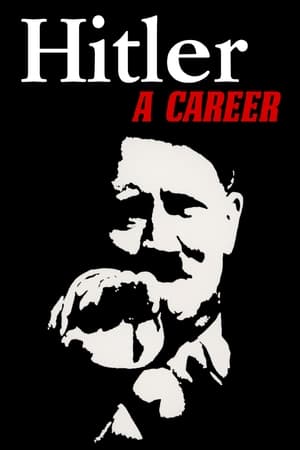
Hitler: A Career(de)
1977-07-08
A keen chronicle of the unlikely rise to power of Adolf Hitler (1889-1945) and a dissection of the Third Reich (1933-1945), but also an analysis of mass psychology and how the desperate crowd can be deceived and shepherded to the slaughterhouse.

73%
Eldorado: Everything the Nazis Hate(de)
2023-06-27
A glittery nightclub in 1920s Berlin becomes a haven for the queer community in this documentary exploring the freedoms lost amid Hitler’s rise to power.

76%
Night Will Fall(en)
2014-06-07
When Allied forces liberated the Nazi concentration camps in 1944-45, their terrible discoveries were recorded by army and newsreel cameramen, revealing for the first time the full horror of what had happened. Making use of British, Soviet and American footage, the Ministry of Information’s Sidney Bernstein (later founder of Granada Television) aimed to create a documentary that would provide lasting, undeniable evidence of the Nazis’ unspeakable crimes. He commissioned a wealth of British talent, including editor Stewart McAllister, writer and future cabinet minister Richard Crossman – and, as treatment advisor, his friend Alfred Hitchcock. Yet, despite initial support from the British and US Governments, the film was shelved, and only now, 70 years on, has it been restored and completed by Imperial War Museums under its original title "German Concentration Camps Factual Survey".

75%
McQueen(en)
2018-06-08
Alexander McQueen's rags-to-riches story is a modern-day fairy tale, laced with the gothic. Mirroring the savage beauty, boldness and vivacity of his design, this documentary is an intimate revelation of McQueen's own world, both tortured and inspired, which celebrates a radical and mesmerizing genius of profound influence.
63%
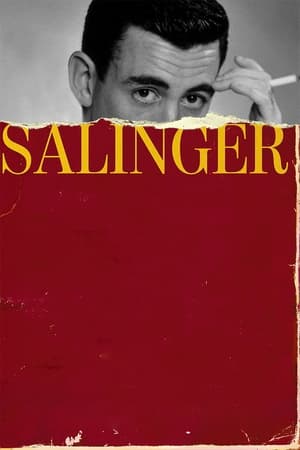
Salinger(en)
2013-09-06
An in-depth investigation into the private world of the American writer J. D. Salinger (1919-2010), who lived most of his life behind the impenetrable wall of a self-imposed seclusion: how his dramatic experiences during World War II influenced his life and work, his relationships with very young women, his obsessive writing methods, his many literary secrets.

68%
Welcome to Chechnya(en)
2020-01-26
This searing investigative work shadows a group of activists risking unimaginable peril to confront the ongoing anti-LGBTQ program raging in the repressive and closed Russian republic. Unfettered access and a remarkable approach to protecting anonymity exposes this under-reported atrocity–and an extraordinary group of people confronting evil.

73%
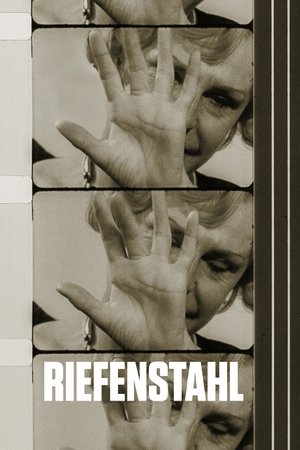
Riefenstahl(de)
2024-08-29
Explores Leni Riefenstahl's artistic legacy and her complex ties to the Nazi regime, juxtaposing her self-portrayal with evidence suggesting awareness of the regime's atrocities.

66%
Champs(en)
2015-03-13
A documentary about the sport of boxing, as seen through the eyes of champions Mike Tyson, Evander Holyfield and Bernard Hopkins.
74%
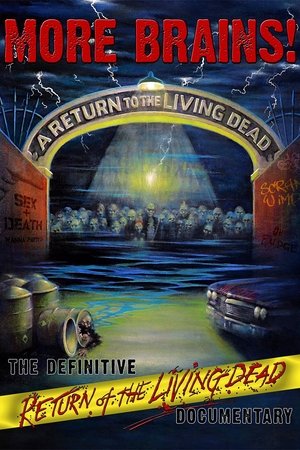
More Brains! A Return to the Living Dead(en)
2011-10-18
Retrospective documentary about the making of the horror cult classic "The Return of the Living Dead."
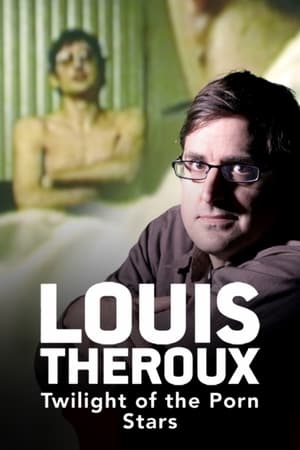
63%
Louis Theroux: Twilight of the Porn Stars(en)
2012-06-10
In 1997, Louis Theroux made a documentary about the world of male porn performers in Los Angeles. 15 years later, he returns to find a business struggling with the deluge of free porn on the internet. Louis revisits some of the original programme's contributors as well as meeting the latest crop of porn performers dreaming of porn stardom.

80%
My Mom Jayne(en)
2025-06-20
Through deeply personal interviews with her siblings and an examination of the photographs, letters, and belongings left behind, Mariska assembles a new portrait of her mother Jayne Mansfield, an extraordinary and complex woman.
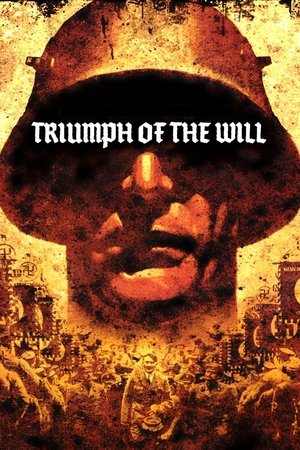
69%
Triumph of the Will(de)
1935-03-28
A showcase of German chancellor and Nazi Party leader Adolf Hitler at the 1934 Nuremberg Rally.

65%
Heart of a Dog(en)
2015-10-21
Lyrical and powerfully personal essay film that reflects on the deaths of her husband Lou Reed, her mother, her beloved dog, and such diverse subjects as family memories, surveillance, and Buddhist teachings.
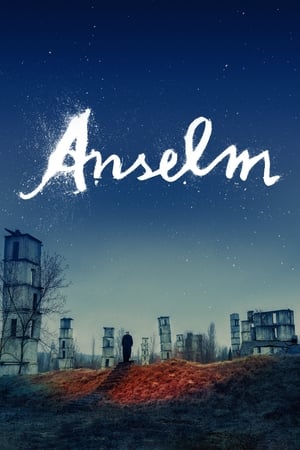
67%
Anselm(de)
2023-10-12
This unique cinematic experience dives deep into an artist’s work and reveals his life path, inspiration, and creative process. It explores his fascination with myth and history. Past and present are interwoven to diffuse the line between film and painting, allowing the audience to be completely immersed in the remarkable world of one of the greatest contemporary artists, Anselm Kiefer. Wim Wenders shot this unique portrait over the course of two years in stunning 3D.
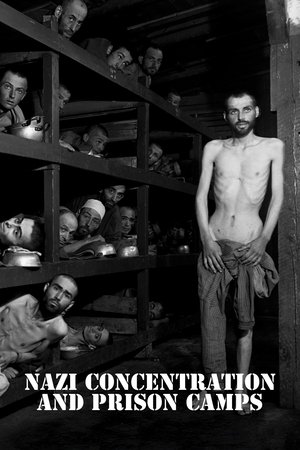
77%
Nazi Concentration Camps(en)
1945-11-29
Produced and presented as evidence at the Nuremberg war crimes trial of Hermann Göring and twenty other Nazi leaders, this film consists primarily of dead and surviving prisoners and of facilities used to kill and torture during the World War II.
70%
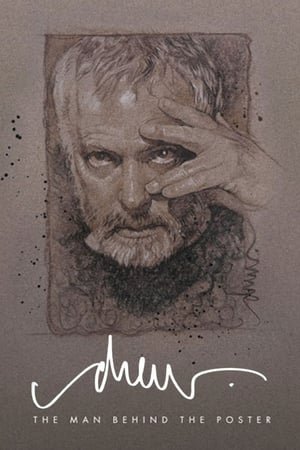
Drew: The Man Behind the Poster(en)
2013-07-19
A documentary on legendary movie-poster artist Drew Struzan.
69%
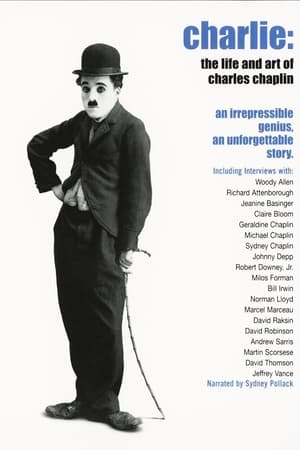
Charlie: The Life and Art of Charles Chaplin(en)
2003-05-01
Brilliant, long in-the-works story of the life and art of the world's greatest comedian and the cinema's first genius, Charlie Chaplin. Produced, written and directed by renowned film critic Richard Schickel.
78%
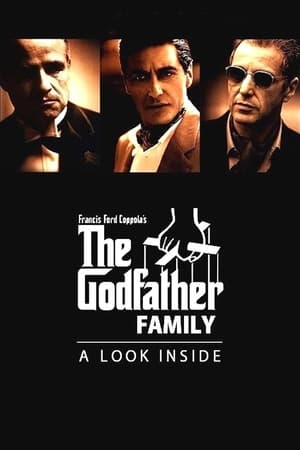
The Godfather Family: A Look Inside(en)
1990-07-12
A documentary on the making of the three Godfather films, with interviews and recollections from the film makers and cast. This feature also includes the original screen tests of some of the actors for "The Godfather" film, and some candid moments on the set of "The Godfather: Part III."

72%
4 Little Girls(en)
1997-07-09
On September 15, 1963, a bomb destroyed a black church in Birmingham, Alabama, killing four young girls who were there for Sunday school. It was a crime that shocked the nation--and a defining moment in the history of the civil-rights movement. Spike Lee re-examines the full story of the bombing, including a revealing interview with former Alabama Governor George Wallace.
Similar Movies

0%
Ante Meridiem(es)
2022-12-11
Ante Meridiem is a sensory journey through the first hours of dawn. Kind but vehement, he explores the dichotomy between silence and bustle, patience and haste, taking both to their ultimate consequences.
83%
Night and Fog(fr)
1956-01-29
Filmmaker Alain Resnais documents the atrocities behind the walls of Hitler's concentration camps.

80%
Bella Ciao! - German Soldiers in the Italian Resistance(de)
2025-06-10
When Italy capitulated 1943 and joined the allied forces, some soldiers from the German Wehrmacht also changed sides and joined the Italians in their fight to liberate the country. This film tells the story of Rudolf Jacobs, Walter Fischer and Heinz Brauers, three of the ‘Good Germans’ remembered in Italy for their efforts in fighting the Nazis.
59%
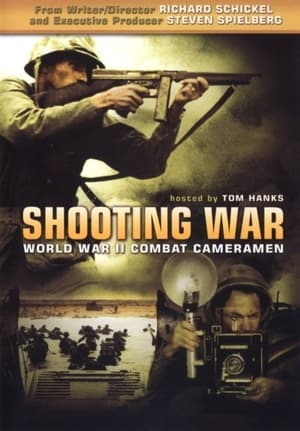
Shooting War(en)
2000-12-07
A remarkable film that takes a special look at the first war to be truly reported and recorded by one of the more unsung heroes of World War II: the combat photographer. Through the unflinching eye of their camera's lenses, these courageous soldiers continually risked their lives in their brave attempts to capture history.
62%
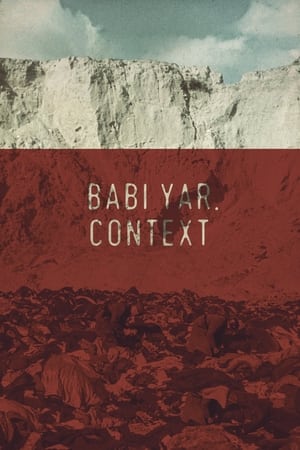
Babi Yar. Context(ru)
2021-11-04
Nazi troops massacre 30,000 Jews over a three-day period in September 1941. Babyn Yar ravine in Kyiv, Ukraine.
65%
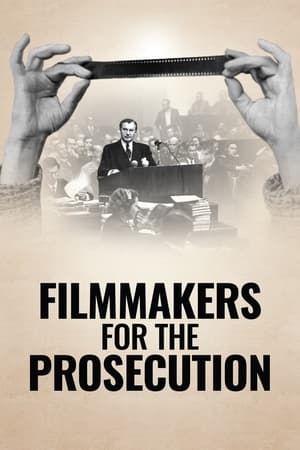
Filmmakers for the Prosecution(fr)
2023-01-27
In 1945, two young American soldiers, brothers Budd and Stuart Schulberg, are commissioned to collect filmed and recorded evidence of the horrors committed by the infamous Third Reich in order to prove Nazi war crimes during the Nuremberg trials (1945-46). The story of the making of Nuremberg: Its Lesson for Today, a paramount historic documentary, released in 1948.

0%
The American St. Nick(en)
2015-11-10
On Dec. 5, 1944, American soldiers, led by Harry Stuts, put their guns down for one day and organized a party celebrating the town's centuries-old Saint Nick tradition. Soldiers made hot chocolate from their D-rations, company cooks made donuts and cookies for the children, and 22-year-old corporal Richard Brookins from Rochester, NY played the role of Saint Nick. An emotional and heartfelt story, THE AMERICAN SAINT NICK illustrates how American soldiers and residents of the hamlet were able to bond over a moment in time, creating a tradition that continues to this day.
77%
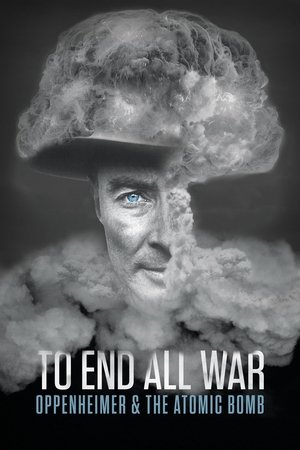
To End All War: Oppenheimer & the Atomic Bomb(en)
2023-07-09
Explore how one man's relentless drive and invention of the atomic bomb changed the nature of war forever, led to the deaths of hundreds of thousands of people and unleashed mass hysteria.

65%
If Only I Were That Warrior(it)
2015-11-28
If Only I Were That Warrior is a feature documentary film focusing on the Italian occupation of Ethiopia in 1935. Following the recent construction of a monument dedicated to Fascist general Rodolfo Graziani, the film addresses the unpunished war crimes he and others committed in the name of Mussolini’s imperial ambitions. The stories of three characters, filmed in present day Ethiopia, Italy and the United States, take the audience on a journey through the living memories and the tangible remains of the Italian occupation of Ethiopia — a journey that crosses generations and continents to today, where this often overlooked legacy still ties the fates of two nations and their people.
70%
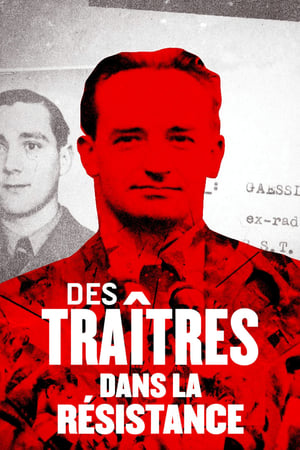
Des traîtres dans la Résistance(fr)
2021-11-18
In May 1943, Ernst Kaltenbrunner, the new head of the Reich Central Security Office, gave Hitler a report describing in detail the organization of the French Resistance. Indeed, during the Second World War, most of the Resistance networks had been infiltrated by traitors, the "V Man" (trusted men) in the service of the occupier. The Germans had established treason as a system and recruiting Frenchmen ready to inform on them was one of their priorities. It was these Frenchmen, whose number is estimated at between 20,000 and 30,000, who dealt terrible blows to the Resistance.

100%
Boy Soldiers: The Secret War In Okinawa(ja)
2018-07-21
The greatest taboo of the Battle of Okinawa were Guerrilla units composed of boy soldiers. Until now, not even the Japanese people knew the full scope of these secret troops, and survivors have been afraid to share their tragic details. Okinawa became the bulwark to protect the Japanese mainland toward the end of World War II. After the Americans landed, a violent battle ensued resulting in the loss of over 200,000 lives – many of them civilian. This documentary uncovers Japan’s deepest secrets concerning the Battle of Okinawa, and also sounds alarms about modern Japan’s recent steps toward remilitarization.
100%
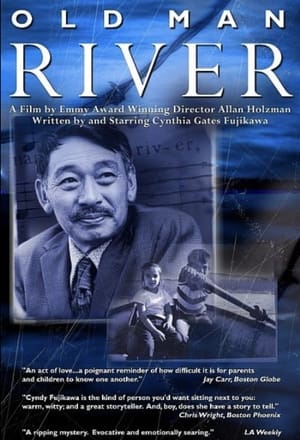
Old Man River(en)
1999-03-03
Documentary film version of the stage show in which actress Cynthia Gates Fujikawa explores the story of her father, actor Jerry Fujikawa, who had a long career in films and television, most often as a stereotyped Asian. The daughter, in the course of searching out her late father's history, discovers many things that she had not known, among them that her father had spent time in Manzanar, the internment camp for Japanese-Americans during World War II, that he had had a family prior to hers, and that somewhere out there was a sister she had never known existed.

0%
Electronic Control System of the C-1 Auto Pilot Part 1: Basic Electricity as Applied to Electronic Control System(en)
1943-01-27
Animated training film depicting the fundamentals of electricity and how electrical signals can be used to keep an airplane on correct course and altitude through an autopilot.
77%
Breakpoint: A Counter History of Progress(fr)
2019-07-14
An account of the last two centuries of the Anthropocene, the Age of Man. How human beings have progressed so much in such a short time through war and the selfish interests of a few, belligerent politicians and captains of industry, damaging the welfare of the majority of mankind, impoverishing the weakest, greedily devouring the limited resources of the Earth.

70%
The World Under the Bombs, from Guernica to Hiroshima(fr)
2017-01-23
Beginning with Guernica and the Chinese cities of Chongqing and Shanghai in 1937 and ending with the bombing of Hiroshima and Nagasaki in August 1945, World War Two saw a new art of warfare in the form of extensive, worldwide bombing campaigns.
0%
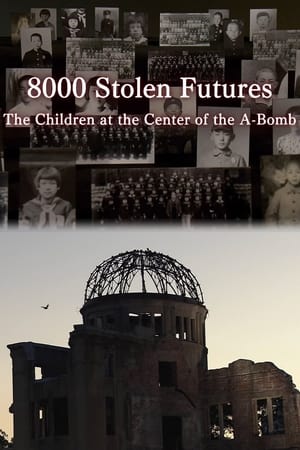
8000 Stolen Futures: The Children at the Center of the A-Bomb(en)
2022-11-06
On August 6, 1945, the first-ever nuclear bomb deployed in war was dropped on the city of Hiroshima Prefecture, leaving an estimated 140,000 dead in its wake by the end of that year. Among the victims, one particular age group stands out for the sheer number of fatalities sustained: 12 and 13 year-olds, children of first year junior high school age. We investigate the tragedy of this lost generation, piecing together surviving records and speaking with survivors, for whom the memories of children robbed of their futures that day are still burned deep in their memories, nearly eight decades on.
0%
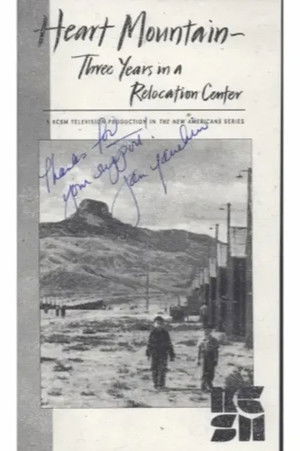
Heart Mountain: Three Years in a Relocation Center(en)
1997-02-20
A documentary film about the internment of Japanese Americans at Heart Mountain, Wyoming during World War II. The program, hosted by Jan Yanehiro, proceeds in part as a series of interviews. It also includes archival film footage of Heart Mountain and Japanese Americans during World War II, as well as present day footage of the Heart Mountain landscape.