Loading Page


Kigali, des images contre un massacre(2006)
Status: Released
Date: 2006-11-15
0%
0 Votes
Time: 1h 34m
Overview:
Jean-Christophe Klotz was a cameraman for a French broadcast news service in 1996 when he was sent to Rwanda to cover the growing violence between ruling Hutus and rival Tutsi tribespeople. What Klotz saw profoundly shocked him, as bodies littered the sides of the roads and bloody massacres became the order of the day. In between interviews with government officials and United Nations forces vainly struggling to contain the violence, Klotz captured the mayhem on film, believing that if world leaders saw what was happening, they would step forward to stop the violence. When Klotz was injured while filming an attack, he was sent back to Paris, and while his footage was aired, French forces only belatedly arrived, ultimately doing more to protect those who caused the massacre than bringing them to justice. Years later, Klotz used his footage to help identify some of the victims of the killings, and in 2006 he returned to Rwanda to visit the nation after the violence had ceased.
Languages: French.
Countries:
France
ProductionCompanies:
ADR Productions
Movie: Kigali, des images contre un massacre
HomePage
Overview
Jean-Christophe Klotz was a cameraman for a French broadcast news service in 1996 when he was sent to Rwanda to cover the growing violence between ruling Hutus and rival Tutsi tribespeople. What Klotz saw profoundly shocked him, as bodies littered the sides of the roads and bloody massacres became the order of the day. In between interviews with government officials and United Nations forces vainly struggling to contain the violence, Klotz captured the mayhem on film, believing that if world leaders saw what was happening, they would step forward to stop the violence. When Klotz was injured while filming an attack, he was sent back to Paris, and while his footage was aired, French forces only belatedly arrived, ultimately doing more to protect those who caused the massacre than bringing them to justice. Years later, Klotz used his footage to help identify some of the victims of the killings, and in 2006 he returned to Rwanda to visit the nation after the violence had ceased.
Release Date
2006-11-15
Average
0
Rating:
0.0 startsTagline
Genres
Languages:
Français
Recommendations Movies
72%
Burma VJ: Reporting from a Closed Country(en)
2008-11-12
Going beyond the occasional news clip from Burma, the acclaimed filmmaker, Anders Østergaard, brings us close to the video journalists who deliver the footage. Though risking torture and life in jail, courageous young citizens of Burma live the essence of journalism as they insist on keeping up the flow of news from their closed country.
67%
Birth of the Living Dead(en)
2013-10-18
A behind the scenes look into George Romero's groundbreaking horror classic Night of the Living Dead.
72%
City of Ghosts(en)
2017-07-14
With unprecedented access, this documentary follows the extraordinary journey of “Raqqa is Being Slaughtered Silently”—a group of anonymous citizen journalists who banded together after their homeland was overtaken by ISIS—as they risk their lives to stand up against one of the greatest evils in the world today.
66%
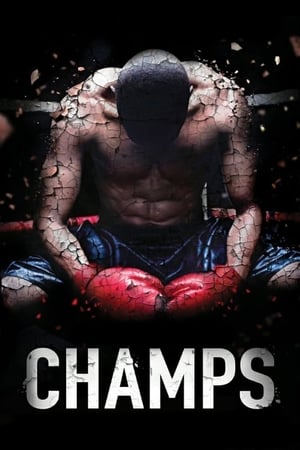
Champs(en)
2015-03-13
A documentary about the sport of boxing, as seen through the eyes of champions Mike Tyson, Evander Holyfield and Bernard Hopkins.

70%
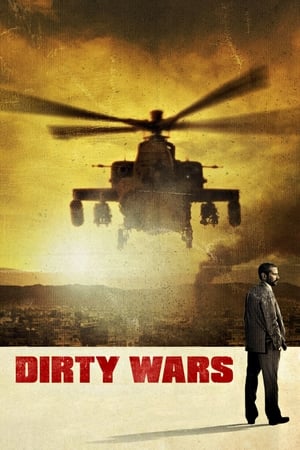
Dirty Wars(en)
2013-01-18
Investigative journalist, Jeremy Scahill is pulled into an unexpected journey as he chases down the hidden truth behind America's expanding covert wars, and examines how the US government has responded to international terrorist threats in ways that seem to go against the established laws of the land.

71%
The Class of ‘92(en)
2013-12-01
A detailing of the rise to prominence and global sporting superstardom of six supremely talented young Manchester United football players (David Beckham, Nicky Butt, Ryan Giggs, Paul Scholes, Phil and Gary Neville). The film covers the period 1992-1999, culminating in Manchester United's European Cup triumph.

61%
Naqoyqatsi(en)
2002-09-02
A visual montage portrait of our contemporary world dominated by globalized technology and violence.

72%
Avatar: The Deep Dive - A Special Edition of 20/20(en)
2022-12-13
An inside look at one of the most anticipated movie sequels ever with James Cameron and cast.

59%
Voyeur(en)
2017-10-04
Legendary journalist Gay Talese unmasks a motel owner who spied on his guests for decades. But his bombshell story soon becomes a scandal of its own.
59%
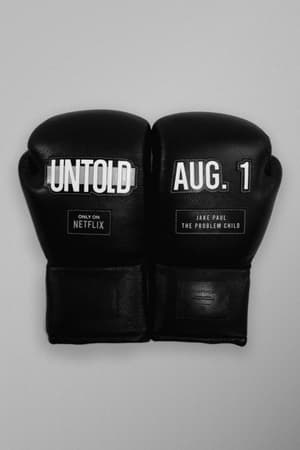
Untold: Jake Paul the Problem Child(en)
2023-08-01
Pro boxing sensation — and perennial troublemaker — Jake Paul shares his unlikely journey from online prankster to power puncher in this documentary.

64%
Ex Libris: The New York Public Library(en)
2017-09-13
A documentary about how a dominant cultural and demographic institution both sustains their traditional activities and adapts to the digital revolution.

76%
Night Will Fall(en)
2014-06-07
When Allied forces liberated the Nazi concentration camps in 1944-45, their terrible discoveries were recorded by army and newsreel cameramen, revealing for the first time the full horror of what had happened. Making use of British, Soviet and American footage, the Ministry of Information’s Sidney Bernstein (later founder of Granada Television) aimed to create a documentary that would provide lasting, undeniable evidence of the Nazis’ unspeakable crimes. He commissioned a wealth of British talent, including editor Stewart McAllister, writer and future cabinet minister Richard Crossman – and, as treatment advisor, his friend Alfred Hitchcock. Yet, despite initial support from the British and US Governments, the film was shelved, and only now, 70 years on, has it been restored and completed by Imperial War Museums under its original title "German Concentration Camps Factual Survey".

60%
Trainwreck: The Real Project X(en)
2025-07-07
A night of drunken chaos rocks a quiet Dutch town in this shocking documentary about a teen's birthday invite that accidentally went viral on Facebook.
72%
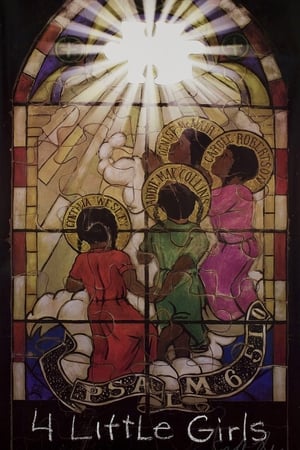
4 Little Girls(en)
1997-07-09
On September 15, 1963, a bomb destroyed a black church in Birmingham, Alabama, killing four young girls who were there for Sunday school. It was a crime that shocked the nation--and a defining moment in the history of the civil-rights movement. Spike Lee re-examines the full story of the bombing, including a revealing interview with former Alabama Governor George Wallace.


77%
Woman(fr)
2020-03-01
The film is based on interviews with 2,000 women from 50 countries, and covers the status of women all over the world. The topics covered include forced marriages, sexual assault, female genital mutilation, acid attacks, motherhood, sexuality, menstruation, education and the professional success of women.
67%
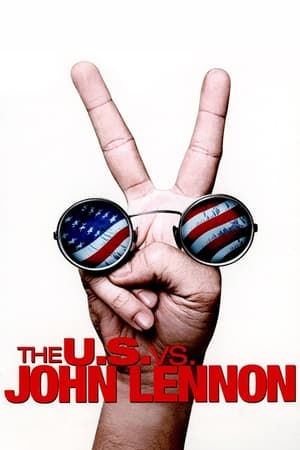
The U.S. vs. John Lennon(en)
2006-09-15
A documentary on the life of John Lennon, with a focus on the time in his life when he transformed from a musician into an antiwar activist.
70%
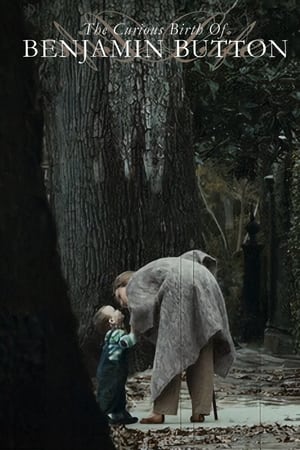
The Curious Birth of Benjamin Button(en)
2009-05-05
A documentary about the making of David Fincher's 2008 film THE CURIOUS CASE OF BENJAMIN BUTTON. Virtually every element in the evolution of the Fincher's film is documented here, from the project's attachment to numerous other directors during the 1990s, to its shoot in 2006 and 2007 in New Orleans, to its complex, CGI-intensive postproduction process.