Loading Page


A Personal Journey Through Cinema History with Thomas Pollock(2016)
Status: Released
Date: 2016-07-29
60%
1 Votes
Time: 1h 45m
One man's personal journey through cinema
Overview:
Covering over 100 years of cinema, this is a journey of discovering and exploring the magic of cinema from a personal perspective. Looking at the changes and developments of cinema Thomas explains how film has deeply affected his life as a person and a filmmaker.
Languages: English.
Countries:
United Kingdom
Budget: $500.00
ProductionCompanies:
Indie House Films
Movie: A Personal Journey Through Cinema History with Thomas Pollock
Top 1 Billed Cast
Video Trailer A Personal Journey Through Cinema History with Thomas Pollock
Video: A Personal Journey Through Cinema History Trailer

A Personal Journey Through Cinema History Trailer
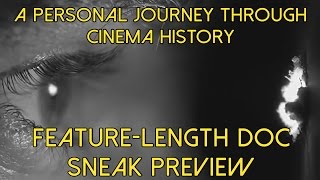
A Personal Journey Through Cinema History Sneak Preview
All 2 videos

A Personal Journey Through Cinema History Trailer - Trailer

A Personal Journey Through Cinema History Sneak Preview - Clip
Recommendations Movies
68%
Making Waves: The Art of Cinematic Sound(en)
2019-10-25
The history of cinematic sound, told by legendary sound designers and visionary filmmakers.
70%
Visions of Light(en)
1992-09-17
Cameramen and women discuss the craft and art of cinematography and of the "DP" (the director of photography), illustrating their points with clips from 100 films, from Birth of a Nation to Do the Right Thing. Themes: the DP tells people where to look; changes in movies (the arrival of sound, color, and wide screens) required creative responses from DPs; and, these artisans constantly invent new equipment and try new things, with wonderful results. The narration takes us through the identifiable studio styles of the 30s, the emergence of noir, the New York look, and the impact of Europeans. Citizen Kane, The Conformist, and Gordon Willis get special attention.
67%
Horror Noire: A History of Black Horror(en)
2019-02-07
Delving into a century of genre films that by turns utilized, caricatured, exploited, sidelined, and finally embraced them, this is the untold history of black Americans in Hollywood through their connection to the horror genre.
72%
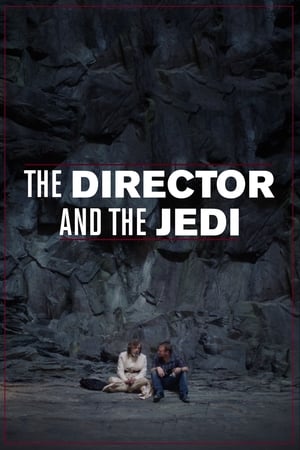
The Director and the Jedi(en)
2018-03-12
An intimate documentary delving into Rian Johnson's process as he comes in as a director new to the Star Wars universe.
71%
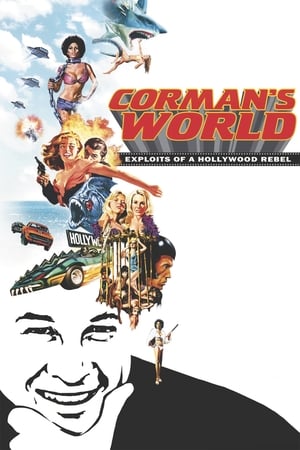
Corman's World(en)
2011-12-16
A chronicle of the long career of American filmmaker Roger Corman, the most tenacious and ingenious low-budget producer and director in the US film industry, a pioneer of independent filmmaking and discoverer of new talent.
70%
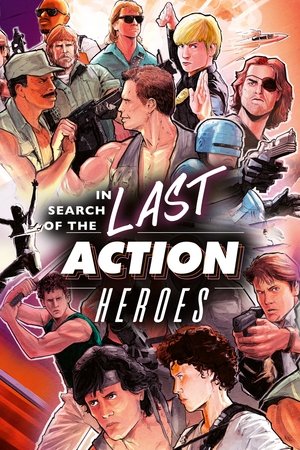
In Search of the Last Action Heroes(en)
2019-09-01
The most comprehensive retrospective of the '80s action film genre ever made.
71%
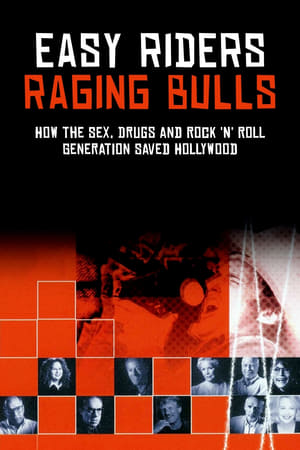
Easy Riders, Raging Bulls: How the Sex 'n' Drugs 'n' Rock 'n' Roll Generation Saved Hollywood(en)
2003-03-09
The chronicle of the mind-blowing journey that was Hollywood during the seventies; the true and gripping story of the last golden age of American cinema, an exalted celebration of creativity and experimentation; but also of sex, drugs and rock 'n' roll: a turbulent and dark tale of ambition, envy, betrayal, hatred and self-destruction.
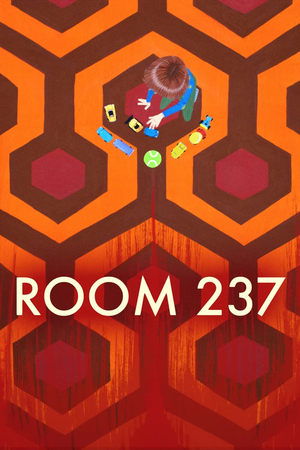
61%
Room 237(en)
2012-10-26
A subjective documentary that explores various theories about hidden meanings in Stanley Kubrick's classic film The Shining. Five very different points of view are illuminated through voice over, film clips, animation and dramatic reenactments.

78%
The Skywalker Legacy(en)
2020-03-18
The story lives forever in this feature-length documentary that charts the making of Star Wars: The Rise of Skywalker.
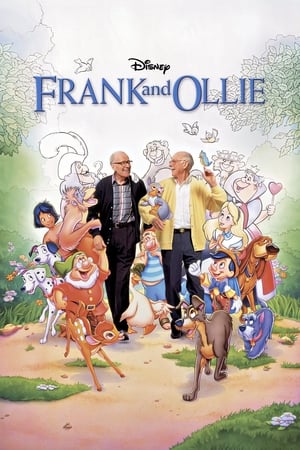
75%
Frank and Ollie(en)
1995-10-20
Before computer graphics, special effects wizardry, and out-of-this world technology, the magic of animation flowed from the pencils of two of the greatest animators The Walt Disney Company ever produced -- Frank Thomas and Ollie Johnston. Frank and Ollie, the talent behind BAMBI, PINOCCHIO, LADY AND THE TRAMP, THE JUNGLE BOOK, and others, set the standard for such modern-day hits as THE LION KING. It was their creative genius that helped make Disney synonymous with brilliant animation, magnificent music, and emotional storytelling. Take a journey with these extraordinary artists as they share secrets, insights, and the inspiration behind some of the greatest animated movies the world has ever known!
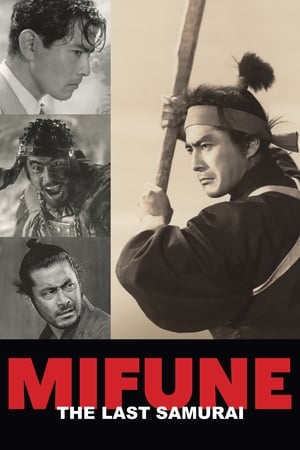
71%
Mifune: The Last Samurai(en)
2016-12-02
An account of the life and work of legendary Japanese actor Toshirō Mifune (1920-97), the most prominent actor of the Golden Age of Japanese cinema.
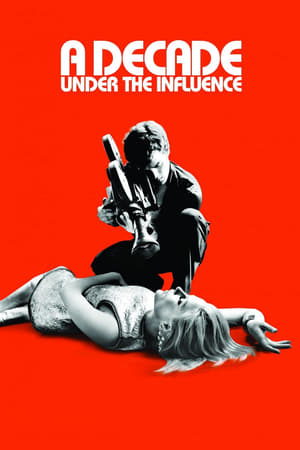
79%
A Decade Under the Influence(en)
2003-04-25
A documentary examining the decade of the 1970s as a turning point in American cinema. Some of today's best filmmakers interview the influential directors of that time.

72%
Hitchcock/Truffaut(en)
2015-09-05
Filmmakers discuss the legacy of Alfred Hitchcock and the book “Hitchcock/Truffaut” (“Le cinéma selon Hitchcock”), written by François Truffaut and published in 1966.
74%
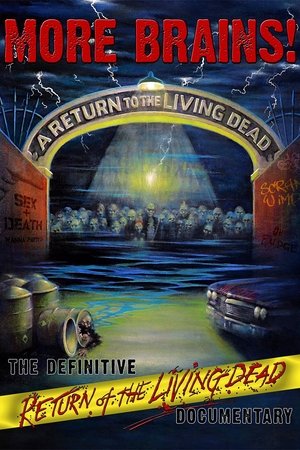
More Brains! A Return to the Living Dead(en)
2011-10-18
Retrospective documentary about the making of the horror cult classic "The Return of the Living Dead."
70%
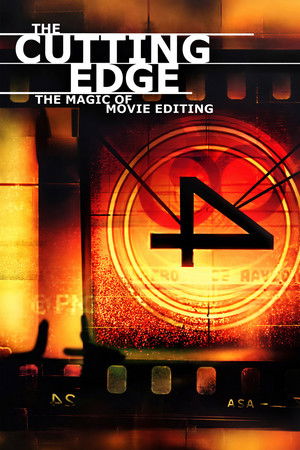
The Cutting Edge: The Magic of Movie Editing(en)
2004-10-12
Documentary about the art of film editing. Clips are shown from many groundbreaking films with innovative editing styles.
76%
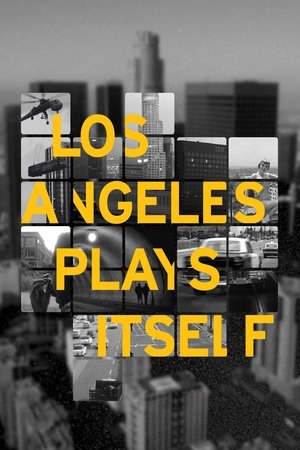
Los Angeles Plays Itself(en)
2004-07-28
From its distinctive neighborhoods to its architectural homes, Los Angeles has been the backdrop to countless movies. In this dazzling work, Andersen takes viewers on a whirlwind tour through the metropolis' real and cinematic history, investigating the myriad stories and legends that have come to define it, and meticulously, judiciously revealing the real city that lives beneath.
78%
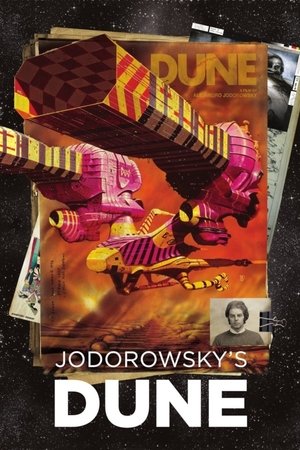
Jodorowsky's Dune(en)
2013-08-30
In 1974, Chilean-French director Alejandro Jodorowsky embarked on the quixotic project of adapting Frank Herbert's influential novel Dune (1969) for the big screen. After investing two years, and millions of dollars, the gigantic project ended in failure; but the artists Jodorowsky brought together to carry it out continued to work together, and ended up laying the foundations for modern science fiction cinema.

76%
As I Was Moving Ahead, Occasionally I Saw Brief Glimpses of Beauty(en)
2000-11-05
A compilation of over 30 years of private home movie footage shot by Lithuanian-American avant-garde director Jonas Mekas, assembled by Mekas "purely by chance", without concern for chronological order.
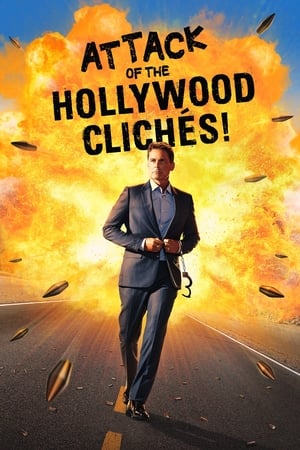
60%
Attack of the Hollywood Clichés!(en)
2021-09-27
One-man armies, meet-cutes, casual strolls away from huge explosions — stars and industry insiders toast and roast these cinematic chestnuts and more.
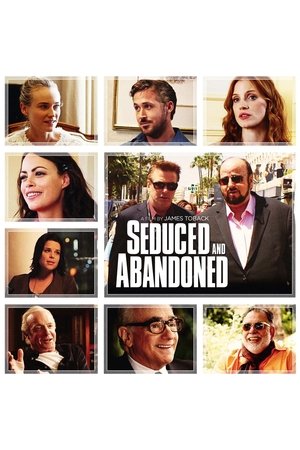
62%
Seduced and Abandoned(en)
2013-05-20
SEDUCED AND ABANDONED combines acting legend Alec Baldwin with director James Toback as they lead us on a troublesome and often hilarious journey of raising financing for their next feature film. Moving from director to financier to star actor, the two players provide us with a unique look behind the curtain at the world's biggest and most glamourous film festival, shining a light on the bitter-sweet relationship filmmakers have with Cannes and the film business. Featuring insights from directors Martin Scorsese, 'Bernando Bertolucci' and Roman Polanski; actors Ryan Gosling and Jessica Chastain and a host of film distribution luminaries.
Similar Movies

90%
Rochefort, Marielle, Noiret: Les copains d'abord(fr)
2021-12-13
Jean Rochefort, Jean-Pierre Marielle, Philippe Noiret - This is the story of a bunch of friends. Comedian buddies. Actors who dreamed of the Conservatory and the National Theater of Paris. The theater was their ideal, cinema will be their paradise. Their friend Jean-Paul Belmondo, the relaxed Parisian, who failed the entrance exam, will make sparks fly. Rochefort, Marielle and Noiret, the three provincials, will climb the steps of recognition one by one. From the little cabarets on the Left Bank to the TV shows of the Buttes-Chaumont pioneers. From the second roles to the first and from the B movies to the classics.
70%
Yakuza Eiga, une histoire du cinéma yakuza(fr)
2009-02-12
The history of the Yakuza Eiga at the TOEI studio is roughly outlined. Real Yakuza and also their connections to the movie business are discussed, and many important actors and directors of the genres are interviewed. Former real yakuza boss turned actor Noboru Ando, Takashi Miike, Sonny Chiba and many more get a chance to speak.
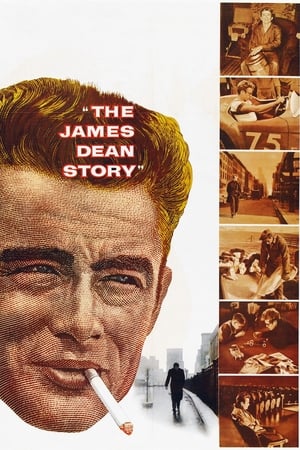
54%
The James Dean Story(en)
1957-08-13
Released two years after James Dean's death, this documentary chronicles his short life and career via black-and-white still photographs, interviews with the aunt and uncle who raised him, his paternal grandparents, a New York City cabdriver friend, the owner of his favorite Los Angeles restaurant, outtakes from East of Eden, footage of the opening night of Giant, and Dean's ironic PSA for safe driving.

75%
Boundless(cn)
2013-11-02
As Hong Kong's foremost filmmaker, Johnnie To himself becomes the protagonist of this painstaking documentary exploring him and his Boundless world of film. A film student from Beijing and avid Johnnie To fan, Ferris Lin boldly approached To with a proposal to document the master director for his graduation thesis. To agreed immediately and Lin's camera closely followed him for over two years, capturing the man behind the movies and the myths. The result is Boundless, a candid profile of one of Hong Kong's greatest directors and a heartfelt love letter to Hong Kong cinema.
68%
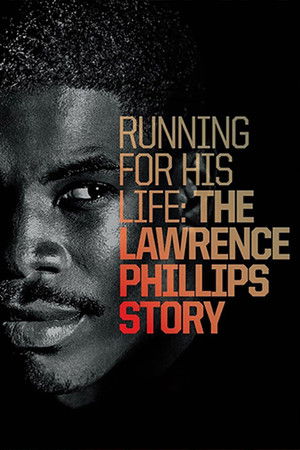
Running for His Life: The Lawrence Phillips Story(en)
2016-12-16
Feature length documentary examining the troubled life and tragic death of college football standout and talented NFL running back Lawrence Phillips, whose scars of childhood abuse and abandonment haunted him throughout his career.
57%
Chaplin Today: The Kid(en)
2003-03-02
This documentary is featured on the two-disc Chaplin Collection DVD for "The Kid" (1921), released in 2004.
60%
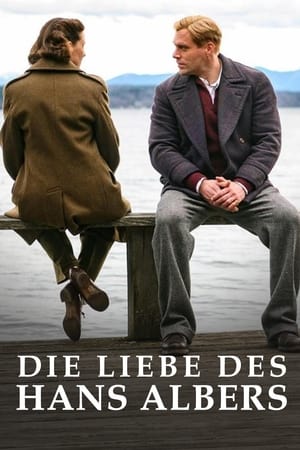
Die Liebe des Hans Albers(de)
2021-01-06
He is considered to be one of the greatest German film stars, Hans Albers, known as "Der blonde Hans", a man made for the cinema. He was an actor, singer, idol of the Germans - and darling of the Nazis. Nevertheless, he could not protect his great love, the Jewess Hansi Burg. In 1938 she had to flee to London from anti-Semitism in Germany. But Albers himself stayed in Germany and continued to film, driven by a desire for a career and the call of money. In 1946, one year after the end of the Second World War, they meet again: Hansi Burg returns to the land of the murderers of her parents in the uniform of the British Army and visits Hans Albers in his villa on Lake Starnberg. He lives there with another woman. The rival has to go, then there is a tense debate. For a day and a night, the blonde Hans has to face uncomfortable questions and even more uncomfortable truths.
72%
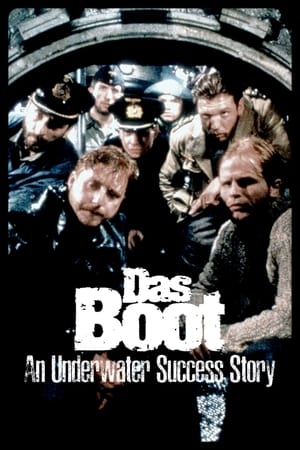
Das Boot Revisited: An Underwater Success Story(de)
2021-01-10
In 1981, a film about the misadventures of a German U-boat crew in 1941 becomes a worldwide hit almost four decades after the end of the World War II. Millions of viewers worldwide make Das Boot the most internationally successful German film of all time. But due to disputes over the script, accidents on the set, and voices accusing the makers of glorifying the war, the project was many times on the verge of being cancelled.
76%
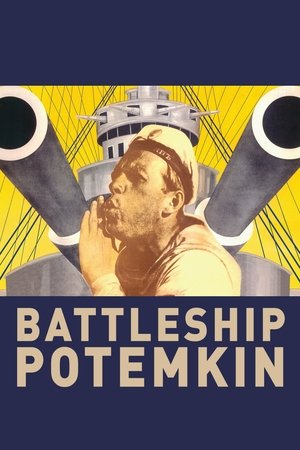
Battleship Potemkin(ru)
1925-12-24
A dramatized account of a great Russian naval mutiny and a resultant public demonstration, showing support, which brought on a police massacre.
71%
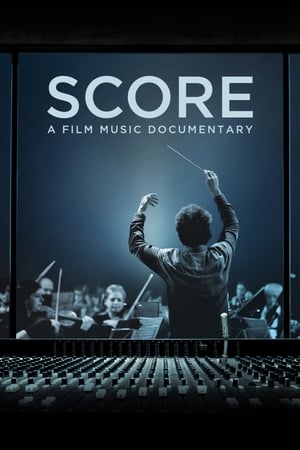
Score: A Film Music Documentary(en)
2017-03-16
Music is an integral part of most films, adding emotion and nuance while often remaining invisible to audiences. Matt Schrader shines a spotlight on the overlooked craft of film composing, gathering many of the art form’s most influential practitioners, from Hans Zimmer and Danny Elfman to Quincy Jones and Randy Newman, to uncover their creative process. Tracing key developments in the evolution of music in film, and exploring some of cinema’s most iconic soundtracks, 'Score' is an aural valentine for film lovers.
68%
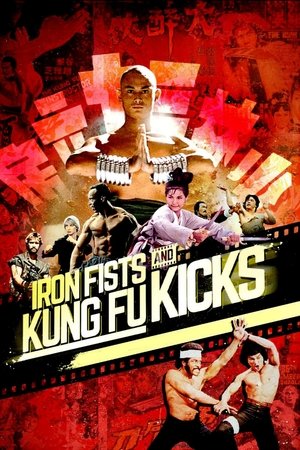
Iron Fists and Kung Fu Kicks(en)
2019-08-14
The fantastic story of how an ancient martial art, Chinese kung fu, conquered the world through the hundreds of films that were produced in Hong Kong over the decades, transformed Western action cinema and inspired the birth of cultural movements such as blaxploitation, hip hop music, parkour and Wakaliwood cinema.
0%
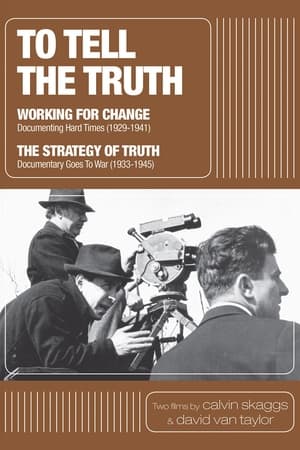
To Tell the Truth: A History of Documentary Film (1928-1946)(en)
2012-11-10
A detailed history of documentary filmmaking in the US and the UK from 1929 to 1945. The first part, Working for Change, focuses on 1929-1941 and the social movements of the times, The Great Depression, The New Deal, and the awakening of the Leftwing in the UK. The second part, The Strategy of Truth, focuses on 1933-1946 and explores the role of film as propaganda during World War II, and the different forms it took in the US, the UK, and Germany.
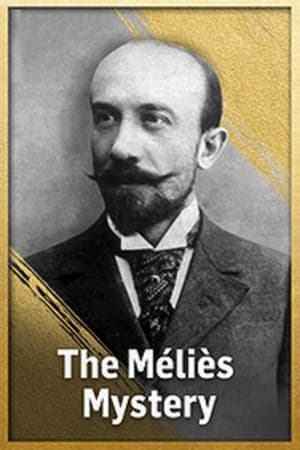
69%
The Méliès Mystery(fr)
2021-01-02
A documentary that details the process of restoring 270 of the 520 lost films of pioneering director Georges Méliès, all orchestrated by a Franco-American collaboration between Lobster Films, the National Film Center, and the Library of Congress.
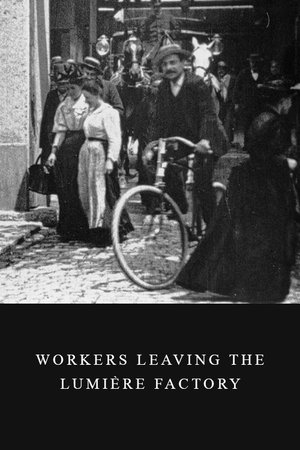
67%
Workers Leaving the Lumière Factory(fr)
1895-03-22
Working men and women leave through the main gate of the Lumière factory in Lyon, France. Filmed on 22 March 1895, it is often referred to as the first real motion picture ever made, although Louis Le Prince's 1888 Roundhay Garden Scene pre-dated it by seven years. Three separate versions of this film exist, which differ from one another in numerous ways. The first version features a carriage drawn by one horse, while in the second version the carriage is drawn by two horses, and there is no carriage at all in the third version. The clothing style is also different between the three versions, demonstrating the different seasons in which each was filmed. This film was made in the 35 mm format with an aspect ratio of 1.33:1, and at a speed of 16 frames per second. At that rate, the 17 meters of film length provided a duration of 46 seconds, holding a total of 800 frames.
77%
The 'Frankenstein' Files: How Hollywood Made a Monster(en)
1999-01-01
The history of Frankenstein's journey from novel to stage to screen to icon.
60%
Vivement Truffaut(fr)
1985-07-12
A tribute to the late, great French director Francois Truffaut, this documentary was undoubtedly named after his last movie, Vivement Dimanche!, released in 1983. Included in this overview of Truffaut's contribution to filmmaking are clips from 14 of his movies arranged according to the themes he favored. These include childhood, literature, the cinema itself, romance, marriage, and death.
80%
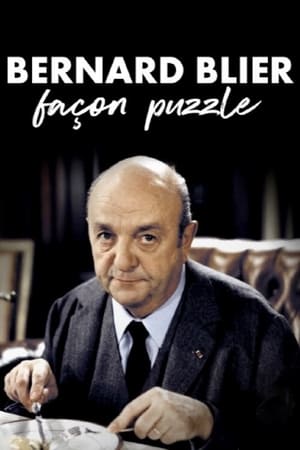
Bernard Blier, façon puzzle(fr)
2020-12-23
In a career spanning more than half a century, Bernard Blier has shot more than 180 films. He alone represents a history of French cinema without having spent his time cultivating its legend. He crossed his century as an actor with the modesty of a craftsman. He believed in learning, know-how and transmission. He considered himself, like the butcher or the cabinetmaker, as a man useful to his fellow men. Bernard Blier found in Louis Jouvet, who was his teacher at the Conservatory, a master at playing, a mentor and even a spiritual father. Jouvet taught Blier the love of acting, theater and Molière. And if he knew how to take hold of Michel Audiard's best tirades like no one else, notably those of the "Tontons Flingueurs", it is to this apprenticeship that he owes it.
65%
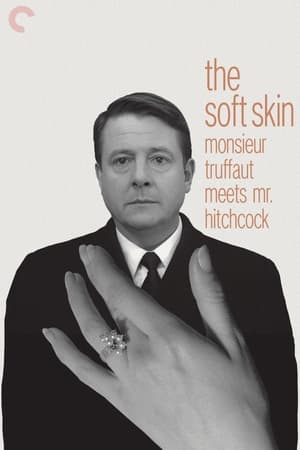
Monsieur Truffaut Meets Mr. Hitchcock(en)
1999-08-05
When Francois Truffaut approached Alfred Hitchcock in 1962 with the idea of having a long conversation with him about his work and publishing this in book form, he didn't imagine that more than four years would pass before Le Cinéma selon Hitchcock finally appeared in 1966. Not only in France but all over the world, Truffaut's Hitchcock interview developed over the years into a standard bible of film literature. In 1983, three years after Hitchcock's death, Truffaut decided to expand his by now legendary book to include a concluding chapter and have it published as the "Edition définitive". This film describes the genesis of the "Hitchbook" and throws light on the strange friendship between two completely different men. The centrepieces are the extracts from the original sound recordings of the interview with the voices of Alfred Hitchcock, Francois Truffaut, and Helen Scott – recordings which have never been heard in public before.
77%
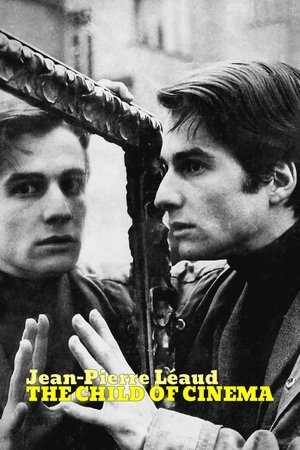
Jean-Pierre Léaud: The Child of Cinema(fr)
2024-09-04
A portrait of the legendary actor Jean-Pierre Léaud, icon of the French New Wave and closely linked to the work of François Truffaut and Jean-Luc Goddard.