Loading Page
Four Belgian Painters at Work(1952)
Status: Released
Date: 1952-12-03
72%
2 Votes
Time: 0h 34m
Overview:
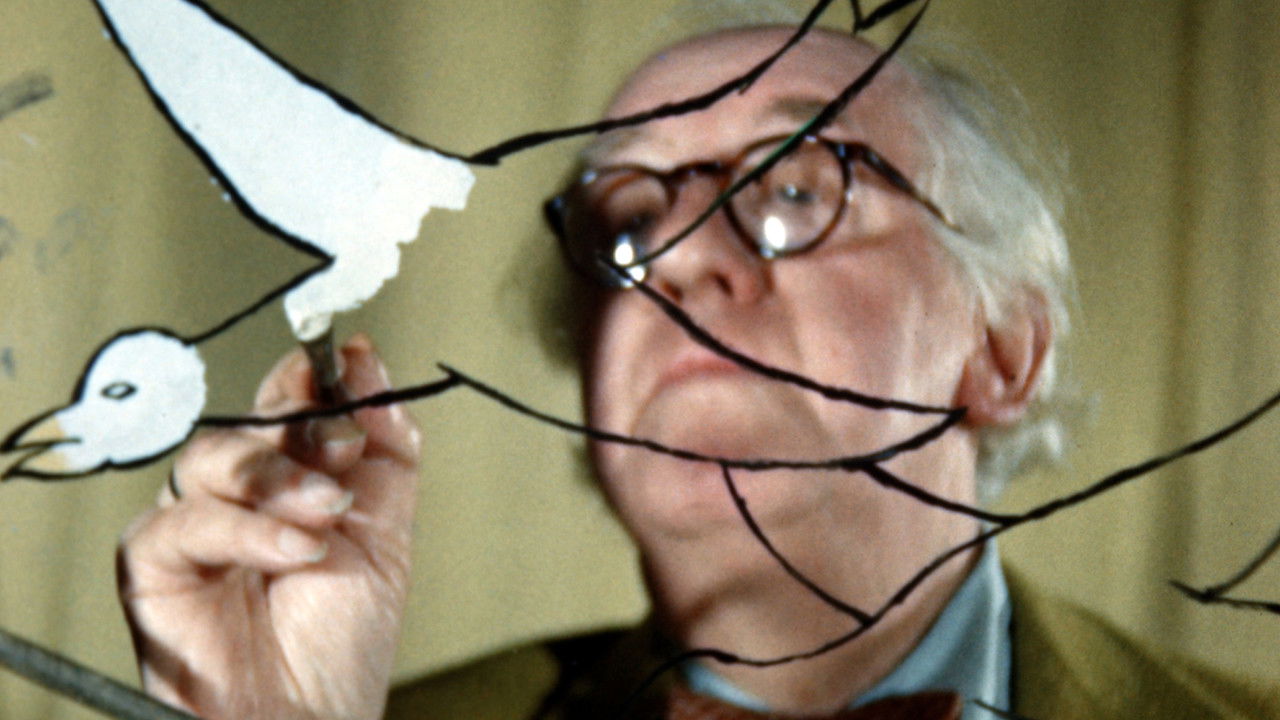
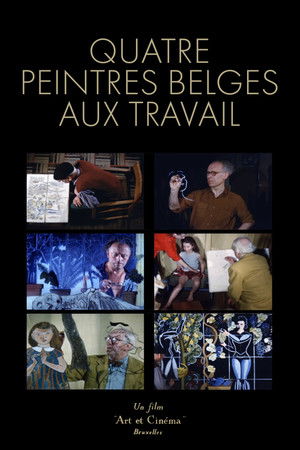
Belgian art historian and filmmaker Paul Haesaerts (1901–1974) made a significant contribution to the promotion of modern Flemish art. In the late 1940s, he started experimenting with the medium of film to practice a new form of lens-based art criticism. The understudied documentary "Quatre peintres belges au travail" (1952) presents Belgian artists Edgar Tytgat, Albert Dasnoy, Jean Brusselmans and Paul Delvaux at work in their studio. On a large sheet of glass placed in front of the camera, they each paint one of the seasons that also represent a stage in a person’s life. A close reading of this Kodachrome color film sheds light on the context of mid-century art reproductions, mass media and post-war Flemish culture. It also examines in what way this film operates as Haesaerts’s concept of cinéma critique, while raising questions as to the way Haesaerts attempted to reconcile the spatial art of painting with the temporal medium of film.
Languages: Dutch.
Countries:
Belgium
Movie: Four Belgian Painters at Work
Top 4 Billed Cast
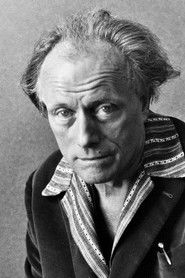
Paul Delvaux
Self
HomePage
Overview
Belgian art historian and filmmaker Paul Haesaerts (1901–1974) made a significant contribution to the promotion of modern Flemish art. In the late 1940s, he started experimenting with the medium of film to practice a new form of lens-based art criticism. The understudied documentary "Quatre peintres belges au travail" (1952) presents Belgian artists Edgar Tytgat, Albert Dasnoy, Jean Brusselmans and Paul Delvaux at work in their studio. On a large sheet of glass placed in front of the camera, they each paint one of the seasons that also represent a stage in a person’s life. A close reading of this Kodachrome color film sheds light on the context of mid-century art reproductions, mass media and post-war Flemish culture. It also examines in what way this film operates as Haesaerts’s concept of cinéma critique, while raising questions as to the way Haesaerts attempted to reconcile the spatial art of painting with the temporal medium of film.
Release Date
1952-12-03
Average
7.2
Rating:
3.6 startsTagline
Genres
Languages:
NederlandsKeywords
Recommendations Movies
68%
Embrace the Panda: Making Turning Red(en)
2022-03-11
A feature length documentary about the all-women team at the helm of Pixar's original feature, Turning Red. With unprecedented behind-the-scenes access to Director Domee Shi and her core leadership crew, this story shines a light on the powerful professional and personal journeys that brought this incredibly comical, utterly relatable, and deeply heartfelt story to the screen.
78%
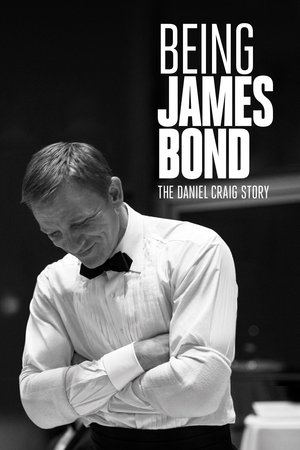
Being James Bond(en)
2021-08-29
Daniel Craig candidly reflects on his 15 year adventure as James Bond. Including never-before-seen archival footage from Casino Royale to the upcoming 25th film No Time To Die, Craig shares his personal memories in conversation with 007 producers, Michael G Wilson and Barbara Broccoli.
75%
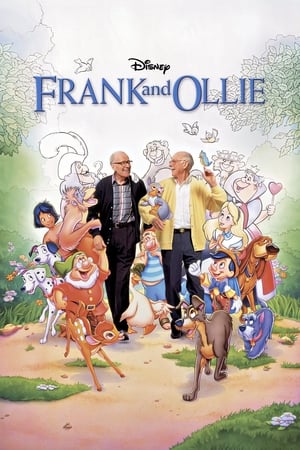
Frank and Ollie(en)
1995-10-20
Before computer graphics, special effects wizardry, and out-of-this world technology, the magic of animation flowed from the pencils of two of the greatest animators The Walt Disney Company ever produced -- Frank Thomas and Ollie Johnston. Frank and Ollie, the talent behind BAMBI, PINOCCHIO, LADY AND THE TRAMP, THE JUNGLE BOOK, and others, set the standard for such modern-day hits as THE LION KING. It was their creative genius that helped make Disney synonymous with brilliant animation, magnificent music, and emotional storytelling. Take a journey with these extraordinary artists as they share secrets, insights, and the inspiration behind some of the greatest animated movies the world has ever known!
65%
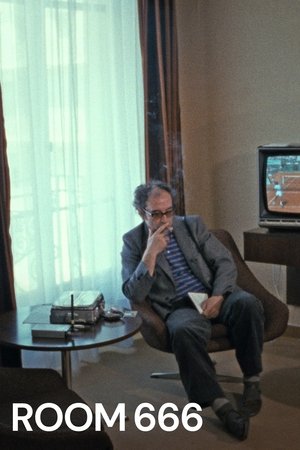
Room 666(en)
1982-06-02
During the 1982 Cannes Film Festival, Wim Wenders asked a number of global film directors to, one at a time, go into a hotel room, turn on the camera, and answer a simple question: "What is the future of cinema?"
69%
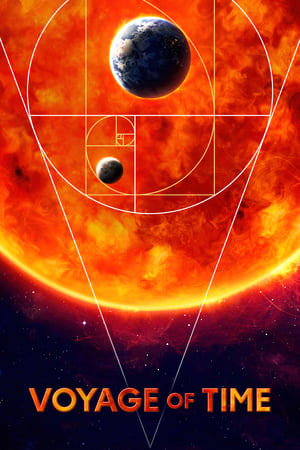
Voyage of Time: The IMAX Experience(en)
2016-10-07
A celebration of the universe, displaying the whole of time, from its start to its final collapse. This film examines all that occurred to prepare the world that stands before us now: science and spirit, birth and death, the grand cosmos and the minute life systems of our planet.
65%
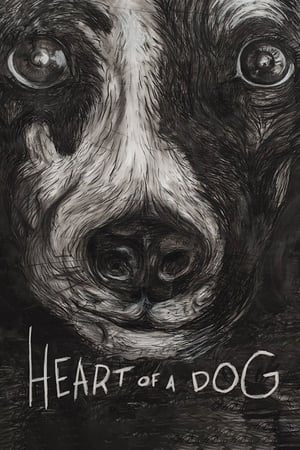
Heart of a Dog(en)
2015-10-21
Lyrical and powerfully personal essay film that reflects on the deaths of her husband Lou Reed, her mother, her beloved dog, and such diverse subjects as family memories, surveillance, and Buddhist teachings.

75%
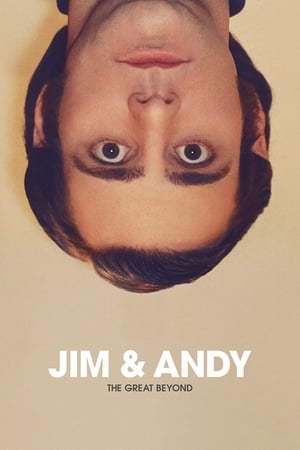
Jim & Andy: The Great Beyond(en)
2017-09-05
Offbeat documentarian Chris Smith provides a behind-the-scenes look at how Jim Carrey adopted the persona of idiosyncratic comedian Andy Kaufman on the set of Man on the Moon.

80%
Joker: Put on a Happy Face(en)
2020-08-18
Featuring interviews with filmmakers and industry legends, discover the origins and evolution of The Joker, and learn why The Clown Prince of Crime is universally hailed as the greatest comic-book supervillain of all time.

61%
Naqoyqatsi(en)
2002-09-02
A visual montage portrait of our contemporary world dominated by globalized technology and violence.
71%
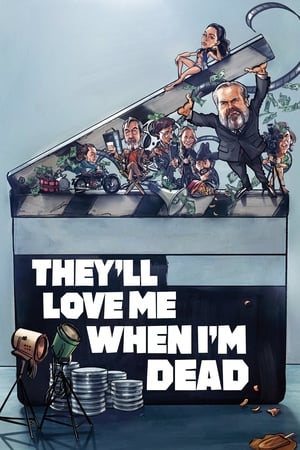
They'll Love Me When I'm Dead(en)
2018-08-31
As his life comes to its end, famous Hollywood director Orson Welles puts it all on the line at the chance for renewed success with the film The Other Side of the Wind.
70%
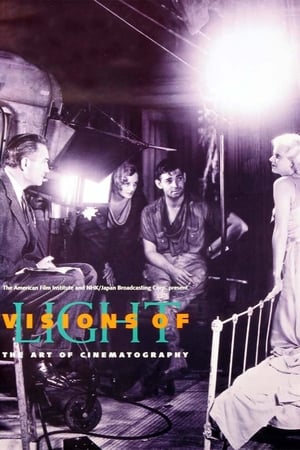
Visions of Light(en)
1992-09-17
Cameramen and women discuss the craft and art of cinematography and of the "DP" (the director of photography), illustrating their points with clips from 100 films, from Birth of a Nation to Do the Right Thing. Themes: the DP tells people where to look; changes in movies (the arrival of sound, color, and wide screens) required creative responses from DPs; and, these artisans constantly invent new equipment and try new things, with wonderful results. The narration takes us through the identifiable studio styles of the 30s, the emergence of noir, the New York look, and the impact of Europeans. Citizen Kane, The Conformist, and Gordon Willis get special attention.
69%
The Art of the Steal(en)
2010-02-26
A gripping tale of intrigue and mystery in the art world, this film traces the history of a collection of Post-Impressionist paintings - worth billions - which became the subject of a power struggle after the death of its owner. Dr. Albert Barnes.
70%
Milius(en)
2013-03-09
The life story of ‘Zen Anarchist’ filmmaker John Milius, one of the most influential storytellers of his generation.

60%
Anna Nicole Smith: You Don't Know Me(en)
2023-05-16
From the heights of her modeling fame to her tragic death, this documentary reveals Anna Nicole Smith through the eyes of the people closest to her.
79%
A Decade Under the Influence(en)
2003-04-25
A documentary examining the decade of the 1970s as a turning point in American cinema. Some of today's best filmmakers interview the influential directors of that time.
69%
Harry Dean Stanton: Partly Fiction(en)
2013-09-11
An impressionistic portrait of the iconic actor Harry Dean Stanton comprised of intimate moments, film clips from some of his 250 films and his renditions of American folk songs.
67%
Manhatta(en)
1921-01-01
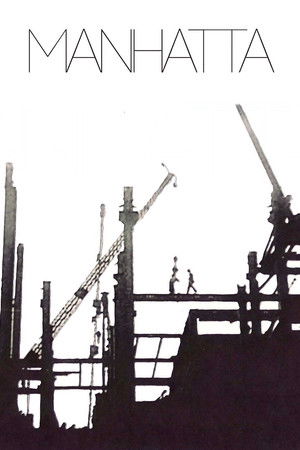
Morning reveals New York harbor, the wharves, the Brooklyn Bridge. A ferry boat docks, disgorging its huddled mass. People move briskly along Wall St. or stroll more languorously through a cemetery. Ranks of skyscrapers extrude columns of smoke and steam. In plain view. Or framed, as through a balustrade. A crane promotes the city's upward progress, as an ironworker balances on a high beam. A locomotive in a railway yard prepares to depart, while an arriving ocean liner jostles with attentive tugboats. Fading sunlight is reflected in the waters of the harbor. The imagery is interspersed with quotations from Walt Whitman, who is left unnamed.

67%
Frida(en)
2024-03-08
An intimately raw and magical journey through the life, mind, and heart of iconic artist Frida Kahlo. Told through her own words for the very first time — drawn from her diary, revealing letters, essays, and print interviews — and brought vividly to life by lyrical animation inspired by her unforgettable artwork.
Similar Movies
23%
Where Do You Stand Now, João Pedro Rodrigues?(pt)
2016-11-28
João Pedro Rodrigues answers the question from the title with an autobiographical short-film.
61%
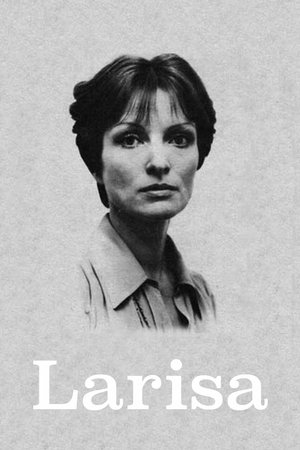
Larisa(ru)
1980-10-01
Elem Klimov's tribute to his late wife, director Larisa Shepitko, killed in a car accident a year earlier. Features excerpts from all of her films, and archival audio of her discussing life and art.
90%
Make the World Greta Again(en)
2019-05-24
Upon realising her generation won’t have a future unless the world’s politicians act now on climate change, 15-year-old Greta Thunberg skipped school in August 2018 to protest outside the Swedish parliament. What started as a one person strike soon gained global momentum. We follow Greta and the organisers of the school strikes for climate as they are cementing a worldwide movement ahead of their first global protest that took place on March 15th, 2019. It was the biggest climate strike in history with up to 1.6 million students in more than 125 countries.
52%
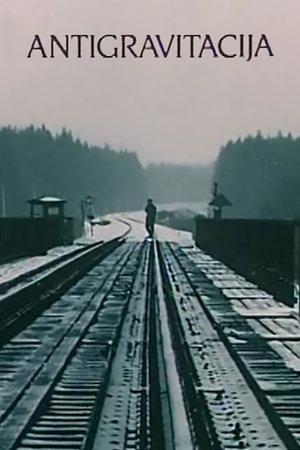
Antigravitation(lt)
1995-01-01
An isolated village in the Lithuanian countryside. Seated in her house, an elderly woman recites an old folk story. Then she climbs up the tall ladder that takes her to the rooftop of the church.
53%
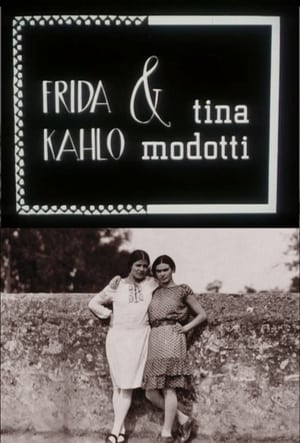
Frida Kahlo & Tina Modotti(en)
1983-01-01
An unconventional portrait of painter Frida Kahlo and photographer Tina Modotti. Simple in style but complex in its analysis, it explores the divergent themes and styles of two contemporary and radical women artists working in the upheaval of the aftermath of the Mexican Revolution.
0%
Alcoholism and Its Consequences(ru)
1913-01-01
Alcoholism and its Ill-Effects was considered to be one of the most popular science propaganda (or educational) films produced in Russia before the revolution of 1917. Alexander Khanzhonkov, the most prominent Russian film producer of that era, financed a special department dedicated to non-fictional cinema, despite the fact that such films were not commercially successful. Unfortunately, not a single copy of the film has survived to the present day. All that remains are 12 frames, which were used by Izvolov to create this reconstruction. He also used extracts from critical reviews, published at the time of the film’s release, to produce a soundtrack.
69%
The Méliès Mystery(fr)
2021-01-02
A documentary that details the process of restoring 270 of the 520 lost films of pioneering director Georges Méliès, all orchestrated by a Franco-American collaboration between Lobster Films, the National Film Center, and the Library of Congress.
0%
Being Seen(en)
2023-07-29
A group of African American students at the University of Arizona reveals the importance of political spaces within Universities in times of intolerance.

77%
Brasilia, Contradictions of a New City(pt)
1968-01-01
In 1967, de Andrade was invited by the Italian company Olivetti to produce a documentary on the new Brazilian capital city of Brasília. Constructed during the latter half of the 1950s and founded in 1960, the city was part of an effort to populate Brazil’s vast interior region and was to be the embodiment of democratic urban planning, free from the class divisions and inequalities that characterize so many metropolises. Unsurprisingly, Brasília, Contradições de uma Cidade Nova (Brasília, Contradictions of a New City, 1968) revealed Brasília to be utopic only for the wealthy, replicating the same social problems present in every Brazilian city. (Senses of Cinema)

70%
Searching for Bong(ko)
2015-10-29
Unlike our dream of becoming a great filmmaker, the movie boards that adults talk about are tough. We are looking for our idol, Bong Joon-ho...

0%
She Sings for the World(zh)
2023-08-31
A Chinese Canadian son sets out to make a film on his mother, who was once known as the first ever Chinese Opera Singer to have performed Pingju Opera in English in late 1980's China.
0%
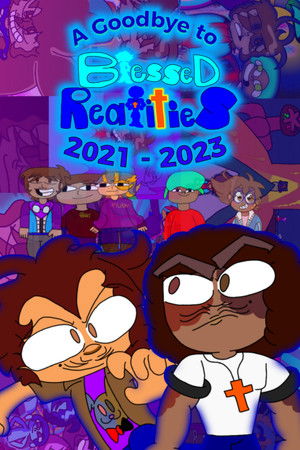
A Goodbye to Blessed Realities(en)
2024-02-25
A video essay that despite, multiple delays, finally released to document the story and cancellation of solo-dev Heavenly Den!'s game, Blessed Realities, as a way to bring closure to the game and the studio's story. The story is over.

100%
The MiG-21 Project(en)
2025-06-19
The 25-minute long documentary details the entirety of the artistic process from Ralph Ziman’s inspiration for the project and acquisition of the MiG-21, to the international collaboration to create the beadwork and assemble the art piece, leading up to the project’s unveiling at The Museum of Flight. Also covered in the film is background on the MiG-21, including details about the plane used (decommissioned tail number 8971) and how MiGs’ presence in the Angolan Civil War ultimately hastened the end of white rule in South Africa. See historical footage and personal interviews, including the Polish pilot who flew tail number 8971 in the 1980s, a South African Border War pilot and the team of artists and craftspeople in Southern Africa and the United States who took on the huge task of covering the aircraft in tens of millions of glass beads.

42%
Song 5(en)
1964-03-20
SONG 5: A childbirth song (the Songs are a cycle of silent color 8mm films by the American experimental filmmaker Stan Brakhage produced from 1964 to 1969).
75%
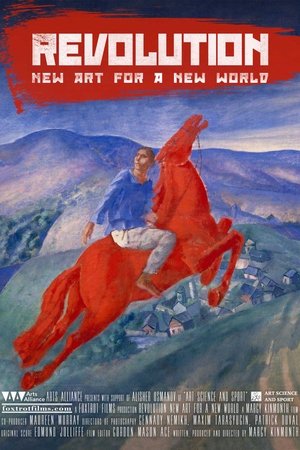
Revolution: New Art for a New World(en)
2017-03-08
Drawing on the collections of major Russian institutions, contributions from contemporary artists, curators and performers and personal testimony from the descendants of those involved, the film brings the artists of the Russian Avant-Garde to life. It tells the stories of artists like Chagall, Kandinsky and Malevich - pioneers who flourished in response to the challenge of building a new art for a new world, only to be broken by implacable authority after 15 short years and silenced by Stalin's Socialist Realism.
59%
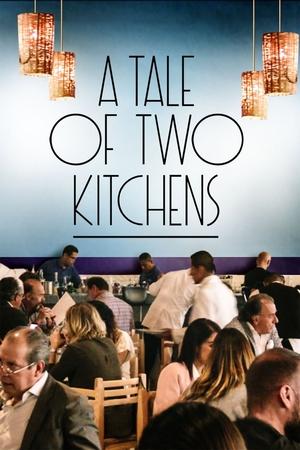
A Tale of Two Kitchens(en)
2019-05-22
Two countries, two restaurants, one vision. At Gabriela Cámara's acclaimed Contramar in Mexico City, the welcoming, uniformed waiters are as beloved by diners as the menu featuring fresh, local seafood caught within 24 hours. The entire staff sees themselves as part of an extended family. Meanwhile at Cala in San Francisco, Cámara hires staff from different backgrounds and cultures, including ex-felons and ex-addicts, who view the work as an important opportunity to grow as individuals. A Tale of Two Kitchens explores the ways in which a restaurant can serve as a place of both dignity and community.