Loading Page

Time Being(2001)
Status: Released
Date: 2001-10-13
60%
1 Votes
Time: 1h 2m
Overview:
“Cinema isn’t materials…it is refined, imaginative seeing…darkness made visible…[it] existed long before modern devices, since the first opening of the first animal eyelid…scene one, take one.... We invent the world as we are seeing it. Anything can happen” (Andrew Noren)
Languages: No Language.
Countries:
United States of America
Movie: Time Being
Loading Photos
Photo Type :Total items
Recommendations Movies
78%
Jodorowsky's Dune(en)
2013-08-30
In 1974, Chilean-French director Alejandro Jodorowsky embarked on the quixotic project of adapting Frank Herbert's influential novel Dune (1969) for the big screen. After investing two years, and millions of dollars, the gigantic project ended in failure; but the artists Jodorowsky brought together to carry it out continued to work together, and ended up laying the foundations for modern science fiction cinema.

68%
Making Waves: The Art of Cinematic Sound(en)
2019-10-25
The history of cinematic sound, told by legendary sound designers and visionary filmmakers.

78%
The Skywalker Legacy(en)
2020-03-18
The story lives forever in this feature-length documentary that charts the making of Star Wars: The Rise of Skywalker.

72%
The Director and the Jedi(en)
2018-03-12
An intimate documentary delving into Rian Johnson's process as he comes in as a director new to the Star Wars universe.

72%
Side by Side(en)
2012-08-19
Since the invention of cinema, the standard format for recording moving images has been film. Over the past two decades, a new form of digital filmmaking has emerged, creating a groundbreaking evolution in the medium. Keanu Reeves explores the development of cinema and the impact of digital filmmaking via in-depth interviews with Hollywood masters, such as James Cameron, David Fincher, David Lynch, Christopher Nolan, Martin Scorsese, George Lucas, Steven Soderbergh, and many more.
73%
The Pervert's Guide to Ideology(en)
2012-11-15
A journey into the labyrinthine heart of ideology, which shapes and justifies both collective and personal beliefs and practices: with an infectious zeal and voracious appetite for popular culture, Slovenian philosopher and psychoanalyst Slavoj Žižek analyzes several of the most important films in the history of cinema to explain how cinematic narrative helps to reinforce prevailing ethics and political ideas.
61%
Ararat(en)
2002-05-20
Interrogated by a customs officer, a young man recounts how his life was changed during the making of a film about the Armenian genocide.
67%
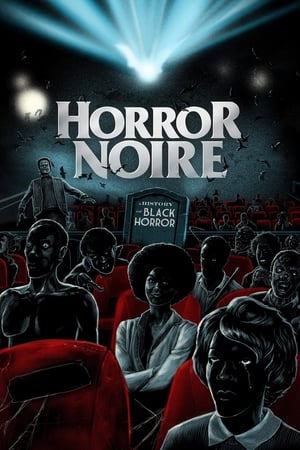
Horror Noire: A History of Black Horror(en)
2019-02-07
Delving into a century of genre films that by turns utilized, caricatured, exploited, sidelined, and finally embraced them, this is the untold history of black Americans in Hollywood through their connection to the horror genre.

65%
Starving in Suburbia(en)
2014-04-26
When seventeen-year-old Hannah stumbles upon a website about Thinspiration--an online community devoted to anorexia as a life choice--she becomes an obsessive follower of the site founder, ButterflyAna. By the time Hannah's family realizes what is happening and get Hannah the help she needs, the disease has fully taken hold and Hannah is refusing to eat. Will this family be able to exorcise the demon of anorexia from their lives?
64%
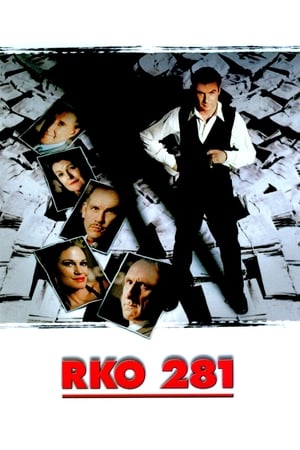
RKO 281(en)
1999-11-20
In 1939, boy-wonder Orson Welles leaves New York, where he has succeeded in radio and theater, and, hired by RKO Pictures, moves to Hollywood with the purpose of making his first film.

70%
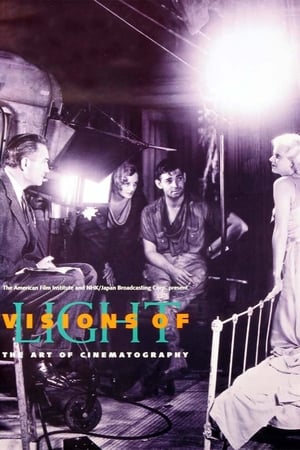
Visions of Light(en)
1992-09-17
Cameramen and women discuss the craft and art of cinematography and of the "DP" (the director of photography), illustrating their points with clips from 100 films, from Birth of a Nation to Do the Right Thing. Themes: the DP tells people where to look; changes in movies (the arrival of sound, color, and wide screens) required creative responses from DPs; and, these artisans constantly invent new equipment and try new things, with wonderful results. The narration takes us through the identifiable studio styles of the 30s, the emergence of noir, the New York look, and the impact of Europeans. Citizen Kane, The Conformist, and Gordon Willis get special attention.
61%
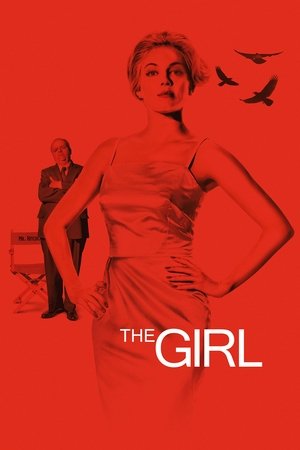
The Girl(en)
2012-10-22
Director Alfred Hitchcock is revered as one of the greatest creative minds in the history of cinema. Known for his psychological thrillers, Hitchcock’s leading ladies were cool, beautiful and preferably blonde. One such actress was Tippi Hedren, an unknown fashion model given her big break when Hitchcock’s wife saw her on a TV commercial. Brought to Universal Studios, Hedren was shocked when the director, at the peak of his career, quickly cast her to star in his next feature, 1963’s The Birds. Little did Hedren know that as ambitious and terrifying as the production would be to shoot, the most daunting aspect of the film ended up coming from behind the camera.
62%
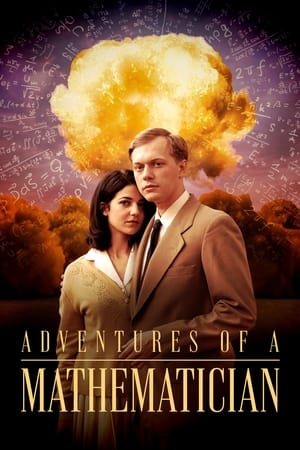
Adventures of a Mathematician(en)
2021-06-11
The warmhearted story of Polish immigrant and mathematician Stan Ulam, who moved to the U.S. in the 1930s. Stan deals with the difficult losses of family and friends all while helping to create the hydrogen bomb and the first computer.

64%
Icefall(en)
2025-10-16
A young Indigenous game warden arrests an infamous poacher only to discover that the poacher knows the location of a plane carrying millions of dollars that has crashed in a frozen lake. When a group of criminals and dirty cops are alerted to the poacher’s whereabouts, the warden and the poacher team up to fight back and escape across the treacherous lake before the ice melts.

69%
Voyage of Time: The IMAX Experience(en)
2016-10-07
A celebration of the universe, displaying the whole of time, from its start to its final collapse. This film examines all that occurred to prepare the world that stands before us now: science and spirit, birth and death, the grand cosmos and the minute life systems of our planet.

67%
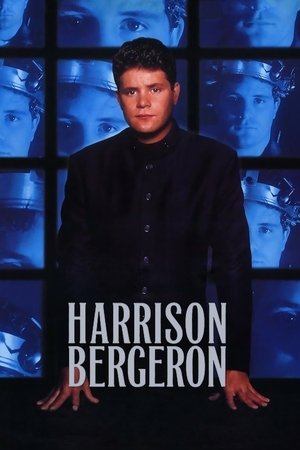
Harrison Bergeron(en)
1995-08-13
"All men are not created equal. It is the purpose of the Government to make them so." This is the premise of the Showtime film adaption of Kurt Vonnegut's futuristic short story Harrison Bergeron. The film centers around a young man (Harrison) who is smarter than his peers, and is not affected by the usual "Handicapping" which is used to train all Americans so everyone is of equal intelligence.
61%
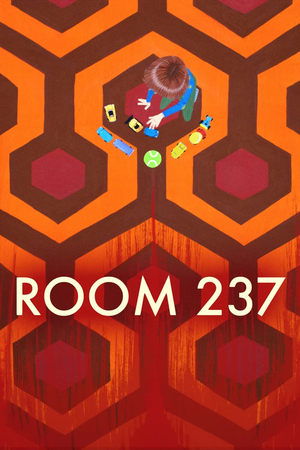
Room 237(en)
2012-10-26
A subjective documentary that explores various theories about hidden meanings in Stanley Kubrick's classic film The Shining. Five very different points of view are illuminated through voice over, film clips, animation and dramatic reenactments.
62%
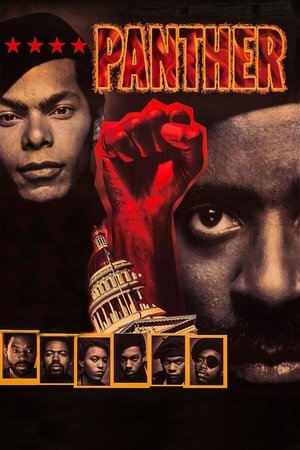
Panther(en)
1995-05-03
In this sprawling, fictionalized history of the Black Panthers, 1960s Oakland becomes a war zone as the Panthers battle for the right to exist.