

Seeing Spain(1953)
This Traveltalk series short looks at four of Spain's most famous cities, Granada, Seville, Toledo, and Madrid, with an emphasis on the Moors and their influence on the country.

Movie: Seeing Spain
Top 1 Billed Cast

Narrator (voice)
HomePage
Overview
This Traveltalk series short looks at four of Spain's most famous cities, Granada, Seville, Toledo, and Madrid, with an emphasis on the Moors and their influence on the country.
Release Date
1953-10-17
Average
0
Rating:
0.0 startsTagline
Genres
Languages:
EnglishKeywords
Recommendations Movies
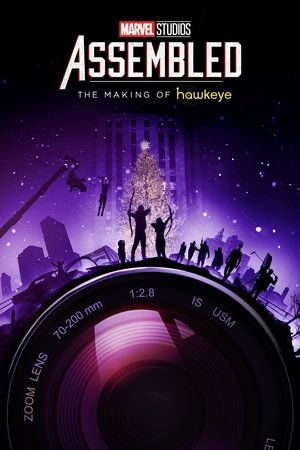
Marvel Studios Assembled: The Making of Hawkeye(en)
Join the likes of Jeremy Renner, Hailee Steinfeld, Florence Pugh, and Vincent D’Onofrio as they reveal how Marvel Studios’ “Hawkeye” was conceived and created. Witness firsthand what it took to pull off the show’s pulse-pounding action set pieces, and discover how iconic characters from the pages of Marvel Comics such as Kate Bishop were adapted and brought to life for the six-episode series.
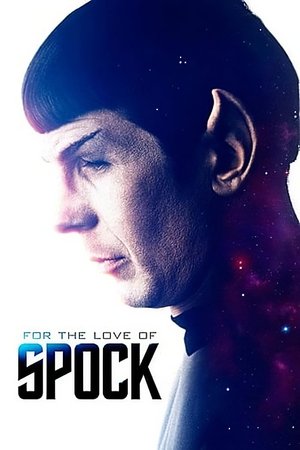
For the Love of Spock(en)
The life of Mr. Spock, as well as that of Leonard Nimoy, the actor who played him for almost fifty years, written and directed by his son: Adam.
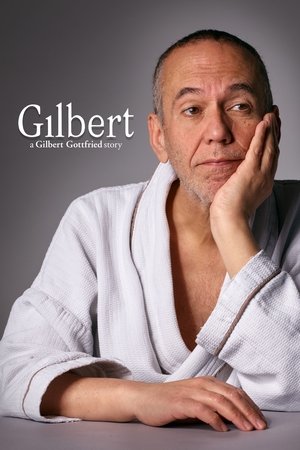
Gilbert(en)
The life and career of one of comedy's most inimitable modern voices, Mr. Gilbert Gottfried.
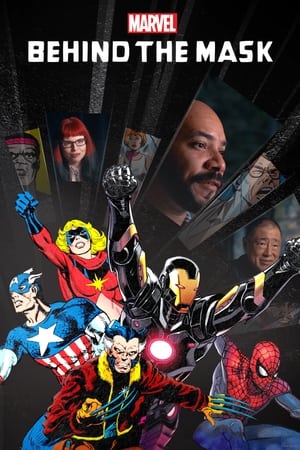
Marvel's Behind the Mask(en)
A documentary special that explores the power of identity behind the iconic superheroes we know and love today. These legendary Marvel creations and stories have not only reflected the world outside our window – they have become a reflection of our own identities and who we truly are.
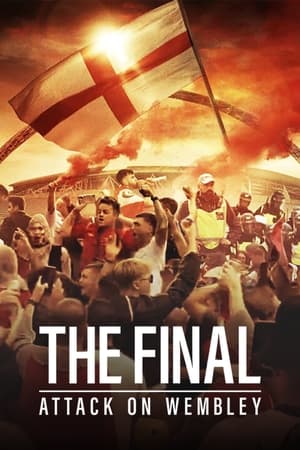
The Final: Attack on Wembley(en)
As England reach the final of the Euros at last, 6,000 ticketless football fans storm Wembley stadium, leaving destruction in their wake.

The Class of ‘92(en)
A detailing of the rise to prominence and global sporting superstardom of six supremely talented young Manchester United football players (David Beckham, Nicky Butt, Ryan Giggs, Paul Scholes, Phil and Gary Neville). The film covers the period 1992-1999, culminating in Manchester United's European Cup triumph.

I Am Heath Ledger(en)
The life and career of an actor, artist, and icon. His own journey through his own camera.
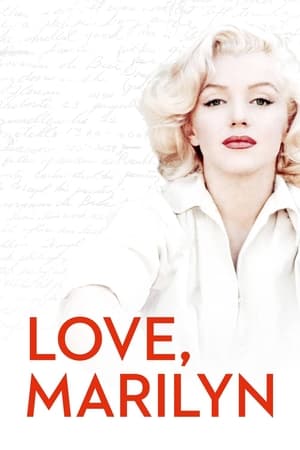
Love, Marilyn(en)
Using the book 'Fragments', which collects Marilyn Monroe's poems, notes and letters, and with participation from the Arthur Miller and Truman Capote estates who have contributed more material, each of the actresses will embody the legend at various stages in her life.
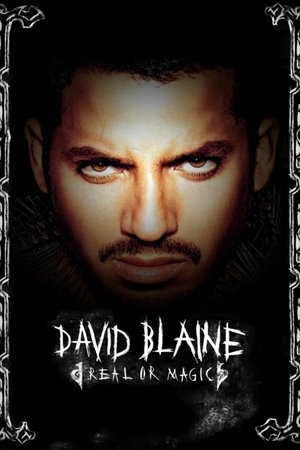
David Blaine: Real or Magic(en)
David Blaine's signature brand of street magic mystifies the most recognisable celebrities in the world, such as Jamie Foxx, Bryan Cranston, Aaron Paul, Ricky Gervais, Katy Perry, Woody Allen, and Robert DeNiro, to name a few. He goes to the homes of Kanye West and Harrison Ford, Will Smith and Olivia Wilde. He pays a visit to Stephen Hawking at his office in Cambridge University. Blaine also travels the world, astonishing people from all walks of life with never-before seen, inconceivable magic.
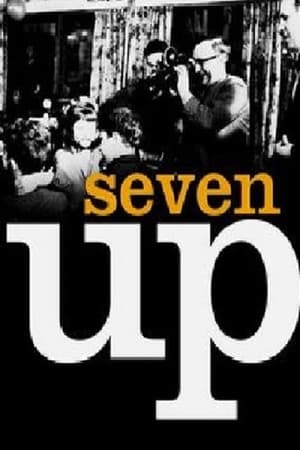
Seven Up!(en)
A group of British children aged 7 from widely ranging backgrounds are interviewed about a range of subjects. The filmmakers plan to re-interview them at 7 year intervals to track how their lives and attitudes change as they age.
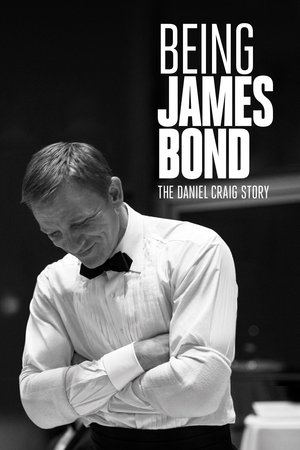
Being James Bond(en)
Daniel Craig candidly reflects on his 15 year adventure as James Bond. Including never-before-seen archival footage from Casino Royale to the upcoming 25th film No Time To Die, Craig shares his personal memories in conversation with 007 producers, Michael G Wilson and Barbara Broccoli.
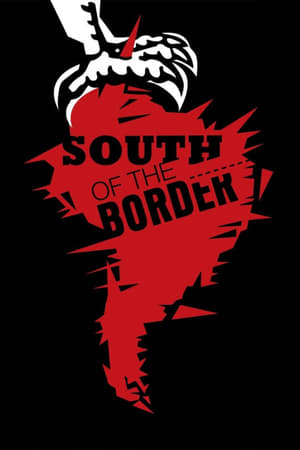
South of the Border(en)
A road trip across five countries to explore the social and political movements as well as the mainstream media's misperception of South America while interviewing seven of its elected presidents.

Spider-Man: All Roads Lead to No Way Home(en)
JB Smoove and Martin Starr host a celebration of 20 years of "Spider-Man" movies, from the Sam Raimi trilogy to Marc Webb's movies and the trio from Jon Watts.
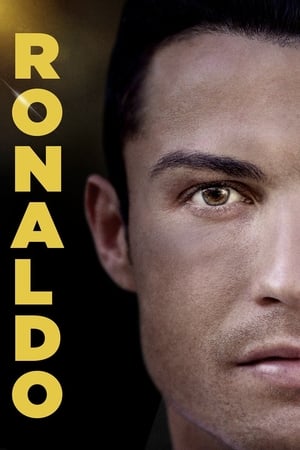
Ronaldo(en)
Filmed over 14 months with unprecedented access into the inner circle of the man and the sport, this is the first official and fully authorised film of one of the most celebrated figures in football. For the first time ever, the world gets vividly candid and un-paralleled, behind-closed-doors access to the footballer, father, family-man and friend in this moving & fascinating documentary. Through in-depth conversations, state of the art football footage and never before seen archival footage, the film gives an astonishing insight into the sporting and personal life of triple Ballon D'Or winner Cristiano Ronaldo at the peak of his career. From the makers of ‘Senna’ and ‘Amy’, Ronaldo takes audiences on an intimate and revealing journey of what it’s like to live as an iconic athlete in the eye of the storm.
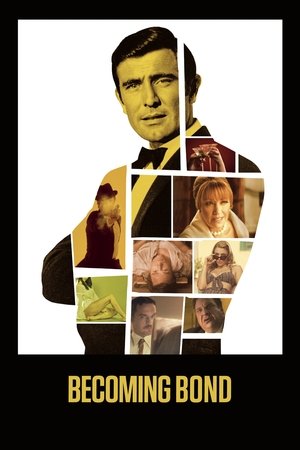
Becoming Bond(en)
The stranger-than-fiction true story of George Lazenby, a poor Australian car mechanic who, through an unbelievable set of circumstances, landed the role of James Bond despite having never acted a day in his life.
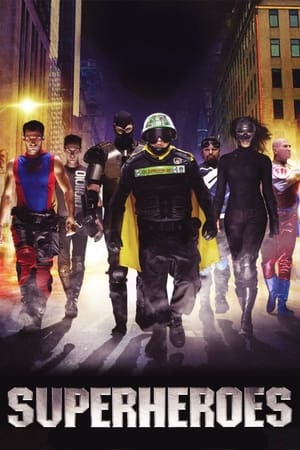
Superheroes(en)
A journey inside the world of real life caped crusaders. From all over America, these self-proclaimed crime fighters, don masks, homemade costumes and elaborate utility belts in an attempt to bring justice to evildoers everywhere.
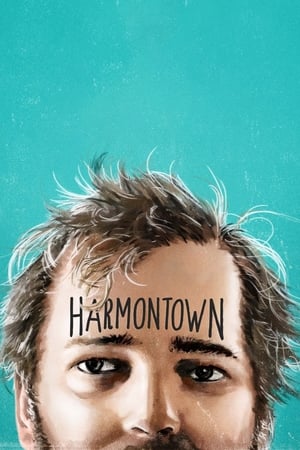
Harmontown(en)
A comedic, brutally honest documentary following self-destructive TV writer Dan Harmon as he takes his live podcast on a national tour.
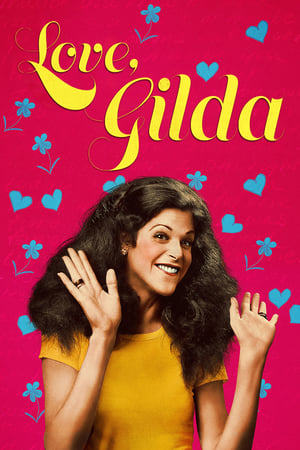
Love, Gilda(en)
Diaries, audiotapes, videotapes and testimonials from friends and colleagues offer insight into the life and career of Gilda Radner -- the beloved comic and actress who became an icon on Saturday Night Live.
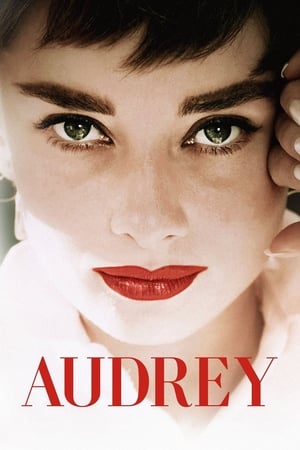
Audrey(en)
An unprecedented and intimate look at the life, work and enduring legacy of British actress Audrey Hepburn (1929-1993).
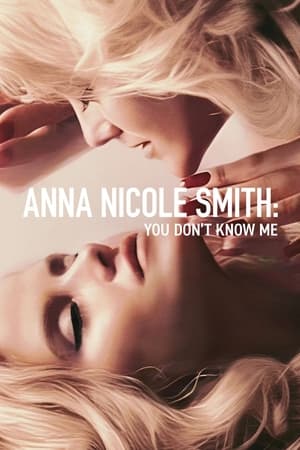
Anna Nicole Smith: You Don't Know Me(en)
From the heights of her modeling fame to her tragic death, this documentary reveals Anna Nicole Smith through the eyes of the people closest to her.
Similar Movies
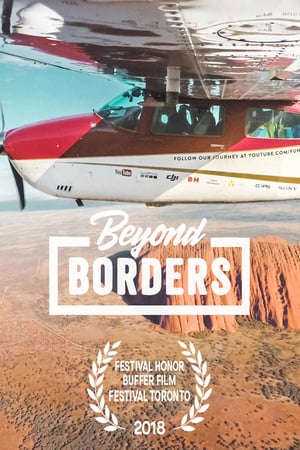
Beyond Borders(en)
Pilot JP Schulze and filmmaker Louis Cole set off to circumnavigate the world in a single-engine, 1974 Cessna T210L airplane named Balloo. They had 90 days to complete the journey, and as they traveled they met people from many different cultures and asked them - is what divides us greater than what brings us together?
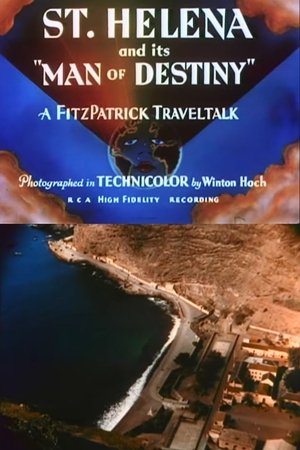
St. Helena and Its 'Man of Destiny'(en)
The remote island of St. Helena, a British possession located in the south Atlantic, is perhaps best known as where Napoleon Bonaparte was exiled/imprisoned for the final six years of his life and where he died in 1821. His legacy on the island remains today, despite his body being disinterred and moved back to France in 1840. His home was at Longwood, one area of the island now ceded to the French in respect of its former resident. The island was discovered and named by the Portuguese in 1502. Until the British took over, many other European countries had or wanted possession of the island because of its location along natural trade routes. Jamestown is the island's only port, named after King James. With 4,000 inhabitants, St. Helena is self supporting, growing primarily potatoes and flax. However, its primary economic generator is the sale of the rare St. Helena postage stamp.
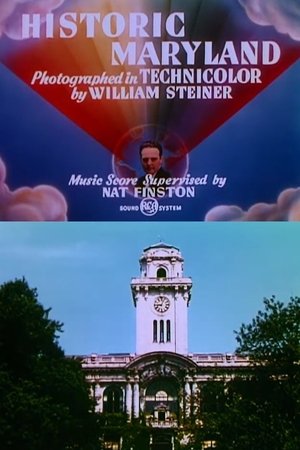
Historic Maryland(en)
This Traveltalk series short highlights such Maryland destinations as Baltimore, Johns Hopkins, Annapolis, and Fort McHenry.
Visiting St. Louis(en)
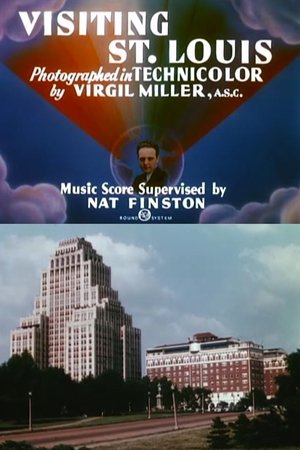
This FitzPatrick Traveltalk series short visit to St. Louis, Missouri starts with a brief history lesson. We then see several of the city's architectural landmarks and the many types of vessels that travel on the Mississippi River. Time is also spent at the zoological garden in Forest Park, where we see rhinoceros, giraffes, polar bears, giant pandas, and a group of trained elephants.
Seeing El Salvador(en)
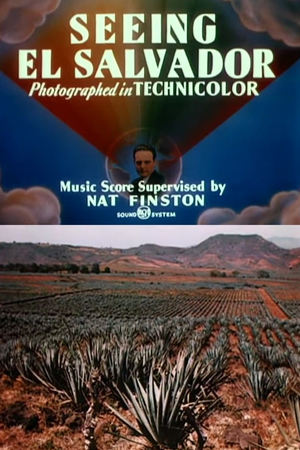
This Traveltalk series short starts in San Salvador, El Salvador's capital, emphasizing the Spanish architectural heritage. We then go to the Izalco Volcano, which was created in 1770 by an eruption of the Santa Ana Volcano. The focus then shifts to the country's agriculture. The two main products are coffee and henequen, a plant with tough, fibrous leaves used to make rope, baskets, and other products.
Modern Guatemala City(en)
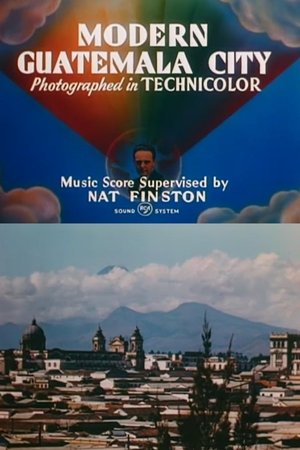
This FitzPatrick Traveltalk short visits Guatemala City, touching upon its sights, customs, and history.
Picturesque Patzcuaro(en)
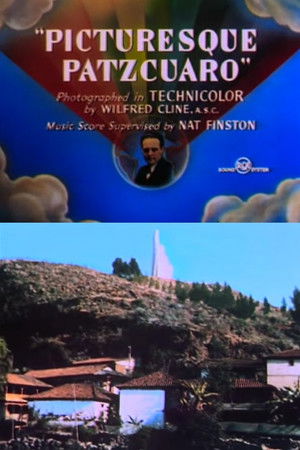
Lake Patzcuaro, located 230 miles west of Mexico City, is one of the highest and most picturesque bodies of water in Mexico. The heritage of the indigenous peoples of the area, the Tarascans, still prevails, such as the production of lacquer-ware handicrafts, and the means of hunting and fishing, the latter which uses nets shaped like large butterfly wings. Although most current day Tarascans are Roman Catholic, they have not totally abandoned their indigenous pagan gods. On Janitzio, one of the many islands in the lake, stands a large statue commemorating José María Morelos, a prominent figure in Mexican liberation and a great benefactor to the Tarascans. Janitzio is also the inspiration for many famous paintings. The town of Tzintzuntzan just inland from the lake's shore acts as the regional center for the market and for festivals.
Frenesí en la gran ciudad(es)
The Building(es)
The documentary captures the fall or rebuilding what had been a symbol of the Franco regime, but the cessation of work due to the economic crisis turns into a viewer of the financial and economic paralysis of the country during these years.
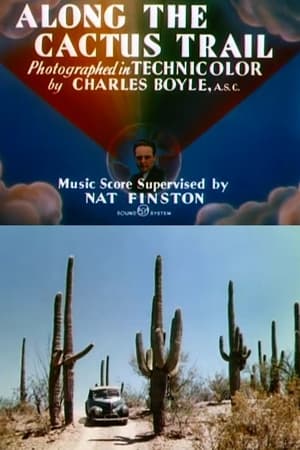
Along the Cactus Trail(en)
The drive from Riverside, California to Phoenix, Arizona is affectionately known as the Cactus Trail. Starting in Riverside, sights of note include: the Mission Inn in Riverside whose unique style was the brainchild of Frank Miller; the Chapel of St. Francis in Riverside, which because of its dedication to aviation is the site of many weddings associated with aviators; the Camelback Mountain outside of Phoenix, so named for its shape.
Colorful Colorado(en)
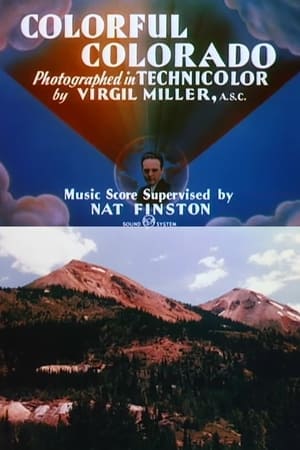
This Traveltalk series short starts off in Denver, capital of Colorado. Known as a recreational and health center, it is noted for its beautiful parks. The Museum of Natural History has specimens of local animal life. About an hour's drive from Denver on Lookout Mountain is the grave of Col. William Cody, 'Buffalo Bill', known as a scout and a plainsman. In Colorado Springs, there is a monument to the great American humorist Will Rogers who loved the stretches of open country. Much of the mountain area of Colorado is owned by the Federal government as national forest and there are many well stocked trout streams. In Mesa Verde National Park you will find the cave dwellings once used by Native Americans.

Singapore and Jahore(en)
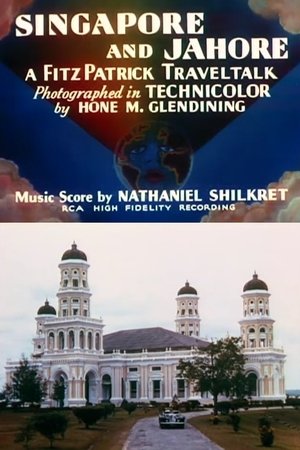
A visit to Singapore, an essential port city in Britain's empire, established in 1813 when Raffles negotiated its separation from the independent Malay state of Jahor. The camera observes Singapore's traditional neighborhoods, trade, and small craft, which are dominated by people of Chinese ancestry. Then, we drive the modern causeway to Jahor's small capital, Johor Bahru, for a look at imposing buildings and a visit to the grounds of the sultan. The sultan's son invites the crew in, and we meet the sultan, "H.H." himself. The narrator relates the sultan's commitment to commerce, economic well-being, and tolerance, stemming in part from his European education.
Old New Mexico(en)
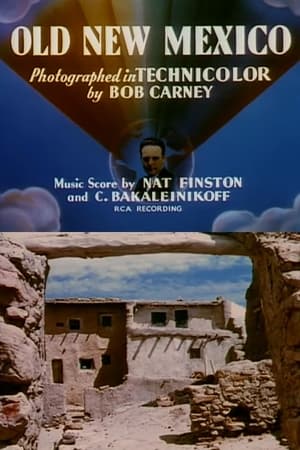
This Traveltalk series short takes viewers on a tour of old New Mexico. Starting in Santa Fe, the oldest state capitol in the USA, the city existed long before European migration. It's unique architecture is its most prominent feature. There are several archaeological sites trying to date when Indians first settled in the area. Seven percent of the population are of Indian origin. Near Taos is the onetime home of Kit Carson whose grave is one of the sacred shrines of New Mexico. The Navajo live on their 14 million acre reservation and continue their traditional way of life.
Land of the Mayas(en)
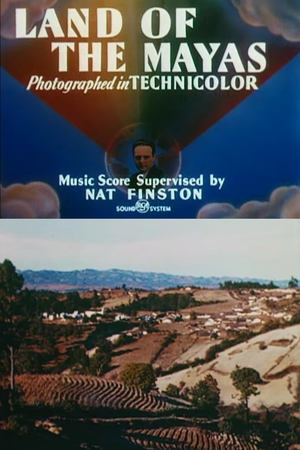
This Traveltalk series short visits the village of Chichicastenango, Guatemala and emphasizes the influence of the Mayan culture on its people. It shows how the residents intermingle ancient religious practices with Catholic teachings. Narrator James FitzPatrick introduces, and greets on camera, Father Ildefonso Rossbach, a Catholic priest who ministers to the local population in the village and outlying areas.

Pretoria to Durban(en)
This Traveltalk series short gives a glimpse into South African history, albeit from a white person's viewpoint. South Africa is a union of four separate states: the Transvaal, the Orange Free State, Natal, and the Cape Provence.