Loading Page

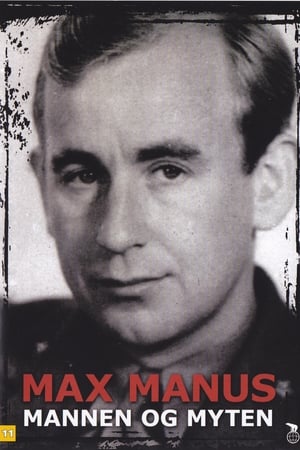
Max Manus - Mannen og Myten(1996)
Status: Released
Date: 1996-01-01
90%
1 Votes
Time: 0h 54m
Overview:
The life of Maximo Guillermo "Max" Manus, a Norwegian resistance fighter, before and after World War II.
Languages: Norwegian.
Countries:
Norway
ProductionCompanies: 
Movie: Max Manus - Mannen og Myten
Top 1 Billed Cast
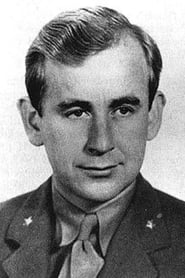
Maximo Guillermo Manus
Max Manus
HomePage
Overview
The life of Maximo Guillermo "Max" Manus, a Norwegian resistance fighter, before and after World War II.
Release Date
1996-01-01
Average
9
Rating:
4.5 startsTagline
Genres
Languages:
NorskKeywords
Recommendations Movies

72%
Number 24(no)
2024-10-30
On the brink of the Second World War, a young Norwegian man's drive to resist the Nazis sets a new course for his future – and the future of his country.
71%
Max Manus: Man of War(no)
2008-12-18
Max Manus is a Norwegian 2008 biographic war film based on the real events of the life of resistance fighter Max Manus (1914–96), after his contribution in the Winter War against the Soviet Union. The story follows Manus through the outbreak of World War II in Norway until peacetime in 1945.

74%
Red Army(en)
2015-01-23
A documentary highlighting the Soviet Union's legendary and enigmatic hockey training culture and world-dominating team through the eyes of the team's Captain Slava Fetisov, following his shift from hockey star and celebrated national hero to political enemy.

76%
Night Will Fall(en)
2014-06-07
When Allied forces liberated the Nazi concentration camps in 1944-45, their terrible discoveries were recorded by army and newsreel cameramen, revealing for the first time the full horror of what had happened. Making use of British, Soviet and American footage, the Ministry of Information’s Sidney Bernstein (later founder of Granada Television) aimed to create a documentary that would provide lasting, undeniable evidence of the Nazis’ unspeakable crimes. He commissioned a wealth of British talent, including editor Stewart McAllister, writer and future cabinet minister Richard Crossman – and, as treatment advisor, his friend Alfred Hitchcock. Yet, despite initial support from the British and US Governments, the film was shelved, and only now, 70 years on, has it been restored and completed by Imperial War Museums under its original title "German Concentration Camps Factual Survey".
68%
Narvik(no)
2022-12-25
April, 1940. The eyes of the world are on Narvik, a small town in northern Norway, a source of the iron ore needed for Hitler's war machine. Through two months of fierce winter warfare, the German leader is dealt with his first defeat.
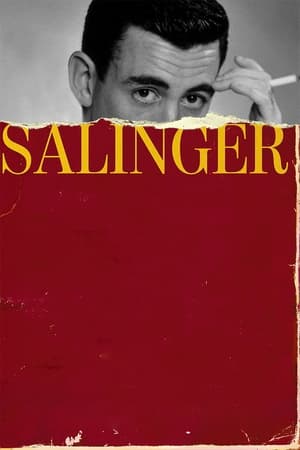
63%
Salinger(en)
2013-09-06
An in-depth investigation into the private world of the American writer J. D. Salinger (1919-2010), who lived most of his life behind the impenetrable wall of a self-imposed seclusion: how his dramatic experiences during World War II influenced his life and work, his relationships with very young women, his obsessive writing methods, his many literary secrets.
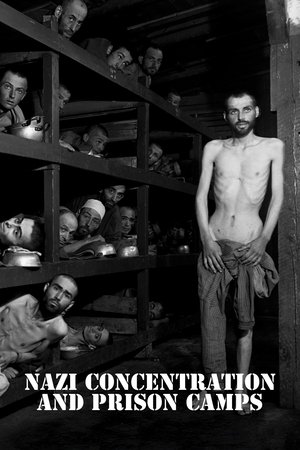
77%
Nazi Concentration Camps(en)
1945-11-29
Produced and presented as evidence at the Nuremberg war crimes trial of Hermann Göring and twenty other Nazi leaders, this film consists primarily of dead and surviving prisoners and of facilities used to kill and torture during the World War II.

72%
Love, Gilda(en)
2018-04-18
Diaries, audiotapes, videotapes and testimonials from friends and colleagues offer insight into the life and career of Gilda Radner -- the beloved comic and actress who became an icon on Saturday Night Live.
74%
Nuremberg(en)
2025-11-06
In postwar Germany, an American psychiatrist must determine whether Nazi prisoners are fit to go on trial for war crimes, and finds himself in a complex battle of intellect and ethics with Hermann Göring, Hitler's right-hand man.
59%
We Go In at Dawn(en)
2020-03-16
When a high-ranking war planner is captured and held in a German prisoner of war camp, a team of specialists take on the dangerous mission of trying to break him out. Trouble is, he doesn't want to be rescued.
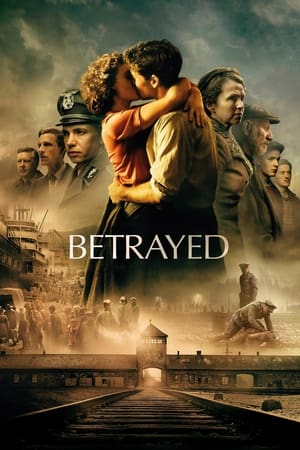
70%
Betrayed(no)
2020-12-25
During World War II, millions of Jews from all over Europe are deported and killed in German concentration camps. When the German troops invade Norway, the Norwegian Jews feel safe and protected. But anti-Semitism knows no borders and as the war escalates in Europe, the situation changes drastically. Suddenly, their radios are taken away; their passports are stamped with a big J and one day, all the men men over the age of 15 are arrested and taken to prisons camps. Many of the women left behind are too frightened to escape and are desperately waiting for their husbands and sons to come back home. On November 26, 1942, hundreds of Jews are picked up by the police in the middle of the night and are transported to the dock in Oslo. Unknowing and frightened men, women, children, sick and old are forced on board the awaiting German cargo ship "SS DONAU". The ship leaves with 532 Norwegian Jews onboard; 302 men, 188 women and 42 children. The end station is Auschwitz.
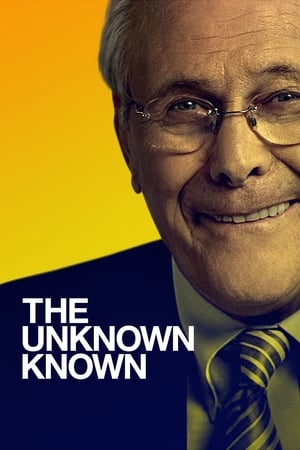
68%
The Unknown Known(en)
2013-08-29
Former United States Secretary of Defense, Donald Rumsfeld, discusses his career in Washington D.C. from his days as a congressman in the early 1960s to planning the invasion of Iraq in 2003.
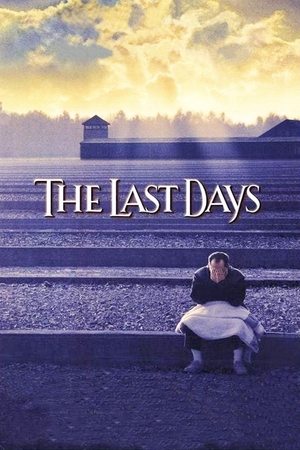
75%
The Last Days(en)
1998-10-23
Five Jewish Hungarians, now US citizens, tell their stories: before March 1944, when Nazis began to exterminate Hungarian Jews, months in concentration camps, and visiting childhood homes more than 50 years later. An historian, a Sonderkommando, a doctor who experimented on Auschwitz prisoners, and US soldiers who were part of the liberation in April 1945.
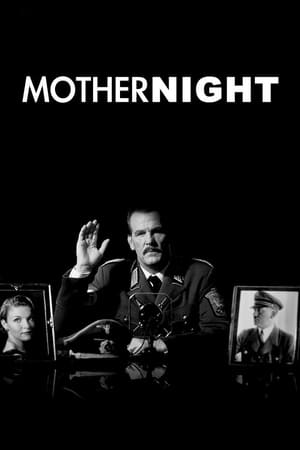
66%
Mother Night(en)
1996-11-01
An American spy behind the lines during WWII serves as a Nazi propagandist, a role he cannot escape in his future life as he can never reveal his real role in the war.
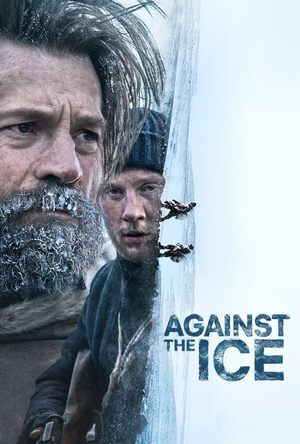
68%
Against the Ice(en)
2022-02-10
In 1909, two explorers fight to survive after they're left behind while on a Danish expedition in ice-covered Greenland.

75%
Irena's Vow(en)
2024-04-15
19 year old Irena Gut is promoted to housekeeper in the home of a highly respected Nazi officer in Poland when she finds out that the Jewish ghetto is about to be liquidated. Determined to help twelve Jewish workers, she decides to shelter them in the safest place she can think of – the basement of the German Major's house. Over the next eight months, Irena uses her wit, humour and immense courage to hide her friends as long as possible.

72%
Seven Years in Tibet(en)
1997-09-12
Austrian mountaineer Heinrich Harrer journeys to the Himalayas without his family to head an expedition in 1939. But when World War II breaks out, the arrogant Harrer falls into Allied forces' hands as a prisoner of war. He escapes with a fellow detainee and makes his way to Lhasa, Tibet, where he meets the 14-year-old Dalai Lama, whose friendship ultimately transforms his outlook on life.

70%
Ronaldo(en)
2015-11-09
Filmed over 14 months with unprecedented access into the inner circle of the man and the sport, this is the first official and fully authorised film of one of the most celebrated figures in football. For the first time ever, the world gets vividly candid and un-paralleled, behind-closed-doors access to the footballer, father, family-man and friend in this moving & fascinating documentary. Through in-depth conversations, state of the art football footage and never before seen archival footage, the film gives an astonishing insight into the sporting and personal life of triple Ballon D'Or winner Cristiano Ronaldo at the peak of his career. From the makers of ‘Senna’ and ‘Amy’, Ronaldo takes audiences on an intimate and revealing journey of what it’s like to live as an iconic athlete in the eye of the storm.

67%
The U.S. vs. John Lennon(en)
2006-09-15
A documentary on the life of John Lennon, with a focus on the time in his life when he transformed from a musician into an antiwar activist.
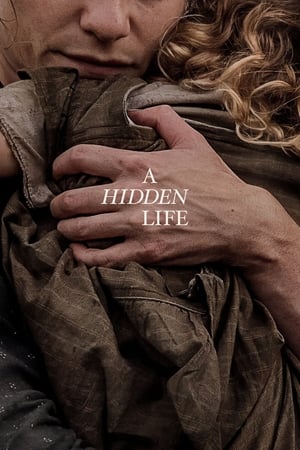
72%
A Hidden Life(en)
2019-08-27
Austrian farmer Franz Jägerstätter faces the threat of execution for refusing to fight for the Nazis during World War II.
Similar Movies
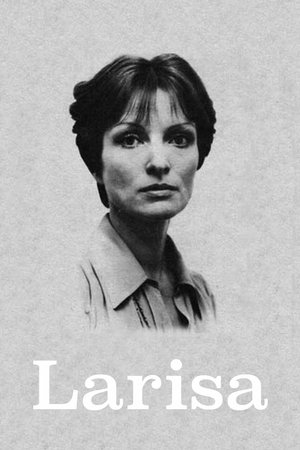
61%
Larisa(ru)
1980-10-01
Elem Klimov's tribute to his late wife, director Larisa Shepitko, killed in a car accident a year earlier. Features excerpts from all of her films, and archival audio of her discussing life and art.
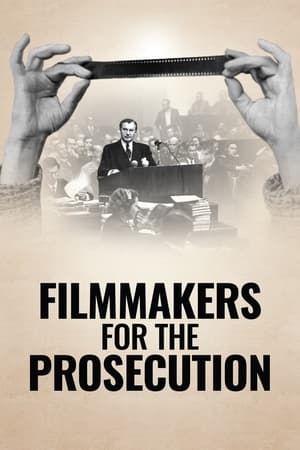
65%
Filmmakers for the Prosecution(fr)
2023-01-27
In 1945, two young American soldiers, brothers Budd and Stuart Schulberg, are commissioned to collect filmed and recorded evidence of the horrors committed by the infamous Third Reich in order to prove Nazi war crimes during the Nuremberg trials (1945-46). The story of the making of Nuremberg: Its Lesson for Today, a paramount historic documentary, released in 1948.

74%
Vivien Leigh, autant en emporte le vent(fr)
2021-01-03
In "Gone with the Wind" she was an unforgettable Scarlett O'Hara. Beauty, two-time Oscar winner, celebrated Hollywood star and great Shakespearean interpreter - Vivien Leigh was all that. Behind the celebrity, however, was a fragile person. Her bipolar disorder clouded her success and her private happiness.
0%
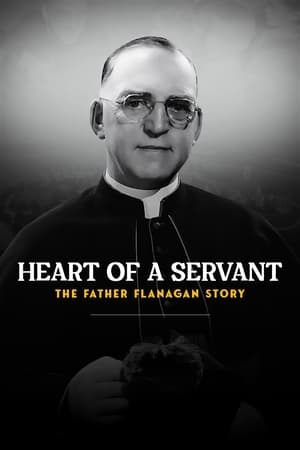
Heart of a Servant: The Father Flanagan Story(en)
2024-10-08
Father Edward J. Flanagan is a familiar name to many Americans, often for the Oscar-winning 1938 film starring Spencer Tracy about Flanagan’s groundbreaking child welfare organization. But the story extends far beyond that, to a man whose name and legacy are still well-known as far as Germany and Japan. Flanagan gained influence and admiration over the course of his life from Presidents, CEOs, celebrities and more, but none mattered more to him than that of the children for whom he tirelessly worked. A sobering reminder of this was during WWII, as Flanagan saw droves of former Boys Town citizens go off to war. In fact, so many former Boys Town boys named Flanagan as their next of kin that the American War Dads Association named him as America’s No. 1 War Dad.

0%
James Stewart, l'ami américain(fr)
2023-01-01

100%
Mary Tyler Moore: A Celebration(en)
2015-10-13
Not only did Mary Tyler Moore “turn the world on with her smile,” as her show’s theme song declared, she also influenced a generation of women to become more independent and to pursue successful and fulfilling careers. Moore’s own 50-plus-year career has spanned award-winning films and Broadway shows, as well as two beloved television series that broke ground and continue to entertain viewers. This one-hour special includes highlights from a recent interview with Mary Tyler Moore, tributes from her co-stars and clips from iconic moments throughout her career. The program looks at her breakthrough role on The Dick Van Dyke Show, her iconic turn as TV's first independent career woman on The Mary Tyler Moore Show and her Academy Award-nominated work on Ordinary People.
0%
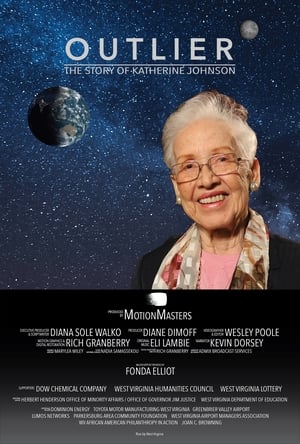
Outlier: the story of Katherine Johnson(en)
2019-11-01
Documentary about an African-American girl who grows up to help NASA put astronauts into space and bring them home safely. She was one of the main characters in the movie, "Hidden Figures." Includes interview with Johnson.

80%
A Mulher da Luz Própria(pt)
2019-06-06
Helena Ignez is one of the main female figures of Brazilian cinema. She developed a new style of acting. Nowadays, she directs independent films. The documentary tells some of the History of Brazilian cinema, its political context and Helena's trajectory.

72%
Katharine Hepburn: All About Me(en)
1993-01-18
In a rare interview, Katharine Hepburn shares her memories and memorabilia.

67%
The Life and Loves of Beethoven(fr)
1937-01-15
Lyrical biography of the classical composer, depicted as a romantic hero, an accursed artist.
0%
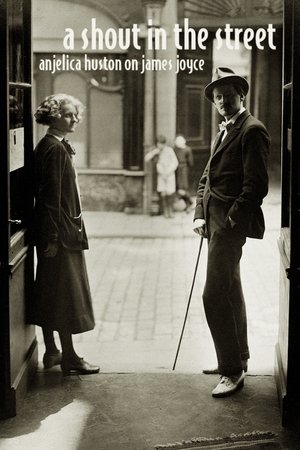
Anjelica Huston on James Joyce: A Shout in the Street(en)
2017-12-13
An account of the life and work of Irish writer James Joyce (1882-1941) narrated by US actress Anjelica Huston.
62%
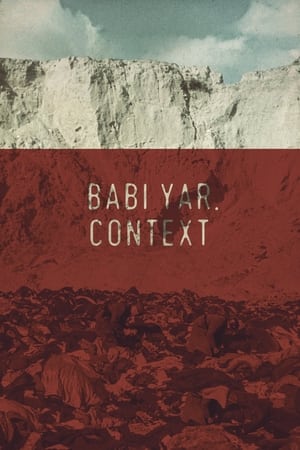
Babi Yar. Context(ru)
2021-11-04
Nazi troops massacre 30,000 Jews over a three-day period in September 1941. Babyn Yar ravine in Kyiv, Ukraine.
70%
Challenging Churchill(de)
2012-07-03
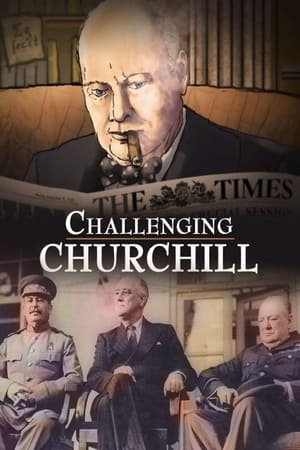
Churchill, a name typically associated with braveness and altruism. Recently found evidence from Soviet and British sources however brings up questions about Churchill's doings in the conferences of Tehran, Yalta and Potsdam. Why did he agree to give Stalin large parts of Poland? The story of two world leaders in times of war - it is also the story of Poland.

55%
Napoleon’s James Bond(de)
2017-10-07
Charles Louis Schulmeister (1770-1853) was a smuggler and a revolutionary, but also a chief of police and Napoleon Bonaparte's favorite spy. A look back on his adventurous life with the purpose of unraveling the many mysteries of his unique path.

0%
Gray Matters(en)
2016-05-27
Gray Matters explores the long, fascinating life and complicated career of architect and designer Eileen Gray, whose uncompromising vision defined and defied the practice of modernism in decoration, design and architecture. Making a reputation with her traditional lacquer work in the first decade of the 20th century, she became a critically acclaimed and sought after designer and decorator in the next before reinventing herself as an architect, a field in which she laboured largely in obscurity. Apart from the accolades that greeted her first building –persistently and perversely credited to her mentor–her pioneering work was done quietly, privately and to her own specifications. But she lived long enough (98) to be re-discovered and acclaimed. Today, with her work commanding extraordinary prices and attention, her legacy, like its creator, remains elusive, contested and compelling.
50%
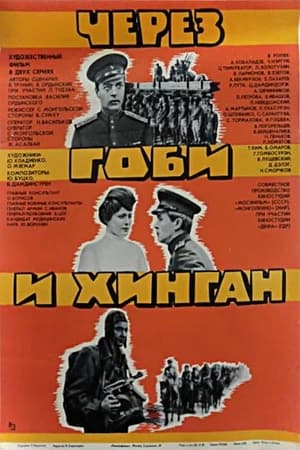
Via Gobi and Khingan(ru)
1981-10-06
About the events of the final stage of the Second World War — the defeat by Soviet and Mongolian troops of the selected Kwantung army. Bacteriological weapons were created in the laboratory of Japanese General Ishii Shiro. Experiments were conducted on prisoners of war and political prisoners. Epidemiologist Dmitry Sokolov was assigned to solve the mystery of this laboratory. At the cost of his own life, he completed the task. The march of Soviet and Mongolian formations through the Gobi sands and the Khingan spurs was not only a brilliant military operation, but also a warning of the use of bacteriological weapons by Japan.

82%
Crash and Burn(en)
2016-12-30
Crash and Burn chronicles the thrilling and turbulent career of Irish racing driver Tommy Byrne, who rose from a rough, working-class background to the cusp of Formula 1 in the 1980s. Directed by Seán Ó Cualáin, the film explores Byrne's undeniable talent and rebellious personality, which set him apart on the track but also clashed with the conservative and elite world of Formula 1. Byrne’s story is filled with highs and lows, from his dominance in lower racing categories to his brief, rocky stint in Formula 1 and subsequent struggles. The documentary combines interviews, archival footage, and personal insights to portray the complexities of Byrne’s character and his “what could have been” legacy in motorsport.
68%
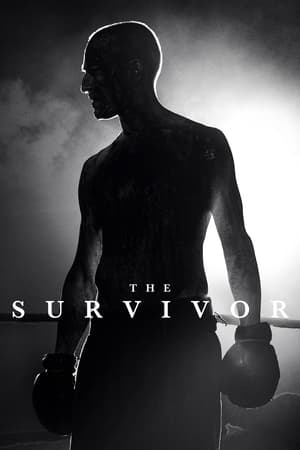
The Survivor(en)
2022-04-07
Harry Haft is a boxer who fought fellow prisoners in the concentration camps to survive. Haunted by the memories and his guilt, he attempts to use high-profile fights against boxing legends like Rocky Marciano as a way to find his first love again.
50%
I Am Not a Freak(en)
1987-11-01
This film is a fascinating look at some people afflicted with congenital deformities of an extreme nature. Their ability to live with their aberrations while remaining socially involved and upbeat is truly inspirational. While their predecessors were often seen in so called "freak shows" that were part of various exhibitions from Coney Island to traveling circuses, these performers were actually the more fortunate ones in an era of little tolerance for those who were different from the accepted norm. Many became famous and extremely wealthy, such as Tom Thumb (Charles Sherwood Stratton), who worked for many years with P.T. Barnum.
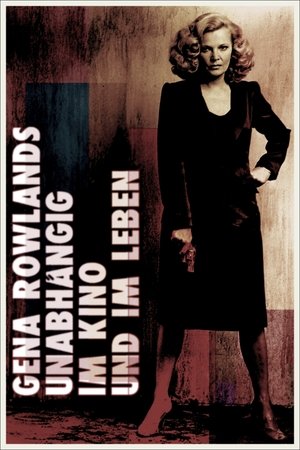
72%
Gena Rowlands: A Life on Film(de)
2019-06-05
An intimate portrait of the superb actress Gena Rowlands, icon of independent cinema. Together with her husband, legendary director John Cassavetes (1929-89), she lived an unusual life beyond the dream factory, a life in which reality and fiction were so perfectly intertwined that it made possible films that still today seem incredibly real.