
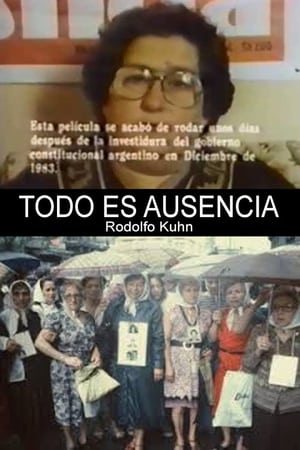
Todo es ausencia(1984)
Five Argentinian women, with missing relatives from the military dictatorship that ruled the country, explain their emotions and feelings about all that happened.
Movie: Todo es ausencia
Top 5 Billed Cast
HomePage
Overview
Five Argentinian women, with missing relatives from the military dictatorship that ruled the country, explain their emotions and feelings about all that happened.
Release Date
1984-09-01
Average
5
Rating:
2.5 startsTagline
Genres
Languages:
EspañolKeywords
Recommendations Movies
South of the Border(en)
A road trip across five countries to explore the social and political movements as well as the mainstream media's misperception of South America while interviewing seven of its elected presidents.

Downloaded(en)
A documentary that explores the downloading revolution; the kids that created it, the bands and the businesses that were affected by it, and its impact on the world at large.


Heart of a Dog(en)
Lyrical and powerfully personal essay film that reflects on the deaths of her husband Lou Reed, her mother, her beloved dog, and such diverse subjects as family memories, surveillance, and Buddhist teachings.

Ex Libris: The New York Public Library(en)
A documentary about how a dominant cultural and demographic institution both sustains their traditional activities and adapts to the digital revolution.
The Mole: Undercover in North Korea(en)
A real-life undercover thriller about two ordinary men who embark on an outrageously dangerous ten-year mission to penetrate the world's most secretive and brutal dictatorship: North Korea.
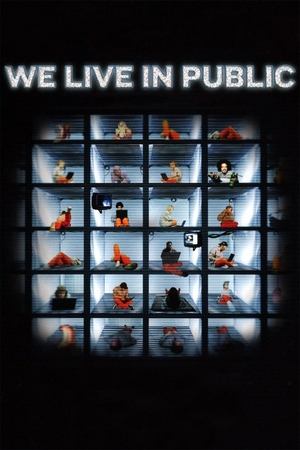
We Live in Public(en)
In 1999, Internet entrepreneur Josh Harris recruits dozens of young men and women who agree to live in underground apartments for weeks at a time while their every movement is broadcast online. Soon, Harris and his girlfriend embark on their own subterranean adventure, with cameras streaming live footage of their meals, arguments, bedroom activities, and bathroom habits. This documentary explores the role of technology in our lives, as it charts the fragile nature of dot-com economy.

Love, Marilyn(en)
Using the book 'Fragments', which collects Marilyn Monroe's poems, notes and letters, and with participation from the Arthur Miller and Truman Capote estates who have contributed more material, each of the actresses will embody the legend at various stages in her life.

My Mom Jayne(en)
Through deeply personal interviews with her siblings and an examination of the photographs, letters, and belongings left behind, Mariska assembles a new portrait of her mother Jayne Mansfield, an extraordinary and complex woman.

The Class of ‘92(en)
A detailing of the rise to prominence and global sporting superstardom of six supremely talented young Manchester United football players (David Beckham, Nicky Butt, Ryan Giggs, Paul Scholes, Phil and Gary Neville). The film covers the period 1992-1999, culminating in Manchester United's European Cup triumph.
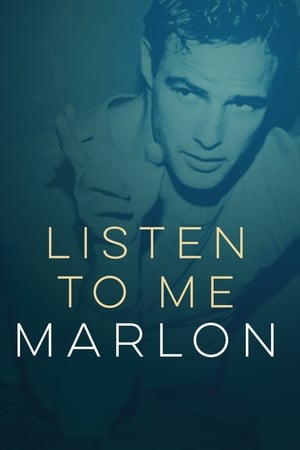
Listen to Me Marlon(en)
With exclusive access to his extraordinary unseen and unheard personal archive including hundreds of hours of audio recorded over the course of his life, this is the definitive Marlon Brando cinema documentary. Charting his exceptional career as an actor and his extraordinary life away from the stage and screen with Brando himself as your guide, the film will fully explore the complexities of the man by telling the story uniquely from Marlon's perspective, entirely in his own voice. No talking heads, no interviewees, just Brando on Brando and life.

Night Will Fall(en)
When Allied forces liberated the Nazi concentration camps in 1944-45, their terrible discoveries were recorded by army and newsreel cameramen, revealing for the first time the full horror of what had happened. Making use of British, Soviet and American footage, the Ministry of Information’s Sidney Bernstein (later founder of Granada Television) aimed to create a documentary that would provide lasting, undeniable evidence of the Nazis’ unspeakable crimes. He commissioned a wealth of British talent, including editor Stewart McAllister, writer and future cabinet minister Richard Crossman – and, as treatment advisor, his friend Alfred Hitchcock. Yet, despite initial support from the British and US Governments, the film was shelved, and only now, 70 years on, has it been restored and completed by Imperial War Museums under its original title "German Concentration Camps Factual Survey".
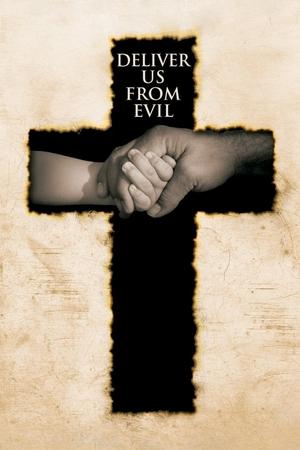
Deliver Us from Evil(en)
Documentary filmmaker Amy Berg investigates the life of 30-year pedophile Father Oliver O'Grady and exposes the corruption inside the Catholic Church that allowed him to abuse countless children. Victims' stories and a disturbing interview with O'Grady offer a view into the troubled mind of the spiritual leader who moved from parish to parish gaining trust ... all the while betraying so many.

As I Was Moving Ahead, Occasionally I Saw Brief Glimpses of Beauty(en)
A compilation of over 30 years of private home movie footage shot by Lithuanian-American avant-garde director Jonas Mekas, assembled by Mekas "purely by chance", without concern for chronological order.
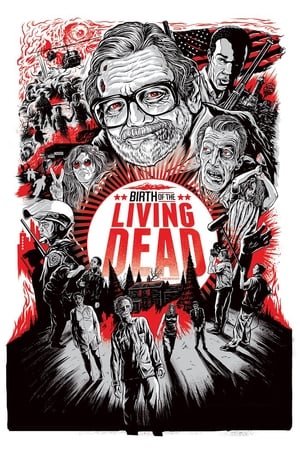
Birth of the Living Dead(en)
A behind the scenes look into George Romero's groundbreaking horror classic Night of the Living Dead.
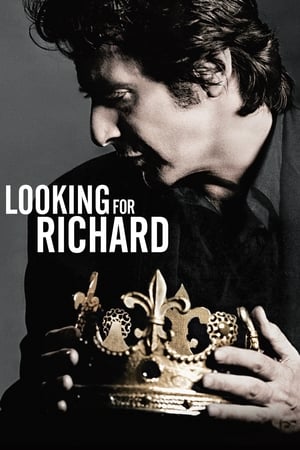
Looking for Richard(en)
Al Pacino's deeply-felt rumination on Shakespeare's significance and relevance to the modern world through interviews and an in-depth analysis of "Richard III."
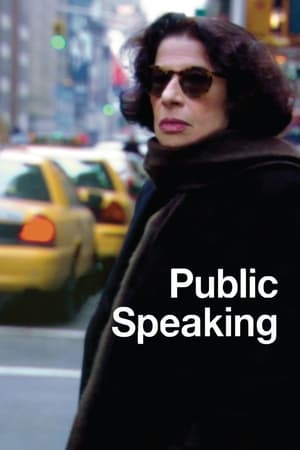
Public Speaking(en)
Martin Scorsese’s portrait of writer and social commentator Fran Lebowitz, celebrated for her sharp wit and observations on modern life. Filmed at New York’s Waverly Inn and intercut with archival footage and interviews, the documentary captures Lebowitz’s distinctive worldview through her spontaneous monologues and public appearances.
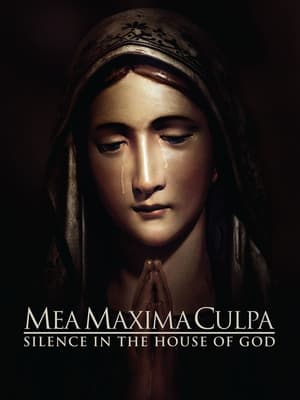
Mea Maxima Culpa: Silence in the House of God(en)
Alex Gibney explores the charged issue of pedophilia in the Catholic Church, following a trail from the first known protest against clerical sexual abuse in the United States and all way to the Vatican.

Con Mum(en)
A chef's life is upended when a jet-setting, champagne-sipping, hotel-hopping woman claims to be his long-lost mother. This documentary reveals the untold story.
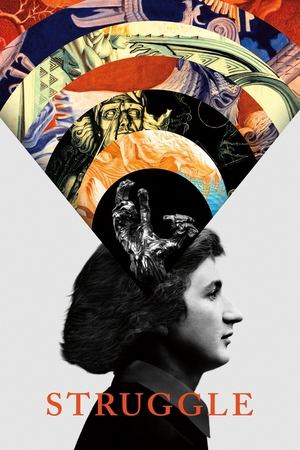
Struggle: The Life and Lost Art of Szukalski(en)
Artists in LA discover the work of forgotten Polish sculptor Stanislav Szukalski, a mad genius whose true story unfolds chapter by astounding chapter.
Similar Movies
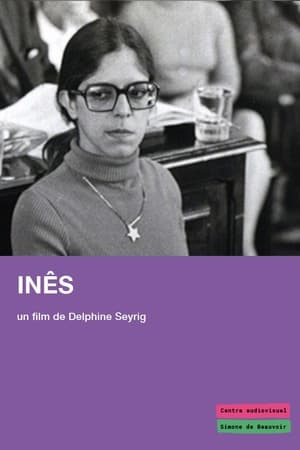
Inês(fr)
Inês Etienne Romeu was an opponent to the Brazilian's dictatorship. She was kidnapped, tortured and raped in jail, where she stayed for almost 100 days. She was later sentenced to life imprisonment. She stayed ten years in prison, from 1971 to 1979. Delphine Seyrig directed this film in 1974, when Inês was still in prison, protesting against this imprisonment and in support to Inês.
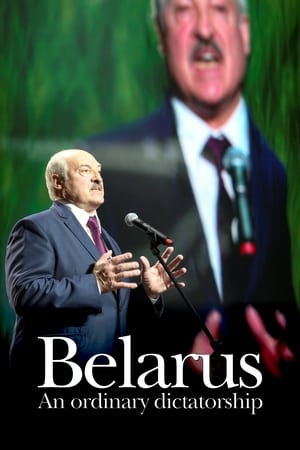
Belarus: An Ordinary Dictatorship(fr)
It’s the last dictatorship of Europe, caught in a Soviet time-warp, where the secret police is still called the KGB and the president rules by fear. Disappearances, political assassinations, waves of repression and mass arrests are all regular occurances. But while half of Belarus moves closer to Russia, the other half is trying to resist…
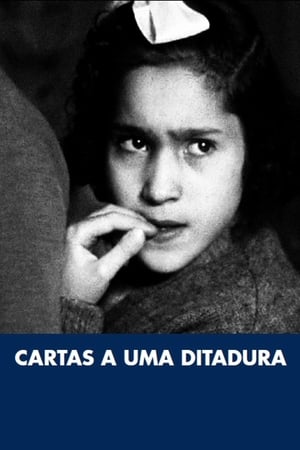
Letters to a Dictatorship(pt)
A hundred letters written by Portuguese women during the Salazar dictatorship were found by chance in a second-hand bookshop. By confronting today the women who wrote these letters with the ghosts of the past, and revealing important archive material, Letters to a Dictatorship takes us on an in-depth journey through the obscurantism that dominated Portugal for more than 50 years.
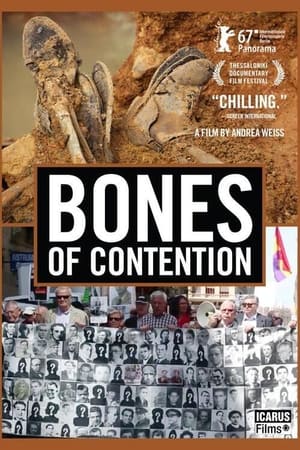
Bones of Contention(en)
A history of the political and social repression carried out by the ruthless regime of Spanish dictator Francisco Franco between 1936 and 1975 that focuses on the lives of gays and lesbians during those dark years and the death of the Spanish gay poet Federico García Lorca.
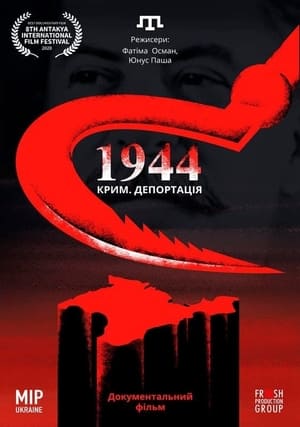
1944. Deportation(uk)
In 1944 Crimean Tatars has suffered a long road in exile. It was accompanied by famine, illness and loss. In the first years of exile, almost half of deported Crimean Tatars died. But those, who survived, dreamed of only one thing - to return to Crimea. The documentary 1944 tells about the tragedy of all Crimean Tatars through several separate life stories. They are cherished by each Crimean Tatar family and must be remembered by all generations to come.
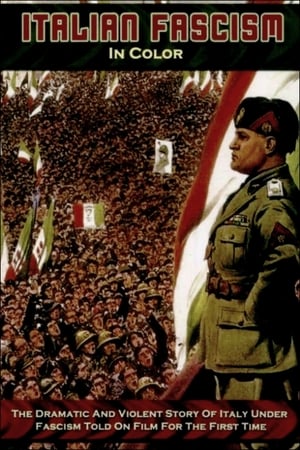
Fascism in Colour(en)
After the World War I, Mussolini's perspective on life is severely altered; once a willful socialist reformer, now obsessed with the idea of power, he founds the National Fascist Party in 1921 and assumes political power in 1922, becoming the Duce, dictator of Italy. His success encourages Hitler to take power in Germany in 1933, opening the dark road to World War II. (Originally released as a two-part miniseries. Includes colorized archival footage.)
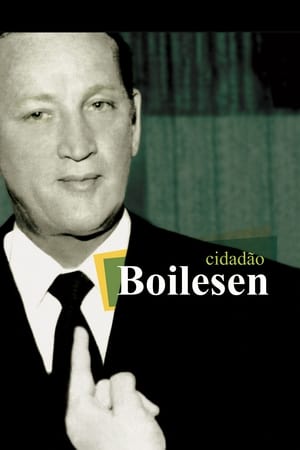
Citizen Boilesen(pt)
A documentary about the controversial businessman Henning Boilesen Jr. and his involvement with the military regime as one of its most enthusiastic supporters, financing it and participating in the tortures of political prisoners. Those actions later culminated in his assassination in 1971 by members of militant groups opposed to the regime.
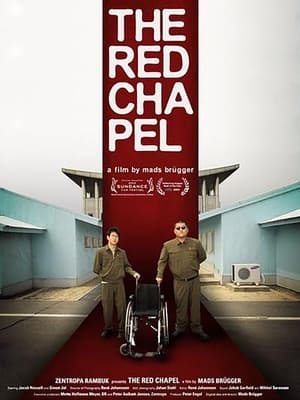
The Red Chapel(da)
Two Danish comedians join the director on a trip to North Korea, where they have been allowed access under the pretext of wanting to perform a vaudeville act.
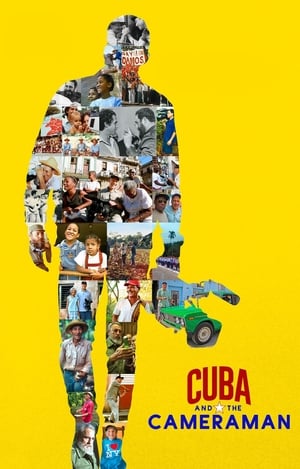
Cuba and the Cameraman(en)
This revealing portrait of Cuba follows the lives of Fidel Castro and three Cuban families affected by his policies over the last four decades.

Politzek, the voices that challenge the Kremlin(fr)
In Russia, criticizing the war in Ukraine or Vladimir Putin’s regime has become a crime. Thousands of ordinary citizens are being arrested, tried, and imprisoned. They are called “Politzek”: political prisoners. Filmed clandestinely over the course of more than a year, Politzek gives a platform to those who, despite the fear, continue to speak out against Putin’s repressive Russia. Through the intersecting stories of a teenager sentenced to five years in prison for criticizing the government on social media, a young artist jailed for placing anti-war stickers, a human rights activist, and two theater directors facing Kafkaesque trials, the film unveils the machinery of state repression in Russia. With rare footage, broken yet unyielding voices, this is a story of silenced resistance.
In the Lost City(es)
The city of Madrid as it appears in the Spanish films of the 1950s. A small tribute to all those who filmed and portrayed Madrid despite the dictatorship, censorship and the critical situation of industry and society.
Con amigos así(es)
The Falklands War began on April 2, 1982, with the Argentine landing on the islands ordered by Leopoldo Fortunato Galtieri, and culminated with the cessation of hostilities between Argentina and the United Kingdom of Great Britain on June 14, 1982. Through dynamic editing and the use of archival materials, the documentary considers the war as part of our recent past, but also opens up multiple questions and reflections on contemporary society and the future projection of what such a conflict generates for us Argentines.
The Girls(es)
Four lucid grandmothers tell their story forgotten by history: the militancy and resistance of the young women of the leftist youth against the dictatorship of Marcos Pérez Jiménez.
The Autobiography of Nicolae Ceausescu(ro)
The three-hour-long documentary covers 25 years in the life of Nicolae Ceaușescu and was made using 1,000 hours of original footage from the National Archives of Romania.
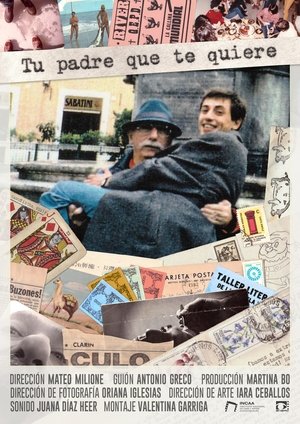
Your loving father(es)
In the late ‘70s, in the midst of the military dictatorship, a surrealist literary work- shop is the oasis of Martín, a tormented young man who seeks to improve his poetry. Caron, a brilliant and eccentric writer, adopts him as a son. Their bond is recorded in short home movies and an unusual correspondence.
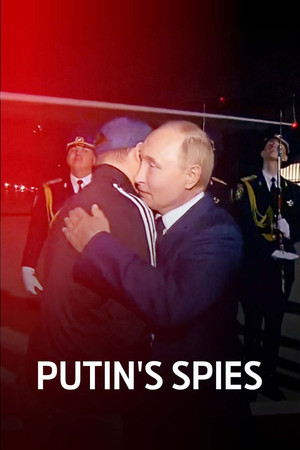
Putin's Spies(de)
Never before in Russian history has the Russian domestic intelligence services been more powerful than today. The FSB is a murky organisation that can ruin people’s lives who are deemed enemies of the Russian state and even commit murder on behalf of the Kremlin. Four people in exile open up about their experiences with the FSB.
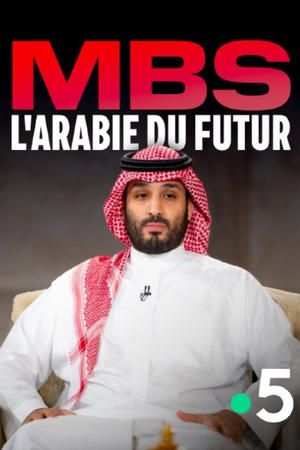
MBS, the Arabia of the future(fr)
For almost a decade, Mohammed bin Salman, known as MBS, the crown prince and de facto leader of Saudi Arabia, has been shaking up all the pillars of this extraordinary kingdom. The cradle of Islam and the world's leading exporter of crude oil, this Gulf giant has embarked on an unprecedented transformation to meet the existential challenge of the post-oil era. Dreaming of becoming the leader of a stable and prosperous Arab world, MBS is undertaking to transform the austere and rigorous Saudi Arabia into a futuristic utopia. But the rise of tourism, entertainment and the excesses of construction sites are still struggling to make us forget authoritarianism and the repression of opponents. As for the silencing of the religious police, it has not put an end to the oppression of women.

Corporate Accountability(es)
Images of Argentinian companies and factories in the first light of day, seen from the inside of a car, while the director reads out documents in voiceover that reveals the collusion of the same concerns in the military dictatorship’s terror.
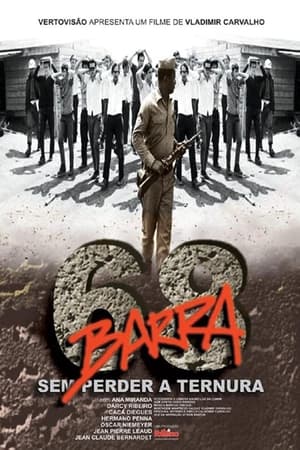
1968 - Without Losing Tenderness(pt)
The story of the University of Brasília, since it was only a project in Darcy Ribeiro's head until the fateful events in August 1968 when its campus was invaded by the police, during the military dictatorship, thus putting an end to its independence.
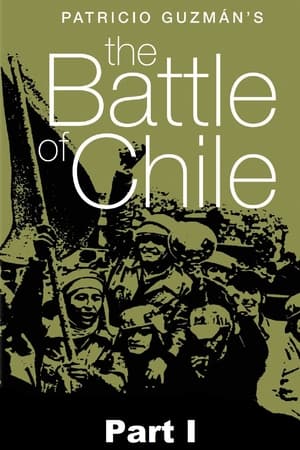
The Battle of Chile: Part I(es)
The chronicle of the political tension in Chile in 1973 and of the violent counter revolution against the democratically elected government of Salvador Allende.