Loading Page

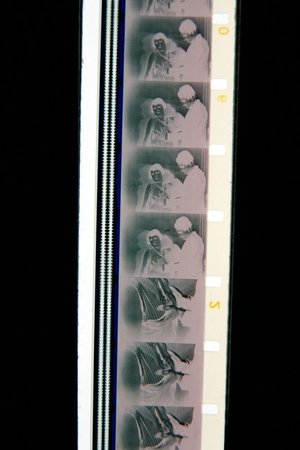
Le Soulèvement de la jeunesse Mai 68(1969)
Status: Released
Date: 1969-01-01
0%
0 Votes
Time: 0h 27m
Overview:
Maurice Lemaître had the ambition to make a really creative film about the revolt of May 68. For this, he did not renounce any of his filmic audacities and he managed to plunge into this new thematic dimension the cinematographic inventions put in In its previous achievements.
Languages: French.
Countries:
France
Movie: Le Soulèvement de la jeunesse Mai 68
HomePage
Overview
Maurice Lemaître had the ambition to make a really creative film about the revolt of May 68. For this, he did not renounce any of his filmic audacities and he managed to plunge into this new thematic dimension the cinematographic inventions put in In its previous achievements.
Release Date
1969-01-01
Average
0
Rating:
0.0 startsTagline
Genres
Languages:
FrançaisKeywords
Recommendations Movies
67%
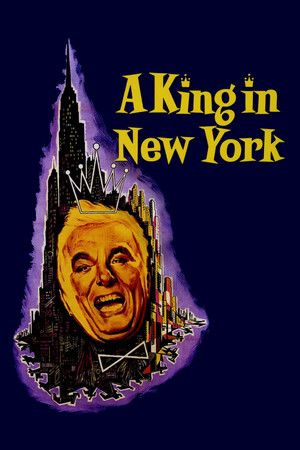
A King in New York(en)
1957-09-12
A recently-deposed "Estrovian" monarch seeks shelter in New York City, where he becomes an accidental television celebrity. Later, he's wrongly accused of being a Communist and gets caught up in subsequent HUAC hearings.

64%
Avatar: Creating the World of Pandora(en)
2010-02-07
The Making-of James Cameron's Avatar. It shows interesting parts of the work on the set.

66%
Godard Mon Amour(fr)
2017-06-24
In 1967, during the making of “La Chinoise,” film director Jean-Luc Godard falls in love with 19-year-old actress Anne Wiazemsky and marries her.
68%
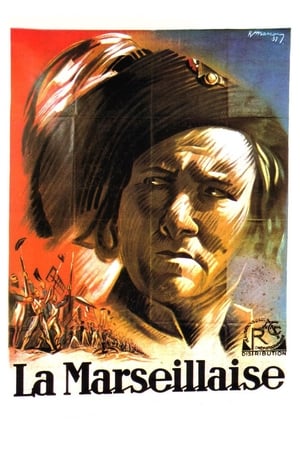
La Marseillaise(fr)
1938-02-10
The early days of the French Revolution, as seen through the eyes of the ordinary citizens in Marseille and the royal court, including King Louis XVI and Marie Antoinette.
75%
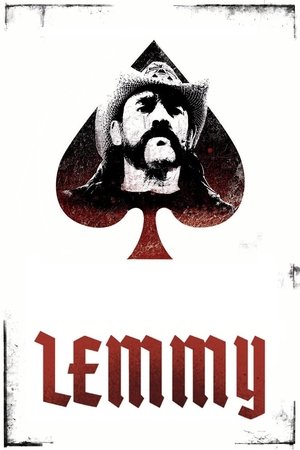
Lemmy(en)
2010-03-15
Over four decades, Motorhead frontman Lemmy Kilmister has registered an immeasurable impact on music history. Nearly 65, he remains the living embodiment of the rock and roll lifestyle, and this feature-length documentary tells his story, one of a hard-living rock icon who continues to enjoy the life of a man half his age.
75%
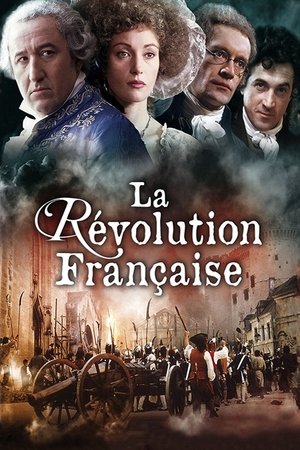
The French Revolution(fr)
1989-05-10
A history of the French Revolution beginning from the decision of the king to convene the Etats-Generaux in 1789 in order to deal with France's debt problem. Part one spans the event until August 10, 1792 (when the King Louis XVI lost all authority and was imprisoned). Part two carries the story through the end of the terror in 1794.
65%
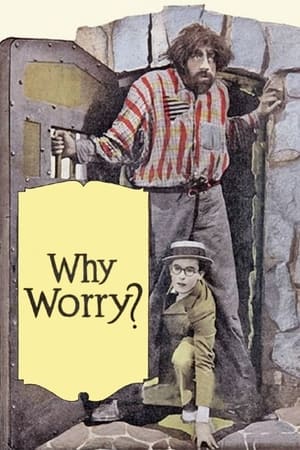
Why Worry?(en)
1923-09-09
A hypochondriac vacations in the tropics for the fresh air - and finds himself in the middle of a revolution instead.
59%
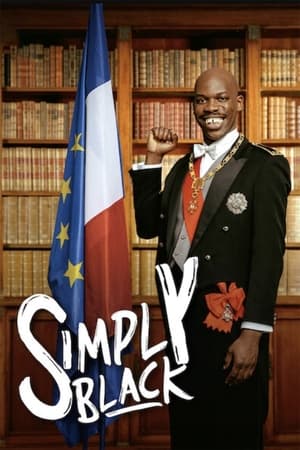
Simply Black(fr)
2020-07-08
A failed 40 year old comedian wants to organize the first Black protests in France but meeting with other French celebrities of the Black community will make it a whole new adventure.
59%
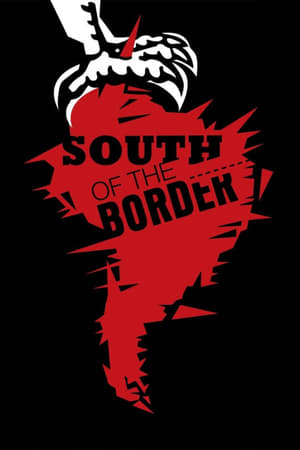
South of the Border(en)
2009-09-07
A road trip across five countries to explore the social and political movements as well as the mainstream media's misperception of South America while interviewing seven of its elected presidents.
67%
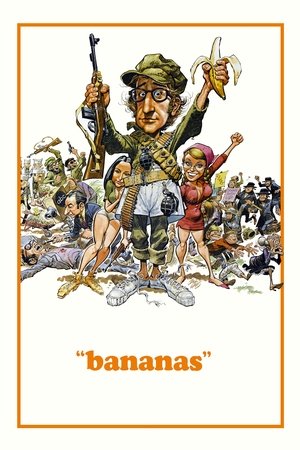
Bananas(en)
1971-04-28
When a bumbling New Yorker is dumped by his activist girlfriend, he travels to a tiny Latin American nation and becomes involved in its latest rebellion.
68%
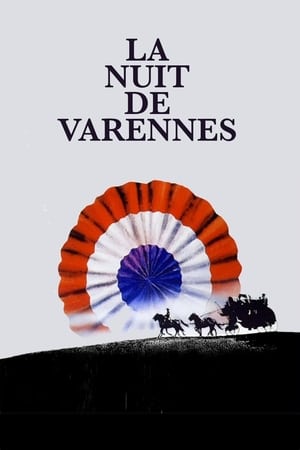
That Night of Varennes(fr)
1982-05-15
During the French Revolution, a surprising company shares a coach, trying to catch up something - the time itself, perhaps.
67%
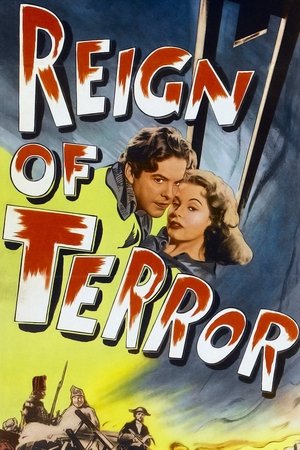
Reign of Terror(en)
1949-10-15
The French Revolution, 1794. The Marquis de Lafayette asks Charles D'Aubigny to infiltrate the Jacobin Party to overthrow Maximilian Robespierre, who, after gaining supreme power and establishing a reign of terror ruled by death, now intends to become the dictator of France.
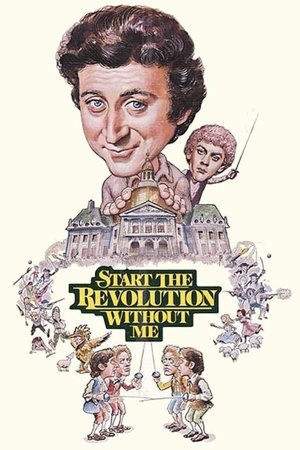
59%
Start the Revolution Without Me(en)
1970-02-04
Two sets of identical twins are accidentally switched at birth. One pair, Phillipe and Pierre DeSisi, are aristocratic and haughty, while the other, Charles and Claude Coupé, are poor and dim-witted. On the eve of the French Revolution, both sets find themselves entangled in palace intrigue.
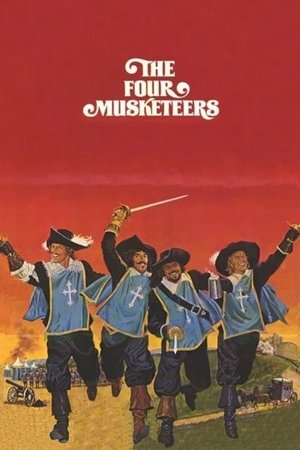
64%
The Four Musketeers(en)
1974-10-31
The Four Musketeers defend the queen and her dressmaker from Cardinal Richelieu and Milady de Winter.

68%
Iron Jawed Angels(en)
2004-01-16
Defiant young activists take the women's suffrage movement by storm, putting their lives at risk to help American women win the right to vote.

63%
Promises(fr)
2022-01-26
Clémence, the fearless mayor of a town near Paris, is completing the final term of her political career. With her faithful right-hand man Yazid, she has long fought for this town plagued by inequality, unemployment and slumlords. However, when Clémence is approached to become Minister, her ambition arises, questioning her devotion and commitment to her citizens. Will her political integrity and election promises survive her newly found ambition?
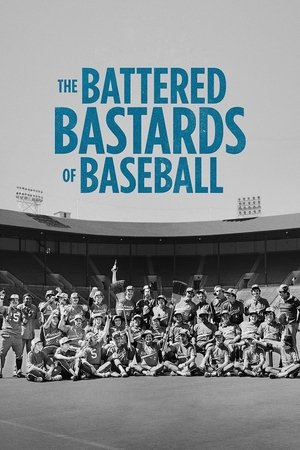
75%
The Battered Bastards of Baseball(en)
2014-01-20
Hollywood veteran Bing Russell creates the only independent baseball team in the country—alarming the baseball establishment and sparking the meteoric rise of the 1970s Portland Mavericks.

78%
Lionel Messi: Destiny(en)
2023-05-27
Behind-the-scenes documentary about how Lionel Messi succeeded in lifting the World Cup – the only trophy to have eluded him in an incredible career.
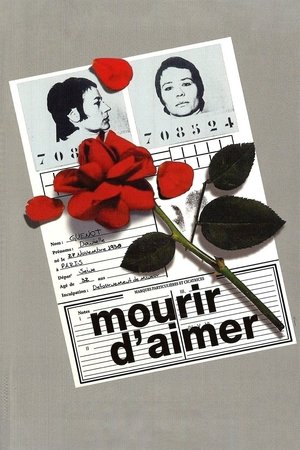
64%
To Die of Love(fr)
1971-01-20
A love story between a teacher, Danièle, 32 years and one of her students Gérard, 17 during the heated atmosphere of May 68. Danièle is a fiery young woman, very involved politically. Gérard's parents accuse Danièle of statutory rape and complain. Danièle is trapped and the drama begins...
Similar Movies

67%
Marie Antoinette(en)
2006-05-24
A retelling of the story of France’s iconic but ill-fated queen, Marie Antoinette - from her betrothal and marriage to Louis XVI at fifteen to her reign as queen at nineteen and ultimately the fall of Versailles.
0%
The Sleepy Revolution(sv)
2009-10-20
In the eighteenth century the mystical midnight hour disappeared and the modern night was born. We now aim to keep sleep at an efficient minimum, but experiments show that we quickly return to the old sleep pattern if given the opportunity. So what is the 'natural' way to sleep?
66%
Don't Lose Your Head(en)
1967-03-02
Amidst the French revolution, Citizen Robespierre is beheading the aristocracy! When word gets to England, noblemen Sir Rodney Ffing and Lord Darcy Pue take it upon themselves to aid their French counterparts. Sir Rodney is a master of disguise, and becomes 'The Black Fingernail' scourge of Camembert and Bidet, leaders of the French secret police.
71%
Les Misérables(en)
1978-12-27
In 19th century France, Jean Valjean, a man imprisoned for stealing bread, must flee a relentless policeman named Javert. The pursuit consumes both men's lives, and soon Valjean finds himself in the midst of the student revolutions in France.
0%
La Barricade du Point-du-Jour(fr)
1978-11-12
67%
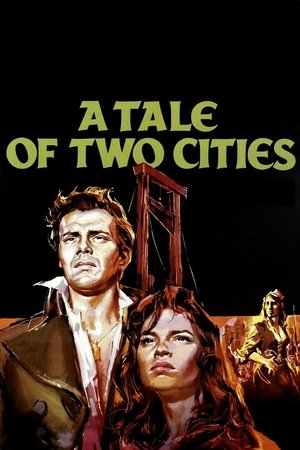
A Tale of Two Cities(en)
1958-02-07
Set against the conditions leading up to the French Revolution and the Reign of Terror, French doctor Alexandre Manette serves an 18-year imprisonment in the Bastille in Paris, followed by his release to live in London with the daughter he has never met.
60%
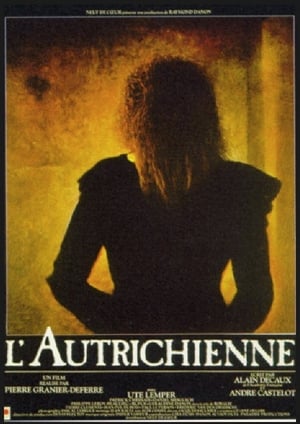
The Austrian(fr)
1990-09-19
A woman is detained at La Conciergerie. She's 37 but her hair are already white. She's suffering from terrible haemorraghe. Her name is Marie-Antoinette of Lorraine, from Austria, and she's living her last four days.
72%
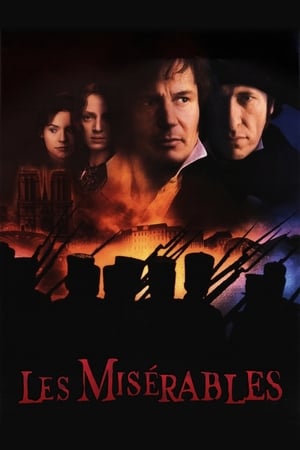
Les Misérables(en)
1998-05-01
In 19th century France, Jean Valjean, a man imprisoned for stealing bread, must flee a relentless policeman named Javert. The pursuit consumes both men's lives, and soon Valjean finds himself in the midst of the student revolutions in France.
69%
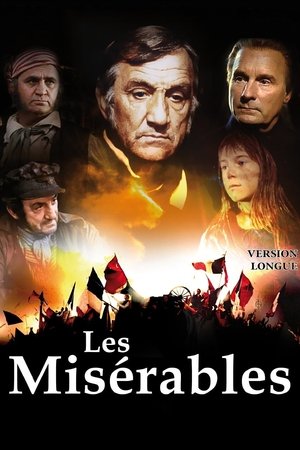
Les Misérables(fr)
1982-10-20
In 19th century France, Jean Valjean, a man imprisoned for stealing bread, must flee a relentless policeman named Javert. The pursuit consumes both men's lives, and soon Valjean finds himself in the midst of the student revolutions in France.
60%
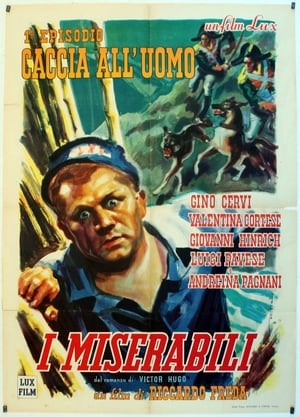
Les Misérables(it)
1948-01-10
In 19th century France, Jean Valjean, a man imprisoned for stealing bread, must flee a relentless policeman named Javert. The pursuit consumes both men's lives, and soon Valjean finds himself in the midst of the student revolutions in France.
68%
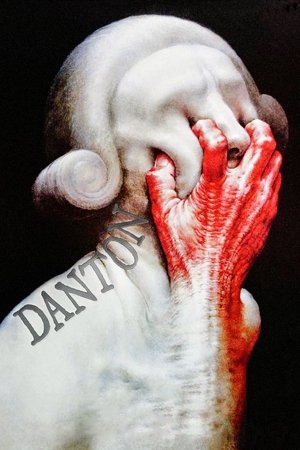
Danton(fr)
1983-01-12
Danton and Robespierre were close friends and fought together in the French Revolution, but by 1793 Robespierre was France's ruler, determined to wipe out opposition with a series of mass executions that became known as the Reign of Terror. Danton, well known as a spokesman of the people, had been living in relative solitude in the French countryside, but he returned to Paris to challenge Robespierre's violent rule and call for the people to demand their rights. Robespierre, however, could not accept such a challenge, even from a friend and colleague, and he blocked out a plan for the capture and execution of Danton and his allies.
57%
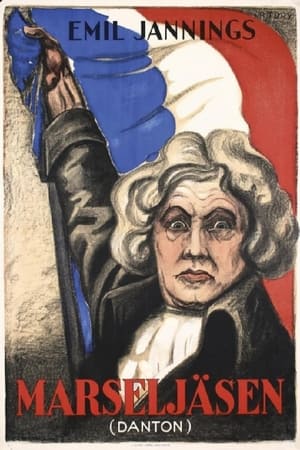
Danton(de)
1921-05-03
At the height of Reign of Terror Maximilien Robespierre orchestrates the trial and execution of several of his fellow leading French revolutionaries including Georges Danton.
75%
The French Revolution(fr)
1989-05-10
A history of the French Revolution beginning from the decision of the king to convene the Etats-Generaux in 1789 in order to deal with France's debt problem. Part one spans the event until August 10, 1792 (when the King Louis XVI lost all authority and was imprisoned). Part two carries the story through the end of the terror in 1794.

65%
The Married Couple of the Year Two(fr)
1971-04-07
Nicolas Philibert goes to America after killing a French aristocrat. On his return he tries to divorce his wife, Charlotte, but when he sees others trying to woo her his own interest is rekindled.
72%
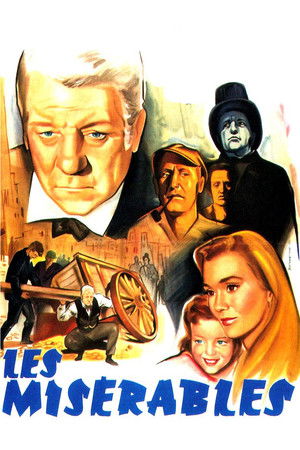
Les Misérables(fr)
1958-03-12
In 19th century France, Jean Valjean, a man imprisoned for stealing bread, must flee a relentless policeman named Javert. The pursuit consumes both men's lives, and soon Valjean finds himself in the midst of the student revolutions in France.
71%
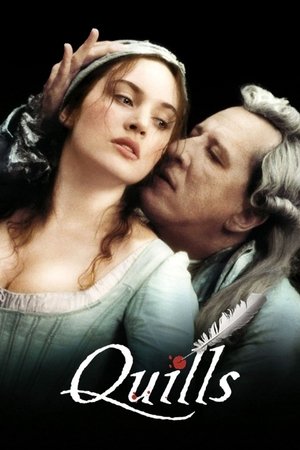
Quills(en)
2000-11-22
In early 19th-century France, the Marquis de Sade is confined to an asylum where his forbidden writings continue to circulate beyond its walls. As the authorities tighten control, a clash unfolds between the Marquis’ unyielding imagination, the reformist ideals of the Abbé in charge, and the repressive measures of a doctor sent to silence him. Desire, power, and censorship collide in a battle over freedom of expression.
68%
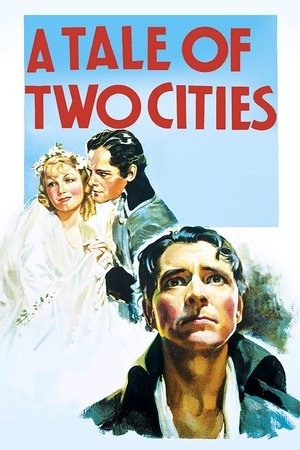
A Tale of Two Cities(en)
1935-12-25
Set against the conditions leading up to the French Revolution and the Reign of Terror, French doctor Alexandre Manette serves an 18-year imprisonment in the Bastille in Paris, followed by his release to live in London with the daughter he has never met.
0%
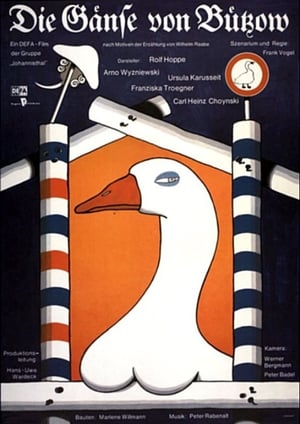
Die Gänse von Bützow(de)
1985-12-12
In 1794 Bützow, widow Hornborstel, a top goose breeder, presses Mayor Hane to marry her. Rebuffed, he bans free‐range geese under a “goose edict.” Enraged, she enlists revolutionary‐minded Magister Albus to rally citizens. They rise for goose freedom, the duke deposes Hane, installs a new mayor, and Albus escapes across the border.

0%
Don't Lose Your Head: The Making of 'The Reign of Terror'(en)
2012-01-28
Don't Lose Your Head is a documentary about the making of Doctor Who story The Reign of Terror.
70%
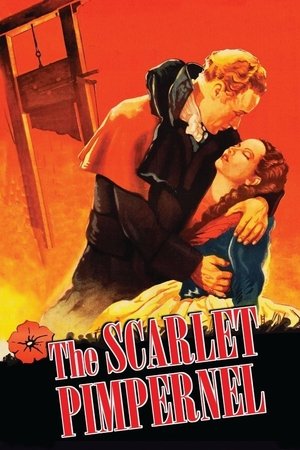
The Scarlet Pimpernel(en)
1934-12-20
18th century English aristocrat Sir Percy Blakeney leads a double life. He appears to be merely the effete aristocrat, but in reality is part of an underground effort to free French nobles from Robespierre's Reign of Terror.