Loading Page
Chaplin/Keaton: Duel of Legends(2016)
Status: Released
Date: 2016-02-04
90%
3 Votes
Time: 0h 53m
Overview:
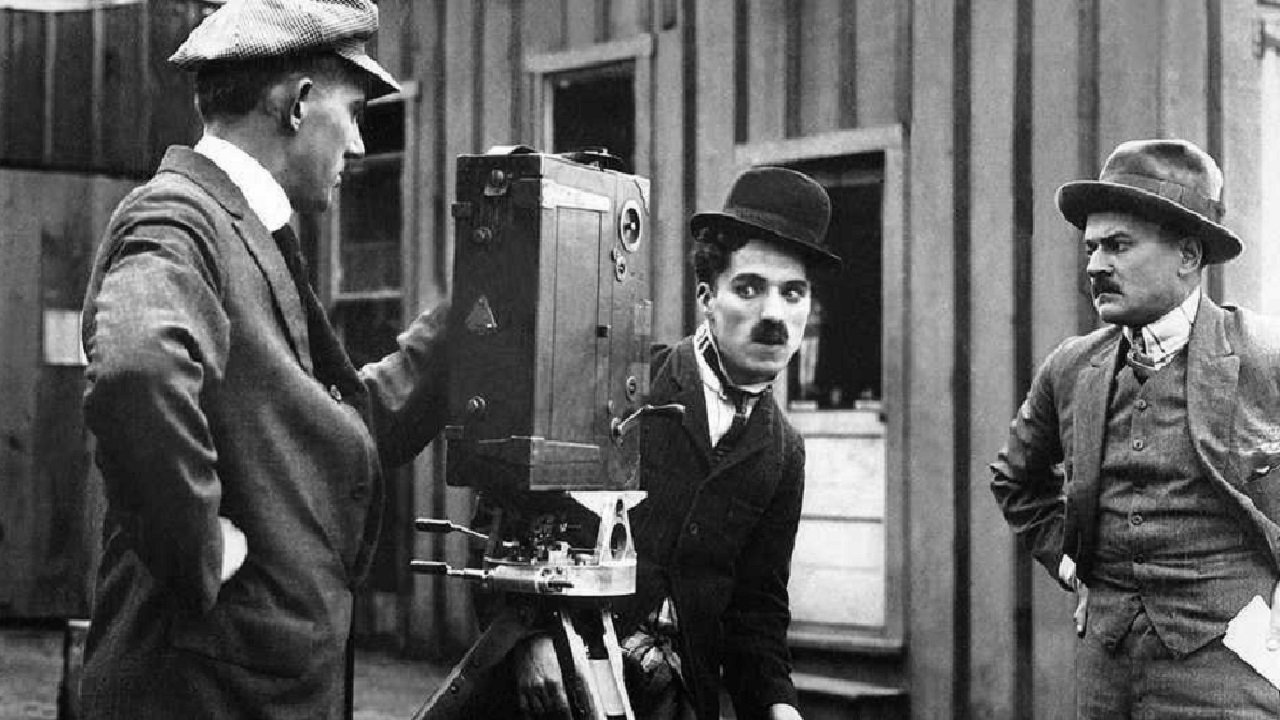
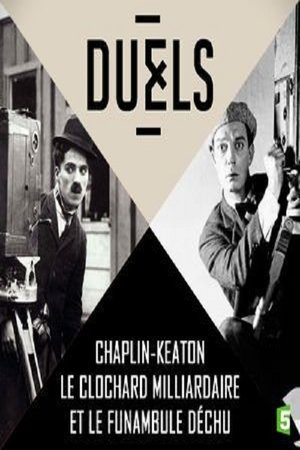
Charlie Chaplin and Buster Keaton were two incredibly talented artists who enjoyed enormous worldwide success at a very young age. The two giants of the golden age of silent cinema were perceived to be constantly competing with each other for the crown of the king of laughter.
Languages: English, French.
Countries:
France
ProductionCompanies: 

Movie: Chaplin/Keaton: Duel of Legends
Top 3 Billed Cast
Charlie Chaplin
(archive footage)

Buster Keaton
(archive footage)
HomePage
Overview
Charlie Chaplin and Buster Keaton were two incredibly talented artists who enjoyed enormous worldwide success at a very young age. The two giants of the golden age of silent cinema were perceived to be constantly competing with each other for the crown of the king of laughter.
Release Date
2016-02-04
Average
9
Rating:
4.5 startsTagline
Genres
Languages:
EnglishFrançais
Recommendations Movies
82%
The Untold History Of The United States(en)
2012-11-12
Oliver Stone charts the history of the United States from the Second World War to the present.
68%
Making Waves: The Art of Cinematic Sound(en)
2019-10-25
The history of cinematic sound, told by legendary sound designers and visionary filmmakers.
72%
The Great Buster: A Celebration(en)
2018-10-05
A celebration of the life and career of one of America's most influential and celebrated filmmakers and comedians—Buster Keaton—whose singular style and fertile output during the silent era created his legacy as a true cinematic visionary.
68%
The Unknown Known(en)
2013-08-29
Former United States Secretary of Defense, Donald Rumsfeld, discusses his career in Washington D.C. from his days as a congressman in the early 1960s to planning the invasion of Iraq in 2003.
70%
Visions of Light(en)
1992-09-17
Cameramen and women discuss the craft and art of cinematography and of the "DP" (the director of photography), illustrating their points with clips from 100 films, from Birth of a Nation to Do the Right Thing. Themes: the DP tells people where to look; changes in movies (the arrival of sound, color, and wide screens) required creative responses from DPs; and, these artisans constantly invent new equipment and try new things, with wonderful results. The narration takes us through the identifiable studio styles of the 30s, the emergence of noir, the New York look, and the impact of Europeans. Citizen Kane, The Conformist, and Gordon Willis get special attention.
69%
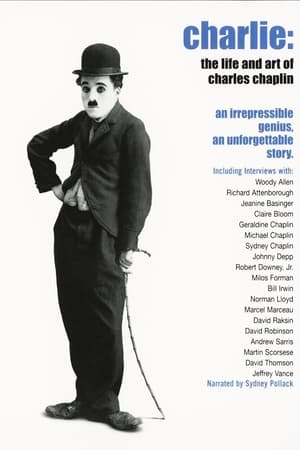
Charlie: The Life and Art of Charles Chaplin(en)
2003-05-01
Brilliant, long in-the-works story of the life and art of the world's greatest comedian and the cinema's first genius, Charlie Chaplin. Produced, written and directed by renowned film critic Richard Schickel.
75%
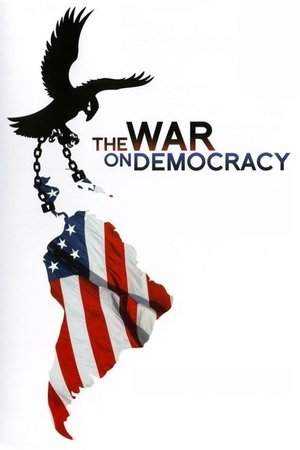
The War on Democracy(en)
2007-06-15
Set both in Latin America and the United States, the film explores the historic and current relationship of Washington with countries such as Venezuela, Bolivia and Chile. Pilger says that the film "...tells a universal story... analysing and revealing, through vivid testimony, the story of great power behind its venerable myths. It allows us to understand the true nature of the so-called "war on terror". According to Pilger, the film’s message is that the greed and power of empire is not invincible and that people power is always the "seed beneath the snow".
66%
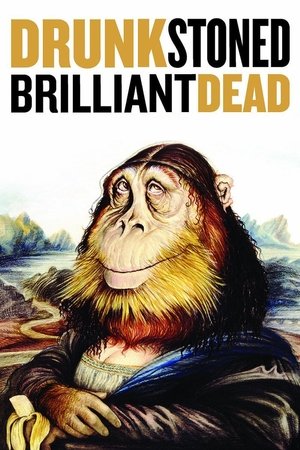
Drunk Stoned Brilliant Dead(en)
2015-01-25
A look at the history of the American comedy publication and production company, National Lampoon, from its beginning in the 1970s to 2010, featuring rare and never before seen footage, this is the mind boggling story of The National Lampoon from its subversive and electrifying beginnings, to rebirth as an unlikely Hollywood heavyweight, and beyond. A humour empire like no other, the impact of the magazines irreverent, often shocking, sensibility was nothing short of seismic: this is an institution whose (drunk stoned brilliant) alumni left their fingerprints all over popular culture. Both insanely great and breathtakingly innovative, The National Lampoon created the foundation of modern comic sensibility by setting the bar in comedy impossibly high.
70%
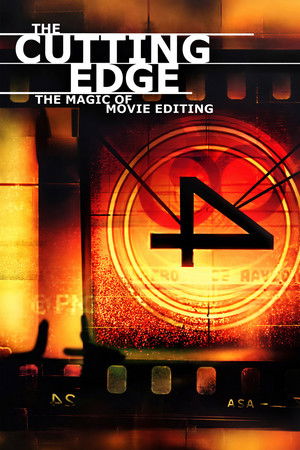
The Cutting Edge: The Magic of Movie Editing(en)
2004-10-12
Documentary about the art of film editing. Clips are shown from many groundbreaking films with innovative editing styles.
79%
Alone in the Wilderness(en)
2004-10-08
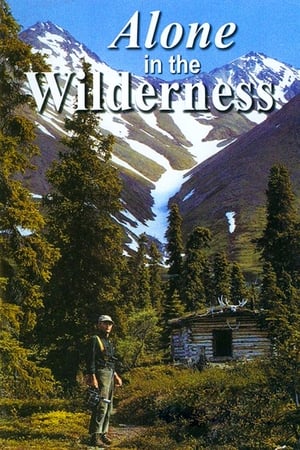
Dick Proenneke retired at age 50 in 1967 and decided to build his own cabin in the wilderness at the base of the Aleutian Peninsula, in what is now Lake Clark National Park. Using color footage he shot himself, Proenneke traces how he came to this remote area, selected a homestead site and built his log cabin completely by himself. The documentary covers his first year in-country, showing his day-to-day activities and the passing of the seasons as he sought to scratch out a living alone in the wilderness.

76%
Night Will Fall(en)
2014-06-07
When Allied forces liberated the Nazi concentration camps in 1944-45, their terrible discoveries were recorded by army and newsreel cameramen, revealing for the first time the full horror of what had happened. Making use of British, Soviet and American footage, the Ministry of Information’s Sidney Bernstein (later founder of Granada Television) aimed to create a documentary that would provide lasting, undeniable evidence of the Nazis’ unspeakable crimes. He commissioned a wealth of British talent, including editor Stewart McAllister, writer and future cabinet minister Richard Crossman – and, as treatment advisor, his friend Alfred Hitchcock. Yet, despite initial support from the British and US Governments, the film was shelved, and only now, 70 years on, has it been restored and completed by Imperial War Museums under its original title "German Concentration Camps Factual Survey".
82%
Shoah(fr)
1985-04-21
Director Claude Lanzmann spent 11 years on this sprawling documentary about the Holocaust, conducting his own interviews and refusing to use a single frame of archival footage. Dividing Holocaust witnesses into three categories – survivors, bystanders, and perpetrators – Lanzmann presents testimonies from survivors of the Chelmno concentration camp, an Auschwitz escapee, and witnesses of the Warsaw Ghetto Uprising, as well as a chilling report of gas chambers from an SS officer at Treblinka.
72%
The Celluloid Closet(en)
1996-03-15
Exuberant, eye-opening movie that serves up a dazzling hundred-year history of the role of gay men and lesbians have had on the silver screen. Film contains fabulous footage from 120 films showing the changing face of cinema sexuality, from cruel stereotypes to covert love to the activist triumphs of the 1990s.
75%
Kubrick by Kubrick(fr)
2020-10-22
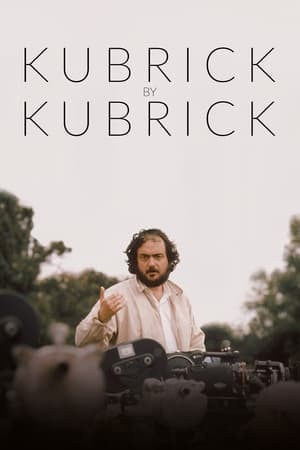
American filmmaker Stanley Kubrick (1928–1999), one of the greatest in history, but also one of the most reserved, gave few interviews throughout his long career, and none of them were filmed. A first-person journey through his life and work, based on a recorded conversation with French film critic Michel Climent.
68%
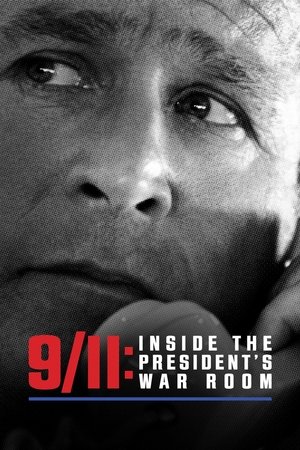
9/11: Inside the President's War Room(en)
2021-08-31
Experience the events of September 11, 2001 through the eyes of President Bush and his closest advisors as they personally detail the crucial hours and key decisions from that historic day.

74%
Red Army(en)
2015-01-23
A documentary highlighting the Soviet Union's legendary and enigmatic hockey training culture and world-dominating team through the eyes of the team's Captain Slava Fetisov, following his shift from hockey star and celebrated national hero to political enemy.
70%
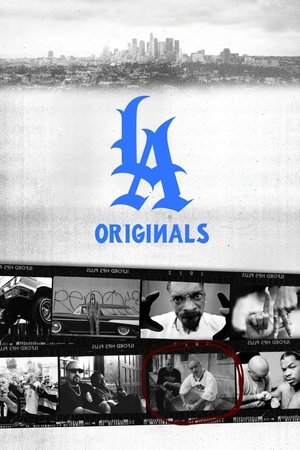
LA Originals(en)
2020-04-10
Photographer Estevan Oriol and artist Mister Cartoon turned their Chicano roots into gritty art, impacting street culture, hip hop and beyond.
69%
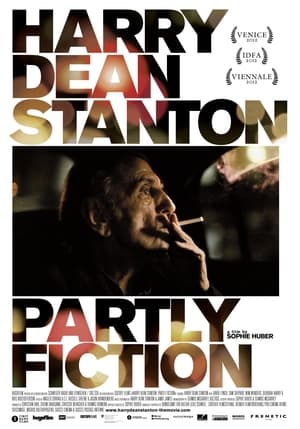
Harry Dean Stanton: Partly Fiction(en)
2013-09-11
An impressionistic portrait of the iconic actor Harry Dean Stanton comprised of intimate moments, film clips from some of his 250 films and his renditions of American folk songs.
64%
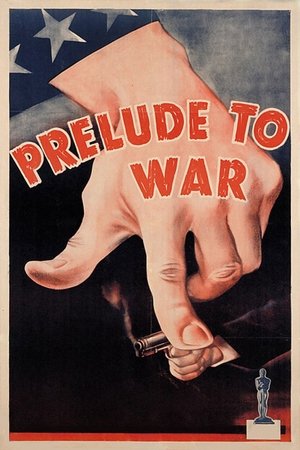
Why We Fight: Prelude to War(en)
1942-05-27
Prelude to War was the first film of Frank Capra's Why We Fight propaganda film series, commissioned by the Pentagon and George C. Marshall. It was made to convince American troops of the necessity of combating the Axis Powers during World War II. This film examines the differences between democratic and fascist states.

74%
That's Entertainment!(en)
1974-06-21
Various MGM stars from yesterday present their favorite musical moments from the studio's 50 year history.