Loading Page
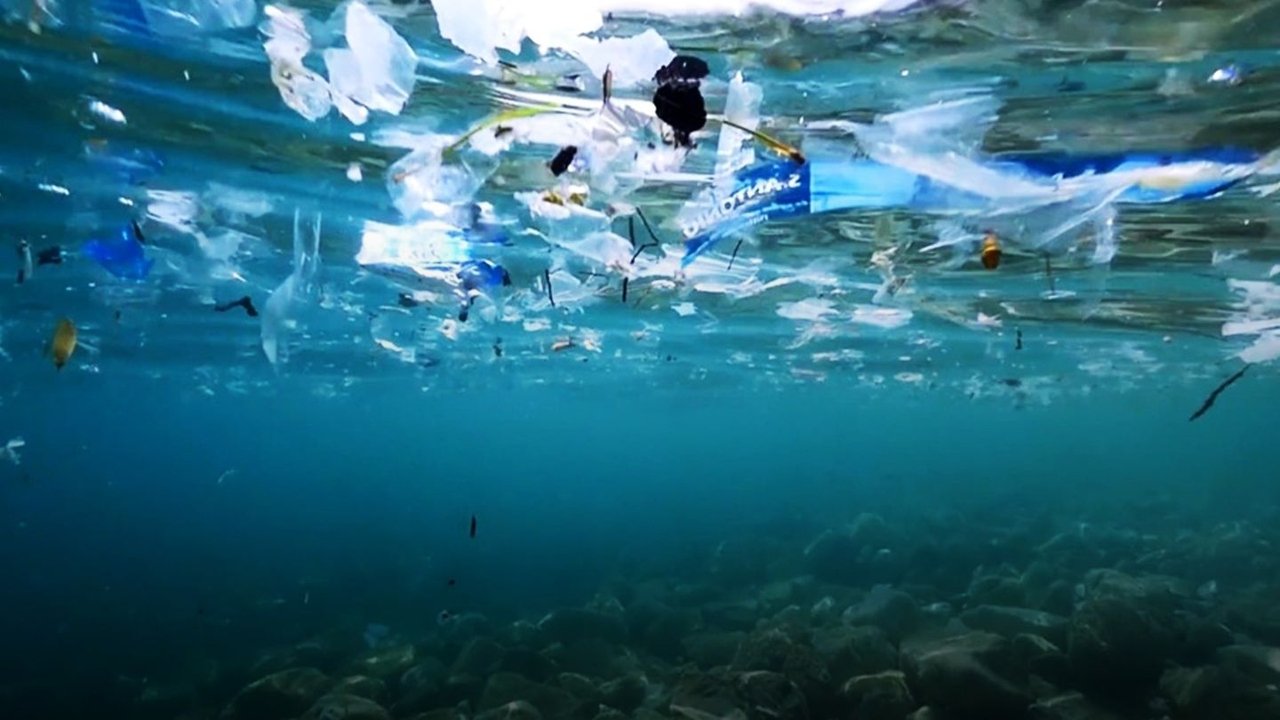

Oceans The Mystery of the Missing Plastic(2016)
Status: Released
Date: 2016-09-17
80%
5 Votes
Time: 0h 53m
Overview:
99% of the plastic that should be floating in the oceans is missing. Even accounting for the plastic that washes up on beaches or is trapped in arctic ice, millions of tonnes has simply disappeared. As most plastic never deteriorates, it simply breaks down into smaller and smaller particles that are invisible to the human eye, what happens to this missing ocean plastic is a mystery. In this investigation, scientists embark in search of the micro-plastics. Small, mostly invisible, toxic, they are home to the new ecosystem: the plastisphere. But where are they? Ingested by organisms? Buried under the ocean floor? Degraded by bacteria? And what is the impact of them entering the food chain?
Languages: German, English, French.
Countries:
France
ProductionCompanies: 
Via Découvertes
Tara Expéditions
Movie: Oceans The Mystery of the Missing Plastic
Video Trailer Oceans The Mystery of the Missing Plastic
Loading Photos
Photo Type :Total items
Recommendations Movies
74%
Mission Blue(en)
2014-01-30
This documentary follows oceanographer Sylvia Earle's campaign to save the world's oceans from threats such as overfishing and toxic waste.
69%
Dolphin Reef(en)
2018-03-28
Echo is a youngster who can't quite decide if it's time to grow up and take on new responsibilities-or give in to her silly side and just have fun. Dolphin society is tricky, and the coral reef that Echo and his family call home depends on all of its inhabitants to keep it healthy. But Echo has a tough time resisting the many adventures the ocean has to offer.

80%
Ocean with David Attenborough(en)
2025-05-08
David Attenborough takes viewers on a breathtaking journey showing there is nowhere more vital for our survival, more full of life, wonder, or surprise, than the ocean. Through spectacular sequences featuring coral reefs, kelp forests and the open ocean, Attenborough shares why a healthy ocean keeps the entire planet stable and flourishing.
72%
Fantastic Fungi(en)
2019-08-30
A vivid journey into the mysterious subterranean world of mycelium and its fruit— the mushroom. A story that begins 3.5 billion years ago, fungi makes the soil that supports life, connecting vast systems of roots from plants and trees all over the planet, like an underground Internet. Through the eyes of renowned mycologist Paul Stamets, professor of forest ecology Suzanne Simard, best selling author Michael Pollan, food naturalist Eugenia Bone and others, we experience the power, beauty and complexity of the fungi kingdom.

65%
Strip Down, Rise Up(en)
2021-02-05
The feature documentary follows women of all walks of life, all ages and ethnic backgrounds, as they shed trauma, body image shame, sexual abuse and other issues locked in their bodies, and embark on a journey to reclaim themselves. The film also gives a rare window into the world of Pole artistry and expression.
69%
Under the Sea 3D(en)
2009-02-13
Imagine a world of incredible color and beauty. Of crabs wearing jellyfish for hats. Of fish disguised as frogs, stones and shag carpets. Of a kaleidoscope of life dancing and weaving, floating and darting in an underwater wonderland. Now, go explore it! Howard Hall and his filmmaking team, who brought you Deep Sea and Into the Deep, take you into tropical waters alive with adventure: the Great Barrier Reef and other South Pacific realms. Narrated by Jim Carrey and featuring astonishing camerawork, this amazing film brings you face to fin with Nature's marvels, from the terrible grandeur (and terrible teeth) of a Great White to the comic antics of a lovestruck cuttlefish. Excitement and fun run deep Under the Sea!
77%
Chasing Coral(en)
2017-03-16
Coral reefs are the nursery for all life in the oceans, a remarkable ecosystem that sustains us. Yet with carbon emissions warming the seas, a phenomenon called “coral bleaching”—a sign of mass coral death—has been accelerating around the world, and the public has no idea of the scale or implication of the catastrophe silently raging underwater.
75%
Breaking Boundaries: The Science of Our Planet(en)
2021-06-03
David Attenborough and scientist Johan Rockström examine Earth's biodiversity collapse and how this crisis can still be averted.
70%
Sharkwater Extinction(en)
2018-09-07
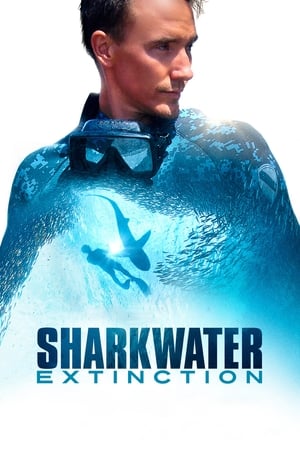
Discovering that sharks are being hunted to extinction, and with them the destruction of our life support system - activist and filmmaker Rob Stewart embarks on a dangerous quest to stop the slaughter. Following the sharks - and the money - into the elusive pirate fishing industry, Stewart uncovers a multi-billion dollar scandal that makes us all accomplices in the greatest wildlife massacre ever known.
70%
Mickey: The Story of a Mouse(en)
2022-03-19
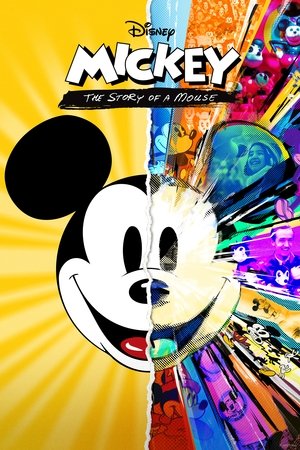
Mickey Mouse is one of the most enduring symbols in our history. Those three simple circles take on meaning for virtually everyone on the planet. So ubiquitous in our lives that he can seem invisible, Mickey is something we all share, with unique memories and feelings. Over the course of his nearly century-long history, Mickey functions like a mirror, reflecting our personal and cultural values back at us. "Mickey: The Story of a Mouse" explores Mickey's significance, getting to the core of what Mickey's cultural impact says about each of us and about our world.
78%
Seaspiracy(en)
2021-03-24
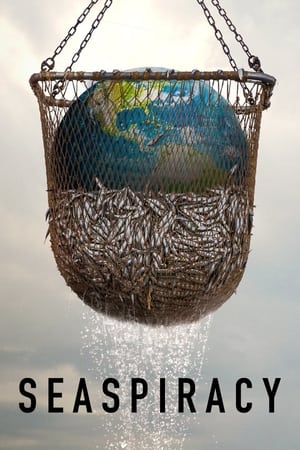
Passionate about ocean life, a filmmaker sets out to document the harm that humans do to marine species — and uncovers an alarming global conspiracy.

65%
Embrace(en)
2016-08-04
Embrace follows body image activist Taryn Brumfitt's crusade as she explores the global issue of body loathing, inspiring us to change the way we feel about ourselves and think about our bodies.

67%
The U.S. vs. John Lennon(en)
2006-09-15
A documentary on the life of John Lennon, with a focus on the time in his life when he transformed from a musician into an antiwar activist.
79%
The Great White Silence(en)
1924-05-01
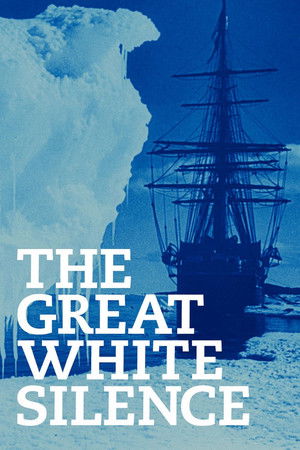
Herbert Ponting travelled to Antarctica with Captain Scott’s ill-fated South Pole expedition and filmed the stunning images that make up this extraordinary documentary. (Originally released in 1912 as With Captain Scott in the Antarctic, the material was re-edited and re-issued by Ponting in 1924 as The Great White Silence.)
65%
The Most Unknown(en)
2018-03-16
An epic documentary film that sends nine scientists to extraordinary parts of the world to uncover unexpected answers to some of humanity’s biggest questions. How did life begin? What is time? What is consciousness? How much do we really know? By introducing researchers from diverse backgrounds for the first time, then dropping them into new, immersive field work they previously hadn’t tackled, the film pushes the boundaries of how science storytelling is approached. What emerges is a deeply human trip to the foundations of discovery and a powerful reminder that the unanswered questions are the most crucial ones to pose. Directed by Emmy-nominated and Peabody Award-winning filmmaker Ian Cheney and advised by world-renowned filmmaker Werner Herzog, The Most Unknown is an ambitious look at a side of science never before shown on screen.

71%
Titan: The OceanGate Submersible Disaster(en)
2025-06-06
OceanGate's Titan tourist submersible imploded in 2023 on a deep-sea dive to the Titanic. This documentary details how a bold vision ended in tragedy.
79%
My Octopus Teacher(en)
2020-09-04
After years of swimming every day in the freezing ocean at the tip of Africa, Craig Foster meets an unlikely teacher: a young octopus who displays remarkable curiosity. Visiting her den and tracking her movements for months on end he eventually wins the animal’s trust and they develop a never-before-seen bond between human and wild animal.
78%
Earth: One Amazing Day(en)
2017-08-04
An astonishing journey revealing the awesome power of the natural world. Over the course of one single day, we track the sun from the highest mountains to the remotest islands to exotic jungles.

72%
Seven Up!(en)
1964-05-05
A group of British children aged 7 from widely ranging backgrounds are interviewed about a range of subjects. The filmmakers plan to re-interview them at 7 year intervals to track how their lives and attitudes change as they age.
Similar Movies
86%
When Whales Walked: Journeys in Deep Time(en)
2019-06-19
Discover the evolutionary secrets of some of the world’s most majestic creatures. From voracious crocodiles and acrobatic birds to stupendous whales and majestic elephants, this documentary follows top scientists on a global adventure as they follow clues from the fossil record and change what we thought we knew about the evolution of iconic beasts.
71%
The Living Sea(en)
1995-02-01
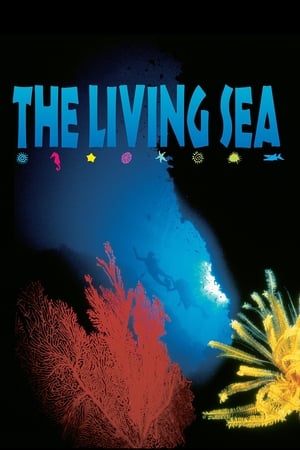
The Living Sea celebrates the beauty and power of the ocean as it explores our relationship with this complex and fragile environment. Using beautiful images of unspoiled healthy waters, The Living Sea offers hope for recovery engendered by productive scientific efforts. Oceanographers studying humpback whales, jellyfish, and deep-sea life show us that the more we understand the ocean and its inhabitants, the more we will know how to protect them. The film also highlights the Central Pacific islands of Palau, one of the most spectacular underwater habitats in the world, to show the beauty and potential of a healthy ocean.
62%
America The Beautiful(en)
2008-08-01
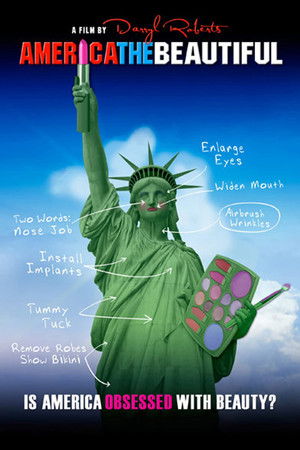
In a society where "celebutantes" like Paris Hilton dominate newsstands and models who weigh less than 90 pounds die from malnutrition, female body image is one of the more dire problems facing today's society. "America the Beautiful" illuminates the issue by covering every base. Child models, plastic surgery, celebrity worship, airbrushed advertising, dangerous cosmetics - no rock is left unturned.
69%
The Endurance(en)
2000-09-02
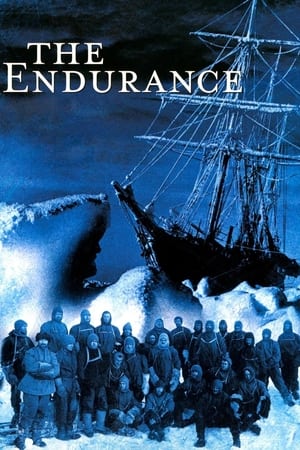
Documentary on the Shackleton Antartic expedition. A retelling of Sir Ernest Shackleton's ill-fated expedition to Antarctica in and the crew of his vessel 'The Endurance', which was trapped in the ice floes and frigid open ocean of the Antarctic in 1914. Shackleton decided, with many of his crew injured and weak from exposure and starvation, to take a team of his fittest men and attempt to find help. Setting out in appalling conditions with hopelessly inadequate equipment, they endured all weather and terrain and finally reached safety. Persuading a local team of his confidence that the abandoned team would still be alive, he set out again to find them. After almost 2 years trapped on the ice, all members of the crew were finally rescued.
72%
Explorer: Lake of Fire(en)
2023-10-26
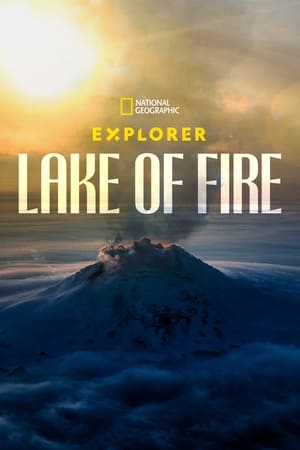
In 2001, satellite imagery captured a mysterious “thermal anomaly” on an unexplored volcano at the ends of the Earth. What lies inside could provide new clues to help predict volcanic eruptions around the globe. But the island is so remote with conditions that are so extreme. No one has ever been able to reach the top to investigate what lies inside.. until now.
100%
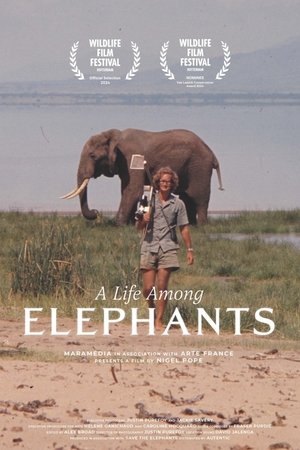
A Life Among Elephants(en)
2024-11-07
60 years ago, almost nothing was known of elephants in the wild. But then one young Scottish biologist changed that forever. In 1965 Iain Douglas-Hamilton arrived in Tanzania to live alongside African elephants. Later joined by his wife Oria and daughters Saba and Dudu, elephants became central to their lives with matriarch Boadicea and gentle young mother Virgo cherished like human relatives. But this garden Eden was short-lived as an ivory poaching epidemic swept across Africa forcing Iain to switch from pioneering scientist to maverick conservationist. He became a lone crusader against the international Ivory trade which was finally banned in 1989. Now back in the field and revealing even more about the fascinating world of elephants, Iain’s work continues alongside a new generation of Kenyan conservationists. This inspiring documentary combines stunning wildlife imagery with the story of a remarkable life showing how sometimes you have to stand alone to protect what you love.
77%
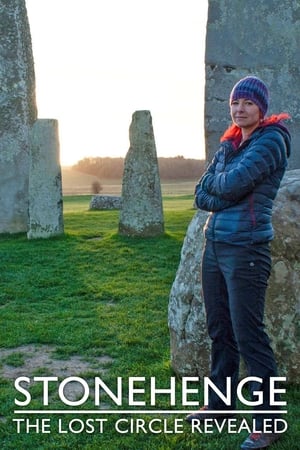
Stonehenge: The Lost Circle Revealed(en)
2021-02-12
Professor Alice Roberts follows a decade-long historical quest to reveal a hidden secret of the famous bluestones of Stonehenge. Using cutting-edge research, a dedicated team of archaeologists led by Professor Mike Parker Pearson have painstakingly compiled evidence to fill in a 400-year gap in our knowledge of the bluestones, and to show that the original stones of Britain’s most iconic monument had a previous life. Alice joins Mike as they put together the final pieces of the puzzle, not just revealing where the stones came from, how they were moved from Wales to England or even who dragged them all the way, but also solving one of the toughest challenges that archaeologists face.
63%
Atlantis(fr)
1991-08-21
Atlantis is filmmaker Luc Besson's celebration of the beauty and wonder of the world beneath the sea, expanding upon themes touched on in his film The Big Blue. Combining stunning underwater cinematography and a hypnotic score by Eric Serra, Besson's singular vision defies dialogue or narrative structure to explore ocean life as you've never seen it before. Following the colossal success of The Big Blue, Luc Besson crisscrossed the world's seas and oceans to film the beauty and diversity of marine life: from the giant octopuses of Vancouver to the manta rays of the Pacific (New Caledonia), and the grey sharks of Tahiti. A film with no actors or sets other than the underwater world. A breathtaking view of marine species: sharks, dolphins, manatees, octopuses. An exploration of the seabed in the Bahamas, the Galapagos, Vancouver, and Tahiti.

72%
Who Wrote The Bible? Revelations About One of the Greatest Mysteries In History(fr)
2021-03-04
A fascinating archaeological and scientific investigation on the world's best-selling book. When was the Bible written ? Who wrote it? Under what circumstances ? For what purpose ? These questions have long remained unanswered. With the discovery of the Dead Sea Scrolls in 1947, the thorough study of the texts, the advances in science, and the recent archaeological discoveries, one of the greatest historical mysteries is gradually being unveiled. Meet the most eminent specialists in the Bible who try to unearth brand new information and answer the enigmatic and fundamental question : who wrote the Holy Book ?
57%
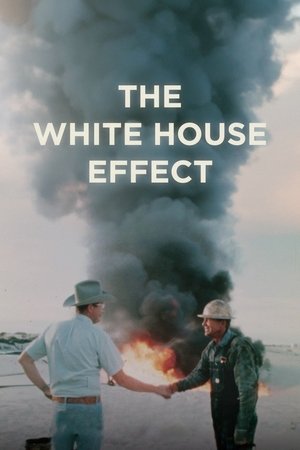
The White House Effect(en)
2024-08-31
Exploring the dramatic origin story of the climate crisis and how a political battle in the George H.W. Bush administration changed the course of history.

67%
Das geheime Wesen der Katzen(de)
2021-04-03
Cats are the most popular pet in Europe. Around 14 million house pets live in German households alone. But hardly anything is known about the nature of cats - their emotional life has been little studied by science. Until now! Scientists all over the world have begun to explore the secret nature of cats.
80%
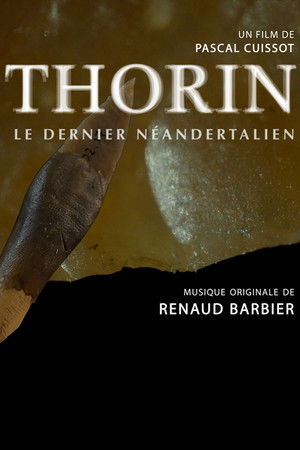
Thorin, le dernier Néandertalien(fr)
2024-10-05
The Mandrin Cave in the Rhône Valley is a fascinating excavation site. Archaeologist Ludovic Slimak discovered fossils and flints here, proving that Neanderthals inhabited the cave for over 80,000 years. The first Neanderthal in France for half a century was also unearthed in the cave: He was given the name Thorin.

0%
Best of Worlds: Life at its Alpine Limits(en)
2014-08-07
For 5000 years, man has sought to inhabit the more accessible areas of Europe, but at its very heart, in the high zones of the Alps, there exists a world parallel to ours. This is a world in which species have survived dramatic climatic upheavals, human exploitation of the land, and now the pressures of mass tourism. The Alps are home to plants and animals that owe their success to an amazing capacity to live in conditions that, for other species–humans included–would be barely tolerable. For them, however, this is everyday life.

80%
Windparks im Meer - Chance oder Risiko für die Natur?(de)
2024-09-21
Offshore wind farms are a major player in the move away from fossil fuels, especially in the North Sea, and they are increasing in number. But their impact on the environment is not yet clear: We take a look at ongoing research in Europe that is measuring the impact of wind turbines and their harm, or benefit, to biodiversity in our seas.
76%
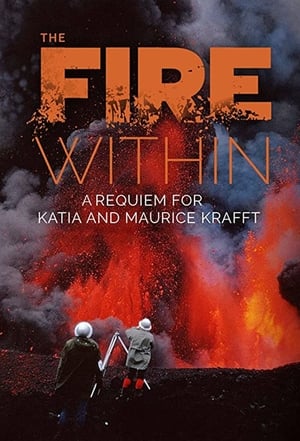
The Fire Within: A Requiem for Katia and Maurice Krafft(en)
2024-05-09
Filmmaker Werner Herzog combs through the film archives of volcanologists Katia and Maurice Krafft to create a film that celebrates their legacy.
85%
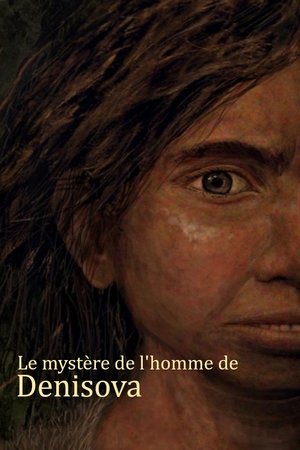
Le mystère de l'homme de Denisova(fr)
2022-06-23
0%
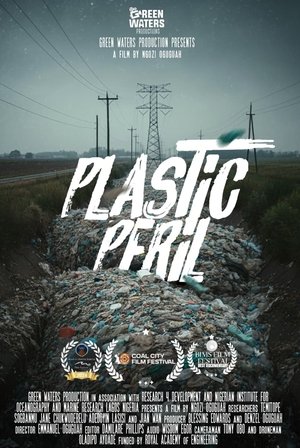
Plastic Peril(en)
2024-12-09
Plastic Peril explores the devastating impact of plastic waste on the waterways and drainage systems of Lagos, Nigeria. This thought-provoking documentary delves into how unchecked plastic pollution disrupts daily life, exacerbates flooding, and threatens the livelihoods of local communities. Through interviews and vivid imagery, it reveals the environmental, social, and economic toll of this growing crisis while highlighting the urgent need for sustainable solutions. A compelling call to action, Plastic Peril amplifies the voices of those most affected and challenges viewers to rethink their role in combating plastic waste.

76%
Stephen Hawking and The Theory of Everything(en)
2009-03-24
Twenty years after A Brief History of Time flummoxed the world with its big numbers and black holes, its author, Stephen Hawking, concedes that the "ultimate theory" he'd believed to be imminent - which would conclusively explain the origins of life, the universe and everything - remains frustratingly elusive. Yet despite his failing health and the seeming impossibility of the task, Hawking is still devoted to his work; an extraordinary drive that's captured here in fleeting interview snippets and footage of the scientist sharing a microwave dinner with some fawning PhD students. Though the pop-science tutorials that dapple the first of this two-part biography are winningly perky, Hawking, alas, remains as tricky to fathom as his boggling quantum whatnots
80%
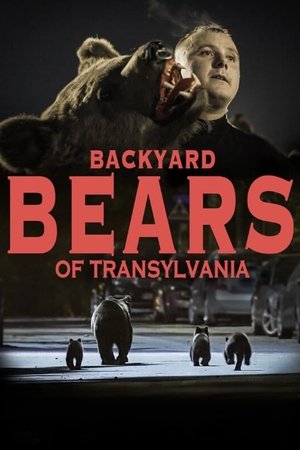
Backyard Bears of Transylvania(de)
2023-07-13
No other country in Europe has more bears than Romania. There are probably over 6000. Especially in Transylvania, they often come dangerously close to humans. As a result, people in many places are at their wits' end. The film follows a female bear and her three cubs as they leave the protection of the Carpathian forests and become 'problem bears'. Their dramatic fate highlights the challenges of bear-human coexistence. Is there still a common future in densely populated Europe?