Loading Page
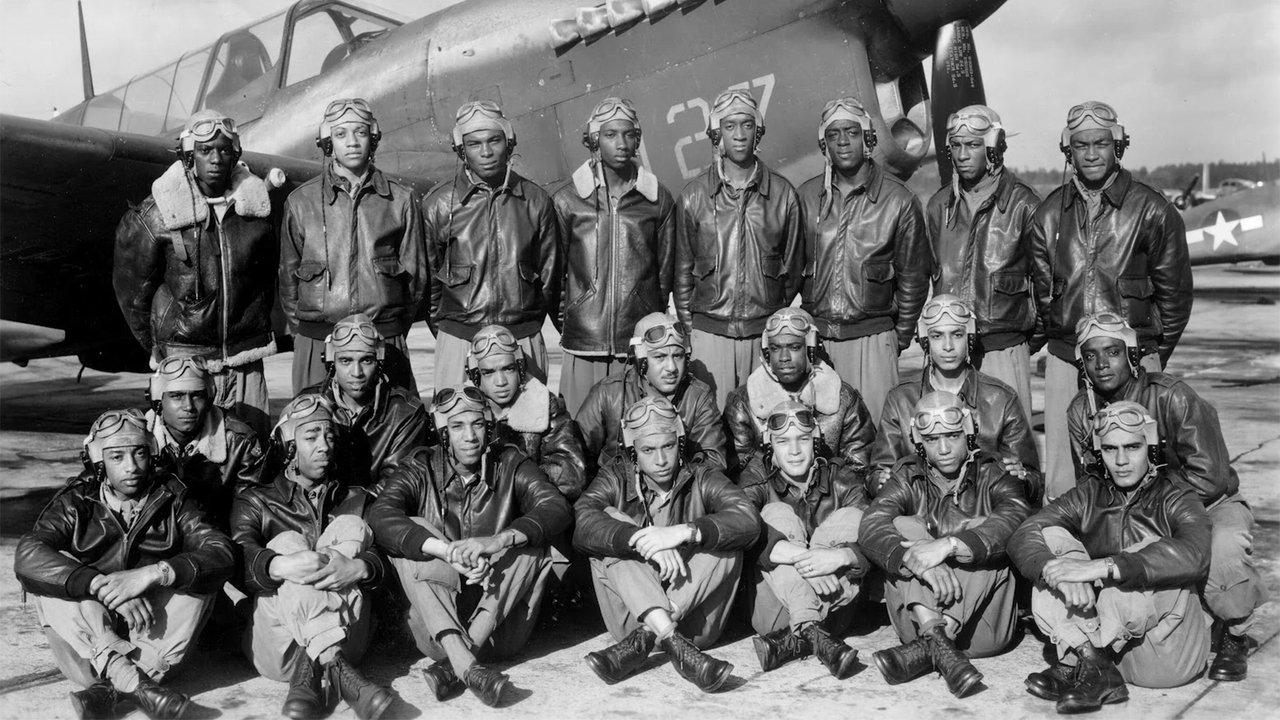
Nightfighters: The True Story Of The 332nd Fighter Group--The Tuskegee Airmen(1994)
Status: Released
Date: 1994-01-01
0%
0 Votes
Time: 0h 53m
Overview:
The story of the Tuskegee Airmen, a group of African American pilots who saw combat during the Second World War. The 332nd Fighter Group stands apart from any other air force fighter groups in the Second World War: all personnel, from pilots to ground crew to surgeons, were black. They confounded expectations and prejudices existing in America in the thirties and forties about the abilities of black Americans. They excelled as pilots and became a crack unit, showing great courage and skill and achieving where other fighter groups had failed. Despite this, they were segregated on the ground and in the air from the white flyers whose lives they protected. (Alexander Street)
Languages: English.
Countries:
United States of America
ProductionCompanies: 
Movie: Nightfighters: The True Story Of The 332nd Fighter Group--The Tuskegee Airmen
Top 10 Billed Cast

Arthur Burghardt
Self - Narrator (voice)
Loading Photos
Photo Type :Total items
Recommendations Movies
72%
The Bloody Hundredth(en)
2024-03-14
Meet the real-life airmen who inspired Masters of the Air as they share the harrowing and transformative events of the 100th Bomb Group.
66%
The Memphis Belle(en)
1944-04-13
This WW2 documentary centers on the crew of the American B-17 Flying Fortress Memphis Belle as it prepares to execute a strategic bombing raid on Nazi submarine pens in Wilhelmshaven, Germany.
64%
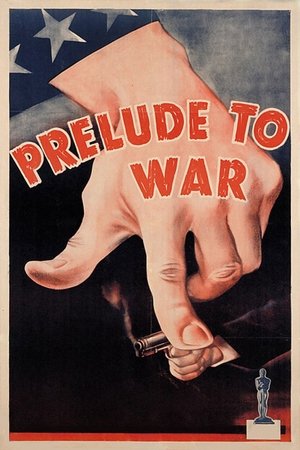
Why We Fight: Prelude to War(en)
1942-05-27
Prelude to War was the first film of Frank Capra's Why We Fight propaganda film series, commissioned by the Pentagon and George C. Marshall. It was made to convince American troops of the necessity of combating the Axis Powers during World War II. This film examines the differences between democratic and fascist states.
65%
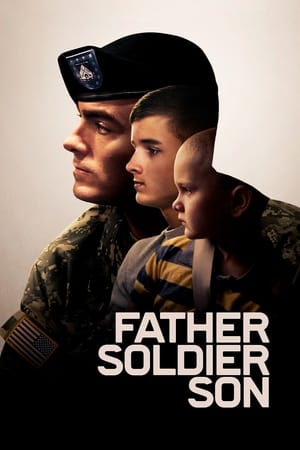
Father Soldier Son(en)
2020-04-15
When Sgt. First Class Brian Eisch is critically wounded in Afghanistan, it sets him and his sons on a journey of love, loss, redemption and legacy.

61%
The Battle of San Pietro(en)
1945-05-03
This documentary movie is about the battle of San Pietro, a small village in Italy. Over 1,100 US soldiers were killed while trying to take this location, that blocked the way for the Allied forces from the Germans. Preserved by the Academy Film Archive in 2005.
79%
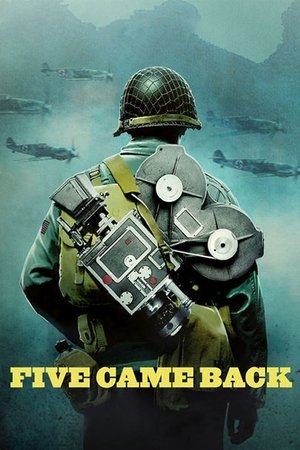
Five Came Back(en)
2017-03-31
The extraordinary story of how Hollywood changed World War II – and how World War II changed Hollywood, through the interwoven experiences of five legendary filmmakers who went to war to serve their country and bring the truth to the American people: John Ford, William Wyler, John Huston, Frank Capra, and George Stevens. Based on Mark Harris’ best-selling book, “Five Came Back: A Story of Hollywood and the Second World War.”
75%
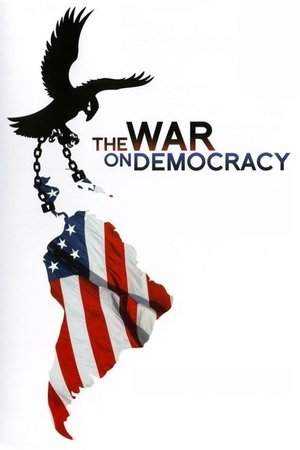
The War on Democracy(en)
2007-06-15
Set both in Latin America and the United States, the film explores the historic and current relationship of Washington with countries such as Venezuela, Bolivia and Chile. Pilger says that the film "...tells a universal story... analysing and revealing, through vivid testimony, the story of great power behind its venerable myths. It allows us to understand the true nature of the so-called "war on terror". According to Pilger, the film’s message is that the greed and power of empire is not invincible and that people power is always the "seed beneath the snow".

76%
Night Will Fall(en)
2014-06-07
When Allied forces liberated the Nazi concentration camps in 1944-45, their terrible discoveries were recorded by army and newsreel cameramen, revealing for the first time the full horror of what had happened. Making use of British, Soviet and American footage, the Ministry of Information’s Sidney Bernstein (later founder of Granada Television) aimed to create a documentary that would provide lasting, undeniable evidence of the Nazis’ unspeakable crimes. He commissioned a wealth of British talent, including editor Stewart McAllister, writer and future cabinet minister Richard Crossman – and, as treatment advisor, his friend Alfred Hitchcock. Yet, despite initial support from the British and US Governments, the film was shelved, and only now, 70 years on, has it been restored and completed by Imperial War Museums under its original title "German Concentration Camps Factual Survey".
71%
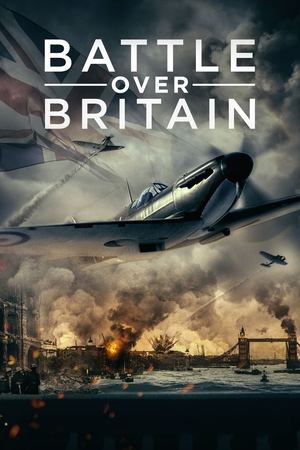
Battle Over Britain(en)
2023-12-01
A young pilot, fresh out of training, is called to join a Flight while they wait for the call to scramble. Throughout a single day, he witnesses the skies of southern England filled with deadly dog fights, and after every exhausting battle the men return to their dispersal hut, only to find another of their number missing. Unwilling to surrender, the pilot and his comrades unite to take to the skies once more, determined to defend not only the airfield, but their entire country.
77%
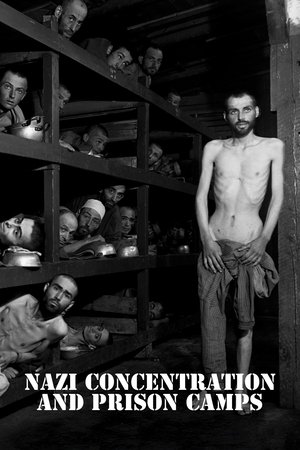
Nazi Concentration Camps(en)
1945-11-29
Produced and presented as evidence at the Nuremberg war crimes trial of Hermann Göring and twenty other Nazi leaders, this film consists primarily of dead and surviving prisoners and of facilities used to kill and torture during the World War II.
62%
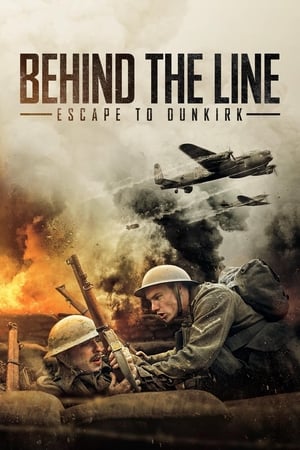
Behind the Line: Escape to Dunkirk(en)
2020-08-20
Occupied France, 1940. A Nazi Commander discovers one of his prisoners, Danny is a champion boxer. He forces him to fight for his company's entertainment. But the POWs realise they can use these contests, as cover for an audacious breakout, before they re sent to Germany, where escape will be almost impossible. Their fate and freedom may all come down to how long Danny can keep fighting.

69%
Battle of Britain(en)
1969-09-15
In 1940, the Royal Air Force fights a desperate battle against the might of the Luftwaffe for control of the skies over Britain, thus preventing an attempted Nazi invasion.
62%
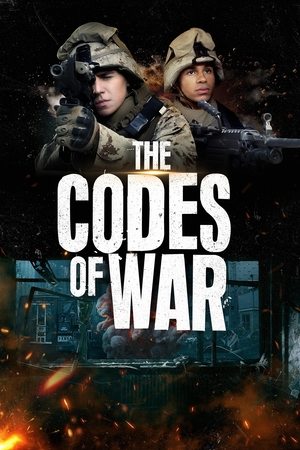
The Codes of War(en)
2025-03-20
War stories about family, ethics and honor include the true story of two U.S. Marines who in a span of six seconds, must stand their ground to stop a suicide truck bomb, a Navy Corpsman who attempts to hold on to his humanity, and a WW2 soldier who gets separated from his squad and is forced to re-evaluate his code.
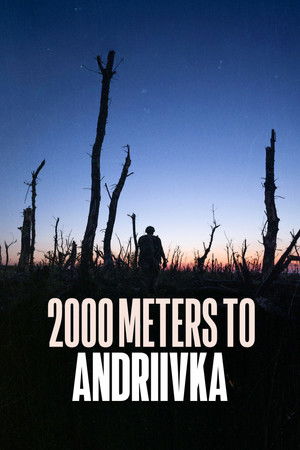
82%
2000 Meters to Andriivka(en)
2025-07-23
Amid the failing counteroffensive, a journalist follows a Ukrainian platoon on their mission to traverse one mile of heavily fortified forest and liberate a strategic village from Russian occupation. But the farther they advance through their destroyed homeland, the more they realize that this war may never end.
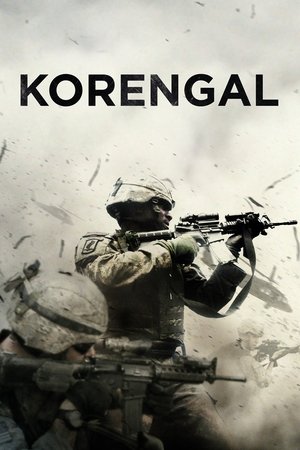
66%
Korengal(en)
2014-05-30
Korengal picks up where Restrepo left off; the same men, the same valley, the same commanders, but a very different look at the experience of war.
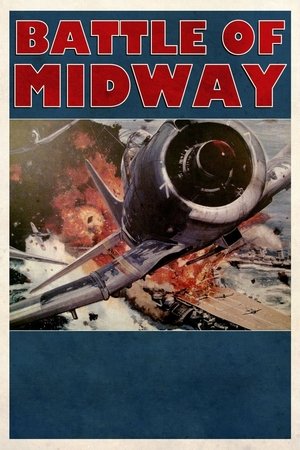
58%
The Battle of Midway(en)
1942-09-14
The Japanese attack on Midway in June 1942, filmed as it happened. Preserved by the Academy Film Archive, in partnership with Twentieth Century Fox Film Corporation, in 2006.
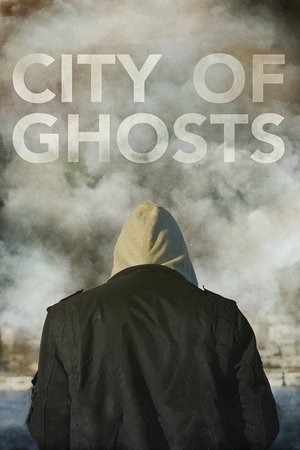
72%
City of Ghosts(en)
2017-07-14
With unprecedented access, this documentary follows the extraordinary journey of “Raqqa is Being Slaughtered Silently”—a group of anonymous citizen journalists who banded together after their homeland was overtaken by ISIS—as they risk their lives to stand up against one of the greatest evils in the world today.
65%
The Great Raid(en)
2005-08-12
As World War II rages, the elite Sixth Ranger Battalion is given a mission of heroic proportions: push 30 miles behind enemy lines and liberate over 500 American prisoners of war.

72%
4 Little Girls(en)
1997-07-09
On September 15, 1963, a bomb destroyed a black church in Birmingham, Alabama, killing four young girls who were there for Sunday school. It was a crime that shocked the nation--and a defining moment in the history of the civil-rights movement. Spike Lee re-examines the full story of the bombing, including a revealing interview with former Alabama Governor George Wallace.
60%
The Delta Force(en)
1986-02-14
A 707 aircraft jetliner, en route from Athens to Rome and then to New York City, is hijacked by Lebanese terrorists, who demand that the pilot take them to Beirut. What the terrorists don't realize is that an elite team of commandos have been called in to eliminate all terrorists on the jetliner.
Similar Movies
52%
Hear the Silence(de)
2016-06-11
1941, Ukraine. A group of German soldiers occupy a small town populated exclusively by women and children of German descent, way behind enemy lines. There's tension from the beginning, that always threatens to erupt in violence from both sides.

74%
Civil: Ben Crump(en)
2022-06-17
Crump's mission to raise the value of Black life as the civil lawyer for the families of George Floyd, Breonna Taylor, Black farmers and banking while Black victims, Crump challenges America to come to terms with what it owes his clients.
39%
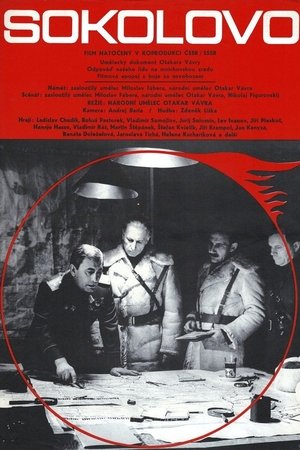
Sokolovo(cs)
1975-05-09
The plot begins in the Soviet Union showing first efforts to establish the Czechoslovak legion in 1942. The film also shows the assassination of Heydrich and the subsequent annihilation of Lidice. The main topis of the film is battles with German troops for Sokolovo.
77%
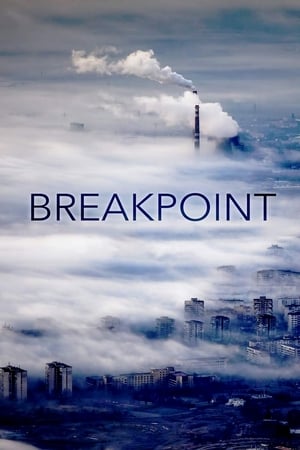
Breakpoint: A Counter History of Progress(fr)
2019-07-14
An account of the last two centuries of the Anthropocene, the Age of Man. How human beings have progressed so much in such a short time through war and the selfish interests of a few, belligerent politicians and captains of industry, damaging the welfare of the majority of mankind, impoverishing the weakest, greedily devouring the limited resources of the Earth.
78%
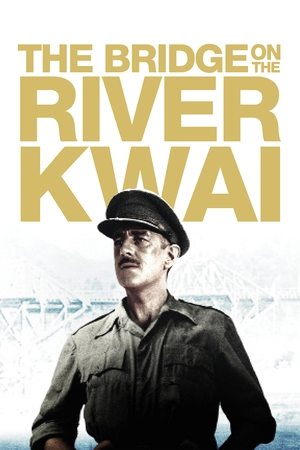
The Bridge on the River Kwai(en)
1957-10-11
The classic story of English POWs in Burma forced to build a bridge to aid the war effort of their Japanese captors. British and American intelligence officers conspire to blow up the structure, but Col. Nicholson, the commander who supervised the bridge's construction, has acquired a sense of pride in his creation and tries to foil their plans.
83%
Night and Fog(fr)
1956-01-29
Filmmaker Alain Resnais documents the atrocities behind the walls of Hitler's concentration camps.
74%
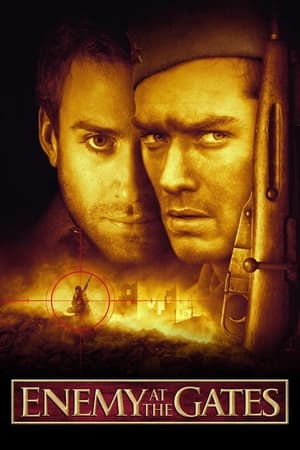
Enemy at the Gates(en)
2001-02-28
A Russian and a German sniper play a game of cat-and-mouse during the Battle of Stalingrad in WWII.
82%
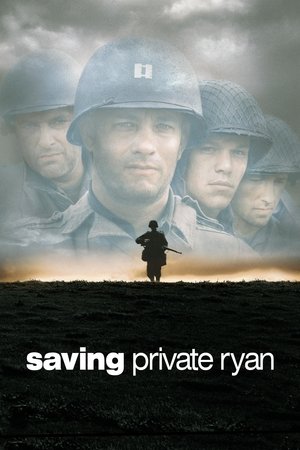
Saving Private Ryan(en)
1998-07-24
As U.S. troops storm the beaches of Normandy, three brothers lie dead on the battlefield, with a fourth trapped behind enemy lines. Ranger captain John Miller and seven men are tasked with penetrating German-held territory and bringing the boy home.

68%
Panfilov's 28 Men(ru)
2016-11-24
USSR, November, 1941. Based on the account by Vasiliy Koroteev this is the story of Panifilov's Twenty-Eight, a group of twenty-eight Red Army soldiers commanded by General Ivan Panfilov, that stopped the advance on Moscow of a column of fifty-four Nazi tanks of the 11th Panzer Division for several days. Though lightly armed they fight tirelessly and defiantly, with uncommon bravery and unwavering dedication, to protect Moscow and their Motherland.
0%
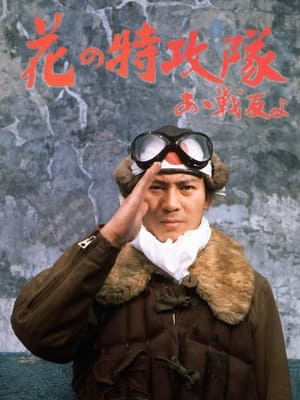
Cherry Blossoms in the Air - The Suicide Raiders - Oh, Buddies!(ja)
1970-05-16
In 1943 Japan is facing defeat. This makes Shinkichi, a straight, selfless student-patriot, ever more restless. He can no longer stand his soft "behind-the- gun" role of munition factory worker. School-mates one after another are going to the front, where he feels he should be. The last straw is an official report of his father's death in the Battle of Attu in the Aleutian Islands. He rushes to the naval air corps training camp at Tsuchiura along with his close school-mates Naito, Yamada, Saito and Tagawa as Volunteer pilot trainees leaving his mother and sweetheart weeping and helpless.
72%
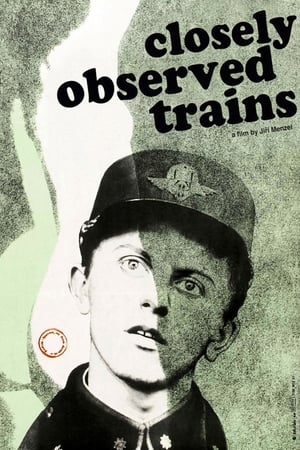
Closely Watched Trains(cs)
1966-11-18
At a village railway station in occupied Czechoslovakia, a bumbling dispatcher’s apprentice longs to liberate himself from his virginity. Oblivious to the war and the resistance that surrounds him, this young man embarks on a journey of sexual awakening and self-discovery, encountering a universe of frustration, eroticism, and adventure within his sleepy backwater depot.
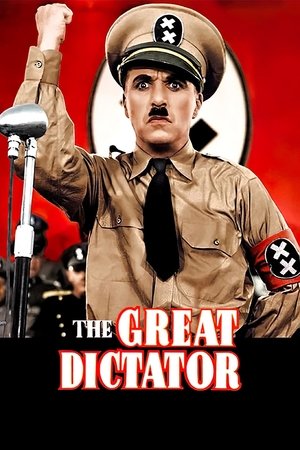
83%
The Great Dictator(en)
1940-10-15
Dictator Adenoid Hynkel tries to expand his empire while a poor Jewish barber tries to avoid persecution from Hynkel's regime.

78%
To Be or Not to Be(en)
1942-03-06
During the Nazi occupation of Poland, an acting troupe becomes embroiled in a Polish soldier's efforts to track down a German spy.

78%
White Bird(en)
2023-10-25
After being expelled from Beecher Prep for his treatment of a classmate with a facial deformity, Julian has struggled to fit in at his new school. To transform his life, Julian's grandmother finally reveals her own story of courage of her youth in Nazi-occupied France, where a classmate shelters her from mortal danger.
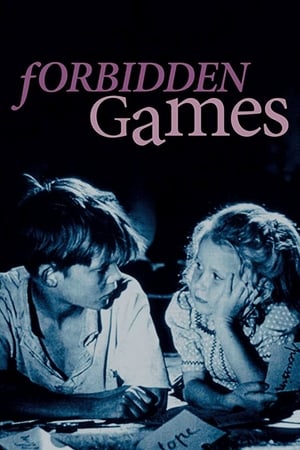
78%
Forbidden Games(fr)
1952-05-09
Orphaned after a Nazi air raid, Paulette, a young Parisian girl, runs into Michel, an older peasant boy, and the two quickly become close. Together, they try to make sense of the chaotic and crumbling world around them, attempting to cope with death as they create a burial ground for Paulette's deceased pet dog. Eventually, however, Paulette's stay with Michel's family is threatened by the harsh realities of wartime.
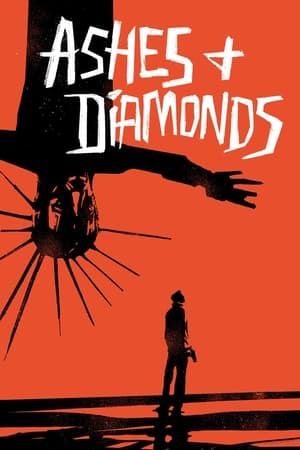
74%
Ashes and Diamonds(pl)
1958-10-03
A young academy soldier, Maciek Chelmicki, is ordered to shoot the secretary of the KW PPR. A coincidence causes him to kill someone else. Meeting face to face with his victim, he gets a shock. He faces the necessity of repeating the assassination. He meets Krystyna, a girl working as a barmaid in the restaurant of the "Monopol" hotel. His affection for her makes him even more aware of the senselessness of killing at the end of the war. Loyalty to the oath he took, and thus the obligation to obey the order, tips the scales.

0%
Charlotte(en)
1981-02-26
In 1939, Charlotte Salomon leaves Berlin to seek refuge at her grandparents' villa in the south of France. A little later, war breaks out, and Charlotte must, besides forgetting all she left behind, deal with her grandmother's depression, and her mother's suicide. To fight despair, Charlotte starts to paint, producing over one thousand images. "Is my life real, or is it theater?" This is the title she gives her body of work, which highlights her former life in Berlin. She finds herself though her art, but in 1943 is deported to Germany and Auschwitz.
73%
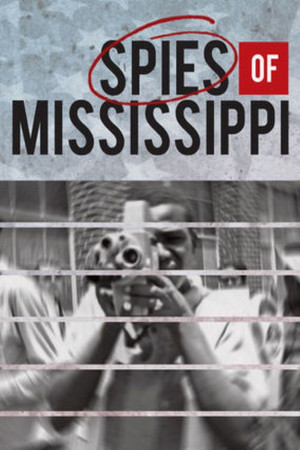
Spies of Mississippi(en)
2014-02-10
Spies of Mississippi tells the story of a secret spy agency formed by the state of Mississippi to preserve segregation and maintain white supremacy. The anti-civil rights organization was hidden in plain sight in an unassuming office in the Mississippi State Capitol. Funded with taxpayer dollars and granted extraordinary latitude to carry out its mission, the Commission evolved from a propaganda machine into a full blown spy operation. How do we know this is true? The Commission itself tells us in more than 146,000 pages of files preserved by the State. This wealth of first person primary historical material guides us through one of the most fascinating and yet little known stories of America's quest for Civil Rights.