Loading Page

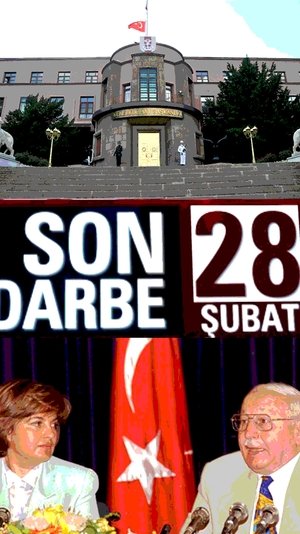
Son Darbe: 28 Şubat(2012)
Status: Released
Date: 2012-02-13
100%
2 Votes
Time: 9h 17m
Last Coup D'etat: February 28th
Overview:
12 episodes documentary about Turkish political history focused on period between 1993 and 2002.
Languages: Turkish.
Countries:
Movie: Son Darbe: 28 Şubat
Top 1 Billed Cast
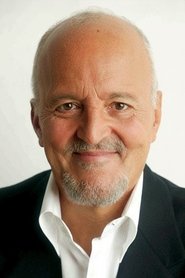
Mehmet Ali Birand
Narrator
HomePage
Overview
12 episodes documentary about Turkish political history focused on period between 1993 and 2002.
Release Date
2012-02-13
Average
10
Rating:
5.0 startsTagline
Last Coup D'etat: February 28th
Genres
Languages:
TürkçeKeywords
Recommendations Movies
82%
The Untold History Of The United States(en)
2012-11-12
Oliver Stone charts the history of the United States from the Second World War to the present.
69%
Wormwood(en)
2017-10-22
In this genre-bending tale, Errol Morris explores the mysterious death of a U.S. scientist entangled in a secret Cold War program known as MK-Ultra.
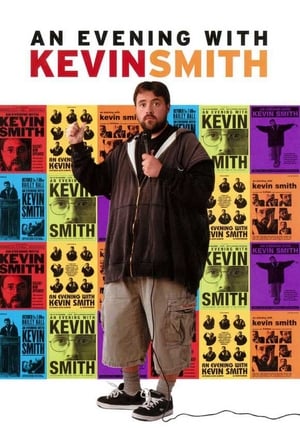
74%
An Evening with Kevin Smith(en)
2002-12-17
Kevin Smith interacts in Q&A sessions throughout various college stops in the USA.
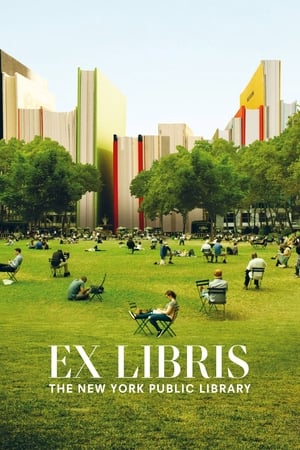
64%
Ex Libris: The New York Public Library(en)
2017-09-13
A documentary about how a dominant cultural and demographic institution both sustains their traditional activities and adapts to the digital revolution.
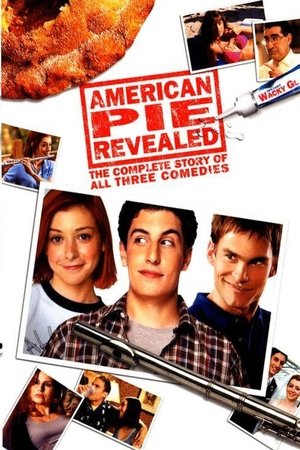
60%
American Pie: Revealed(en)
2004-01-02
Documentary about the making of American Pie (1999), American Pie 2 (2001) and American Wedding (2003).
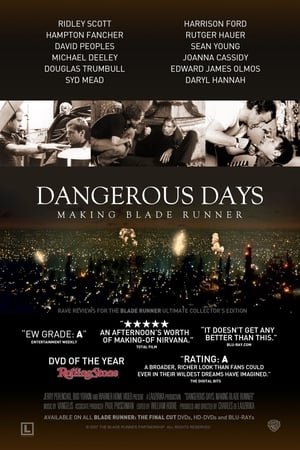
78%
Dangerous Days: Making Blade Runner(en)
2007-12-18
The definitive 3½-hour documentary about the troubled creation and enduring legacy of the science fiction classic 'Blade Runner', culled from 80 interviews and hours of never-before-seen outtakes and lost footage.
86%
Metallica and San Francisco Symphony: S&M(en)
1999-11-23
Michael Kamen conducts the San Francisco Symphony Orchestra in support of metal rockers Metallica in this 1999 concert performance.
82%
The Big Four: Live in Sofia(en)
2010-10-29
When the 'Big Four' - Metallica, Slayer, Megadeth and Anthrax - shared a stage together on 22nd June 2010 in Sofia, Bulgaria, the show was beamed live into over 550 theatres worldwide via satellite in a special HD cinematic event. The Big Four Live from Sofia includes full shows from all four bands as well as behind the scenes and interview footage. The legendary concert from the Sonisphere Festival was one of only 7 shows across Europe when the four monsters of metal shared a stage for the first time.

76%
As I Was Moving Ahead, Occasionally I Saw Brief Glimpses of Beauty(en)
2000-11-05
A compilation of over 30 years of private home movie footage shot by Lithuanian-American avant-garde director Jonas Mekas, assembled by Mekas "purely by chance", without concern for chronological order.
79%
Live Aid(en)
1985-07-13
Live Aid was held on 13 July 1985, simultaneously in Wembley Stadium in London, England, and the John F. Kennedy Stadium in Philadelphia, United States. It was one of the largest scale satellite link-ups and television broadcasts of all time: watched live by an estimated global audience of 1.9 billion, across 150 nations. "It's twelve noon in London, seven AM in Philadelphia, and around the world it's time for Live Aid...!"
84%
O.J.: Made in America(en)
2016-05-20
A chronicle of the rise and fall of O.J. Simpson, whose high-profile murder trial exposed the extent of American racial tensions, revealing a fractured and divided nation.
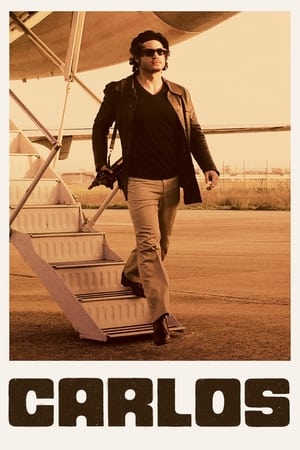
70%
Carlos(en)
2010-07-07
The story of Venezuelan revolutionary, Ilich Ramirez Sanchez, who founded a worldwide terrorist organization and raided the OPEC headquarters in 1975 before being caught by the French police.
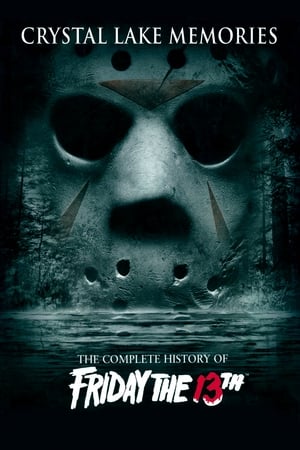
79%
Crystal Lake Memories: The Complete History of Friday the 13th(en)
2013-09-13
Taking inspiration from Peter M. Bracke's definitive book of the same name, this seven-hour documentary dives into the making of all twelve Friday the 13th films, with all-new interviews from the cast and the crew.
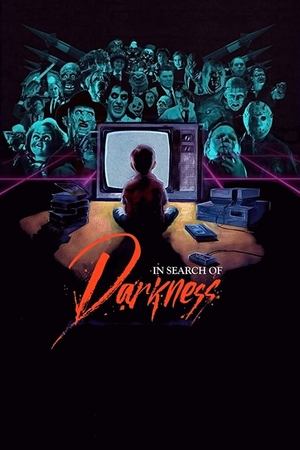
75%
In Search of Darkness(en)
2019-05-01
An exploration of '80s horror movies through the perspective of the actors, directors, producers and SFX craftspeople who made them, and their impact on contemporary cinema.
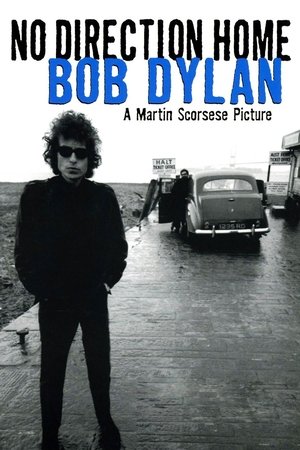
77%
No Direction Home: Bob Dylan(en)
2005-07-21
A chronicle of Bob Dylan's strange evolution between 1961 and 1966 from folk singer to protest singer to "voice of a generation" to rock star.
77%
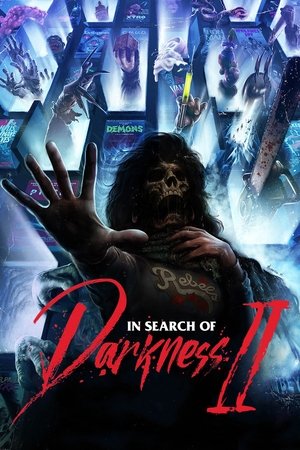
In Search of Darkness: Part II(en)
2020-10-06
The ultimate ‘80s Horror retrospective just got BIGGER. In Search of Darkness: Part II is a four-hour-plus sequel to the Rondo Hatton-nominated In Search of Darkness, adding 15 new interviewees and 40+ returning favorites for the biggest and most comprehensive ‘80s Horror documentary cast ever assembled.
79%
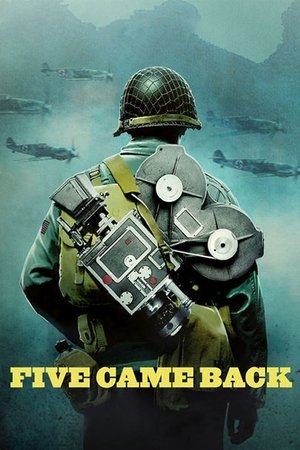
Five Came Back(en)
2017-03-31
The extraordinary story of how Hollywood changed World War II – and how World War II changed Hollywood, through the interwoven experiences of five legendary filmmakers who went to war to serve their country and bring the truth to the American people: John Ford, William Wyler, John Huston, Frank Capra, and George Stevens. Based on Mark Harris’ best-selling book, “Five Came Back: A Story of Hollywood and the Second World War.”
80%
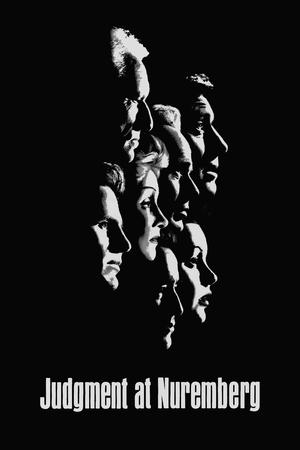
Judgment at Nuremberg(en)
1961-12-18
In 1947, four German judges who served on the bench during the Nazi regime face a military tribunal to answer charges of crimes against humanity. Chief Justice Haywood hears evidence and testimony not only from lead defendant Ernst Janning and his defense attorney Hans Rolfe, but also from the widow of a Nazi general, an idealistic U.S. Army captain and reluctant witness Irene Wallner.
70%
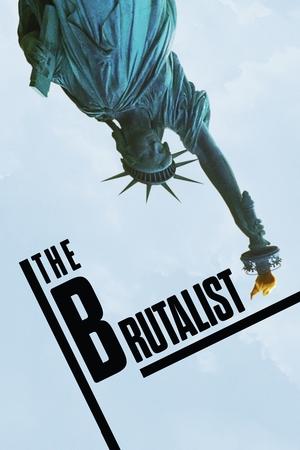
The Brutalist(en)
2024-12-20
When an innovative modern architect flees post-war Europe, he is given the opportunity to rebuild his legacy. Set during the dawn of the modern United States (in Pennsylvania), his wife joins him, and their lives are forever changed by a demanding, wealthy patron.

69%
Reds(en)
1981-12-25
An account of the revolutionary years of the legendary American journalist John Reed, who shared his adventurous professional life with his radical commitment to the socialist revolution in Russia, his dream of spreading its principles among the members of the American working class, and his troubled romantic relationship with the writer Louise Bryant.
Similar Movies
0%
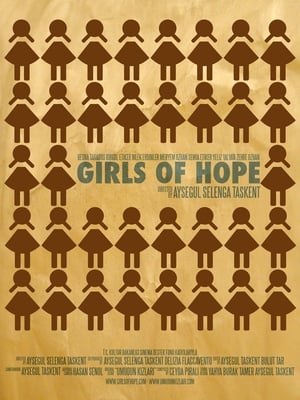
Girls of Hope(en)
2011-12-21
In Turkey far too many women are still unable to read and write, and all they see in their life span is being forced into early marriage and relegation to the home, where they look after extended families and more children than they can feed. The girls are portrayed in their homes, together with the strongest supporters of their emancipation through education: their mothers. Girls of Hope portrays five girls who struggle for their education and, despite all the difficulties, try to hold on to their hope for a better future.
0%
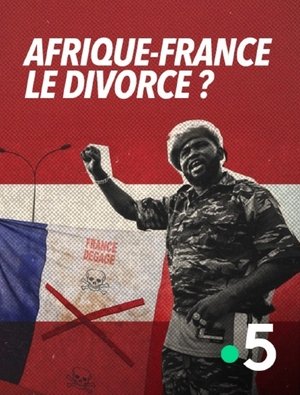
Afrique-France : le divorce ?(fr)
2025-06-22
At a time when French flags are being burned and French embassies targeted, this documentary delves into the growing disaffection between French-speaking Africa and the former colonial power. Through the voices of African leaders, pan-African activists, and committed young people, the film questions the persistence of a relationship marked by the aftermath of colonization, the opaque agreements of "Françafrique," and a military presence deemed paternalistic.
0%
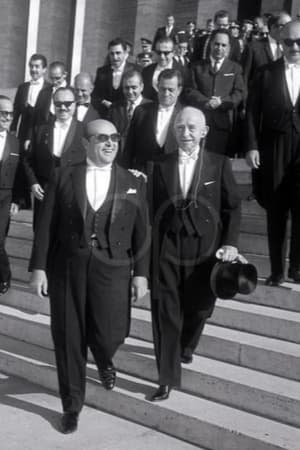
12 Mart: "Demir-El"(tr)
1994-05-01
By the end of 1963, the word coup was no longer spoken in Turkey. Talat Aydemir is history, the last tremors of the May 27 earthquake have passed and the sliding faults of the regime have begun to settle into place. In this transition period, which lasted more than four years, the person who managed to get the ship to the port without running aground was İsmet İnönü. He ruled for four troubled years in a country torn between armed uprisings, Cyprus crises, coalition governments and regime debates. But meanwhile, he was also worn out. In the local elections held at the end of 1963, while the CHP's votes remained at 37 percent, the AP found 45 percent. But on the very day of the final election results, a few gunshots heard from across the Atlantic turned everything upside down...
62%
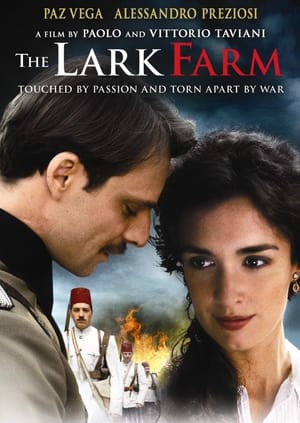
The Lark Farm(it)
2007-05-04
The Lark Farm is set in a small Turkish town in 1915. It deals with the genocide of Armenians, looking closely at the fortunes, or rather, misfortunes of one wealthy Armenian family.
90%
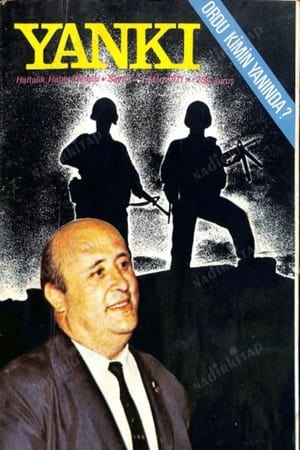
12 March: The Junta(tr)
1994-05-29
We are now saying goodbye to the 1960s. The 60's started eventfully on May 27. It ended as eventfully as it began. The '70s inherited escalating violence, student riots, and rumors of intervention. Prime Minister Demirel was trying to put out the fire in the street and to calm the increasingly restless army on the other. The October 1969 elections were held in this atmosphere and the Justice Party came out of the ballot box again. May 27 came by overthrowing the DP government, but the AP, which declared that three of the three elections held since the 1960s, were the continuation of the DP, emerged successfully. Demirel was about to roll up his sleeves for a new era. He felt that no one could stop him now. He was wrong. As he was dizzy from victory, he fell at Caesar's fault. Forgot about Brutus...
0%
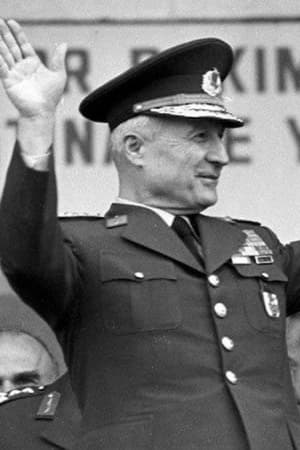
September 12: From Cyprus to Frontline(tr)
1998-10-19
Turkish democracy got over the 27th of May and the 12th of March and set off again, but the storm did not subside and the mutual reckoning was not over. On the contrary, new fronts were opened in the country and blood began to flow like a gutter. Finally, on September 12, there was a knock on the door again. Those who came that day changed everything, everything. Nothing would ever be the same again, nothing would be the same as before.
0%
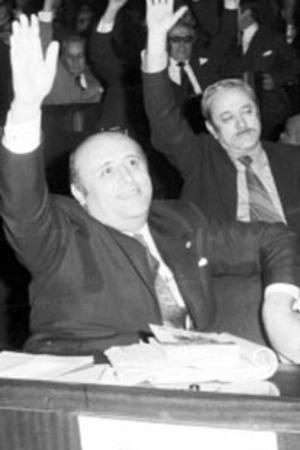
12 September: "What Days Bring That Day..."(tr)
1998-10-26
Turkish democracy got over the 27th of May and the 12th of March and set off again, but the storm did not subside and the mutual reckoning was not over. On the contrary, new fronts were opened in the country and blood began to flow like a gutter. Finally, on September 12, there was a knock on the door again. Those who came that day changed everything, everything. Nothing would ever be the same again, nothing would be the same as before.
0%
12 March: Rematch(tr)
1994-06-12
Demirkırat stumbled on March 12, 1971. Actually, you know, they shoot limping horses. But this time it didn't. Turkish democracy continued to run despite its wounds. Because March 12 was not a "seizure" but a "warning". The generals were saying, "If what we want is not done, we will seize it." The country was entering a new era under this Sword of Damocles. A president who was helpless in the face of events, a prime minister who had to leave his seat, a newly fallen parliament, four generals neither inside nor outside the power... Now, a solution would be tried to be found out of this complex equation. But how and with whom? No one knew the answer to these questions in Turkey on the morning of March 13.
61%
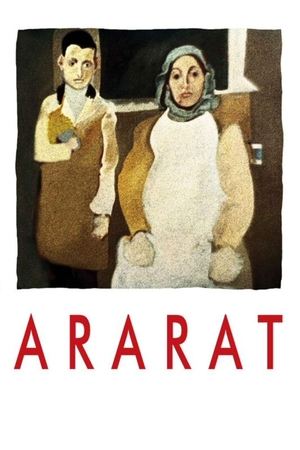
Ararat(en)
2002-05-20
Interrogated by a customs officer, a young man recounts how his life was changed during the making of a film about the Armenian genocide.

70%
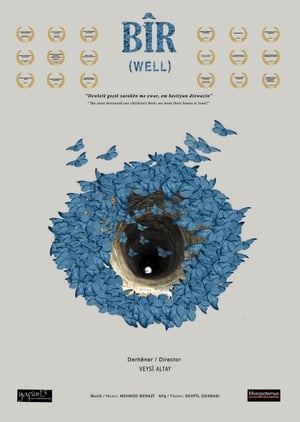
Well(ku)
2018-05-16
In the 1990s many people in Kurdistan were taken into custody and interrogated under torture; their killers disposed of the bodies by throwing them out of helicopters, or burying them in acid-filled wells. Thousands were murdered/disappeared by paramilitary forces—such as Jitem and Hizbul-Kontra—that were financed and supported by the state, though they have always stuck to the line: “We didn’t do it.” The documentary looks at the case of seven people, including four children, who were disappeared from the town of Kerboran [Dargeçit] in 1995, and tells the story of their families’ tireless search for their bones
65%
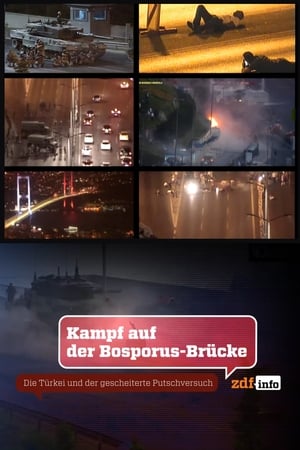
Kampf auf der Bosporus-Brücke - Die Türkei und der gescheiterte Putschversuch(de)
2021-01-22
The night of July 15, 2016 changed the history of Turkey. On that day there were coordinated attacks by parts of the Turkish army, among others in Istanbul. The aim of the military: a coup against the government. The decisive confrontation occurred on the Bosporus Bridge. While President Erdogan was still on vacation, live at TV he called on the people who were devoted to him to stand against the military. As an enemy for the masses, he presented his adversary Fethullah Gülen, whom he branded as the coup leader. He also urged the imams of the country's mosques to condition the population to resist. And so it happens that at night thousands of agitated people take to the streets to oppose the armed insurgents. The death toll was high. 352 people died across Turkey during the attempted coup. The consequences are even more serious: Erdogan used this gift, as he called it himself, to undermine democracy, to arrange mass arrests of dissidents and to transform Turkey into a dictatorship.

71%
Gallipoli(en)
1981-08-13
Two Australian sprinters face the brutal realities of war when they are sent to fight in the Gallipoli campaign in the Ottoman Empire during World War I.
63%
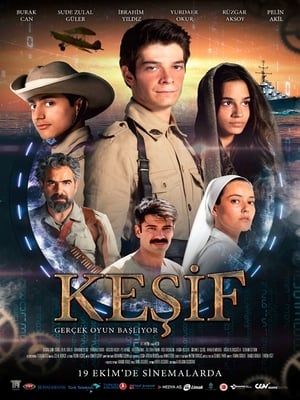
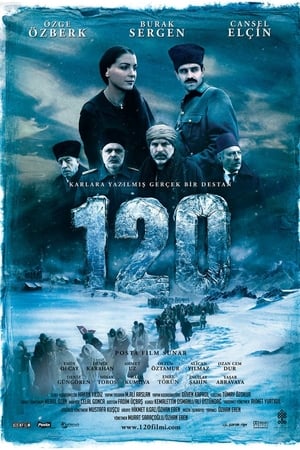
120(en)
2008-02-15
During the Sarikamis Battle, the Ottoman army runs out of ammunition and appeals to the people of Van for help, who happen to have supplies. However, the First World War is on and all men are fighting at four corners of the empire and therefore can not respond to to the appeal. The young children of Van want to do something...
80%
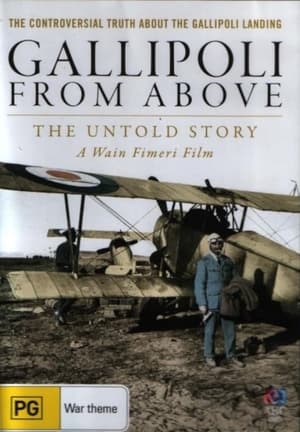
Gallipoli from Above(en)
2012-04-25
Gallipoli from Above: The Untold Story is the true story of how a team of Australian officers used aerial intelligence, emerging technology and innovative tactics to plan the landing at Anzac Cove. It is now nearly 100 years since the landing and hundreds of books, movies and documentaries have failed to grasp the significance of the ANZAC achievement. Instead, the mythology has clouded the real story of how these two influential Australian officers took control of the landing using every innovation they could muster to safely land their men on Z beach.
0%
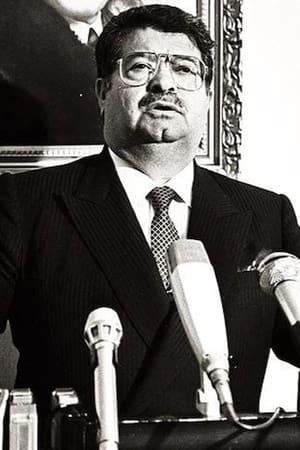
Years with Özal: January 24(tr)
2000-11-05
While we were wandering through the pages of our democracy history, we saw right-left fights and experienced revolutions. Blood was shed, scaffolds were set up, but they could never change the country's path. When we came to the 1980s, a person came out and shook the system to its roots and changed the world of people. According to some, this was a great revolution, according to others, it was the wear and tear of some values. Regardless, this person left his mark on a period of Turkey.
48%
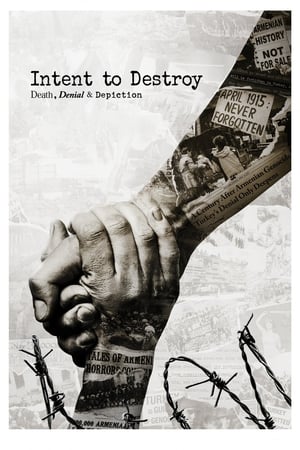
Intent to Destroy: Death, Denial & Depiction(en)
2017-11-10
INTENT TO DESTROY embeds with a historic feature production as a springboard to explore the violent history of the Armenian Genocide and legacy of Turkish suppression and denial over the past century.
69%
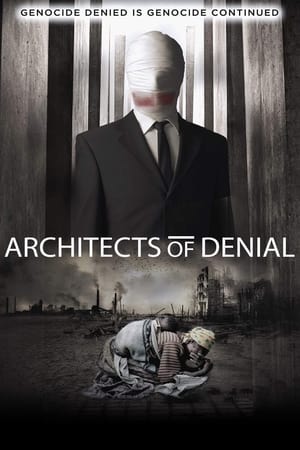
Architects of Denial(en)
2017-10-06
Though both the historical and modern-day persecution of Armenians and other Christians is relatively uncovered in the mainstream media and not on the radar of many average Americans, it is a subject that has gotten far more attention in recent years.
70%
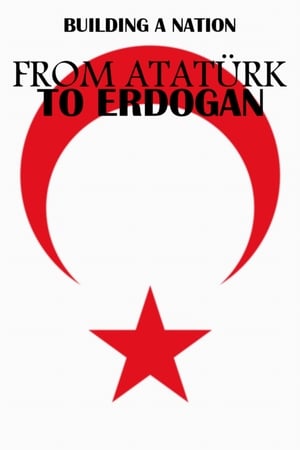
From Atatürk to Erdoğan: Building a Nation(fr)
2019-10-22
Turkey's history has been shaped by two major political figures: Mustafa Kemal (1881-1934), known as Atatürk, the Father of the Turks, founder of the modern state, and the current president Recep Tayyıp Erdoğan, who apparently wants Turkey to regain the political and military pre-eminence it had as an empire under the Ottoman dynasty.