Loading Page


Self-portrait with the Device(1982)
Status: Released
Date: 1982-02-15
0%
0 Votes
Time: 0h 9m
Overview:
"In the 1990 text on his film Autoportrait au dispositif (1981), Lebrat wrote that all his films are in fact self-portraits, including those that are abstract colour films, and the Rothko's painting are the most beautiful examples of self-portraiture in twentieth century art. lebrat notes that the impetus behind self-portraiture comes out of his desire to create another image of his body, which does not necessarily have to be its representation but can suggest another satte of being, for example the infinite and transcendent state aims at overcoming the problem of corps morcelé and mortal flesh." Izabella Pruska-Oldenhof
Languages: No Language.
Countries:
France
Movie: Self-portrait with the Device
HomePage
Overview
"In the 1990 text on his film Autoportrait au dispositif (1981), Lebrat wrote that all his films are in fact self-portraits, including those that are abstract colour films, and the Rothko's painting are the most beautiful examples of self-portraiture in twentieth century art. lebrat notes that the impetus behind self-portraiture comes out of his desire to create another image of his body, which does not necessarily have to be its representation but can suggest another satte of being, for example the infinite and transcendent state aims at overcoming the problem of corps morcelé and mortal flesh." Izabella Pruska-Oldenhof
Release Date
1982-02-15
Average
0
Rating:
0.0 startsTagline
Genres
Languages:
No Language
Recommendations Movies
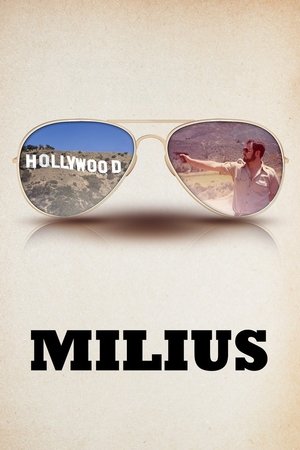
70%
Milius(en)
2013-03-09
The life story of ‘Zen Anarchist’ filmmaker John Milius, one of the most influential storytellers of his generation.
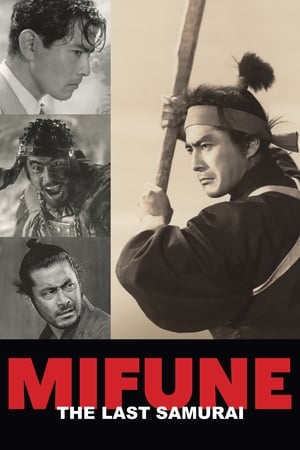
71%
Mifune: The Last Samurai(en)
2016-12-02
An account of the life and work of legendary Japanese actor Toshirō Mifune (1920-97), the most prominent actor of the Golden Age of Japanese cinema.
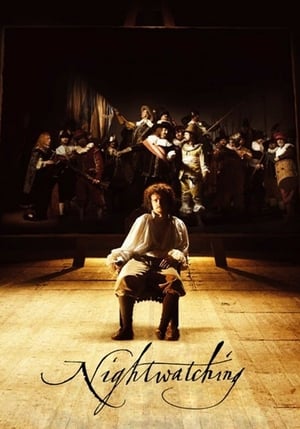
63%
Nightwatching(en)
2007-11-02
An extravagant, exotic and moving look at Rembrandt's romantic and professional life, and the controversy he created by the identification of a murderer in the painting The Night Watch.
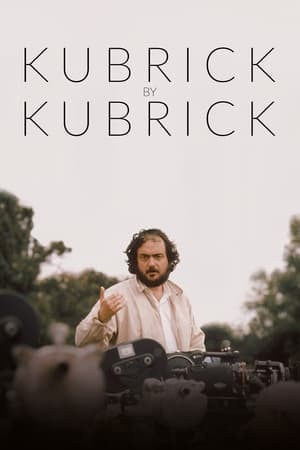
75%
Kubrick by Kubrick(fr)
2020-10-22
American filmmaker Stanley Kubrick (1928–1999), one of the greatest in history, but also one of the most reserved, gave few interviews throughout his long career, and none of them were filmed. A first-person journey through his life and work, based on a recorded conversation with French film critic Michel Climent.
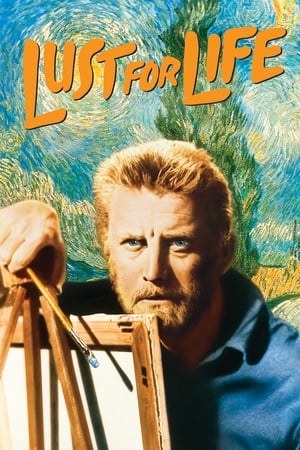
72%
Lust for Life(en)
1956-09-15
An intense and imaginative artist, revered Dutch painter Vincent van Gogh possesses undeniable talent, but he is plagued by mental problems and frustrations with failure. Supported by his brother, Theo, the tormented Van Gogh eventually leaves Holland for France, where he meets volatile fellow painter Paul Gauguin and struggles to find greater inspiration.
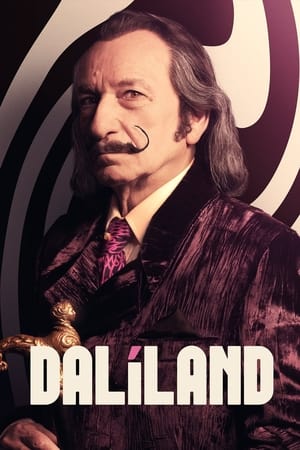
60%
Dalíland(en)
2022-09-29
In 1973, a young gallery assistant goes on a wild adventure behind the scenes as he helps aging genius Salvador Dali prepare for a big show in New York.
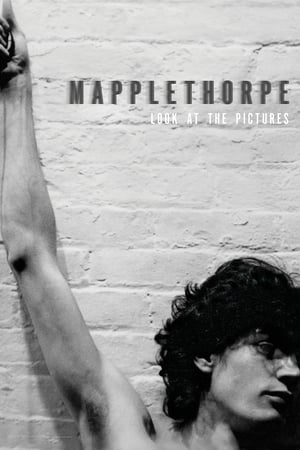
69%
Mapplethorpe: Look at the Pictures(en)
2016-06-16
Nude men in rubber suits, close-ups of erections, objects shoved in the most intimate of places—these are photographs taken by Robert Mapplethorpe, known by many as the most controversial photographer of the twentieth century. Openly gay, Mapplethorpe took images of male sex, nudity, and fetish to extremes that resulted in his work still being labelled by some as pornography masquerading as art. But less talked about are the more serene, yet striking portraits of flowers, sculptures, and perfectly framed human forms that are equally pioneering and powerful.
74%
Love, Antosha(en)
2019-08-02
From a prolific career in film and television, Anton Yelchin left an indelible legacy as an actor. Through his journals and other writings, his photography, the original music he wrote, and interviews with his family, friends, and colleagues, this film looks not just at Anton's impressive career, but at a broader portrait of the man.
71%
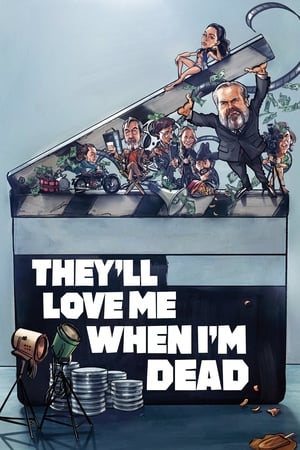
They'll Love Me When I'm Dead(en)
2018-08-31
As his life comes to its end, famous Hollywood director Orson Welles puts it all on the line at the chance for renewed success with the film The Other Side of the Wind.
70%
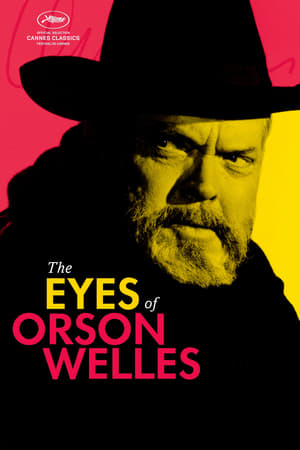
The Eyes of Orson Welles(en)
2018-08-17
A poetic journey into the visual world of the legendary filmmaker and actor Orson Welles (1915-85) that reveals a new portrait of a unique genius, both of his life and of his monumental work: through his own eyes, drawn by his own hand, painted with his own brush.
69%
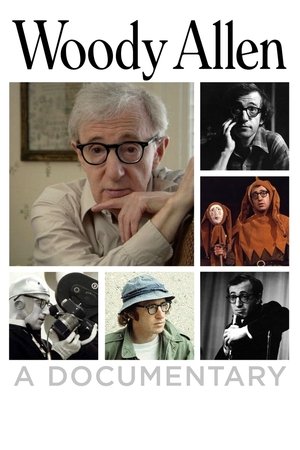
Woody Allen: A Documentary(en)
2011-11-20
An intense portrait of the iconic filmmaker, writer, actor, comedian and musician Woody Allen: his life, family and friends; his writing and directing habits, and his relationship with performers.
71%
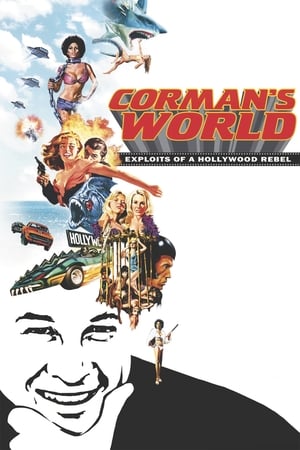
Corman's World(en)
2011-12-16
A chronicle of the long career of American filmmaker Roger Corman, the most tenacious and ingenious low-budget producer and director in the US film industry, a pioneer of independent filmmaking and discoverer of new talent.
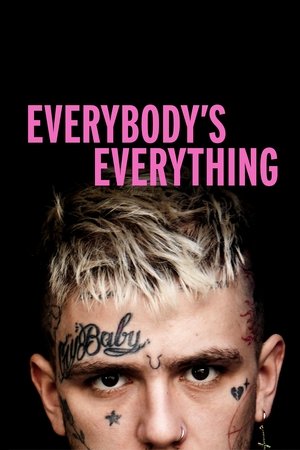
85%
Everybody’s Everything(en)
2019-11-12
The story of artist Lil Peep from his birth in Long Island and meteoric rise as a genre blending pop star & style icon, to his death due to an accidental opioid overdose in Arizona at just 21 years of age.
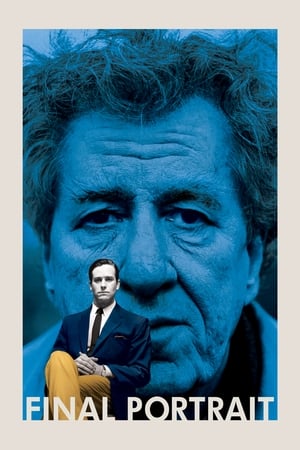
60%
Final Portrait(en)
2017-08-03
Paris, 1964. The Swiss sculptor and painter Alberto Giacometti, one of the most accomplished and respected artists of his generation, asks his friend, the American writer James Lord, to sit for a portrait, assuring him that it will take no longer than two or three hours, an afternoon at the most.
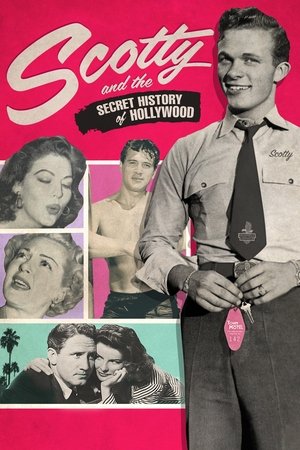
60%
Scotty and the Secret History of Hollywood(en)
2018-07-27
A deliciously scandalous portrait of unsung Hollywood legend Scotty Bowers, whose bestselling memoir chronicled his decades spent as sexual procurer to the stars.
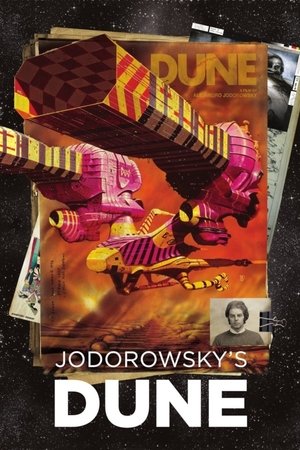
78%
Jodorowsky's Dune(en)
2013-08-30
In 1974, Chilean-French director Alejandro Jodorowsky embarked on the quixotic project of adapting Frank Herbert's influential novel Dune (1969) for the big screen. After investing two years, and millions of dollars, the gigantic project ended in failure; but the artists Jodorowsky brought together to carry it out continued to work together, and ended up laying the foundations for modern science fiction cinema.
77%
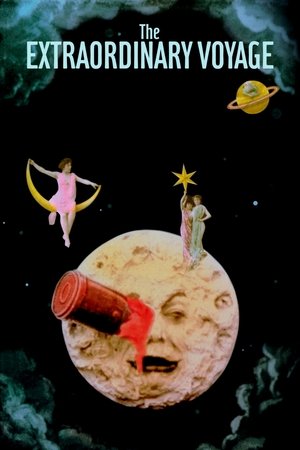
The Extraordinary Voyage(fr)
2011-12-08
An account of the extraordinary life of film pioneer Georges Méliès (1861-1938) and the amazing story of the copy in color of his masterpiece A Trip to the Moon (1902), unexpectedly found in Spain and restored thanks to the heroic efforts of a group of true cinema lovers.
71%
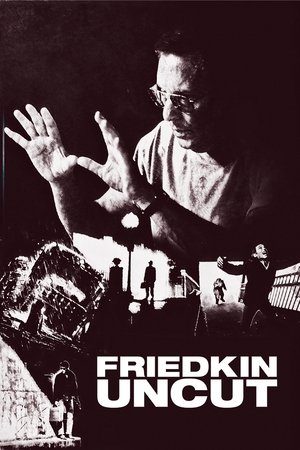
Friedkin Uncut(en)
2018-11-05
An introspective insight into the life and artistic journey of William Friedkin, an extraordinary and offbeat director of cult films such as The French Connection, The Exorcist, Sorcerer, Cruising, To Live and Die in L.A. and Killer Joe. For the first time Friedkin opens up, guiding the audience on a fascinating journey through the themes and the stories that have influenced his life and his artistic career.
67%
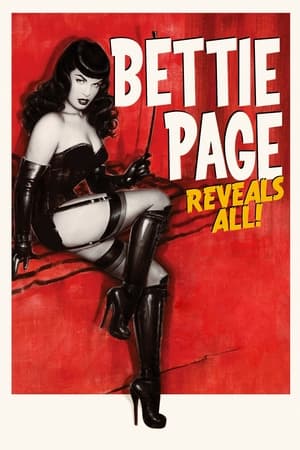
Bettie Page Reveals All(en)
2013-11-22
The world's greatest pin-up model and cult icon, Bettie Page, recounts the true story of how her free expression overcame government witch-hunts to help launch America's sexual revolution. When she saw the film The Notorious Bettie Page, produced by HBO in 2006, the main person concerned reacted unequivocally: “Lies! Lies!” In a long interview recorded shortly before her death, the woman who entered the collective unconscious as the ultimate pin-up gave her version of events to director Mark Mori. In a gravelly voice, Bettie Page tells her own story and lifts the veil on areas often hidden by images that have made so many men and women fantasize since the 1950s: her abused childhood, an eclipse that lasted forty years, her mental illness. Through testimonies and unpublished archives, this documentary brings back to life a body and a face endlessly declined before our eyes, just as Bettie wanted: “I would like people to remember me as I was in the photos.”
66%
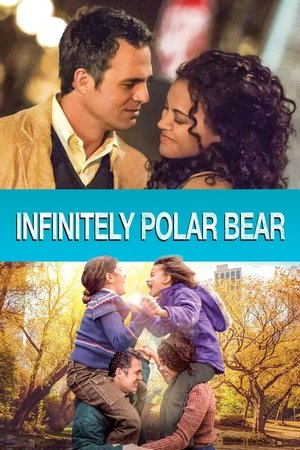
Infinitely Polar Bear(en)
2014-01-18
A manic-depressive mess of a father tries to win back his wife by attempting to take full responsibility of their two young, spirited daughters, who don't make the overwhelming task any easier.