

Instructions on how to Pull off Police Helmets(1969)
According to Fritz J. Raddatz, Rosa Luxemburg cried when she read Marx's concept of value. I was just as disappointed by the Cine-Tracts made in May 1968 in Paris and shown shortly afterwards in Berlin.
Movie: Instructions on how to Pull off Police Helmets
Top 1 Billed Cast

Police Officer
Recommendations Movies

Rosa Luxemburg(de)
Polish socialist and Marxist Rosa Luxemburg works tirelessly in the service of revolution in early 20th century Poland and Germany. While Luxemburg campaigns for her beliefs, she is repeatedly imprisoned as she forms the Spartacist League offering a new vision for Germany.
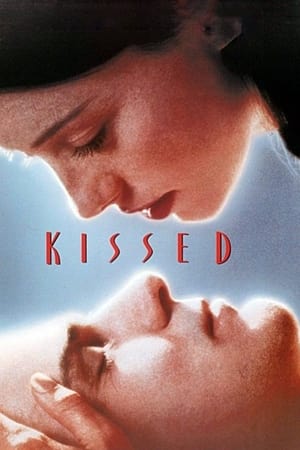
Kissed(en)
Over the years, a child's romantic ideals about death blossom into necrophilia, the study of embalming and the most profound relationship of her life.
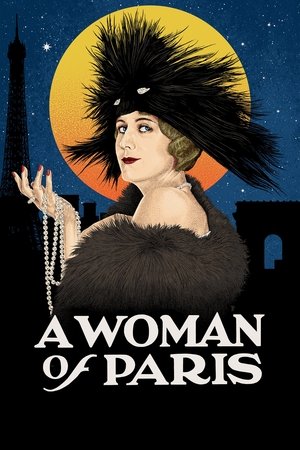
A Woman of Paris: A Drama of Fate(en)
When Marie St. Clair believes she has been jilted by her artist fiance Jean, she decides to leave for Paris on her own. After spending a year in the city as a mistress of the wealthy Pierre Revel, she is reunited with Jean by chance. This leaves her with the choice between a glamorous life in Paris, and the true love she left behind.

Voyage of Time: The IMAX Experience(en)
A celebration of the universe, displaying the whole of time, from its start to its final collapse. This film examines all that occurred to prepare the world that stands before us now: science and spirit, birth and death, the grand cosmos and the minute life systems of our planet.

Precious: Based on the Novel 'Push' by Sapphire(en)
In Harlem in 1987, Claireece "Precious" Jones is a 16-year-old African American girl born into a life no one would want. She's pregnant for the second time by her absent father, and at home she must wait hand and foot on her mother, an angry woman who abuses her emotionally and physically. School is chaotic and Precious has reached the ninth grade with good marks and a secret – she can't read.

Side by Side(en)
Since the invention of cinema, the standard format for recording moving images has been film. Over the past two decades, a new form of digital filmmaking has emerged, creating a groundbreaking evolution in the medium. Keanu Reeves explores the development of cinema and the impact of digital filmmaking via in-depth interviews with Hollywood masters, such as James Cameron, David Fincher, David Lynch, Christopher Nolan, Martin Scorsese, George Lucas, Steven Soderbergh, and many more.

I Believe in Unicorns(en)
Feeling awkward and isolated, an imaginative and strong-willed teenage girl runs away from home with an older punk rock drifter.
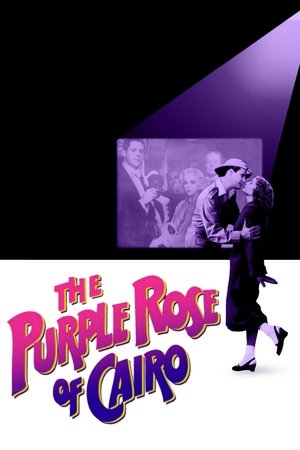
The Purple Rose of Cairo(en)
Cecilia is a waitress in New Jersey, living a dreary life during the Great Depression. Her only escape from her mundane reality is the movie theatre. After losing her job, Cecilia goes to see 'The Purple Rose of Cairo' in hopes of raising her spirits, where she watches dashing archaeologist Tom Baxter time and again.

The Pervert's Guide to Cinema(en)
A hilarious introduction, using as examples some of the best films ever made, to some of Slovenian philosopher and psychoanalyst Slavoj Žižek's most exciting ideas on personal subjectivity, fantasy and reality, desire and sexuality.

Killer's Kiss(en)
Davey Gordon, a New York City boxer at the end of his career, falls for dancer Gloria Price. However, their budding relationship is interrupted by Gloria's violent boss, Vincent Rapallo, who has eyes for Gloria. The two decide to skip town, but before they can, Vincent and his thugs abduct Gloria, and Davey is forced to search for her among the most squalid corners of the city, with his enemy hiding in the shadows.

La Bamba(en)
Los Angeles teenager Ritchie Valens becomes an overnight rock 'n' roll success in 1958, thanks to a love ballad called "Donna" that he wrote for his girlfriend. But as his star rises, Valens has conflicts with his jealous brother, Bob, and becomes haunted by a recurring nightmare of a plane crash just as he begins his first national tour alongside Buddy Holly.
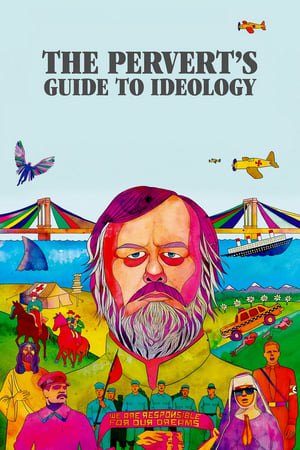
The Pervert's Guide to Ideology(en)
A journey into the labyrinthine heart of ideology, which shapes and justifies both collective and personal beliefs and practices: with an infectious zeal and voracious appetite for popular culture, Slovenian philosopher and psychoanalyst Slavoj Žižek analyzes several of the most important films in the history of cinema to explain how cinematic narrative helps to reinforce prevailing ethics and political ideas.


The Beaver(en)
Suffering from a severe case of depression, toy company CEO Walter Black begins using a beaver hand puppet to help him open up to his family. With his father seemingly going insane, adolescent son Porter pushes for his parents to get a divorce.

Ascension(en)
The film explores the pursuit of the “Chinese Dream.” Driven by mesmerizing—and sometimes humorous—imagery, this observational documentary presents a contemporary vision of China that prioritizes productivity and innovation above all.

Irrational Man(en)
On a small town college campus, a philosophy professor in existential crisis gives his life new purpose when he enters into a relationship with his student.

Raging Bull(en)
The life of boxer Jake LaMotta, whose violence and temper that led him to the top in the ring destroyed his life outside of it.
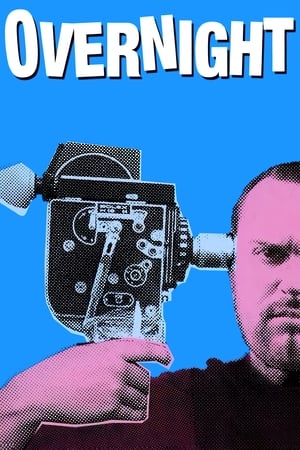
Overnight(en)
Alternately hilarious and horrifying, Overnight chronicles one man's misadventures of making a Hollywood movie. It starts out as a rags to riches story as Troy Duffy, a Boston-bred bartender, sells his first screenplay for The Boondock Saints.

Collapse(en)
From the acclaimed director of American Movie, the documentary follows former Los Angeles police officer turned independent reporter Michael Ruppert. He recounts his career as a radical thinker and spells out his apocalyptic vision of the future, spanning the crises in economics, energy, environment and more.
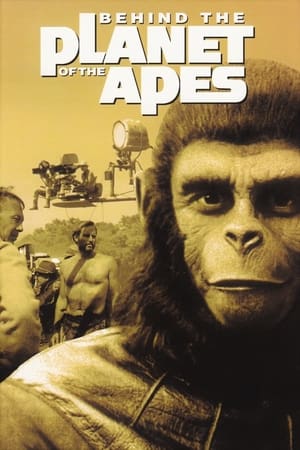
Behind the Planet of the Apes(en)
Roddy McDowall takes you, film by film, from production meetings to make-up sessions, then right onto the movie set to see the actual filming of the science fiction masterpiece. The most comprehensive history of Planet of the Apes ever created, this fascinating 127-minute documentary explores one of the most imaginative and influential series in movie history.