Loading Page

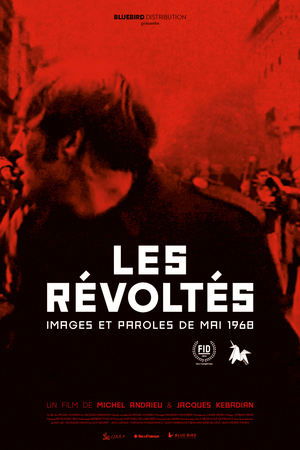
Les Révoltés(2019)
Status: Released
Date: 2019-01-09
50%
1 Votes
Time: 1h 21m
Overview:
In May 1968, workers, students and young people rise up against the morality and power of the establishment. Faculties and factories are under occupation. Barricades are erected. Paving slabs are launched. Words give way to actions. This is the confrontation. These images bear witness to the men and women who, in their indignancy, march towards their revolution. 50 years ago, as part of our ARC collective, we filmed the uprising of May and June 1968. Out of this material and scenes borrowed from our other filmmaker friends, we created this film.
Languages: Arabic, French, Portuguese.
Countries:
France
ProductionCompanies: 
Movie: Les Révoltés
HomePage
Overview
In May 1968, workers, students and young people rise up against the morality and power of the establishment. Faculties and factories are under occupation. Barricades are erected. Paving slabs are launched. Words give way to actions. This is the confrontation. These images bear witness to the men and women who, in their indignancy, march towards their revolution. 50 years ago, as part of our ARC collective, we filmed the uprising of May and June 1968. Out of this material and scenes borrowed from our other filmmaker friends, we created this film.
Release Date
2019-01-09
Average
5
Rating:
2.5 startsTagline
Genres
Languages:
العربيةFrançaisPortuguêsKeywords
Recommendations Movies
66%
Rustin(en)
2023-11-03
Activist Bayard Rustin faces racism and homophobia as he helps change the course of Civil Rights history by orchestrating the 1963 March on Washington.
70%
Belfast(en)
2021-11-12
Buddy is a young boy on the cusp of adolescence, whose life is filled with familial love, childhood hijinks, and a blossoming romance. Yet, with his beloved hometown caught up in increasing turmoil, his family faces a momentous choice: hope the conflict will pass or leave everything they know behind for a new life.

70%
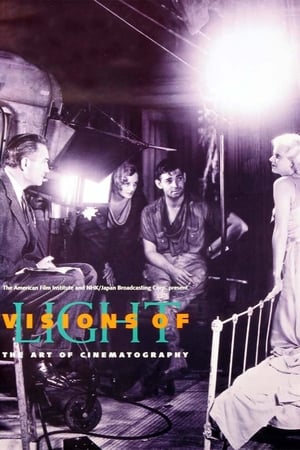
Visions of Light(en)
1992-09-17
Cameramen and women discuss the craft and art of cinematography and of the "DP" (the director of photography), illustrating their points with clips from 100 films, from Birth of a Nation to Do the Right Thing. Themes: the DP tells people where to look; changes in movies (the arrival of sound, color, and wide screens) required creative responses from DPs; and, these artisans constantly invent new equipment and try new things, with wonderful results. The narration takes us through the identifiable studio styles of the 30s, the emergence of noir, the New York look, and the impact of Europeans. Citizen Kane, The Conformist, and Gordon Willis get special attention.
72%
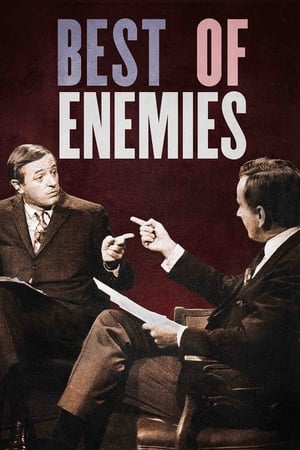
Best of Enemies(en)
2015-07-31
A documentary about the legendary series of nationally televised debates in 1968 between two great public intellectuals, the liberal Gore Vidal and the conservative William F. Buckley Jr. Intended as commentary on the issues of their day, these vitriolic and explosive encounters came to define the modern era of public discourse in the media, marking the big bang moment of our contemporary media landscape when spectacle trumped content and argument replaced substance. Best of Enemies delves into the entangled biographies of these two great thinkers, and luxuriates in the language and the theater of their debates, begging the question, "What has television done to the way we discuss politics in our democracy today?"
68%
9/11: Inside the President's War Room(en)
2021-08-31
Experience the events of September 11, 2001 through the eyes of President Bush and his closest advisors as they personally detail the crucial hours and key decisions from that historic day.
67%
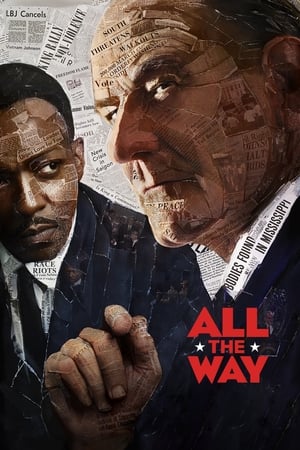
All the Way(en)
2016-05-23
Lyndon B. Johnson's amazing 11-month journey from taking office after JFK's assassination, through the fight to pass the 1964 Civil Rights Act and his own presidential campaign, culminating on the night LBJ is actually elected to the office – no longer the 'accidental President.'
68%
Making Waves: The Art of Cinematic Sound(en)
2019-10-25
The history of cinematic sound, told by legendary sound designers and visionary filmmakers.
76%
The Long Walk Home(en)
1990-12-21
Two women, black and white, in 1955 Montgomery Alabama, must decide what they are going to do in response to the famous bus boycott led by Martin Luther King.
67%
Made in Dagenham(en)
2010-10-01
A dramatization of the 1968 strike at the Ford Dagenham car plant, where female workers walked out in protest against sexual discrimination.

65%
Downloaded(en)
2013-06-20
A documentary that explores the downloading revolution; the kids that created it, the bands and the businesses that were affected by it, and its impact on the world at large.
74%
Hello Cubans(fr)
1963-11-26
A photo montage of Cubans filmed by Agnès Varda during her visit to Cuba in 1963, four years after Fidel Castro came to power. This black & white documentary explores their socialist culture and society while making use of 1500 pictures (out of 4000!) the filmmaker took while on the island.
83%
Night and Fog(fr)
1956-01-29
Filmmaker Alain Resnais documents the atrocities behind the walls of Hitler's concentration camps.
77%
The Last Waltz(en)
1978-04-26
Martin Scorsese's documentary intertwines footage from The Band's incredible farewell tour with probing backstage interviews and featured performances by Eric Clapton, Bob Dylan, Joni Mitchell, Van Morrison, and other rock legends.

76%
Night Will Fall(en)
2014-06-07
When Allied forces liberated the Nazi concentration camps in 1944-45, their terrible discoveries were recorded by army and newsreel cameramen, revealing for the first time the full horror of what had happened. Making use of British, Soviet and American footage, the Ministry of Information’s Sidney Bernstein (later founder of Granada Television) aimed to create a documentary that would provide lasting, undeniable evidence of the Nazis’ unspeakable crimes. He commissioned a wealth of British talent, including editor Stewart McAllister, writer and future cabinet minister Richard Crossman – and, as treatment advisor, his friend Alfred Hitchcock. Yet, despite initial support from the British and US Governments, the film was shelved, and only now, 70 years on, has it been restored and completed by Imperial War Museums under its original title "German Concentration Camps Factual Survey".
82%
The Untold History Of The United States(en)
2012-11-12
Oliver Stone charts the history of the United States from the Second World War to the present.
60%
Stonewall(en)
2015-09-18
Kicked out by his parents, a gay teenager leaves small-town Indiana for New York's Greenwich Village, where growing discrimination against the gay community leads to riots on June 28, 1969.
71%
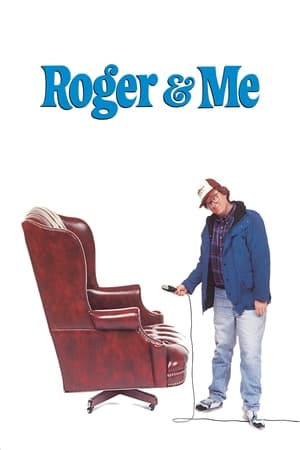
Roger & Me(en)
1989-09-01
A documentary about the closure of General Motors' plant at Flint, Michigan, which resulted in the loss of 30,000 jobs. Details the attempts of filmmaker Michael Moore to get an interview with GM CEO Roger Smith.
72%
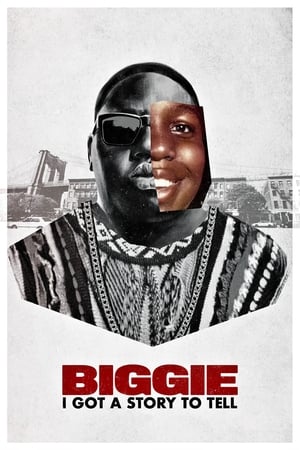
Biggie: I Got a Story to Tell(en)
2021-03-01
Christopher Wallace, AKA The Notorious B.I.G., remains one of Hip-Hop’s icons, renowned for his distinctive flow and autobiographical lyrics. This documentary celebrates his life via rare behind-the-scenes footage and the testimonies of his closest friends and family.
Similar Movies
73%
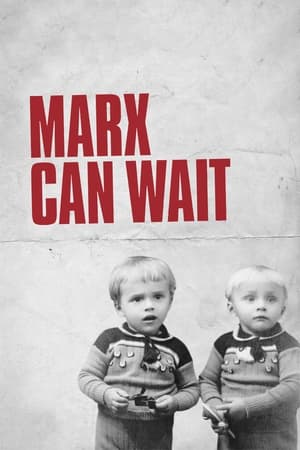
Marx Can Wait(it)
2021-07-15
"Marx can wait" was something Camillo Bellocchio said to his twin Marco the last time they met before the former died at a young age in the heated days of 1968. This documentary is dedicated to his memory.
46%
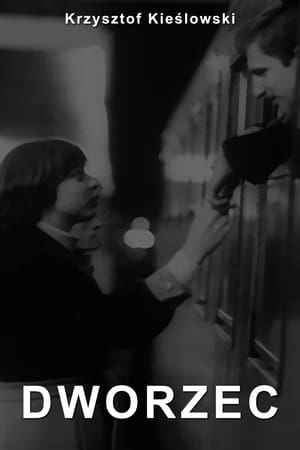
Railway Station(pl)
1980-01-01
Warsaw's Central Railway Station. 'Someone has fallen asleep, someone's waiting for somebody else. Maybe they'll come, maybe they won't. The film is about people looking for something.
100%
The Red Herring(ko)
2022-05-25
Is Korea a democratic republic or a prosecution republic? Can you be confident that the blade of the prosecution is not aiming at you? Their hunt has begun. Following the coordinates thrown by the prosecution, the media gathers, and rumors circulate. Prosecutors wield a sword before the angry public. Who is the one being chased over there? Are you confident that you are not the one?
0%
Inside the Iranian Uprising(en)
2023-06-29
In September 2022, a 22-year-old Iranian woman, Mahsa Amini, died in police custody. She had been arrested by Iran’s religious police, accused of not wearing her hijab properly. The authorities said she had died of a heart attack, but rumors spread that she had been beaten on arrest. Citizens took to the streets in their thousands in fury. This is an extraordinary and shocking insight into what has been happening across Iran, revealing a regime under huge pressure and resorting to extreme cruelty to control its citizens.
70%
Man of Iron(pl)
1981-07-27
In Warsaw in 1980, the Communist Party sends disgruntled radio reporter Winkel to Gdańsk to dig up dirt on the shipyard strikers - particularly on Maciek Tomczyk, an independent labour union leader whose father was killed in the December 1970 protests. Posing as sympathetic, Winkel interviews the people surrounding Tomczyk, including his detained wife, Agnieszka.
0%
Anatomy of Violence(en)
1967-11-12
Documentary of the Symposium on the Dialectics of Liberation and the Demystification of Violence, held in London, July 1967, organized by R.D.Laing, with Stokely Carmichael, Allen Ginsberg, Paul Goodman, Herbert Marcuse, John Gerassi, and many others. An important record of the spectrum of left-wing politics and personalities during the turbulent Sixties.
60%
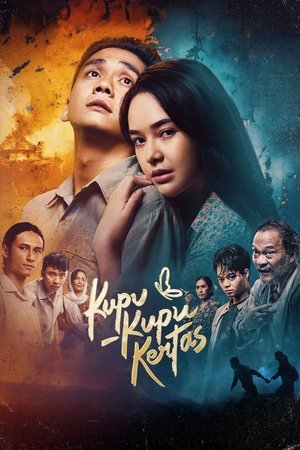
Paper Butterfly(id)
2024-02-07
Set in 1965, a young couple fights to stay together as escalating violence and their opposing political backgrounds threaten to tear them apart.
57%
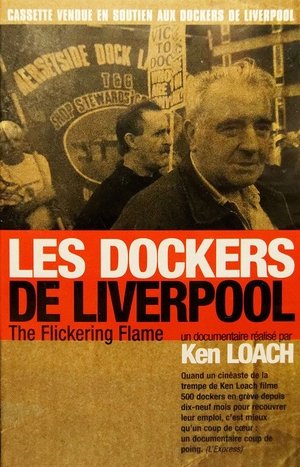
The Flickering Flame(en)
1996-12-18
Documentary following dockers of Liverpool sacked in a labour dispute and their supporters’ group, Women of the Waterfront, as they receive support from around the world and seek solidarity at the TUC conference.
67%
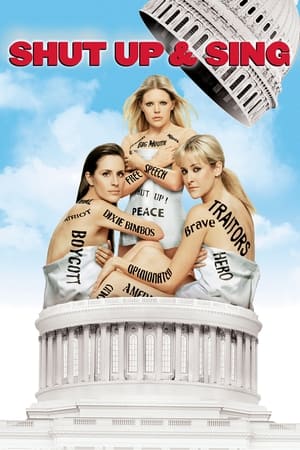
Dixie Chicks: Shut Up and Sing(en)
2006-10-27
Shut Up and Sing is a documentary about the country band from Texas called the Dixie Chicks and how one tiny comment against President Bush dropped their number one hit off the charts and caused fans to hate them, destroy their CD’s, and protest at their concerts. A film about freedom of speech gone out of control and the three girls lives that were forever changed by a small anti-Bush comment
68%
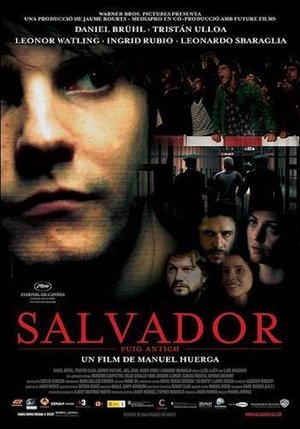
Salvador (Puig Antich)(ca)
2006-05-23
The story of Salvador Puig Antich, one of the last political prisoners to be executed under Franco's Fascist State in 1974.
73%
Bloody Sunday(en)
2002-01-25
The dramatised story of the Irish civil rights protest march on January 30 1972 which ended in a massacre by British troops.
76%
Gandhi(en)
1982-12-01
In the early years of the 20th century, Mohandas K. Gandhi, a British-trained lawyer, forsakes all worldly possessions to take up the cause of Indian independence. Faced with armed resistance from the British government, Gandhi adopts a policy of 'passive resistance', endeavouring to win freedom for his people without resorting to bloodshed.
65%
The Witches of the Orient(fr)
2021-07-16
The Japanese volleyball players called the “Oriental Witches” are now in their 70s. From the formation of the team at the factory until their victory at the Tokyo Olympics in 1964, memories and legends rise to the surface and blend inextricably.
80%
The Golden Age of Songs From Our Childhood(fr)
2020-12-25
This 135-minute documentary offers to reopen this magical parenthesis which has seen the birth of a whirlwind of artists with very different styles. From Chantal Goya to Annie Cordy, from Pierre Perret to Carlos. They knew how to bring each in their own way generations of children into their poetic universe.
66%
The Big One(en)
1997-09-06
The Big One is an investigative documentary from director Michael Moore who goes around the country asking why big American corporations produce their product abroad where labor is cheaper while so many Americans are unemployed, losing their jobs, and would happily be hired by such companies as Nike.
100%
Clarence: Rhythm of the Guitar(si)
2025-06-27
The story of Clarence Wijewardena, who rewrote the flow of Sinhala music with use of the electric guitar in the 60s.
80%
Mirror(ru)
1975-03-07
A dying man in his forties recalls his childhood, his mother, the war and personal moments that tell of and juxtapose pivotal moments in Soviet history with daily life.
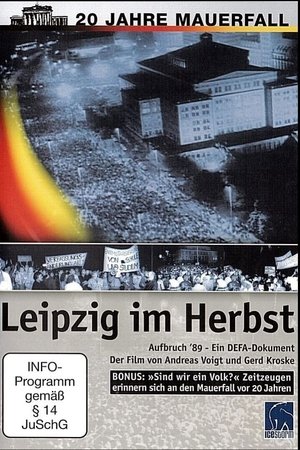
68%
Leipzig in Autumn(de)
1989-11-24
Voigt, Kroske and Richter were among the first filmmakers who documented the events of the historic 9th of October 1989. Their “material” reflects them from different angles: protesters, workers, opposition members, policemen, street sweepers and functionaries. THE document of the “peaceful revolution”.

66%
M. Butterfly(en)
1993-10-01
In 1960s China, French diplomat Rene Gallimard falls in love with an opera singer, Song Liling – but Song is not at all who Gallimard thinks.