
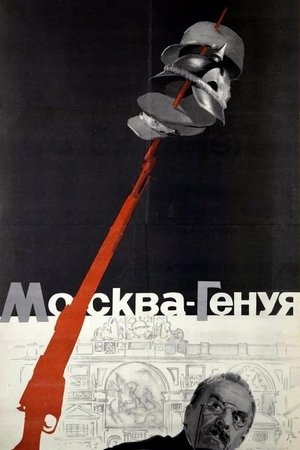
Moscow – Genoa(1964)
About the first steps of Soviet diplomacy at the international conference in Genoa in 1922.

Movie: Moscow – Genoa
Top 10 Billed Cast
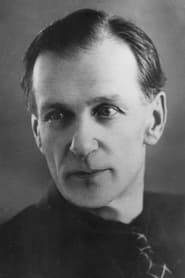
Чичерин
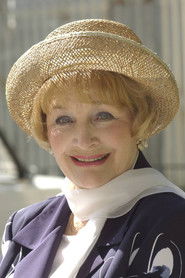
Глаша
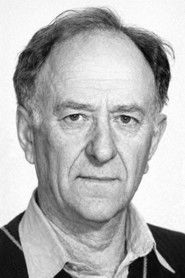
Безлыков
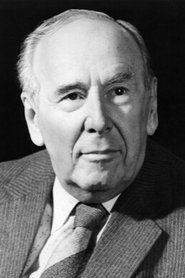
Менье
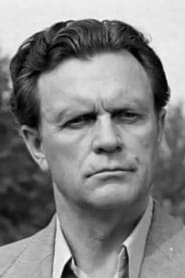
Русанов
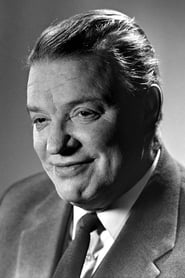
Дэвид Ллойд-Джордж
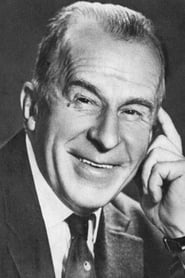
Луи Барту
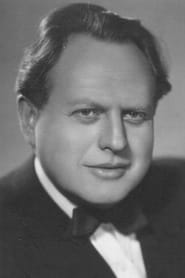
Мартин Мальцан
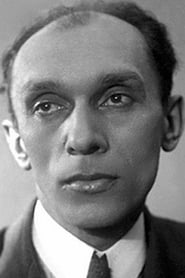
Вальтер Ратенау

парикмахер
HomePage
Overview
About the first steps of Soviet diplomacy at the international conference in Genoa in 1922.
Release Date
1964-11-02
Average
6
Rating:
3.0 startsTagline
Genres
Languages:
Pусский
Recommendations Movies
The Untold History Of The United States(en)
Oliver Stone charts the history of the United States from the Second World War to the present.
Munich – The Edge of War(en)
At the tense 1938 Munich Conference, former friends who now work for opposing governments become reluctant spies racing to expose a Nazi secret.

Making Waves: The Art of Cinematic Sound(en)
The history of cinematic sound, told by legendary sound designers and visionary filmmakers.
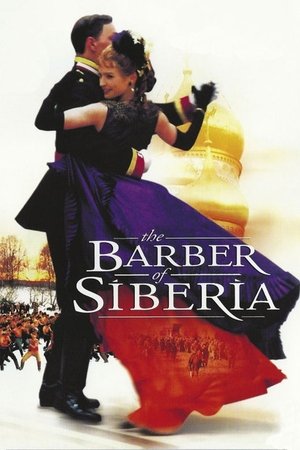
The Barber of Siberia(ru)
Douglas is a foreign entrepreneur, who ventures to Russia in 1885 with dreams of selling a new, experimental steam-driven timber harvester in the wilds of Siberia. Jane is his assistant. On her travels, she meets two men who would change her life forever: a handsome young cadet Andrej Tolstoy with whom she shares a fondness for opera, and the powerful General Radlov who is entranced by her beauty and wants to marry her.
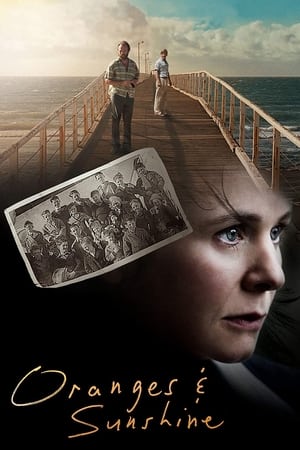
Oranges and Sunshine(en)
The story of Margaret Humphreys, a social worker from Nottingham, who uncovers one of the most significant social scandals in recent times – the forced migration of children from the United Kingdom to Australia and other Commonwealth countries. Almost singlehandedly, Margaret reunited thousands of families, brought authorities to account and worldwide attention to an extraordinary miscarriage of justice.
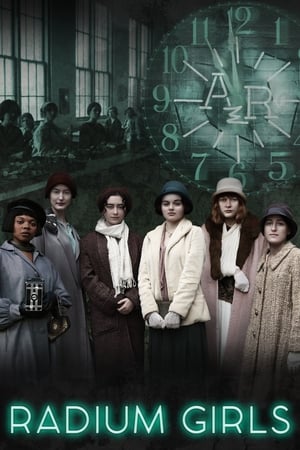
Radium Girls(en)
Young women toiling in a factory are exposed to hazardous material which takes a disastrous toll on their health.
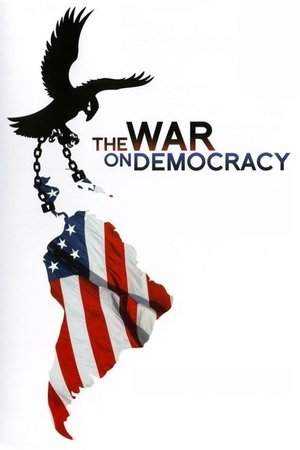
The War on Democracy(en)
Set both in Latin America and the United States, the film explores the historic and current relationship of Washington with countries such as Venezuela, Bolivia and Chile. Pilger says that the film "...tells a universal story... analysing and revealing, through vivid testimony, the story of great power behind its venerable myths. It allows us to understand the true nature of the so-called "war on terror". According to Pilger, the film’s message is that the greed and power of empire is not invincible and that people power is always the "seed beneath the snow".
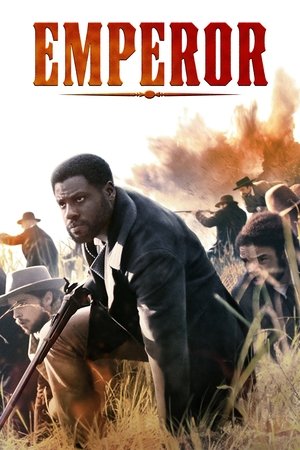
Emperor(en)
An escaped slave travels north and has chance encounters with Frederick Douglass and John Brown. Based on the life story of Shields Green.
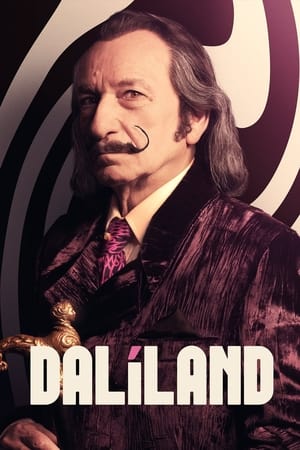
Dalíland(en)
In 1973, a young gallery assistant goes on a wild adventure behind the scenes as he helps aging genius Salvador Dali prepare for a big show in New York.

Kings of the Sun(en)
In order to flee from powerful enemies, young Mayan king Balam leads his people north across the Gulf of Mexico to the coast of what will become the United States. They build a home in the new land but come into conflict with a tribe of Native Americans led by their chief, Black Eagle, while both Balam and Black Eagle fall in love the beautiful Mayan princess Ixchel.
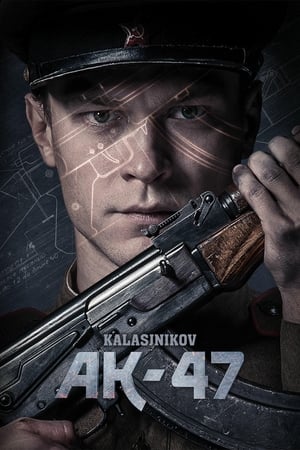
Kalashnikov AK-47(ru)
A Russian military propaganda film about the tank commander Kalashnikov, severely injured in battle in 1941. The accident leaves him incapacitated and unable to return to the front line. While recovering in the hospital, he begins creating the initial sketches of what will become one of the world’s most legendary weapons. A self-taught inventor is only 29 when he develops the now iconic assault riffle — the AK-47. Shot in occupied Crimea.
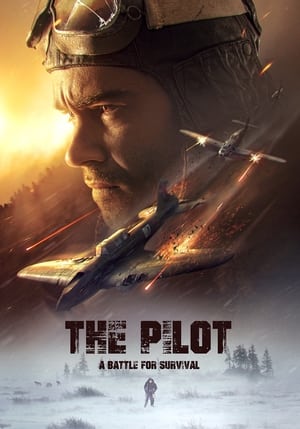
The Pilot: A Battle for Survival(ru)
December of 1941, Northwestern Front. A German tank column is moving towards Moscow. During a mission to stop the enemy advance, Nikolai Komlev's IL-2 is shot down. Komlev manages to crash-land his plane in a remote forest clearing. He's alive, but far from friendly territory. Ahead of him is a relentless trial of severe physical and mental endurance. After battling hunger and extreme cold, evading packs of wolves and detachments of Nazi soldiers, the wounded Komlev finally makes it back to safety. But there he faces another challenge, the most life-changing of them all.

The Invisible Woman(en)
In 1857, at the height of his fame and fortune, novelist and social critic Charles Dickens meets and falls in love with teenage stage actress Nelly Ternan. As she becomes the focus of his heart and mind, as well as his muse, painful secrecy is the price both must pay.

Prizefighter: The Life of Jem Belcher(en)
At the turn of the 19th century, Pugilism was the sport of kings and a gifted young boxer fought his way to becoming champion of England.
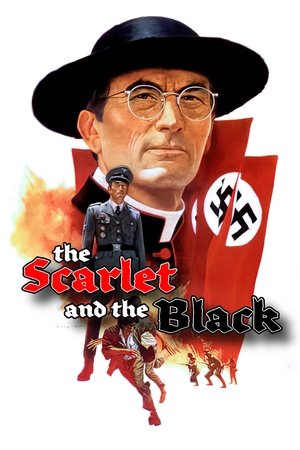
The Scarlet and the Black(en)
Fr. Hugh O'Flaherty is a Vatican official in 1943-45 who has been hiding downed pilots, escaped prisoners of war, and Italian resistance families. His activities become so large that the Nazis decide to assassinate him the next time he leaves the Vatican.

Respect(en)
The rise of Aretha Franklin’s career from a child singing in her father’s church’s choir to her international superstardom.

Me and Orson Welles(en)
New York, 1937. A teenager hired to star in Orson Welles' production of Julius Caesar becomes attracted to a career-driven production assistant.
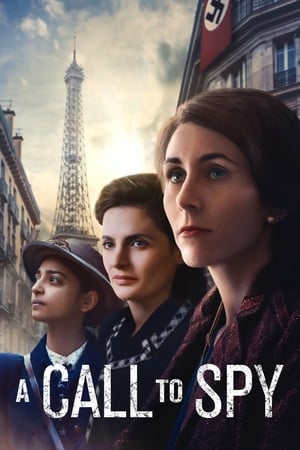
A Call to Spy(en)
The story of Vera Atkins, a crafty spy recruiter, and two of the first women she selects for Churchill's "secret army": Virginia Hall, a daring American undaunted by a disability and Noor Inayat Khan, a pacifist. These civilian women form an unlikely sisterhood while entangled in dangerous missions to turn the tide of the war.
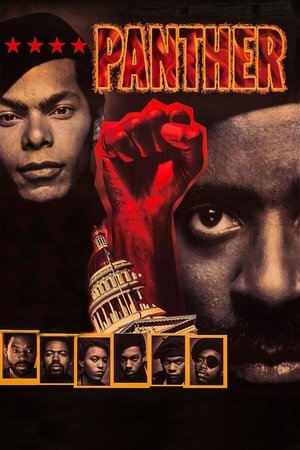
Panther(en)
In this sprawling, fictionalized history of the Black Panthers, 1960s Oakland becomes a war zone as the Panthers battle for the right to exist.
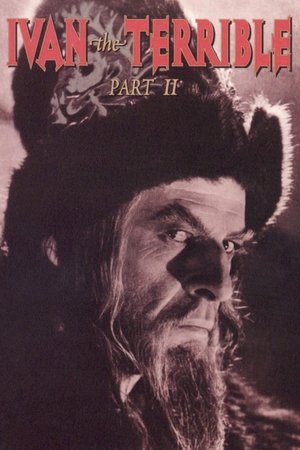
Ivan the Terrible, Part II: The Boyars' Plot(ru)
This is the second part of a projected three-part epic biopic of Russian Czar Ivan Grozny, undertaken by Soviet film-maker Sergei Eisenstein at the behest of Josef Stalin. Production of the epic was stopped before the third part could be filmed, due to producer dissatisfaction with Eisenstein's introducing forbidden experimental filming techniques into the material, more evident in this part than the first part. As it was, this second part was banned from showings until after the deaths of both Eisenstein and Stalin, and a change of attitude by the subsequent heads of the Soviet government. In this part, as Ivan the Terrible attempts to consolidate his power by establishing a personal army, his political rivals, the Russian boyars, plot to assassinate him.