Loading Page

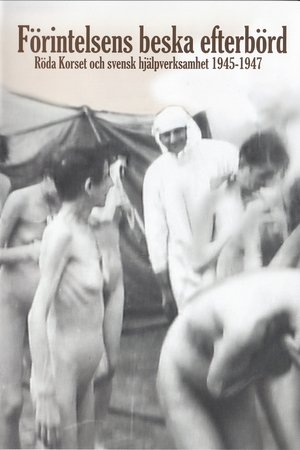
Förintelsens beska efterbörd - Röda Korset och svensk hjälpverksamhet 1945-1947(2017)
Status: Released
Date: 2017-06-06
0%
0 Votes
Time: 0h 57m
Overview:
The film starts just when WWII is over. A German ship, m / s Homberg, arrived at Malmö Nyhamn on May 11, 1945. On board there were over 1300 former concentration camp prisoners to be taken care of. We then follow one of the Red Cross Sergeant who was in Germany and received prisoners from concentration camps for further transport by boat to Sweden. 10000 prisoners would be decontaminated and made ready for departure. This happened in Lübeck. He was later moved to Poland to transport medical equipment to Otwock outside Warsaw where Sweden would build a hospital. Through his amateur photos we get an insight into the difficult circumstances that prevailed.
Languages: Swedish.
Countries:
Poland,
Sweden,
Germany
ProductionCompanies:
Ateljé Puttljus
Movie: Förintelsens beska efterbörd - Röda Korset och svensk hjälpverksamhet 1945-1947
Top 1 Billed Cast
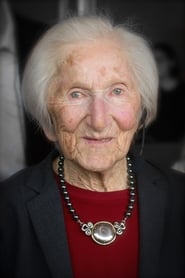
Hédi Fried
Herself
HomePage
Overview
The film starts just when WWII is over. A German ship, m / s Homberg, arrived at Malmö Nyhamn on May 11, 1945. On board there were over 1300 former concentration camp prisoners to be taken care of. We then follow one of the Red Cross Sergeant who was in Germany and received prisoners from concentration camps for further transport by boat to Sweden. 10000 prisoners would be decontaminated and made ready for departure. This happened in Lübeck. He was later moved to Poland to transport medical equipment to Otwock outside Warsaw where Sweden would build a hospital. Through his amateur photos we get an insight into the difficult circumstances that prevailed.
Release Date
2017-06-06
Average
0
Rating:
0.0 startsTagline
Genres
Languages:
svenskaKeywords
Recommendations Movies

76%
Night Will Fall(en)
2014-06-07
When Allied forces liberated the Nazi concentration camps in 1944-45, their terrible discoveries were recorded by army and newsreel cameramen, revealing for the first time the full horror of what had happened. Making use of British, Soviet and American footage, the Ministry of Information’s Sidney Bernstein (later founder of Granada Television) aimed to create a documentary that would provide lasting, undeniable evidence of the Nazis’ unspeakable crimes. He commissioned a wealth of British talent, including editor Stewart McAllister, writer and future cabinet minister Richard Crossman – and, as treatment advisor, his friend Alfred Hitchcock. Yet, despite initial support from the British and US Governments, the film was shelved, and only now, 70 years on, has it been restored and completed by Imperial War Museums under its original title "German Concentration Camps Factual Survey".

75%
The Show Must Go On: The Queen + Adam Lambert Story(en)
2019-04-29
A documentary chronicling Queen and Lambert's incredible journey since they first shared the stage together on "American Idol" in 2009.
69%
Halloween: 25 Years of Terror(en)
2006-07-26
Follow the evolution of the 'Halloween' movies over the past twenty-five years. It examines why the films are so popular and revisits many of the original locations used in the films - seeing the effects on the local community. For the first time, cast, crew, critics and fans join together in the ultimate 'Halloween' retrospective.
61%
The Package(en)
1989-08-25
Experienced Green Beret sergeant Johnny Gallagher is escorting a prisoner, Airborne Ranger Thomas Boyette, back to the US, but Boyette escapes and Gallagher must risk life and limb to catch him.

77%
OLIVIA RODRIGO: driving home 2 u (a SOUR film)(en)
2022-03-25
Grammy® winner singer-songwriter Olivia Rodrigo takes a familiar road trip from Salt Lake City, where she began writing her debut album “SOUR,” to Los Angeles. Along the way, Rodrigo recounts the memories of writing and creating her record-breaking debut album and shares her feelings as a young woman navigating a specific time in her life. Through new live arrangements of her songs, intimate interviews and never-before-seen footage from the making of the album, audiences will follow Olivia along on a cinematic journey exploring the story of “SOUR.”
70%
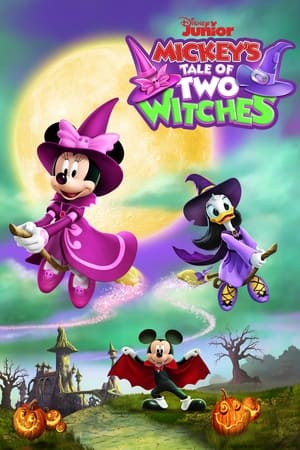
Mickey's Tale of Two Witches(en)
2021-10-07
On Halloween, Mickey tells a tale of two witches-in-training, Minnie and Daisy, who must pass four tests to graduate from the With Academy in Happy Haunt Hills.

78%
Happiness Continues(en)
2020-04-23
A live concert experience and exclusive look into life on the road with The Jonas Brothers during their Happiness Begins concert tour.
67%
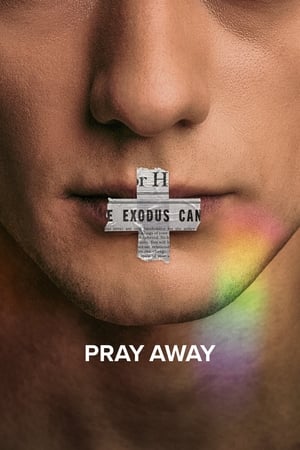
Pray Away(en)
2021-06-16
In the 1970s, five men struggling with being gay in their Evangelical church started a bible study to help each other leave the "homosexual lifestyle." They quickly received over 25,000 letters from people asking for help and formalized as Exodus International, the largest and most controversial conversion therapy organization in the world. But leaders struggled with a secret: their own “same-sex attractions” never went away. After years as Christian superstars in the religious right, many of these men and women have come out as LGBTQ, disavowing the very movement they helped start. Focusing on the dramatic journeys of former conversion therapy leaders, current members, and a survivor, PRAY AWAY chronicles the “ex gay" movement’s rise to power, persistent influence, and the profound harm it causes.
65%
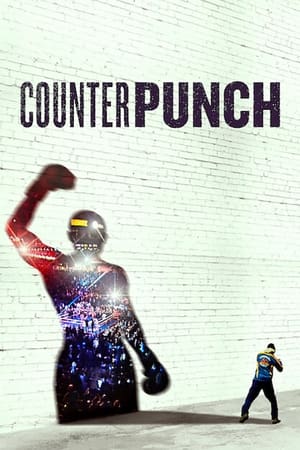
Counterpunch(en)
2017-06-16
As boxing's popularity wanes, three fighters at different stages of their career make sacrifices to pursue their dreams of becoming champions.
66%
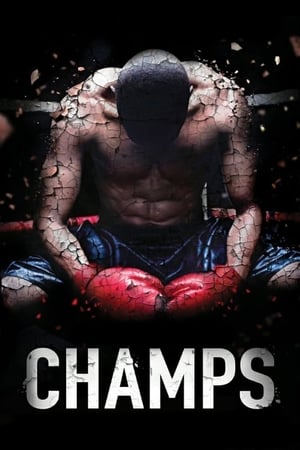
Champs(en)
2015-03-13
A documentary about the sport of boxing, as seen through the eyes of champions Mike Tyson, Evander Holyfield and Bernard Hopkins.

84%
One Direction: Where We Are - The Concert Film(en)
2014-10-08
Where We Are: Live from San Siro Stadium features the entire 23 track concert filmed at San Siro Stadium in Milan in June 2014, as well as 24 minutes of bonus content including backstage footage of One Direction and their crew.

72%
Love, Gilda(en)
2018-04-18
Diaries, audiotapes, videotapes and testimonials from friends and colleagues offer insight into the life and career of Gilda Radner -- the beloved comic and actress who became an icon on Saturday Night Live.
72%
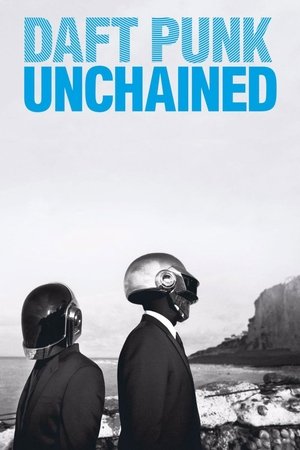
Daft Punk Unchained(en)
2015-06-24
Daft Punk Unchained is the first film about the pop culture phenomenon that is Daft Punk, the duo with 12 million albums sold worldwide and seven Grammy Awards. Throughout their career Thomas Bangalter and Guy-Manuel de Homem-Christo have always resisted compromise and the established codes of show business. They have remained determined to maintain control of every link in the chain of their creative process. In the era of globalisation and social networks, they rarely speak in public and neither do they show their faces on TV. This documentary explores this unprecedented cultural revolution revealing a duo of artists on a permanent quest for creativity, independence and freedom.
76%
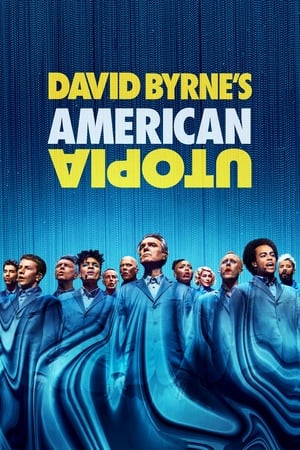
David Byrne's American Utopia(en)
2020-09-10
A filmed version of David Byrne's Broadway show, a unifying musical celebration that inspires audiences to connect to each other and to the global community.
79%
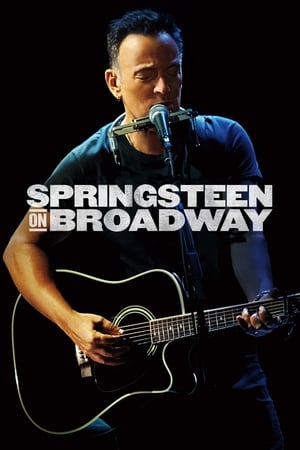
Springsteen on Broadway(en)
2018-12-15
Bruce Springsteen shares personal stories from his life and acoustic versions of some of his best-known songs in an intimate one-man show.

85%
Taylor Swift: The 1989 World Tour - Live(en)
2015-12-20
Filmed in front of 76,000 fans at the ANZ Stadium in Sydney, Australia, "The 1989 World Tour Live" captures Taylor Swift's entire performance while also mixing in behind-the-scene, rehearsal, and special guest footage from her 1989 Tour.
80%
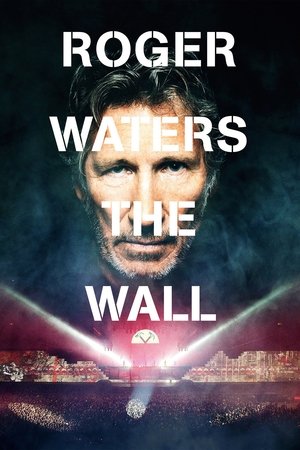
Roger Waters: The Wall(en)
2014-09-29
A concert film that the former Pink Floyd singer-songwriter made on various tour dates between 2010 and 2013, when he was playing his former group's 1980 double-album in its entirety.

88%
Little Mix: LM5: The Tour Film(en)
2020-12-12
Following the release of their fifth studio album ‘LM5’, Perrie Edwards, Jesy Nelson, Leigh-Anne Pinnock and Jade Thirlwall embarked on ‘LM5 The Tour’ in 2019, taking in 40 arenas across Europe, including Spain, Italy, Germany, Netherlands, Belgium, France, UK and Ireland. They sold over 400,000 tickets including an almighty 5 sold out shows at the 02 London. This film was recorded at the final show of the tour at London’s iconic 02 arena. In a career spanning set of nineteen songs the group perform hits such as ‘Shout Out to My Ex’, ‘Woman Like Me’, ‘Wings’ and ‘Touch’ to a crowd of over 15,000.

74%
High School Musical: The Musical: The Holiday Special(en)
2020-12-11
The cast of “High School Musical: The Musical: The Series” delivers an abundance of feel-good holiday cheer as they perform their favorite Christmas, Hanukkah and New Year’s songs and share their fondest holiday memories.
68%
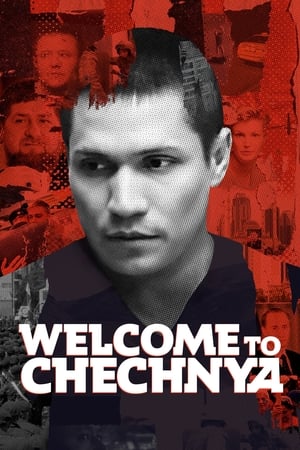
Welcome to Chechnya(en)
2020-01-26
This searing investigative work shadows a group of activists risking unimaginable peril to confront the ongoing anti-LGBTQ program raging in the repressive and closed Russian republic. Unfettered access and a remarkable approach to protecting anonymity exposes this under-reported atrocity–and an extraordinary group of people confronting evil.
Similar Movies

66%
Adolf Island(en)
2019-06-23
Caroline Sturdy Colls, a world leader in the forensic investigation of Nazi crime scenes, is chasing clues to an unsolved case: a concentration camp that existed on the British island of Alderney. Witnesses and survivors claimed that thousands died there, but only 389 bodies have ever been found. Under heavy restrictions imposed by the local government, which may not want its buried secrets revealed, Colls must uncover the truth using revolutionary techniques and technologies.
69%
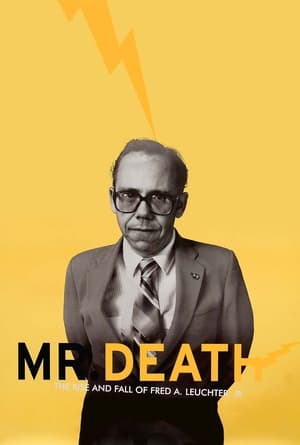
Mr. Death: The Rise and Fall of Fred A. Leuchter, Jr.(en)
1999-12-29
A portrait of the life and career of the infamous American execution device designer Fred A. Leuchter, Jr. Mr. Leuchter was an engineer who became an expert on execution devices and was later hired by holocaust revisionist historian Ernst Zundel to "prove" that there were no gas chambers at Auschwitz. Leuchter published a controversial report confirming Zundel's position, which ultimately ruined his own career. Most of the footage is of Leuchter, working in and around execution facilities or chipping away at the walls of Auschwitz, but Morris also interviews various historians, associates, and neighbors.
0%
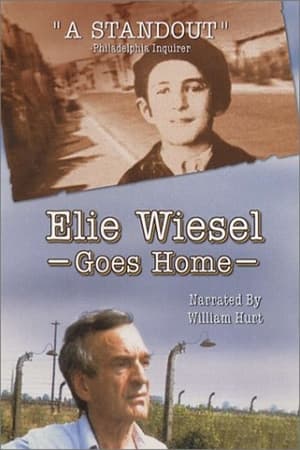
Elie Wiesel Goes Home(hu)
1997-02-12
A documentary chronicling the adolescent years of Elie Wiesel and the history of his sufferings. Eliezer was fifteen when Fascism brutally altered his life forever. Fifty years later, he returns to Sighetu Marmatiei, the town where he was born, to walk the painful road of remembrance - but is it possible to speak of the unspeakable? Or does Auschwitz lie beyond the capacity of any human language - the place where words and stories run out?
73%
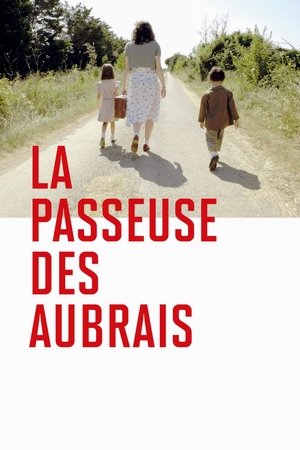
The Smuggler and Her Charges(fr)
2016-11-14
A captivating and personal detective story that uncovers the truth behind the childhood of Michaël Prazan's father, who escaped from Nazi-occupied France in 1942 thanks to the efforts of a female smuggler with mysterious motivations.
75%
1944: Should We Bomb Auschwitz?(it)
2019-09-19
In 1944, two prisoners miraculously escaped from Auschwitz. They told the world of the horror of the Holocaust and raised one of the greatest moral questions of the 20th century.
70%
The Liberation of Auschwitz(de)
1986-08-13
This chilling, vitally important documentary was produced to mark the 40th anniversary of the liberation of Auschwitz Concentration Camp. The film contains unedited, previously unavailable film footage of Auschwitz shot by the Soviet military forces between January 27 and February 28, 1945 and includes an interview with Alexander Voronsov, the cameraman who shot the footage. The horrifying images include: survivors; camp visit by Soviet investigation commission; criminal experiments; forced laborers; evacuation of ill and weak prisoners with the aid of Russian and Polish volunteers; aerial photos of the IG Farben Works in Monowitz; and pictures of local people cleaning up the camp under Soviet supervision. - Written by National Center for Jewish Film
80%
Poland 1939: When German Soldiers Became War Criminals(de)
2019-08-31
September 1st, 1939. Nazi Germany invades Poland. The campaign is fast, cruel and ruthless. In these circumstances, how is it that ordinary German soldiers suddenly became vicious killers, terrorizing the local population? Did everyone turn into something worse than wild animals? The true story of the first World War II offensive that marks in the history of infamy the beginning of a carnage and a historical tragedy.
0%
The Girl from Auschwitz(sv)
2005-08-25
A portrait of the legendary Swedish journalist and writer Cordelia Edvardson (1929-2012). She was only fourteen when she alone was brought to the concentration camp of Theresienstadt and later to the camp of Auschwitz.

0%
Esperanto(eo)
2011-01-24
This film, directed by Dominique GAUTIER, takes the viewer on a worldwide excursion into the history and structure of the Esperanto language, introducing its present-day speakers. The words of these users of the language are reflective of a variety of activities and viewpoints, and in the film they are interwoven so as to reveal bit by bit how the utopia of its initiator, Ludwig ZAMENHOF, is concretised every day.

80%
The Last Musician of Auschwitz(en)
2025-05-09
Tells the extraordinary story of Anita Lasker-Wallfisch who, along with other victims of Auschwitz, played and created music amidst the terrors of the Holocaust.
83%
Night and Fog(fr)
1956-01-29
Filmmaker Alain Resnais documents the atrocities behind the walls of Hitler's concentration camps.
66%
2 or 3 Things I Know About Him(de)
2005-04-07
What would your family reminiscences about dad sound like if he had been an early supporter of Hitler’s, a leader of the notorious SA and the Third Reich’s minister in charge of Slovakia, including its Final Solution? Executed as a war criminal in 1947, Hanns Ludin left behind a grieving widow and six young children, the youngest of whom became a filmmaker. It's a fascinating, maddening, sometimes even humorous look at what the director calls "a typical German story." (Film Forum)
0%
The Auschwitz Trial(de)
2013-01-02
The biggest trial of Nazi war crimes ever: 360 witnesses in 183 days of trial - a stunning and gripping portrayal of the most terrible massacre in history.
66%
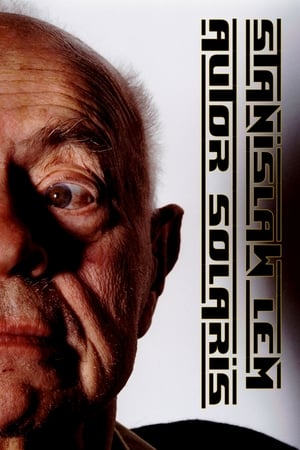
Stanisław Lem: Autor Solaris(pl)
2016-11-02
An account of the life and work of the Polish writer Stanisław Lem (1921-2006), a key figure in science fiction literature involved in mysteries and paradoxes that need to be enlightened.
70%
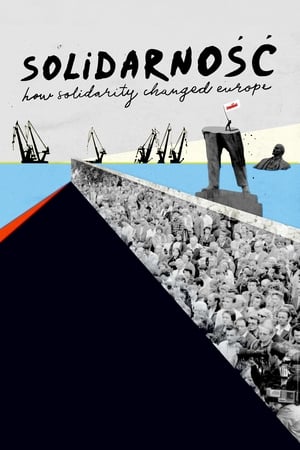
Solidarność: How Solidarity Changed Europe(de)
2019-10-01
Gdańsk, Poland, September 1980. Lech Wałęsa and other Lenin shipyard workers found Solidarność (Solidarity), the first independent trade union behind the Iron Curtain. The long and hard battle to bring down communist dictatorship has begun.
76%
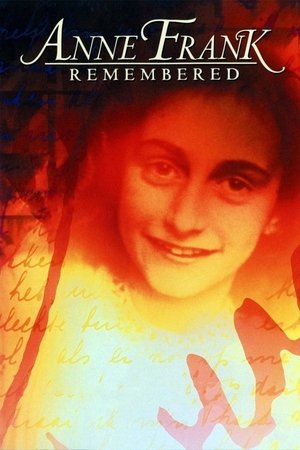
Anne Frank Remembered(en)
1995-06-08
Using previously unreleased archival material in addition to contemporary interviews, this Academy Award-winning documentary tells the story of the Frank family and presents the first fully-rounded portrait of their brash and free-spirited daughter Anne, perhaps the world's most famous victim of the Holocaust.

75%
Two Crowns(pl)
2017-10-13
Recreation of facts and stories of both experts and people who met Maximilian Kolbe and were shocked by his words and actions.