

The Colosseum: The Political Stage of Emperors(2013)
The Colosseum is often depicted as a bloody stadium of gladiators with violence and murder! Is it all in the Colosseum? In fact, the 'Colosseum' in Roman times was a thorough political stage in which the emperor was able to show off the power of the emperor and to meet and communicate directly with the citizens. The emperor was a political space that was not an original one that gained the support of the Roman people and the people were actively exchanging their demands. The fact that even the Roman emperor, who was a symbol of absolute power, did politics through communication with the Roman people would be a valuable lesson for us to live in modern society beyond 2000 years.

Movie: The Colosseum: The Political Stage of Emperors
Top 8 Billed Cast
Recommendations Movies
The Secret(en)
Interviews with leading authors, philosophers and scientists, with an in-depth discussion of the Law of Attraction. The audience is shown how they can learn and use 'The Secret' in their everyday lives.

Avatar: The Deep Dive - A Special Edition of 20/20(en)
An inside look at one of the most anticipated movie sequels ever with James Cameron and cast.

Squid Game: Making Season 2(ko)
From set designs to character arcs, get exclusive cast and director interviews on how Season 2 of the globally most-watched series was brought to life.
Marvel Studios Assembled: The Making of Hawkeye(en)
Join the likes of Jeremy Renner, Hailee Steinfeld, Florence Pugh, and Vincent D’Onofrio as they reveal how Marvel Studios’ “Hawkeye” was conceived and created. Witness firsthand what it took to pull off the show’s pulse-pounding action set pieces, and discover how iconic characters from the pages of Marvel Comics such as Kate Bishop were adapted and brought to life for the six-episode series.

My Mom Jayne(en)
Through deeply personal interviews with her siblings and an examination of the photographs, letters, and belongings left behind, Mariska assembles a new portrait of her mother Jayne Mansfield, an extraordinary and complex woman.
Looking for Richard(en)
Al Pacino's deeply-felt rumination on Shakespeare's significance and relevance to the modern world through interviews and an in-depth analysis of "Richard III."
Avatar: Creating the World of Pandora(en)
The Making-of James Cameron's Avatar. It shows interesting parts of the work on the set.
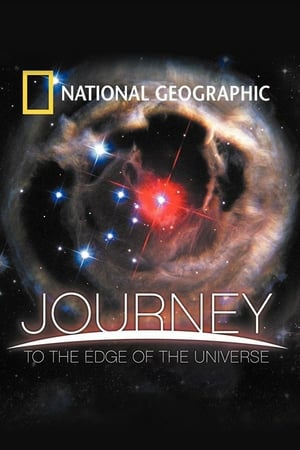
National Geographic: Journey to the Edge of the Universe(en)
In one single, epic camera move we journey from Earth's surface to the outermost reaches of the universe on a grand tour of the cosmos, to explore newborn stars, distant planets, black holes and beyond.
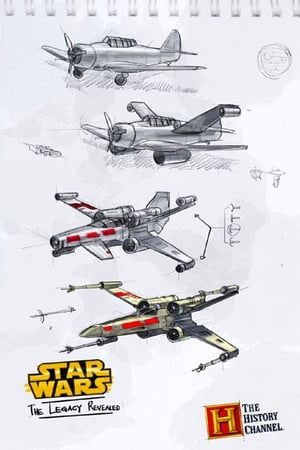
Star Wars: The Legacy Revealed(en)
The special focuses on how Star Wars is relevant today and the history that inspired it, and also makes various connections to Greek mythology. It consists of several interviews with well-known politicians, journalists, and critics, along with historical content and clips from all six of the Star Wars movies.
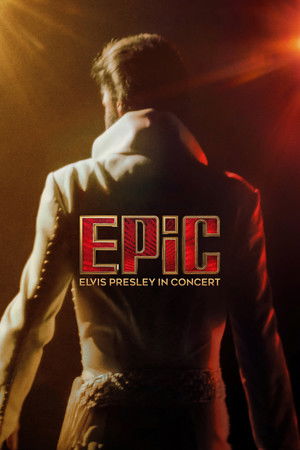
EPiC: Elvis Presley in Concert(en)
Long-lost footage from Elvis Presley's legendary Las Vegas residency in the 1970s woven together with rare 16mm footage from Elvis on Tour, and 8mm from the Graceland archive, plus recordings of Elvis telling "his side of the story" rediscovered during Baz Luhrmann's research for his 2022 film, Elvis.
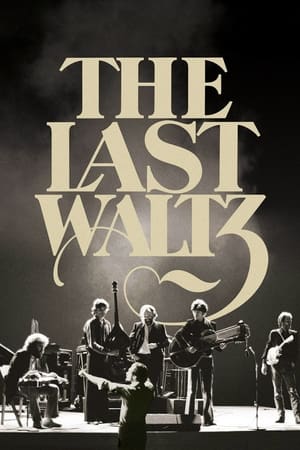
The Last Waltz(en)
Martin Scorsese's documentary intertwines footage from The Band's incredible farewell tour with probing backstage interviews and featured performances by Eric Clapton, Bob Dylan, Joni Mitchell, Van Morrison, and other rock legends.
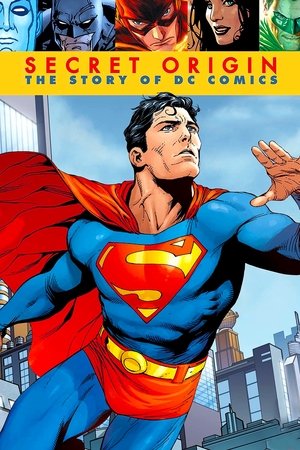
Secret Origin: The Story of DC Comics(en)
A look at the history of the comic book publication that launched such legendary characters as Superman, Batman and Wonder Woman.
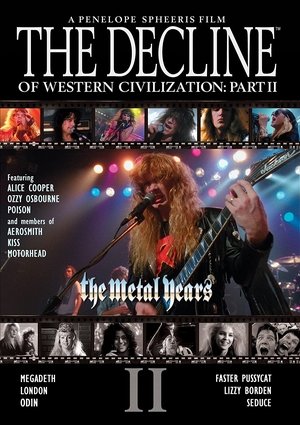
The Decline of Western Civilization Part II: The Metal Years(en)
An exploration of the heavy metal scene in Los Angeles, with particular emphasis on glam metal. It features concert footage and interviews of legendary heavy metal and hard rock bands and artists such as Aerosmith, Alice Cooper, Kiss, Megadeth, Motörhead, Ozzy Osbourne and W.A.S.P..
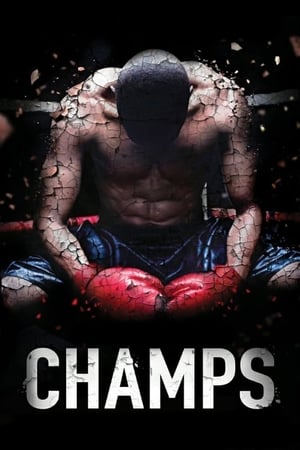
Champs(en)
A documentary about the sport of boxing, as seen through the eyes of champions Mike Tyson, Evander Holyfield and Bernard Hopkins.
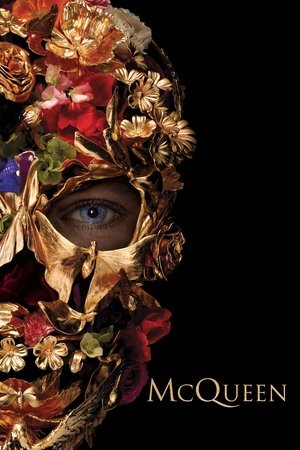
McQueen(en)
Alexander McQueen's rags-to-riches story is a modern-day fairy tale, laced with the gothic. Mirroring the savage beauty, boldness and vivacity of his design, this documentary is an intimate revelation of McQueen's own world, both tortured and inspired, which celebrates a radical and mesmerizing genius of profound influence.
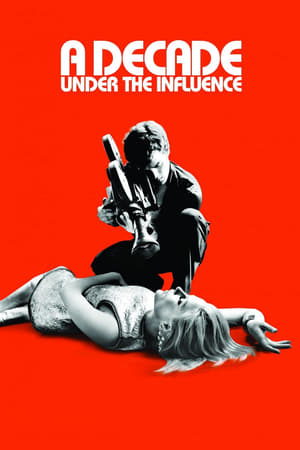
A Decade Under the Influence(en)
A documentary examining the decade of the 1970s as a turning point in American cinema. Some of today's best filmmakers interview the influential directors of that time.
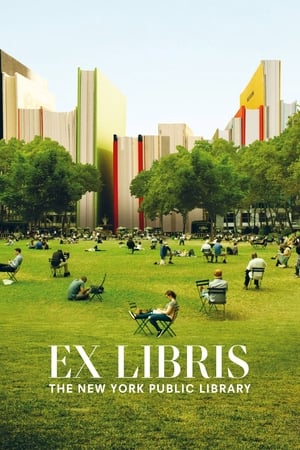
Ex Libris: The New York Public Library(en)
A documentary about how a dominant cultural and demographic institution both sustains their traditional activities and adapts to the digital revolution.

Unknown Number: The High School Catfish(en)
Vulgar, taunting texts blow up the phones of a teen and her boyfriend. Who's sending them — and why? This twisty documentary reveals the shocking answer.
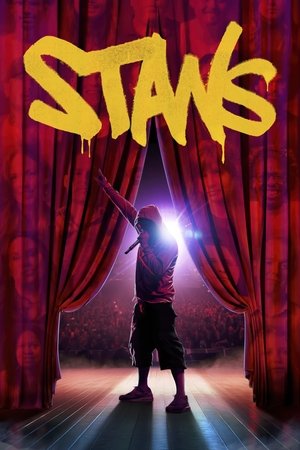

X-Rated 2: The Greatest Adult Stars of All-Time(en)
Documentary sequel that offers a close-up look into the personal lives of the legendary porn stars who've survived the test of time and influenced popular culture. Blends rare interviews with erotic clips and additional appearances by Whoopi Goldberg, Steven Soderbergh and a host of adult stars, directors and trendsetters.
Similar Movies
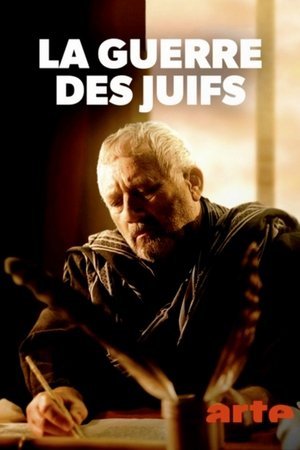
The Jewish-Roman Wars(de)
In the first century, after the death of Herod the Great, Judea goes through a long period of turbulence due to the actions of the corrupt Roman governors and the internal struggles, both religious and political, between Jewish factions, events that soon lead to the uprising of the population and a cruel war that lasts several years and causes thousands of deaths, a catastrophe described in detail by the Romanized Jewish historian Titus Flavius Josephus.
Herod the Great: The Child Murderer of Bethlehem(de)
An account of the reign of Herod the Great, king of Judea under the rule of the Roman Empire, remembered for having ordered, according to the Gospel of Matthew, the murder of all male infants born in Bethlehem at the time of the birth of Jesus, an unproven event that is not mentioned by Titus Flavius Josephus, the main historian of that period.
Revelation - The Bride, The Beast & Babylon(en)
Going to the very heart of the Bible's most challenging Book, this one hour documentary decodes the visions of Revelation 12 and 17 for everyone to understand. Journeying from the birth of Christ through the Christian era, this amazing video pulls aside the veil of hidden history to reveal the rise of Babylon, the persecution of the bride of Christ, and the real-world identity of the beast. Educational and inspiring, Revelation delivers the keys to understanding the epic conflict between Christ and Satan and what it means for your life today.
Ancient Olympics: Let the Games Begin(en)
Come back with us to Ancient Greece, 2,500 Years ago to the original Olympic Games. The ancient Games, like our modern Olympics, included champions and cheaters, glory and scandals, bitter rivalries and contests of strength, speed and savage combat. Set in 448 BC when the pounding of horse's hooves and the brutal hand-to-hand combat could be heard and seen by the crowds that filled the Olympic stadium. This one-hour special event follows the glory and corruption of the arc of a single, five-day Olympiad. The competitions include chariot racing, running, jumping, discus, javelin and two man-to-man combat finals-boxing and pankration, a form of extreme fighting in which death was not uncommon. With the help of sports historians and great athletes such as George Chuvalo and Olympic medallists Donovan Bailey and Angela Schneider, viewers travel back to a very different life-in a very different world.

Augustus und Livia - Liebe, Macht und Schwert(de)
Augustus is reputed to have been a violent, adventurous, power-hungry and unscrupulous warlord. Yet as founder of the Roman Empire, he ushered in a period of peace and prosperity. Drawing on the analysis of several historians, this documentary traces an extraordinary destiny: posthumously adopted by his great-uncle Julius Caesar, Octavian, the future Augustus, accepted an inheritance fraught with consequences. Having made his own empire prosper, he wrote his political will at the age of 76, without naming an heir. How was the succession of this childless strategist organized?
Caligula with Mary Beard(en)
What is true and what is false in the hideous stories spread about the controversial figure of the Roman emperor Gaius Julius Caesar Augustus Germanicus (12-41), nicknamed Caligula? Professor Mary Beard explains what is accurate and what is mythical in the historical accounts that portray him as an unbalanced despot. Was he a sadistic tyrant, as Roman historians have told, or perhaps the truth about him was manipulated because of political interests?
The Roman Empire in the First Century(en)
Two thousand years ago, at the dawn of the first century, the ancient world was ruled by Rome. Through the experiences, memories and writings of the people who lived it, this series tells the story of that time - the emperors and slaves, poets and plebeians, who wrested order from chaos, built the most cosmopolitan society the world had ever seen and shaped the Roman empire in the first century A.D.

Der Aufstieg der Habsburger. Die Schlacht am Marchfeld(de)
It was the battle that decided the future of Europe: on August 26, 1278, two dynasties faced each other at Marchfeld. On one side was the Roman-German King Rudolf I from the House of Habsburg, on the other Ottokar II from the Bohemian Přemyslid dynasty. Rudolf's victory over Ottokar laid the foundations for the unprecedented rise of the Habsburg Empire, which was to play a decisive role in Europe for more than six centuries.
Terry Jones' Barbarians(en)
Terry Jones' Barbarians is a 4-part TV documentary series first broadcast on BBC 2 in 2006. It was written and presented by Terry Jones, and it challenges the received Roman and Roman Catholic notion of the barbarian. Professor Barry Cunliffe of the University of Oxford acted as consultant for the series.
The Last Days of Jesus(en)
For almost two thousand years, the story of Jesus’ final days has been celebrated by Christians the world over. From Jesus’ triumphant entry into Jerusalem, through to his eventual crucifixion six days later, the key moments have been immortalized in countless films, pieces of music, and works of art. But in recent years, some historians have begun to question inconsistencies in the Gospels’ version of events. They believe that the Gospels could hide a very different story; one that casts the historical Jesus in an entirely new light. Based on a new interpretation of contemporary historical events in Rome, "Last Days of Jesus" peels back thousands of years of tradition, to explore a new political context to the events in Jerusalem. "Last Days of Jesus" explores how dramatic political events in Rome could have played a crucial role in shaping Jesus’ destiny, and examines an extraordinary political alliance that altered the course of history.
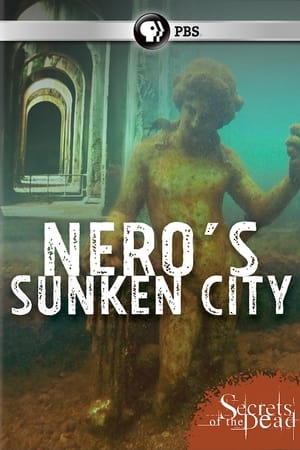
Nero's Sunken City(de)
Beneath the turquoise waves of the Bay of Naples lies an extraordinary underwater archeology site, the ancient Roman city of Baiae. From the first century to the third century AD, Baiae was the exclusive playground for the rich and powerful among Rome’s elite. What made Baiae such a special place? What really went on there? And why did it disappear?

Pompeii: The Last Day(en)
In 79 AD, one of the infamous natural disasters in human history occurred when Mount Vesuvius erupted. With speculative dramatizations of various inhabitants' final hours along with detailed documentation of the known facts concerning the eruption, the horrific day is vividly brought to life.
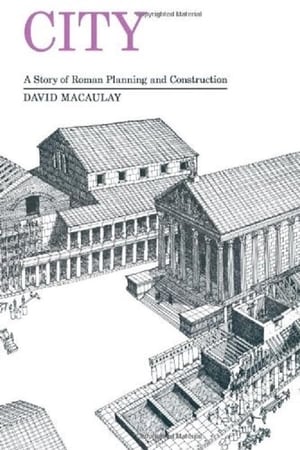
David Macaulay: Roman City(en)
The glories of Ancient Rome are explored in ROMAN CITY, based on David Macaulay's acclaimed book. This animated and live-action video recounts life in Verbonia, a fictional city in Gaul. A well-planned town with all modern conveniences, it is threatened by conflict between conquerors and conquered. Macaulay also visits Pompeii, Herculaneum, Ostia, Nimes, Orange, and Rome, to view actual Roman architecture and engineering greatness.
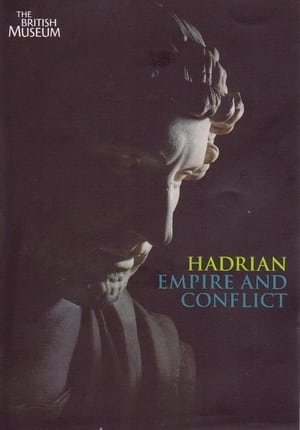
Hadrian - Empire And Conflict(en)
Documentary released to coincide with the British Museum's exhibition dedicated to the man who ruled the Roman Empire from 117 to 138 AD. The programme explores the life, achievements, passions and legacy of the emperor who was both soldier and poet and responsible for that most famous construction - Hadrian's Wall. The documentary was produced in conjunction with the exhibition Hadrian: Empire and Conflict at the British Museum 24 July - 26 October 2008.
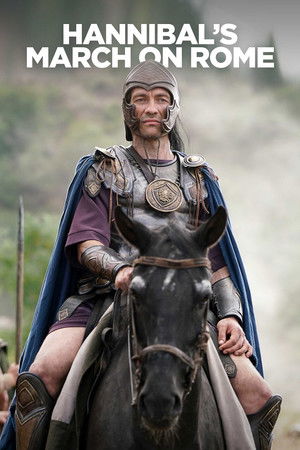
Hannibal: A March on Rome(de)
Even today it is considered one of the greatest military feats ever. In 218 BC, a Carthaginian army of ninety thousand men and three dozen elephants set out to cross the Alps to challenge the might of Rome. The exact route chosen by Hannibal, its charismatic commander, has been a matter of dispute ever since. Now, researchers believe they might be able to track his route. It is one of the mysteries of history, which way the Carthaginian commander Hannibal took in 218 BC to cross the Alps.
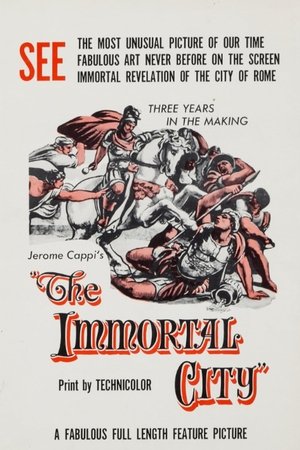
The Immortal City(en)
From the legendary times of Romulus and Remus to the present day, the compelling story of the eternal city's twenty-five centuries of civilization traces the rise of Christianity over paganism through studies of Vatican art treasures.
Lost world of the Colosseum(en)
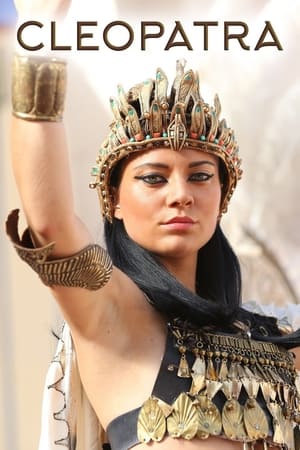
Cleopatra: Mother, Mistress, Murderer, Queen(en)
Cleopatra, the last Egyptian queen and one of the most legendary women in history. A beautiful seductress who used her sex appeal in order to manipulate the most powerful men in the Roman Empire. This film reveals the truth behind the legend.