Loading Page

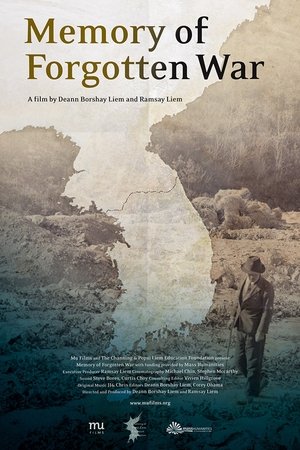
Memory of Forgotten War(2013)
Status: Released
Date: 2013-01-01
0%
0 Votes
Time: 0h 30m
Overview:
Unknown or forgotten by most Americans, the Korean War divided a people with several millenniums of shared history. Memory of Forgotten War conveys the human costs of military conflict through deeply personal accounts of four Korean American survivors whose experiences and memories embrace the full circle of the war: its outbreak and the day-to-day struggle for survival, separation from family members across the DMZ, the aftermath of a devastated Korean peninsula, and immigration to the United States. Each person reunites with relatives in North Korea conveying beyond words the meaning of four decades of family loss. Their stories belie the notion that war ends for civilians when the guns are silenced and foreshadow the futures of countless others displaced by ongoing military conflict today.
Languages: English.
Countries:
United States of America
Movie: Memory of Forgotten War
HomePage
Overview
Unknown or forgotten by most Americans, the Korean War divided a people with several millenniums of shared history. Memory of Forgotten War conveys the human costs of military conflict through deeply personal accounts of four Korean American survivors whose experiences and memories embrace the full circle of the war: its outbreak and the day-to-day struggle for survival, separation from family members across the DMZ, the aftermath of a devastated Korean peninsula, and immigration to the United States. Each person reunites with relatives in North Korea conveying beyond words the meaning of four decades of family loss. Their stories belie the notion that war ends for civilians when the guns are silenced and foreshadow the futures of countless others displaced by ongoing military conflict today.
Release Date
2013-01-01
Average
0
Rating:
0.0 startsTagline
Genres
Languages:
EnglishKeywords
Recommendations Movies
66%
Men in War(en)
1957-05-03
In Korea, on 6 September 1950, Lieutenant Benson's platoon finds itself isolated in enemy-held territory after a retreat. Soon they are joined by Sergeant Montana, whose overriding concern is caring for his catatonic colonel. Benson and Montana can't stand each other, but together they must get the survivors to Hill 465, where they hope the division is waiting. It's a long, harrowing march, fraught with all the dangers the elusive enemy can summon.
65%
Father Soldier Son(en)
2020-04-15
When Sgt. First Class Brian Eisch is critically wounded in Afghanistan, it sets him and his sons on a journey of love, loss, redemption and legacy.
64%
Why We Fight: Prelude to War(en)
1942-05-27
Prelude to War was the first film of Frank Capra's Why We Fight propaganda film series, commissioned by the Pentagon and George C. Marshall. It was made to convince American troops of the necessity of combating the Axis Powers during World War II. This film examines the differences between democratic and fascist states.
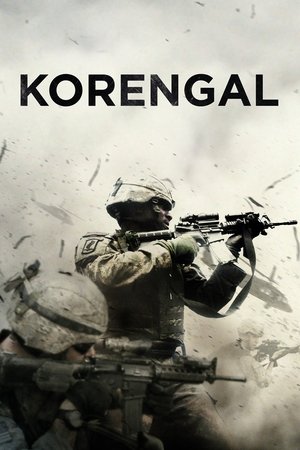
66%
Korengal(en)
2014-05-30
Korengal picks up where Restrepo left off; the same men, the same valley, the same commanders, but a very different look at the experience of war.
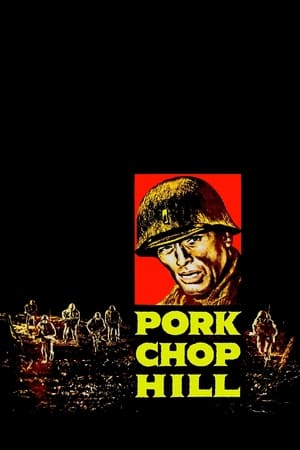
66%
Pork Chop Hill(en)
1959-05-29
Korean War, April 1953. Lieutenant Clemons, leader of the King company of the United States Infantry, is ordered to recapture Pork Chop Hill, occupied by a powerful Chinese Army force, while, just seventy miles away, at nearby the village of Panmunjom, a tense cease-fire conference is celebrated.
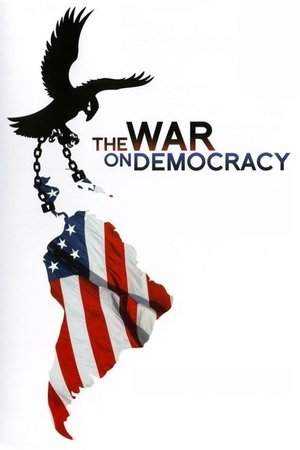
75%
The War on Democracy(en)
2007-06-15
Set both in Latin America and the United States, the film explores the historic and current relationship of Washington with countries such as Venezuela, Bolivia and Chile. Pilger says that the film "...tells a universal story... analysing and revealing, through vivid testimony, the story of great power behind its venerable myths. It allows us to understand the true nature of the so-called "war on terror". According to Pilger, the film’s message is that the greed and power of empire is not invincible and that people power is always the "seed beneath the snow".
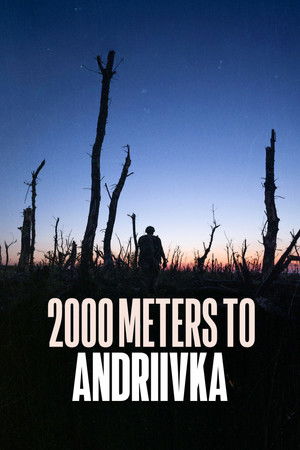
82%
2000 Meters to Andriivka(en)
2025-07-23
Amid the failing counteroffensive, a journalist follows a Ukrainian platoon on their mission to traverse one mile of heavily fortified forest and liberate a strategic village from Russian occupation. But the farther they advance through their destroyed homeland, the more they realize that this war may never end.
71%
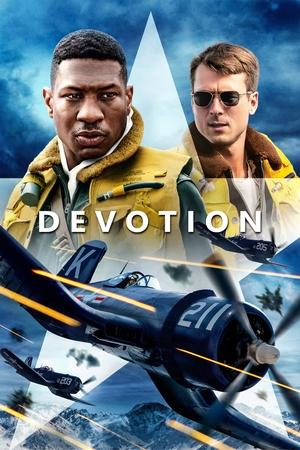
Devotion(en)
2022-11-23
The harrowing true story of two elite US Navy fighter pilots during the Korean War. Their heroic sacrifices would ultimately make them the Navy's most celebrated wingmen.

61%
The Battle of San Pietro(en)
1945-05-03
This documentary movie is about the battle of San Pietro, a small village in Italy. Over 1,100 US soldiers were killed while trying to take this location, that blocked the way for the Allied forces from the Germans. Preserved by the Academy Film Archive in 2005.
66%
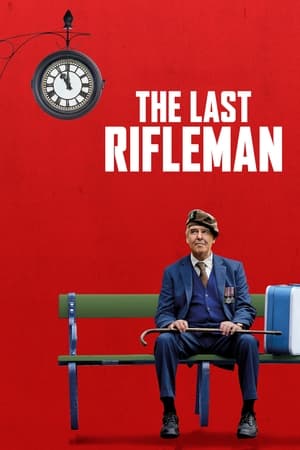
The Last Rifleman(en)
2023-12-07
A WWII veteran escapes his care home in Northern Ireland and embarks on an arduous but inspirational journey to France to attend the 75th anniversary of the D-Day landings, finding the courage to face the ghosts of his past.
78%
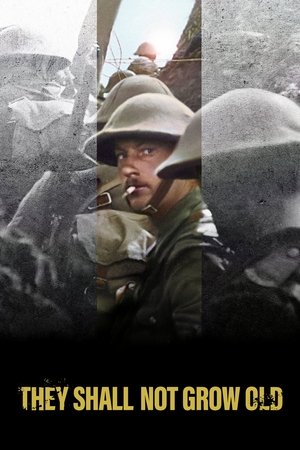
They Shall Not Grow Old(en)
2018-11-09
A documentary about World War I with never-before-seen footage to commemorate the centennial of Armistice Day, and the end of the war.
63%
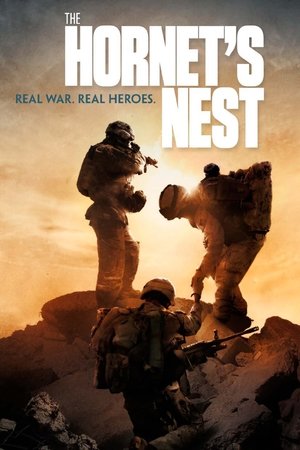
The Hornet's Nest(en)
2014-05-09
Armed only with their cameras, Peabody and Emmy Award-winning conflict Journalist Mike Boettcher, and his son, Carlos, provide unprecedented access into the longest war in U.S. history: they are embed with U.S. troops during nine days of intense combat in Afghanistan.
77%
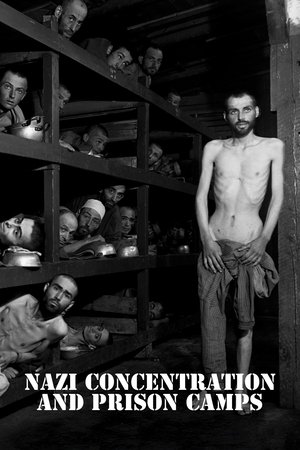
Nazi Concentration Camps(en)
1945-11-29
Produced and presented as evidence at the Nuremberg war crimes trial of Hermann Göring and twenty other Nazi leaders, this film consists primarily of dead and surviving prisoners and of facilities used to kill and torture during the World War II.
73%
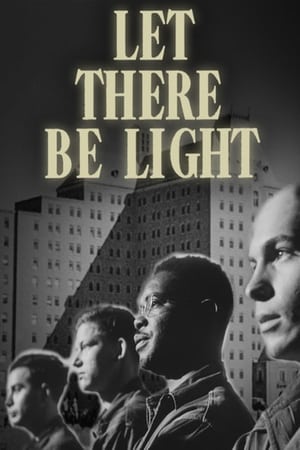
Let There Be Light(en)
1946-12-16
The final entry in a trilogy of films produced for the U.S. government by John Huston. Some returning combat veterans suffer scars that are more psychological than physical. This film follows patients and staff during their treatment. It deals with what would now be called PTSD, but at the time was categorised as psychoneurosis or shell-shock. Government officials deemed this 1946 film counterproductive to postwar efforts; it was not shown publicly until 1981.
79%
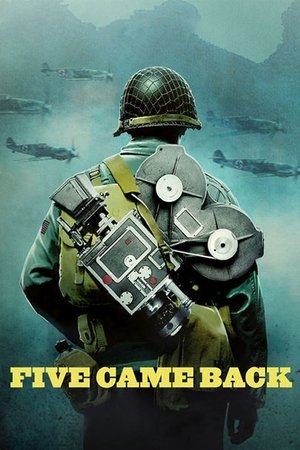
Five Came Back(en)
2017-03-31
The extraordinary story of how Hollywood changed World War II – and how World War II changed Hollywood, through the interwoven experiences of five legendary filmmakers who went to war to serve their country and bring the truth to the American people: John Ford, William Wyler, John Huston, Frank Capra, and George Stevens. Based on Mark Harris’ best-selling book, “Five Came Back: A Story of Hollywood and the Second World War.”
70%
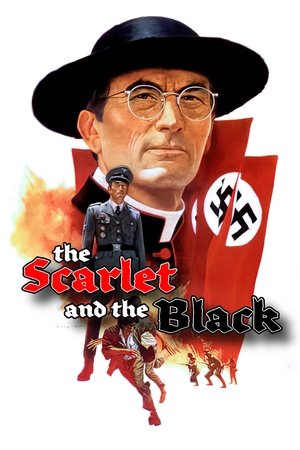
The Scarlet and the Black(en)
1983-02-02
Fr. Hugh O'Flaherty is a Vatican official in 1943-45 who has been hiding downed pilots, escaped prisoners of war, and Italian resistance families. His activities become so large that the Nazis decide to assassinate him the next time he leaves the Vatican.
69%
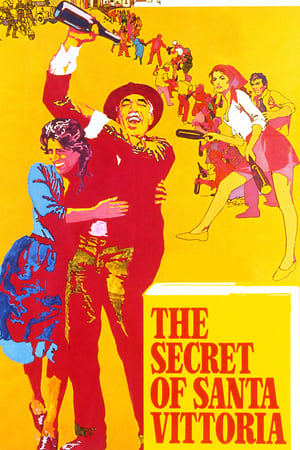
The Secret of Santa Vittoria(en)
1970-01-02
During World War II, Italian villagers hide their wine from the German army.
72%
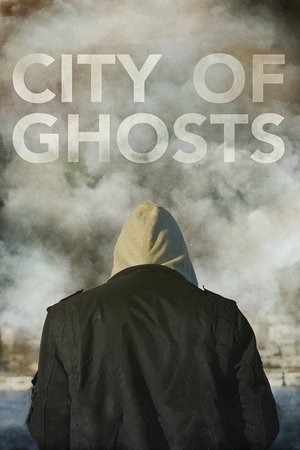
City of Ghosts(en)
2017-07-14
With unprecedented access, this documentary follows the extraordinary journey of “Raqqa is Being Slaughtered Silently”—a group of anonymous citizen journalists who banded together after their homeland was overtaken by ISIS—as they risk their lives to stand up against one of the greatest evils in the world today.
68%
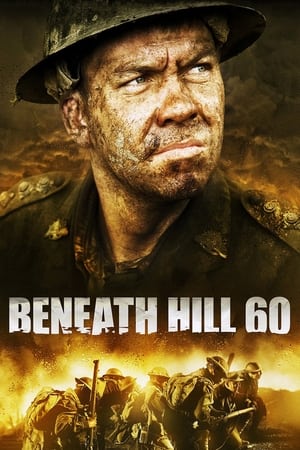
Beneath Hill 60(en)
2010-04-15
The true story of Australia's cat-and-mouse underground mine warfare—one of the most misunderstood, misrepresented and mystifying conflicts of WW I. It was secret struggle BENEATH the Western Front that combined daring engineering, technology and science. Few on the surface knew of the brave, claustrophobic and sometimes barbaric work of these tunnellers.
72%
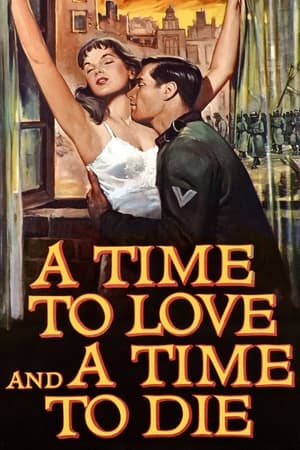
A Time to Love and a Time to Die(en)
1958-07-09
A German soldier home on leave falls in love with a girl, then returns to World War II.
Similar Movies
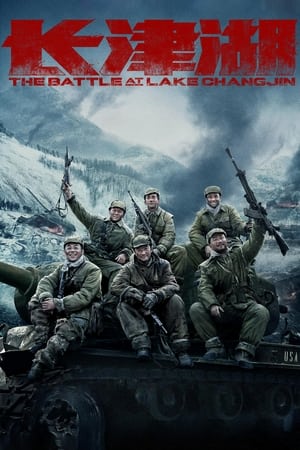
62%
The Battle at Lake Changjin(zh)
2021-09-30
Korean War, winter 1950. In the frozen and snowy area of Changjin Lake, a bloody battle is about to begin between the elite troops of the United States and China.
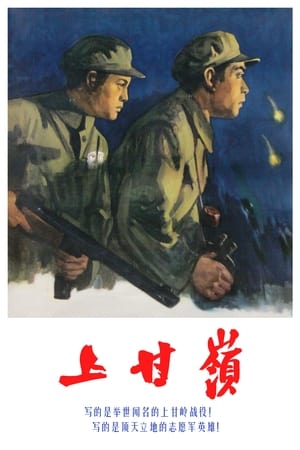
62%
Battle on Shangganling Mountain(zh)
1956-12-01
The film follows a group of Chinese People's Volunteer Army soldiers who are holding Triangle Hill for several days against US forces. Short of both food and water, they hold their ground until the relief troops arrive. The movie portray the battle as a Chinese victory over an American invasion, and the People's Volunteer Army soldiers were shown as Chinese war heroes."
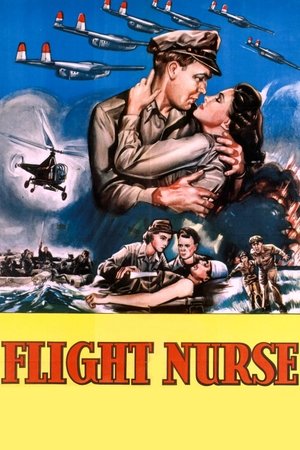
55%
Flight Nurse(en)
1953-11-15
In this war drama, set during the Korean War, an Air Force nurse gets involved in a love triangle on the front lines.

70%
M*A*S*H(en)
1970-02-18
One of the world's most acclaimed comedies, M*A*S*H focuses on three Korean War Army surgeons brilliantly brought to life by Donald Sutherland, Tom Skerritt and Elliott Gould. Though highly skilled and deeply dedicated, they adopt a hilarious, lunatic lifestyle as an antidote to the tragedies of their Mobile Army Surgical Hospital, and in the process infuriate Army bureaucrats. Robert Duvall, Gary Burghoff and Sally Kellerman co-star as a sanctimonious Major, an other-worldly Corporal, and a self-righteous yet lusty nurse.
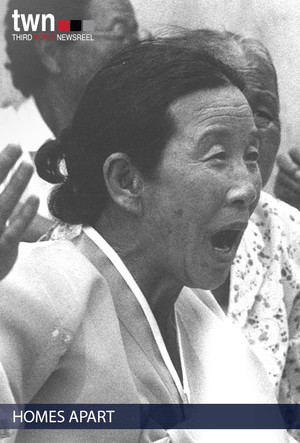
0%
Homes Apart: Korea(ko)
1991-01-02
They speak the same language, share a similar culture and once belonged to a single nation. When the Korean War ended in 1953, ten million families were torn apart. By the early 90s, as the rest of the world celebrated the end of the Cold War, Koreans remain separated between North and South, fearing the threat of mutual destruction. Beginning with one man's journey to reunite with his sister in North Korea, filmmakers Takagi and Choy reveal the personal, social and political dimensions of one of the last divided nations on earth. The film was also the first US project to get permission to film in both South & North Korea.
0%
The Birth of Korea 2: Freedom Fighter(ko)
2025-09-10
How did South Korea, after liberation in 1945 defend liberal democracy against leftist and communist forces? The door to that secret is now revealed.
0%
Flame(ko)
1975-12-15
A man wanders around the mountains with a bleeding leg, holding a rifle in his hand. Seemingly a fugitive, he runs from as-yet unknown pursuers, but he also seems to be following somebody who has already walked the same path. As he hides in a secluded cave, past memories sweep through his exhausted mind, memories of lifelong cowardice and evasion. And this recollection leads to a reconstruction of early 20th century Korean history. Winner of Best Picture (Nam-a Pictures Co., Ltd.), Best Actor (Ha Myung-joong), Best Art Direction (Kim Yoo-joon), Best Lighting (Son Young-cheol) at the 14th Grand Bell Awards. (source: Jiro Hong, koreanfilm.org)
64%
The DMZ(ko)
1965-12-09
The film exposes the atrocities of war through the eyes of two children who are stranded in the DMZ after the end of the Korean War. The DMZ, strewn with abandoned tanks, dead bodies, land mines, and unexploded shells, is an exceedingly dangerous place for children. But what most endangers them in the end are not weapons but people.
0%
Alene B. Duerk: The First Woman Admiral(en)
2020-01-01
Following the tradition of military service in her family, Alene Duerk enlisted as a Navy nurse in 1943. During her eventful 32 year career, she served in WWII on a hospital ship in the Sea of Japan, and trained others in the Korean War. She became the Director of the Navy Nursing Corps during the Vietnam War before finally attaining the rank of Admiral in the U.S. Navy. Despite having no other women as mentors (or peers), Admiral Duerk always looked for challenging opportunities that women had not previously held. Her consistently high level of performance led to her ultimate rise to become the first woman Admiral.
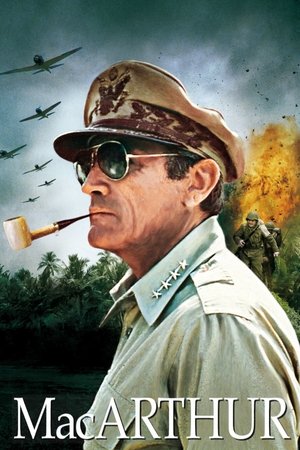
63%
MacArthur(en)
1977-07-15
The film portrays MacArthur's life from 1942, before the Battle of Bataan, to 1952, when he was removed from his Korean War command by President Truman for insubordination, and is recounted in flashback as he visits West Point.
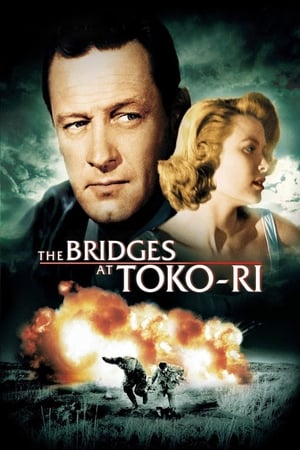
59%
The Bridges at Toko-Ri(en)
1954-12-01
A U.S. Navy pilot and his squad are assigned to bomb a group of heavily defended bridges deep behind enemy lines during the Korean War.
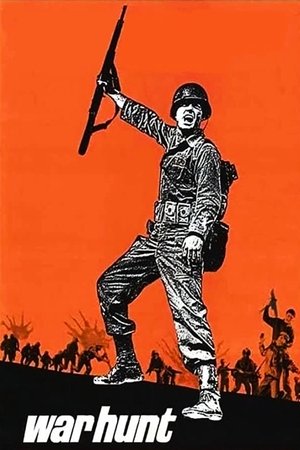
65%
War Hunt(en)
1962-05-01
Dispatched to the front lines during the Korean War, an idealistic American soldier discovers the horrors of combat and comes at odds with a psychopathic member of his platoon.
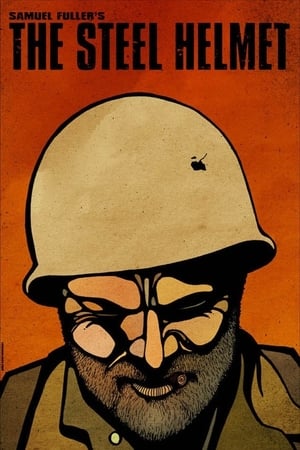
70%
The Steel Helmet(en)
1951-01-24
A ragtag group of American stragglers battles against superior Communist troops in an abandoned Buddhist temple during the Korean War.
50%
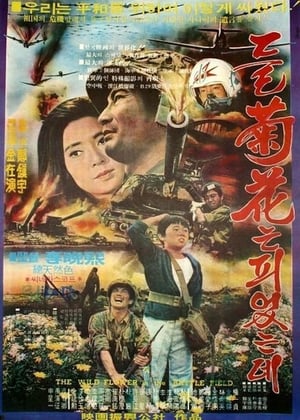
Wildflowers on the Battleground(ko)
1974-12-07
A look at the Korean War through the eyes of a mute boy who was kept as a mascot by a regiment of soldiers near the front lines.
50%
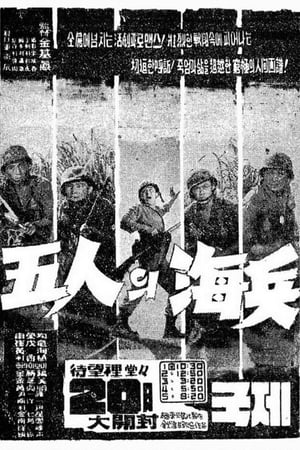
Five Marines(ko)
1961-10-20
A brigade of five marines are sent on a dangerous mission to capture an enemy stronghold during the Korean War.
75%
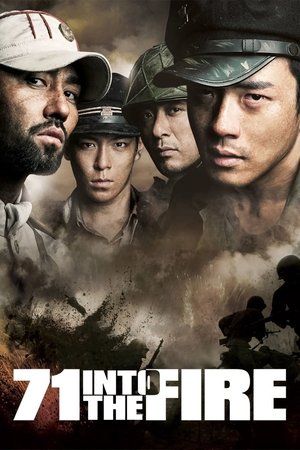
71: Into the Fire(ko)
2010-06-16
In August 1950, waiting for UN troops to arrive, the South Korean army assembled to protect Nakdong River. Only 71 student-soldiers are left behind to guard the city of Pohang. Now they are on a mission to defend the country from North Korean troops.
80%
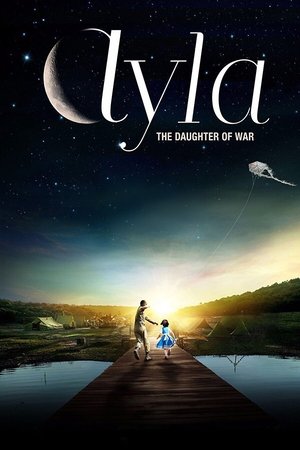
Ayla: The Daughter of War(tr)
2017-10-27
In 1950, amidst the ravages of the Korean War, Sergeant Süleyman stumbles upon a a half-frozen little girl, with no parents and no help in sight and he risks his own life to save her, smuggling her into his army base and out of harm’s way.
0%
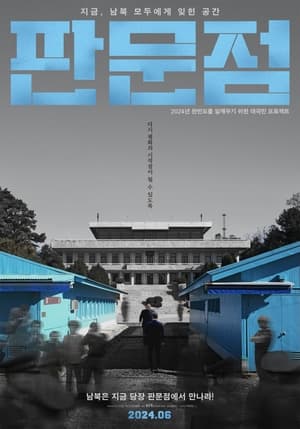
The Front Line of Ideology(ko)
2024-06-19
One year after the Korean War, the conflict had reached a stalemate. The two opposing forces began to search for a way to end the grueling war of attrition, eventually settling on a modest village called ‘Pan Mun Jom’ near Gaeseong as the designated site for negotiations. Despite initial hopes for a quick resolution, the negotiating parties encountered obstacles that prevented an agreement. Disputes over the military demarcation line and the repatriation of prisoners of war thwarted their efforts. The film peels back the layers to reveal the untold story of Pan Mun Jom, shedding light on a history that has remained hidden until now.
0%
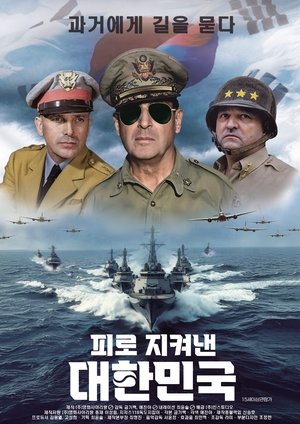
Korea Defended with Blood(ko)
2025-10-16
25%
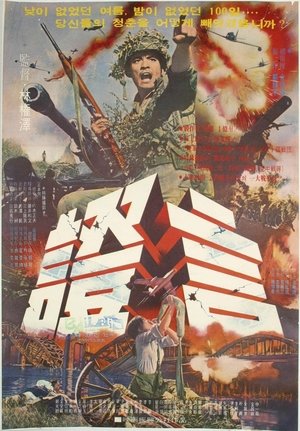
The Testimony(ko)
1974-01-01
June 25, 1950. When second lieutenant Jang has a date with his girl friend during weekend, numerous North Korean jet fighters make sudden air raids to the skies of Seoul. It is the beginning of Korean War. In spite of Korean Army's brave defense, North Korean army reddens South Korea with their state-of-the-art weapons. This movie describes the progress of war from the invasion in June 25, 1950 to the reclamation of territory on the basis of Sun-A's personal experience. Also this film reminds hard lessons from tragic history.