Loading Page
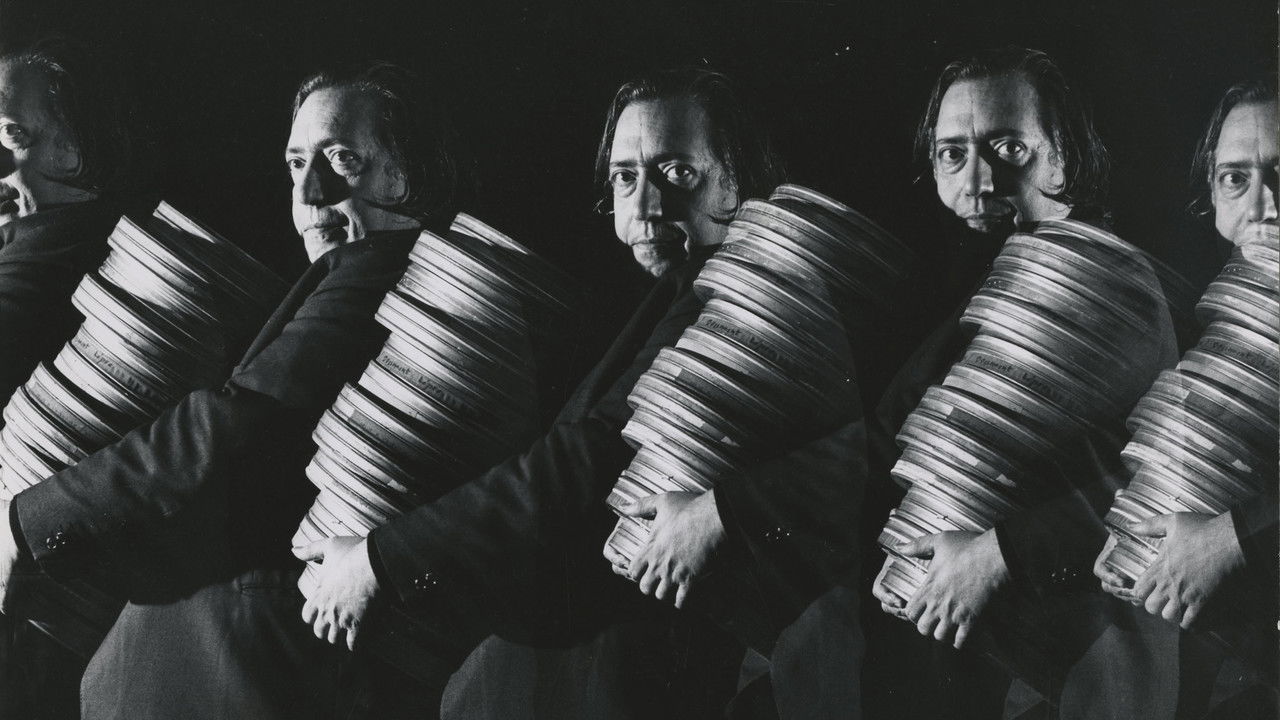

Montage muet français Palais des Congrès(1974)
Status: Released
Date: 1974-03-02
0%
0 Votes
Time: 2h 41m
Overview:
"On 2 March 1974, Henri Langlois, co-founder of the Cinémathèque française, screened a partly impromptu edit of films and fragments from the nation’s silent film production." - IFFR 2019 Programme "It was originally made by Langlois for a presentation whose origins or motives are unclear, as is the thematic or narrative through-line in the epic, though it is said that when he presented the film Langlois was doing something akin to cutting it together live in the projection booth. It definitely goes chronologically through French cinema, definitely avoids a general historiography and obvious citations, and definitely gravitates towards films shot in Paris, yet none of these touchpoints elucidate exactly what Langlois’s epic essay film was intended for. It was found in the Cinémathèque on the shelves only recently and digitized, embalming what feels like a very specific and quite personal guided tour through cinema, with the guide (Langlois) missing." - Daniel Kasman, MUBI
Languages:
Countries:
Movie: Montage muet français Palais des Congrès
HomePage
Overview
"On 2 March 1974, Henri Langlois, co-founder of the Cinémathèque française, screened a partly impromptu edit of films and fragments from the nation’s silent film production." - IFFR 2019 Programme "It was originally made by Langlois for a presentation whose origins or motives are unclear, as is the thematic or narrative through-line in the epic, though it is said that when he presented the film Langlois was doing something akin to cutting it together live in the projection booth. It definitely goes chronologically through French cinema, definitely avoids a general historiography and obvious citations, and definitely gravitates towards films shot in Paris, yet none of these touchpoints elucidate exactly what Langlois’s epic essay film was intended for. It was found in the Cinémathèque on the shelves only recently and digitized, embalming what feels like a very specific and quite personal guided tour through cinema, with the guide (Langlois) missing." - Daniel Kasman, MUBI
Release Date
1974-03-02
Average
0
Rating:
0.0 startsTagline
Genres
Languages:
Recommendations Movies
63%
Midnight Movies: From the Margin to the Mainstream(en)
2006-06-20
From 1970-1977, six low budget films shown at midnight transformed the way we make and watch films.
72%
The Director and the Jedi(en)
2018-03-12
An intimate documentary delving into Rian Johnson's process as he comes in as a director new to the Star Wars universe.
78%
Jodorowsky's Dune(en)
2013-08-30
In 1974, Chilean-French director Alejandro Jodorowsky embarked on the quixotic project of adapting Frank Herbert's influential novel Dune (1969) for the big screen. After investing two years, and millions of dollars, the gigantic project ended in failure; but the artists Jodorowsky brought together to carry it out continued to work together, and ended up laying the foundations for modern science fiction cinema.
71%
The Phantom of the Opera(en)
1925-06-29
The deformed Phantom who haunts the Paris Opera House causes murder and mayhem in an attempt to make the woman he loves a star.
68%
Making Waves: The Art of Cinematic Sound(en)
2019-10-25
The history of cinematic sound, told by legendary sound designers and visionary filmmakers.
71%
Intolerance: Love's Struggle Throughout the Ages(en)
1916-09-04
The story of a poor young woman, separated by prejudice from her husband and baby, is interwoven with tales of intolerance from throughout history.

78%
The Skywalker Legacy(en)
2020-03-18
The story lives forever in this feature-length documentary that charts the making of Star Wars: The Rise of Skywalker.
73%
Cigarette Burns(en)
2005-12-16
With a torrid past that haunts him, a movie theatre owner is hired to search for the only existing print of a film so notorious that its single screening caused the viewers to become homicidally insane.
61%
Room 237(en)
2012-10-26
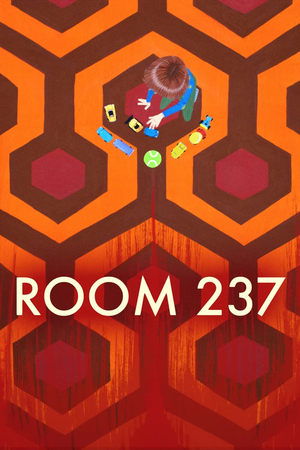
A subjective documentary that explores various theories about hidden meanings in Stanley Kubrick's classic film The Shining. Five very different points of view are illuminated through voice over, film clips, animation and dramatic reenactments.
70%
Milius(en)
2013-03-09
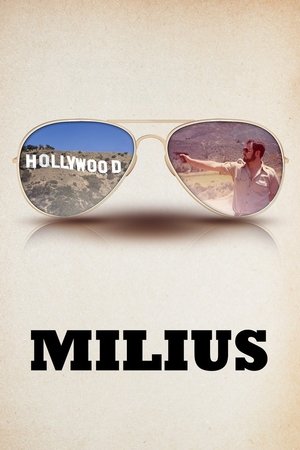
The life story of ‘Zen Anarchist’ filmmaker John Milius, one of the most influential storytellers of his generation.
67%
The Other Side of the Wind(en)
2018-11-02
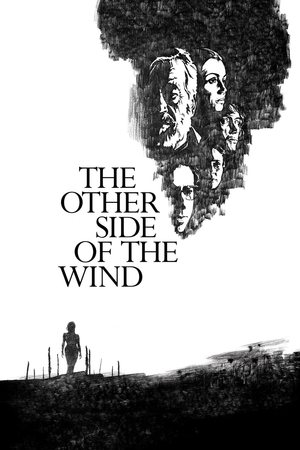
Surrounded by fans and sceptics, grizzled director J.J. "Jake" Hannaford returns from years abroad in Europe to a changed Hollywood, where he attempts to make his innovative comeback film. This film was started in 1970 by Orson Welles but never completed during his lifetime.
60%
Final Portrait(en)
2017-08-03
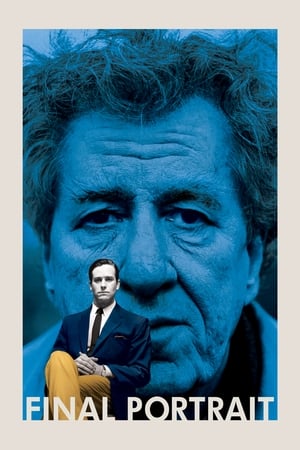
Paris, 1964. The Swiss sculptor and painter Alberto Giacometti, one of the most accomplished and respected artists of his generation, asks his friend, the American writer James Lord, to sit for a portrait, assuring him that it will take no longer than two or three hours, an afternoon at the most.
71%
Behind the Planet of the Apes(en)
1998-09-05
Roddy McDowall takes you, film by film, from production meetings to make-up sessions, then right onto the movie set to see the actual filming of the science fiction masterpiece. The most comprehensive history of Planet of the Apes ever created, this fascinating 127-minute documentary explores one of the most imaginative and influential series in movie history.

72%
Side by Side(en)
2012-08-19
Since the invention of cinema, the standard format for recording moving images has been film. Over the past two decades, a new form of digital filmmaking has emerged, creating a groundbreaking evolution in the medium. Keanu Reeves explores the development of cinema and the impact of digital filmmaking via in-depth interviews with Hollywood masters, such as James Cameron, David Fincher, David Lynch, Christopher Nolan, Martin Scorsese, George Lucas, Steven Soderbergh, and many more.
66%
Mr. Morgan's Last Love(en)
2013-08-22
A widowed professor living in Paris develops a special relationship with a younger French woman.
65%
Mystery Science Theater 3000: The Movie(en)
1996-04-19
Dr. Clayton Forrester figures he can rule the world if he deadens his subjects' brains by making them endure terrible movies. Exploiting his access to nearby satellite-dwellers Mike Nelson and his robot pals, Crow T. Robot and Tom Servo, Forrester makes them watch "This Island Earth", a cheesy 1950s spaceship film. But when Mike and friends make funny comments throughout the movie and others that follow, Forrester's plan looks increasingly flimsy.
70%
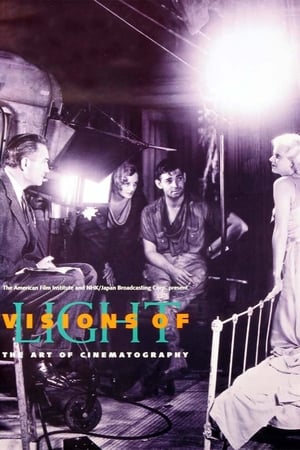
Visions of Light(en)
1992-09-17
Cameramen and women discuss the craft and art of cinematography and of the "DP" (the director of photography), illustrating their points with clips from 100 films, from Birth of a Nation to Do the Right Thing. Themes: the DP tells people where to look; changes in movies (the arrival of sound, color, and wide screens) required creative responses from DPs; and, these artisans constantly invent new equipment and try new things, with wonderful results. The narration takes us through the identifiable studio styles of the 30s, the emergence of noir, the New York look, and the impact of Europeans. Citizen Kane, The Conformist, and Gordon Willis get special attention.
70%
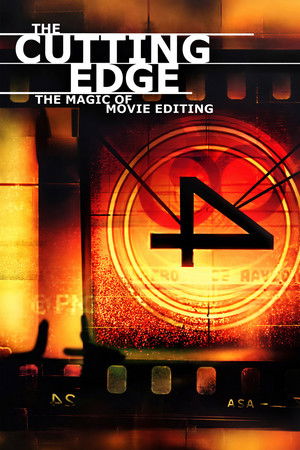
The Cutting Edge: The Magic of Movie Editing(en)
2004-10-12
Documentary about the art of film editing. Clips are shown from many groundbreaking films with innovative editing styles.
62%
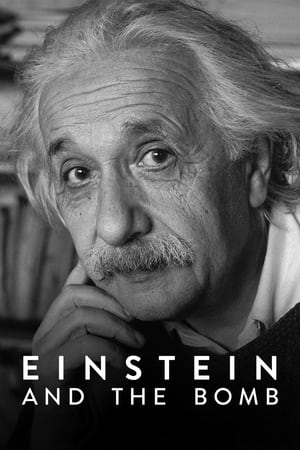
Einstein and the Bomb(en)
2024-02-16
What happened after Einstein fled Nazi Germany? Using archival footage and his own words, this docudrama dives into the mind of a tortured genius.