Loading Page


Thirty Years of Motion Pictures (The March of the Movies)(1927)
Status: Released
Date: 1927-01-01
0%
0 Votes
Time: 1h 36m
Overview:
At the beginning, Thirty Years of Motion Pictures (The March of the Movies) was merely a presentation/lecture given by Otto Nelson at two National Board of Review conferences, in 1925 and 1926, under the title Early History and Growth of the Motion Picture Industry. These proved so successful that work on a film version began, with historian Terry Ramsaye (who around the same time published the seminal study A Million and One Nights: A History of the Motion Picture) coming onboard the production.
Languages: English.
Countries:
United States of America
Movie: Thirty Years of Motion Pictures (The March of the Movies)
HomePage
Overview
At the beginning, Thirty Years of Motion Pictures (The March of the Movies) was merely a presentation/lecture given by Otto Nelson at two National Board of Review conferences, in 1925 and 1926, under the title Early History and Growth of the Motion Picture Industry. These proved so successful that work on a film version began, with historian Terry Ramsaye (who around the same time published the seminal study A Million and One Nights: A History of the Motion Picture) coming onboard the production.
Release Date
1927-01-01
Average
0
Rating:
0.0 startsTagline
Genres
Languages:
English
Recommendations Movies
68%
Making Waves: The Art of Cinematic Sound(en)
2019-10-25
The history of cinematic sound, told by legendary sound designers and visionary filmmakers.
82%
The Untold History Of The United States(en)
2012-11-12
Oliver Stone charts the history of the United States from the Second World War to the present.

66%
Drunk Stoned Brilliant Dead(en)
2015-01-25
A look at the history of the American comedy publication and production company, National Lampoon, from its beginning in the 1970s to 2010, featuring rare and never before seen footage, this is the mind boggling story of The National Lampoon from its subversive and electrifying beginnings, to rebirth as an unlikely Hollywood heavyweight, and beyond. A humour empire like no other, the impact of the magazines irreverent, often shocking, sensibility was nothing short of seismic: this is an institution whose (drunk stoned brilliant) alumni left their fingerprints all over popular culture. Both insanely great and breathtakingly innovative, The National Lampoon created the foundation of modern comic sensibility by setting the bar in comedy impossibly high.
72%
The Celluloid Closet(en)
1996-03-15
Exuberant, eye-opening movie that serves up a dazzling hundred-year history of the role of gay men and lesbians have had on the silver screen. Film contains fabulous footage from 120 films showing the changing face of cinema sexuality, from cruel stereotypes to covert love to the activist triumphs of the 1990s.
69%
Oranges and Sunshine(en)
2010-10-08
The story of Margaret Humphreys, a social worker from Nottingham, who uncovers one of the most significant social scandals in recent times – the forced migration of children from the United Kingdom to Australia and other Commonwealth countries. Almost singlehandedly, Margaret reunited thousands of families, brought authorities to account and worldwide attention to an extraordinary miscarriage of justice.
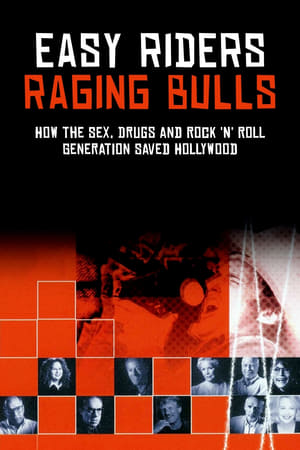
71%
Easy Riders, Raging Bulls: How the Sex 'n' Drugs 'n' Rock 'n' Roll Generation Saved Hollywood(en)
2003-03-09
The chronicle of the mind-blowing journey that was Hollywood during the seventies; the true and gripping story of the last golden age of American cinema, an exalted celebration of creativity and experimentation; but also of sex, drugs and rock 'n' roll: a turbulent and dark tale of ambition, envy, betrayal, hatred and self-destruction.
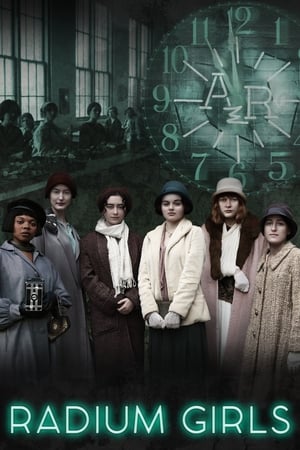
67%
Radium Girls(en)
2020-10-23
Young women toiling in a factory are exposed to hazardous material which takes a disastrous toll on their health.
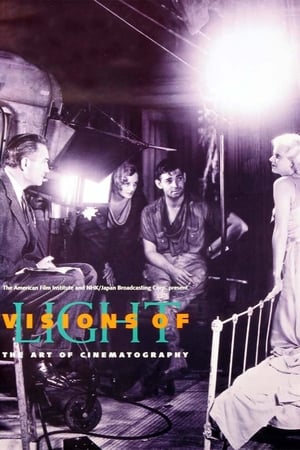
70%
Visions of Light(en)
1992-09-17
Cameramen and women discuss the craft and art of cinematography and of the "DP" (the director of photography), illustrating their points with clips from 100 films, from Birth of a Nation to Do the Right Thing. Themes: the DP tells people where to look; changes in movies (the arrival of sound, color, and wide screens) required creative responses from DPs; and, these artisans constantly invent new equipment and try new things, with wonderful results. The narration takes us through the identifiable studio styles of the 30s, the emergence of noir, the New York look, and the impact of Europeans. Citizen Kane, The Conformist, and Gordon Willis get special attention.
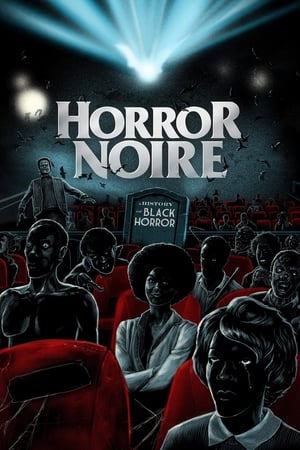
67%
Horror Noire: A History of Black Horror(en)
2019-02-07
Delving into a century of genre films that by turns utilized, caricatured, exploited, sidelined, and finally embraced them, this is the untold history of black Americans in Hollywood through their connection to the horror genre.
68%
The Unknown Known(en)
2013-08-29
Former United States Secretary of Defense, Donald Rumsfeld, discusses his career in Washington D.C. from his days as a congressman in the early 1960s to planning the invasion of Iraq in 2003.

62%
Prizefighter: The Life of Jem Belcher(en)
2022-06-30
At the turn of the 19th century, Pugilism was the sport of kings and a gifted young boxer fought his way to becoming champion of England.
67%
The Current War(en)
2018-02-01
Electricity titans Thomas Edison and George Westinghouse compete to create a sustainable system and market it to the American people.
65%
Son of the South(en)
2021-02-05
In civil rights era Montgomery, Alabama, Klansman's grandson Bob Zellner must choose which side of history to be on during the Movement. Defying his family and white Southern norms, he fought against social injustice, repression and violence to change the world around him
61%
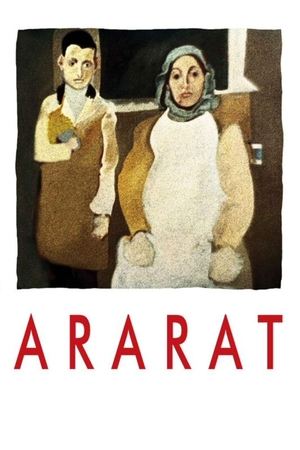
Ararat(en)
2002-05-20
Interrogated by a customs officer, a young man recounts how his life was changed during the making of a film about the Armenian genocide.
76%
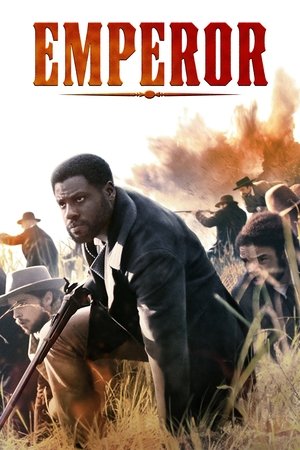
Emperor(en)
2020-08-18
An escaped slave travels north and has chance encounters with Frederick Douglass and John Brown. Based on the life story of Shields Green.
75%
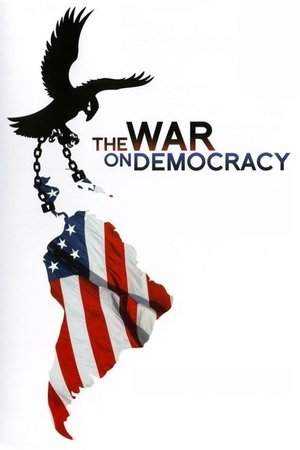
The War on Democracy(en)
2007-06-15
Set both in Latin America and the United States, the film explores the historic and current relationship of Washington with countries such as Venezuela, Bolivia and Chile. Pilger says that the film "...tells a universal story... analysing and revealing, through vivid testimony, the story of great power behind its venerable myths. It allows us to understand the true nature of the so-called "war on terror". According to Pilger, the film’s message is that the greed and power of empire is not invincible and that people power is always the "seed beneath the snow".
66%
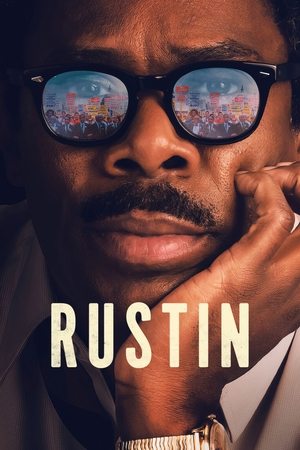
Rustin(en)
2023-11-03
Activist Bayard Rustin faces racism and homophobia as he helps change the course of Civil Rights history by orchestrating the 1963 March on Washington.
69%
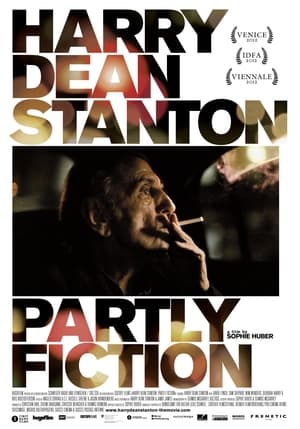
Harry Dean Stanton: Partly Fiction(en)
2013-09-11
An impressionistic portrait of the iconic actor Harry Dean Stanton comprised of intimate moments, film clips from some of his 250 films and his renditions of American folk songs.

78%
The Skywalker Legacy(en)
2020-03-18
The story lives forever in this feature-length documentary that charts the making of Star Wars: The Rise of Skywalker.