Loading Page


The Old Woman's Face, The Soup Tureen, Vreni Keller Speaks and Madame's Fanny(1967)
Status: Released
Date: 1967-12-28
0%
0 Votes
Time: 0h 27m
Overview:
"I did the takes for this film in the fall of 1966 and in the summer of 1967. I came to know and love the 'old woman' who gave her 'face' in one of the city-run dining halls in Zurich to the first part of the film. I was looking for poets for the film 'Robert Walser' and was hoping to find one in one of the places Robert Walser used to go to decades before, but it proved to be a complete failure. The woman who gave her 'face' attracted my attention because she bad something radiant about her and, despite her advanced age, still had a roguish way of looking at the world. She must have seen me several times before during test takes, because she told me later that she had seen me getting thrown out ('Filming not permitted') and that this had happened at another city-run dining hall. Because the woman appealed to me so much, I asked her on the spur of the moment if she would be willing to let herself be filmed, even though I did not actually know what I wanted to film." (HHK)
Languages: No Language.
Countries:
Switzerland
Movie: The Old Woman's Face, The Soup Tureen, Vreni Keller Speaks and Madame's Fanny
Top 1 Billed Cast
HomePage
Das Gesicht der alten Frau, Die Suppenterrine, Vreni Keller spricht und der Popo der Madame
Overview
"I did the takes for this film in the fall of 1966 and in the summer of 1967. I came to know and love the 'old woman' who gave her 'face' in one of the city-run dining halls in Zurich to the first part of the film. I was looking for poets for the film 'Robert Walser' and was hoping to find one in one of the places Robert Walser used to go to decades before, but it proved to be a complete failure. The woman who gave her 'face' attracted my attention because she bad something radiant about her and, despite her advanced age, still had a roguish way of looking at the world. She must have seen me several times before during test takes, because she told me later that she had seen me getting thrown out ('Filming not permitted') and that this had happened at another city-run dining hall. Because the woman appealed to me so much, I asked her on the spur of the moment if she would be willing to let herself be filmed, even though I did not actually know what I wanted to film." (HHK)
Release Date
1967-12-28
Average
0
Rating:
0.0 startsTagline
Genres
Languages:
No Language
Recommendations Movies
68%
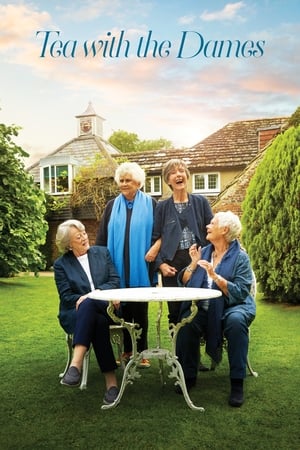
Nothing Like a Dame(en)
2018-05-02
BBC Arena's documentary on the Dames of British Theatre and film featuring Maggie Smith, Eileen Atkins, Judi Dench and Joan Plowright on screen together for the first time as they reminisce over a long summer weekend in a house Joan once shared with Sir Laurence Olivier.
76%
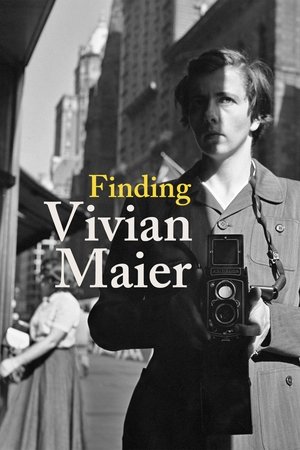
Finding Vivian Maier(en)
2014-03-21
Vivian Maier's photos were seemingly destined for obscurity, lost among the clutter of the countless objects she'd collected throughout her life. Instead these images have shaken the world of street photography and irrevocably changed the life of the man who brought them to the public eye. This film brings to life the interesting turns and travails of the improbable saga of John Maloof's discovery of Vivian Maier, unravelling this mysterious tale through her documentary films, photographs, odd collections and personal accounts from the people that knew her. What started as a blog to show her work quickly became a viral sensation in the photography world. Photos destined for the trash heap now line gallery exhibitions, a forthcoming book and this documentary film.
71%
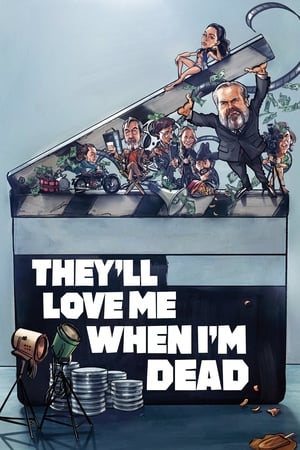
They'll Love Me When I'm Dead(en)
2018-08-31
As his life comes to its end, famous Hollywood director Orson Welles puts it all on the line at the chance for renewed success with the film The Other Side of the Wind.
67%
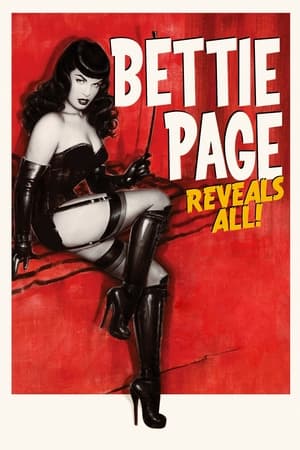
Bettie Page Reveals All(en)
2013-11-22
The world's greatest pin-up model and cult icon, Bettie Page, recounts the true story of how her free expression overcame government witch-hunts to help launch America's sexual revolution. When she saw the film The Notorious Bettie Page, produced by HBO in 2006, the main person concerned reacted unequivocally: “Lies! Lies!” In a long interview recorded shortly before her death, the woman who entered the collective unconscious as the ultimate pin-up gave her version of events to director Mark Mori. In a gravelly voice, Bettie Page tells her own story and lifts the veil on areas often hidden by images that have made so many men and women fantasize since the 1950s: her abused childhood, an eclipse that lasted forty years, her mental illness. Through testimonies and unpublished archives, this documentary brings back to life a body and a face endlessly declined before our eyes, just as Bettie wanted: “I would like people to remember me as I was in the photos.”

73%
Maria by Callas(en)
2017-12-13
Told through performances, TV interviews, home movies, family photographs, private letters and unpublished memoirs, the film reveals the essence of an extraordinary woman who rose from humble beginnings in New York City to become a glamorous international superstar and one of the greatest artists of all time.
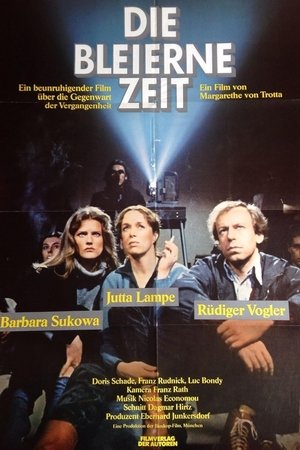
70%
Marianne and Juliane(de)
1981-09-04
Germany, 1968: The priest's daughters Marianna and Juliane both fight for changes in society, like making abortion legal. However their means are totally different: while Juliane's committed as a reporter, her sister joins a terroristic organization. After she's caught by the police and put into isolation jail, Juliane remains as her last connection to the rest of the world. Although she doesn't accept her sister's arguments and her boyfriend Wolfgang doesn't want her to, Juliane keeps on helping her sister. She begins to question the way her sister is treated.
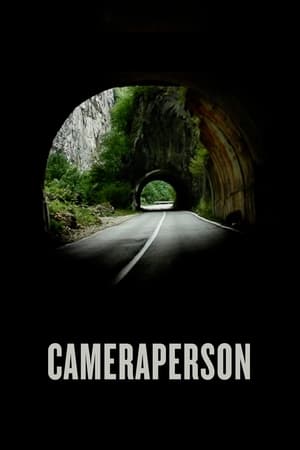
67%
Cameraperson(en)
2016-09-09
As a visually radical memoir, CAMERAPERSON draws on the remarkable footage that filmmaker Kirsten Johnson has shot and reframes it in ways that illuminate moments and situations that have personally affected her. What emerges is an elegant meditation on the relationship between truth and the camera frame, as Johnson transforms scenes that have been presented on Festival screens as one kind of truth into another kind of story—one about personal journey, craft, and direct human connection.
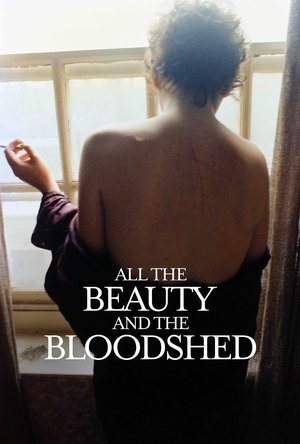
72%
All the Beauty and the Bloodshed(en)
2022-11-23
The life of internationally renowned artist and activist Nan Goldin is told through her slideshows, intimate interviews, ground-breaking photography, and rare footage of her personal fight to hold the Sackler family accountable for the overdose crisis.
63%
Rosenstrasse(de)
2003-09-18
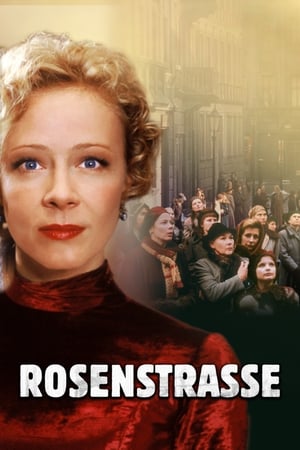
When Ruth's husband dies in New York, in 2000, she imposes strict Jewish mourning, which puzzles her children. A stranger comes to the house - Ruth's cousin - with a picture of Ruth, age 8, in Berlin, with a woman the cousin says helped Ruth escape. Hannah, Ruth's daughter engaged to a gentile, goes to Berlin to find the woman, Lena Fisher, now 90. Posing as a journalist investigating intermarriage, Hannah interviews Lena who tells the story of a week in 1943 when the Jewish husbands of Aryan women were detained in a building on Rosenstrasse. The women gather daily for word of their husbands. The film goes back and forth to tell Ruth and Lena's story. How will it affect Hannah?
64%
The House on Telegraph Hill(en)
1951-05-12
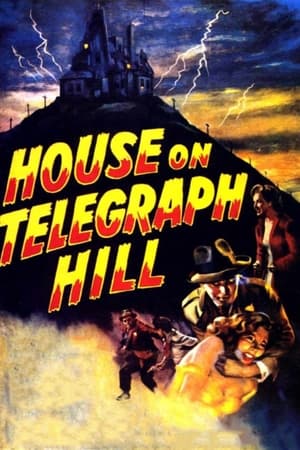
Concentration camp survivor Victoria Kowelska finds herself involved in mystery, greed, and murder when she assumes the identity of a dead friend in order to gain passage to America.
62%
Evil Influencer: The Jodi Hildebrandt Story(en)
2025-12-30
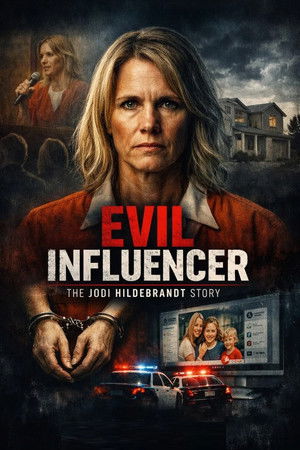
Unravel the case of Utah therapist Jodi Hildebrandt, whose child abuse arrest with parenting YouTuber Ruby Franke exposed a twisted tale of manipulation.
61%
Rememory(en)
2017-09-08
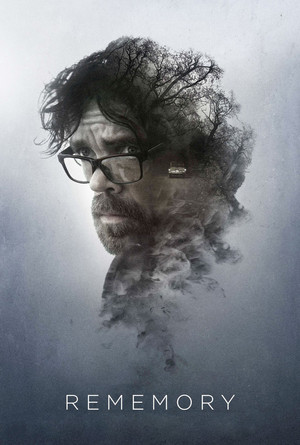
The widow of a wise professor stumbles upon one of his inventions that's able to record and play a person's memory.
62%
Seduced and Abandoned(en)
2013-05-20
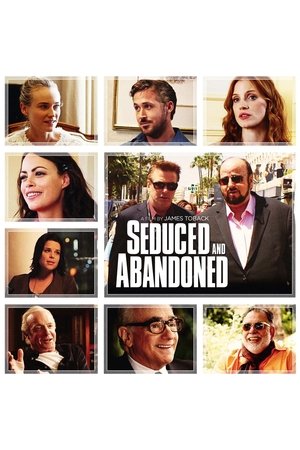
SEDUCED AND ABANDONED combines acting legend Alec Baldwin with director James Toback as they lead us on a troublesome and often hilarious journey of raising financing for their next feature film. Moving from director to financier to star actor, the two players provide us with a unique look behind the curtain at the world's biggest and most glamourous film festival, shining a light on the bitter-sweet relationship filmmakers have with Cannes and the film business. Featuring insights from directors Martin Scorsese, 'Bernando Bertolucci' and Roman Polanski; actors Ryan Gosling and Jessica Chastain and a host of film distribution luminaries.

82%
For Sama(en)
2019-07-26
A love letter from a young mother to her daughter, the film tells the story of Waad al-Kateab’s life through five years of the uprising in Aleppo, Syria as she falls in love, gets married and gives birth to Sama, all while cataclysmic conflict rises around her. Her camera captures incredible stories of loss, laughter and survival as Waad wrestles with an impossible choice– whether or not to flee the city to protect her daughter’s life, when leaving means abandoning the struggle for freedom for which she has already sacrificed so much.

76%
Night Will Fall(en)
2014-06-07
When Allied forces liberated the Nazi concentration camps in 1944-45, their terrible discoveries were recorded by army and newsreel cameramen, revealing for the first time the full horror of what had happened. Making use of British, Soviet and American footage, the Ministry of Information’s Sidney Bernstein (later founder of Granada Television) aimed to create a documentary that would provide lasting, undeniable evidence of the Nazis’ unspeakable crimes. He commissioned a wealth of British talent, including editor Stewart McAllister, writer and future cabinet minister Richard Crossman – and, as treatment advisor, his friend Alfred Hitchcock. Yet, despite initial support from the British and US Governments, the film was shelved, and only now, 70 years on, has it been restored and completed by Imperial War Museums under its original title "German Concentration Camps Factual Survey".

71%
Katy Perry: Part of Me(en)
2012-06-28
Giving fans unprecedented access to the real life of the music sensation, Katy Perry: Part of Me exposes the hard work, dedication and phenomenal talent of a girl who remained true to herself and her vision in order to achieve her dreams. Featuring rare behind-the-scenes interviews, personal moments between Katy and her friends, and all-access footage of rehearsals, choreography, Katy’s signature style and more, Katy Perry: Part of Me reveals the singer’s unwavering belief that if you can be yourself, then you can be anything.
64%
Woman of the Hour(en)
2024-10-03
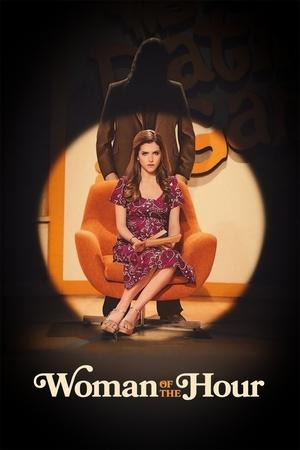
An aspiring actress crosses paths with a prolific serial killer in '70s LA when they're cast on an episode of "The Dating Game."
65%
The Last Movie Star(en)
2018-03-30
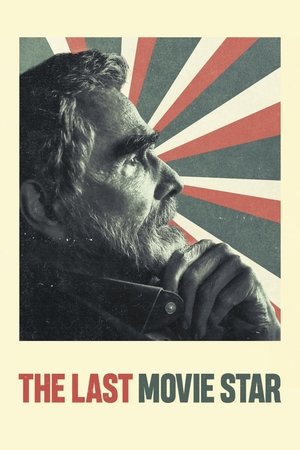
An aging screen icon gets lured into accepting an award at a rinky-dink film festival in Nashville, Tenn., sending him on a hilarious fish-out-of-water adventure and an unexpectedly poignant journey into his past.
72%
Driving Miss Daisy(en)
1989-12-13
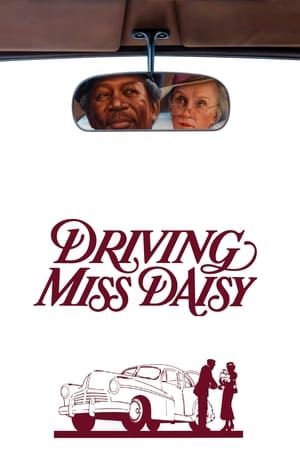
The story of an old Jewish widow named Daisy Werthan and her relationship with her black chauffeur, Hoke. From an initial mere work relationship grew in 25 years a strong friendship between the two very different characters, in a time when those types of relationships were shunned.