

The Museum Attendant(1973)
Michael Abbensetts’ first play for TV is a powerful, funny and shocking exposé of the racism faced by a black museum attendant in his place of work.
Movie: The Museum Attendant
Top 7 Billed Cast
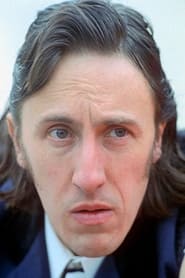
Dennis
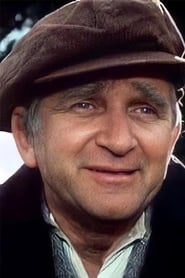
Frank
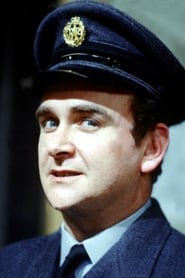
Flynn
HomePage
Overview
Michael Abbensetts’ first play for TV is a powerful, funny and shocking exposé of the racism faced by a black museum attendant in his place of work.
Release Date
1973-08-02
Average
0
Rating:
0.0 startsTagline
Genres
Languages:
English
Recommendations Movies
Watermelon Man(en)
A racist insurance agent lives in a typical suburban neighborhood, but his bigoted world of taunting and harassing black people on and off the job is turned upside down when his skin inexplicably turns dark overnight.
The Trial of the Chicago 7(en)
What was supposed to be a peaceful protest turned into a violent clash with the police. What followed was one of the most notorious trials in history.
A King in New York(en)
A recently-deposed "Estrovian" monarch seeks shelter in New York City, where he becomes an accidental television celebrity. Later, he's wrongly accused of being a Communist and gets caught up in subsequent HUAC hearings.
Glory Road(en)
In 1966, Texas Western coach Don Haskins led the first all-black starting line-up for a college basketball team to the NCAA national championship.
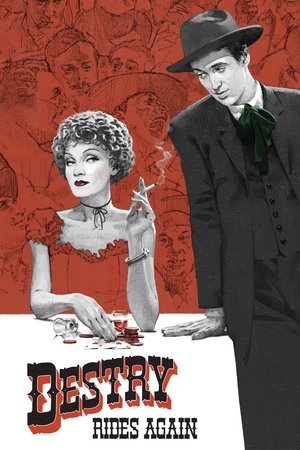
Destry Rides Again(en)
Tom Destry, son of a legendary frontier peacekeeper, doesn’t believe in gunplay. Thus he becomes the object of widespread ridicule when he rides into the wide-open town of Bottleneck, the personal fiefdom of the crooked Kent.
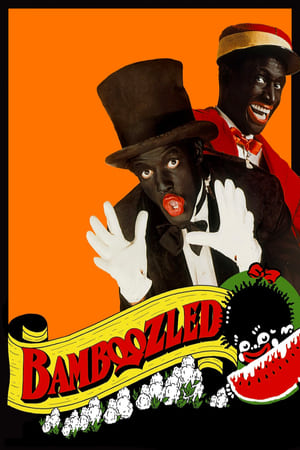
Bamboozled(en)
Frustrated when network brass reject his sitcom idea, producer Pierre Delacroix pitches the worst idea he can think of in an attempt to get fired: a 21st century minstrel show. The network not only airs it, but it becomes a smash hit.
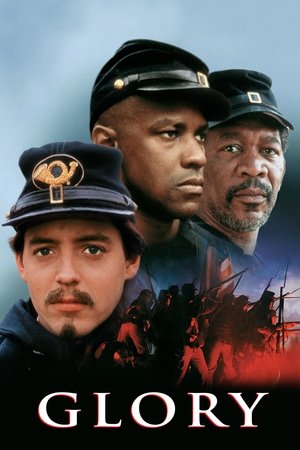
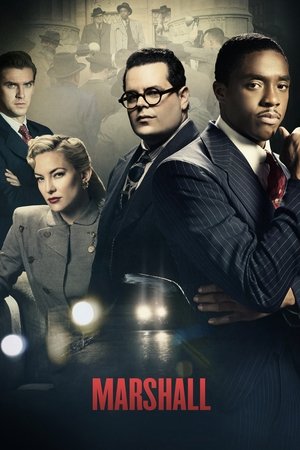
Marshall(en)
Thurgood Marshall, the first African-American Supreme Court Justice, battles through one of his career-defining cases.
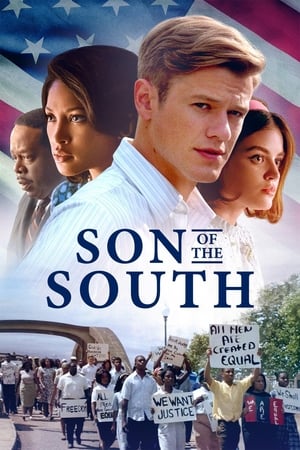
Son of the South(en)
In civil rights era Montgomery, Alabama, Klansman's grandson Bob Zellner must choose which side of history to be on during the Movement. Defying his family and white Southern norms, he fought against social injustice, repression and violence to change the world around him
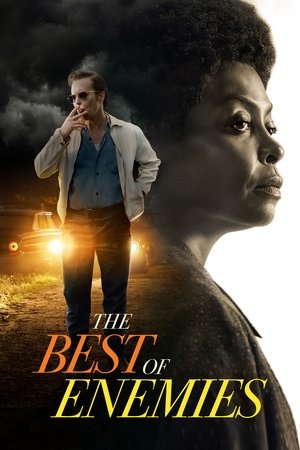
The Best of Enemies(en)
Centers on the unlikely relationship between Ann Atwater, an outspoken civil rights activist, and C.P. Ellis, a local Ku Klux Klan leader who reluctantly co-chaired a community summit, battling over the desegregation of schools in Durham, North Carolina during the racially-charged summer of 1971. The incredible events that unfolded would change Durham and the lives of Atwater and Ellis forever.
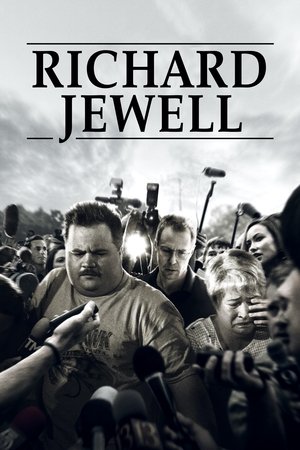
Richard Jewell(en)
Richard Jewell thinks quick, works fast, and saves hundreds, perhaps thousands, of lives after a domestic terrorist plants several pipe bombs and they explode during a concert, only to be falsely suspected of the crime by sloppy FBI work and sensational media coverage.
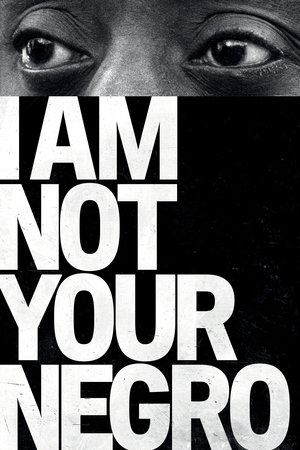
I Am Not Your Negro(en)
Working from the text of James Baldwin’s unfinished final novel, director Raoul Peck creates a meditation on what it means to be Black in the United States.
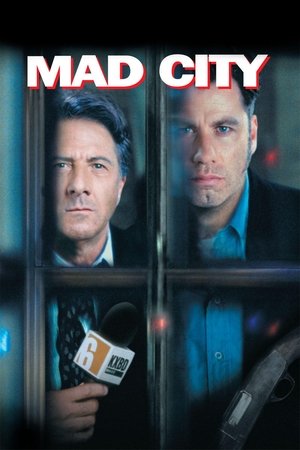
Mad City(en)
A misguided museum guard who loses his job and then tries to get it back at gunpoint is thrown into the fierce world of ratings-driven TV gone mad.
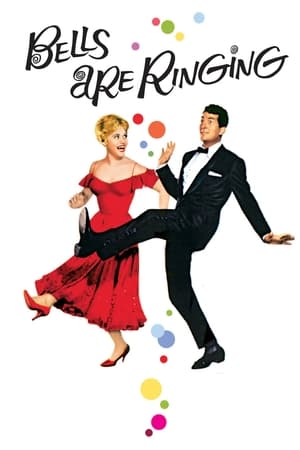
Bells Are Ringing(en)
Ella Peterson works in the basement office of Susanswerphone, a telephone answering service. She listens in on others' lives and adds some interest to her own humdrum existence by adopting different identities for her clients. They include an out-of-work Method actor, a dentist with musical yearnings, and in particular playwright Jeffrey Moss, who is suffering from writer's block and desperately needs a muse.
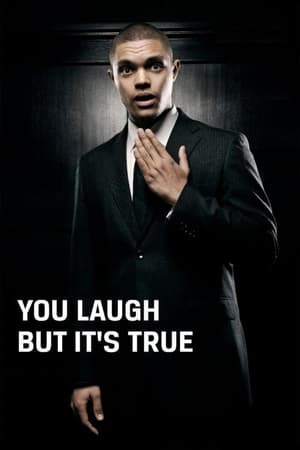
Trevor Noah: You Laugh But It's True(en)
In the world of stand-up comedy in South Africa, Trevor Noah uses his childhood experiences in a biracial family during apartheid to prepare for his first one-man show.
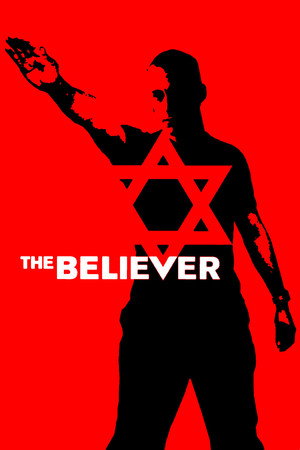
The Believer(en)
A hardcore US racist skinhead who, because of his intelligence, leads a gang dedicated to fighting the enemy: the supposed American-Jewish conspiracy for domination. However, he's hiding a secret: he's Jewish-born, a brilliant scholar whose questioning of the tenets of his faith has left him angry and confused, turning against those who he thinks have a tragic history of their own making.
Driving Miss Daisy(en)
The story of an old Jewish widow named Daisy Werthan and her relationship with her black chauffeur, Hoke. From an initial mere work relationship grew in 25 years a strong friendship between the two very different characters, in a time when those types of relationships were shunned.
Rustin(en)
Activist Bayard Rustin faces racism and homophobia as he helps change the course of Civil Rights history by orchestrating the 1963 March on Washington.