
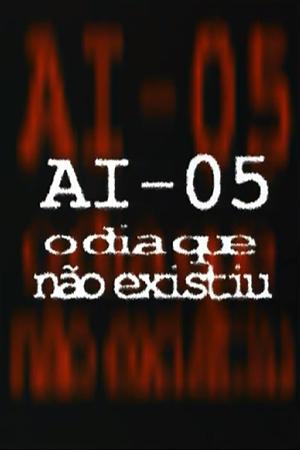
AI-5 - O Dia que Não Existiu(2001)
Documentary about a political episode during the Brazilian military dictatorship, which resulted in the issue of the Institutional Act #5 (AI-5), abolishing freedom of opinion in Brazil, and marking the transition to the toughest period of violation of human rights in the country. The episode was the Congress Assembly on December 12th, 1968, in which its members denied permission to punish congressman Márcio Moreira Alves, as was the Government's wish.

Movie: AI-5 - O Dia que Não Existiu
Top 10 Billed Cast

Márcio Moreira Alves

Júlia Steinbruch
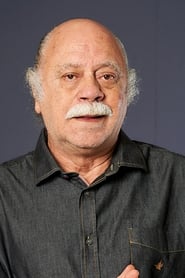
José Bonifácio
HomePage
Overview
Documentary about a political episode during the Brazilian military dictatorship, which resulted in the issue of the Institutional Act #5 (AI-5), abolishing freedom of opinion in Brazil, and marking the transition to the toughest period of violation of human rights in the country. The episode was the Congress Assembly on December 12th, 1968, in which its members denied permission to punish congressman Márcio Moreira Alves, as was the Government's wish.
Release Date
2001-03-26
Average
0
Rating:
0.0 startsTagline
Genres
Languages:
PortuguêsKeywords
Recommendations Movies

Twenty Years Later(pt)
Eduardo Coutinho was filming a movie with the same name in the Northeast of Brazil, in 1964, when there came the military coup. He had to interrupt the project, and came back to it in 1981, looking for the same places and people, showing what had ocurred since then, and trying to gather a family whose patriarch, a political leader fighting for rights of country people, had been murdered.
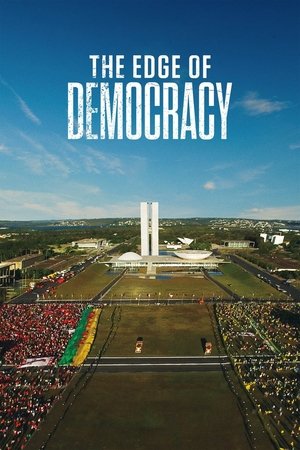
The Edge of Democracy(pt)
A cautionary tale for these times of democracy in crisis—the personal and political fuse to explore one of the most dramatic periods in Brazilian history. With unprecedented access to Presidents Dilma Rousseff and Lula da Silva, we witness their rise and fall and the tragically polarized nation that remains.
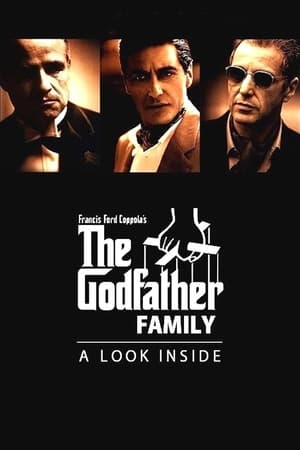
The Godfather Family: A Look Inside(en)
A documentary on the making of the three Godfather films, with interviews and recollections from the film makers and cast. This feature also includes the original screen tests of some of the actors for "The Godfather" film, and some candid moments on the set of "The Godfather: Part III."
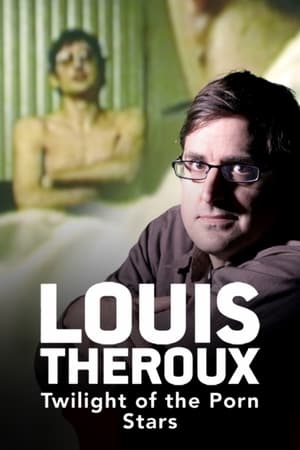
Louis Theroux: Twilight of the Porn Stars(en)
In 1997, Louis Theroux made a documentary about the world of male porn performers in Los Angeles. 15 years later, he returns to find a business struggling with the deluge of free porn on the internet. Louis revisits some of the original programme's contributors as well as meeting the latest crop of porn performers dreaming of porn stardom.

4 Little Girls(en)
On September 15, 1963, a bomb destroyed a black church in Birmingham, Alabama, killing four young girls who were there for Sunday school. It was a crime that shocked the nation--and a defining moment in the history of the civil-rights movement. Spike Lee re-examines the full story of the bombing, including a revealing interview with former Alabama Governor George Wallace.
Wormwood(en)
In this genre-bending tale, Errol Morris explores the mysterious death of a U.S. scientist entangled in a secret Cold War program known as MK-Ultra.
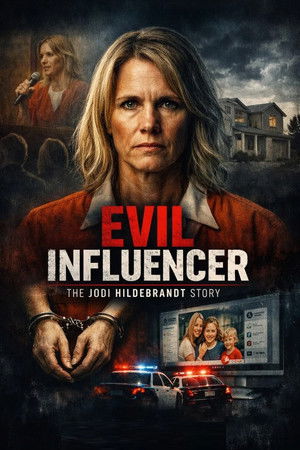
Evil Influencer: The Jodi Hildebrandt Story(en)
Unravel the case of Utah therapist Jodi Hildebrandt, whose child abuse arrest with parenting YouTuber Ruby Franke exposed a twisted tale of manipulation.

Girl in the Box(en)
The true story of 20-year-old Colleen Stan, a hitchhiking woman abducted by a young couple and held captive for seven years, during which time she's tortured and forced to live as a slave to her captors.

Comedy Central Roast of Pamela Anderson(en)
Comedy Central's best roasters and stand up comedians take a whack at actor/model Pamela Anderson.
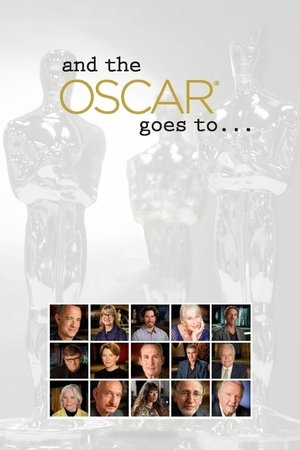
And the Oscar Goes To...(en)
The story of the gold-plated statuette that became the film industry's most coveted prize, AND THE OSCAR GOES TO... traces the history of the Academy itself, which began in 1927 when Louis B. Mayer, then head of MGM, led other prominent members of the industry in forming this professional honorary organization. Two years later the Academy began bestowing awards, which were nicknamed "Oscar," and quickly came to represent the pinnacle of cinematic achievement.

Comedy Central Roast of David Hasselhoff(en)
Time to hassle the Hoff at the rudest, raunchiest television event of the year--The Comedy Central Roast of David Hasselhoff. From running in slo-mo on the beach to inspiring Germany with the power of cheesy pop--it's almost too easy.
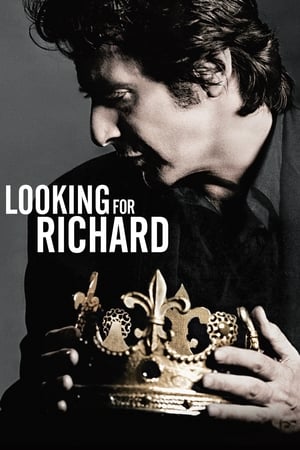
Looking for Richard(en)
Al Pacino's deeply-felt rumination on Shakespeare's significance and relevance to the modern world through interviews and an in-depth analysis of "Richard III."

Making The Witcher(en)
Journey into the extraordinary world of "The Witcher" — from casting the roles to Jaskier's catchy song — in this behind-the-scenes look at the series.

Jodi Arias: Dirty Little Secret(en)
True story based on Jodi Arias, a seductive 28-year-old aspiring photographer found guilty of killing her former lover, Travis Alexander, who was found nude in his home shower with a slit throat, 27 additional stab wounds and a bullet to the head. While investigating the violent killing, Mesa, Arizona police retrieved a digital camera from Alexander’s washing machine, revealing shocking images authorities claim Arias took during their sexual escapades, as well as during and after his murder. While Jodi pled not guilty and contends she killed Alexander in self-defense, police concluded that when he broke off their relationship, she stalked her ex-boyfriend and seduced him one final time before murdering him in cold blood. Her subsequent trial has been grand theater, dominating the cable news networks as she testified in her own defense and offered explicit insight into the sex, lies and obsession that led up to Alexander’s murder.
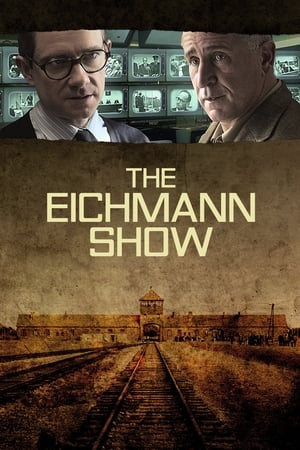
The Eichmann Show(en)
The behind-the-scenes true life story of a groundbreaking producer, Milton Fruchtman, and blacklisted TV director Leo Hurwitz who, overcoming enormous obstacles, set out to capture the testimony of one of the war's most notorious Nazis, Adolf Eichmann, who is accused of executing the 'final solution' and organising the murder of 6 million Jews. This is the extraordinary story of how the trial came to be televised and the team that made it happen.

I Am Elizabeth Smart(en)
The story of Elizabeth Smart's kidnapping and captivity, as told from her perspective.
South of the Border(en)
A road trip across five countries to explore the social and political movements as well as the mainstream media's misperception of South America while interviewing seven of its elected presidents.
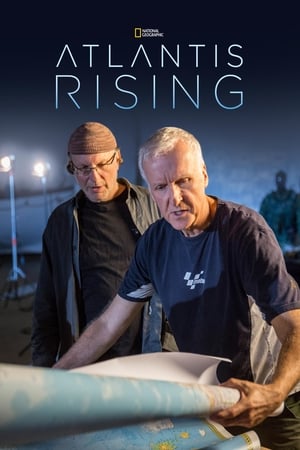
Atlantis Rising(en)
James Cameron and Simcha Jacobovici go on an adventure to find the lost city of Atlantis by using Greek philosopher Plato as a virtual treasure map.
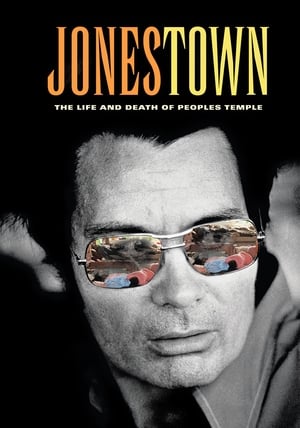
Jonestown: The Life and Death of Peoples Temple(en)
Featuring never-before-seen footage, this documentary delivers a startling new look at the Peoples Temple, headed by preacher Jim Jones who, in 1978, led more than 900 members to Guyana, where he orchestrated a mass suicide via tainted punch.

Def Comedy Jam 25(en)
In this special live event, giants of stand-up come together to commemorate the 25th anniversary of Russell Simmons's groundbreaking "Def Comedy Jam."
Similar Movies

Saludos Amigos(en)
A whimsical blend of live action and animation, "Saludos Amigos" is a colorful kaleidoscope of art, adventure and music set to a toe-tapping samba beat. From high Andes peaks and Argentina's pampas to the sights and sounds of Rio de Janeiro, your international traveling companions are none other than those famous funny friends, Donald Duck and Goofy. They keep things lively as Donald encounters a stubborn llama and "El Gaucho" Goofy tries on the cowboy way of life....South American-style.

The Scavengers(pt)
In this documentary Coutinho examines the plight of the people who live off the waste of the Brazilian cities. These people make their living by scavenging the immense urban garbage dumps searching for whatever they can find to sell as well as whatever they can find to eat.
Reparation(pt)
In 1968, Orlando Lovecchio was made victim of a guerilla's bomb terrorist attack, which main objective was to fight against the Military Regime. Orlando lost one leg after the world-reckoned attack against the U.S. Consulate in Sao Paulo.
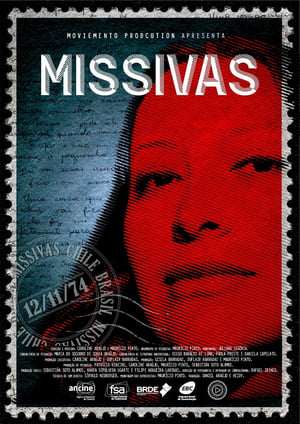
Missivas(pt)
The Documentary tells the story of Jane Vanini from the author's reflections on her militancy-building process. Starting with the meeting of the two during the “Jornadas de 2013”, we will look at Jane's path as we follow steps, from her hometown, Cáceres, to Concepcion, in Chile. It is the possibility of discussing this journey from a personal point of view that makes this project unique and takes us to social, political and human borders. This window is opened to us through Jane's 41 letters to her family, allowing us to glimpse nuances of her intimacy and militancy choices. It was while researching Jane's militancy that the author debated these reflections on his own militant career and the context in which it takes place. Telling Jane's trajectory, going through her family and religious formation and its implications for her activism was one of the moments of encounter between these two days.
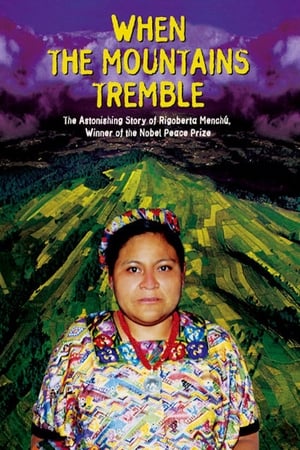
When the Mountains Tremble(es)
A documentary on the war between the Guatemalan military and the Mayan population, with first hand accounts by Nobel Peace Prize winner Rigoberta Menchú.
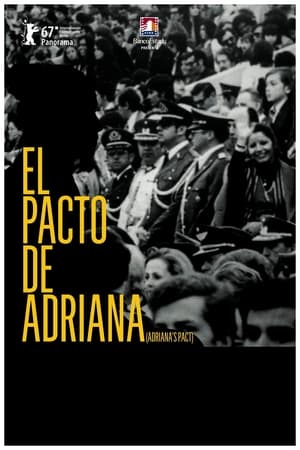
Adriana's Pact(es)
Lissette's favorite aunt Adriana, who lives in Australia, is arrested in 2007 while visiting her family in Chile and accused of having worked for dictator Pinochet's notorious secret police, the DINA, and of having participated in the commission of state crimes. When Adriana denies these accusations, Lissette begins to investigate her story in order to film a documentary about her.
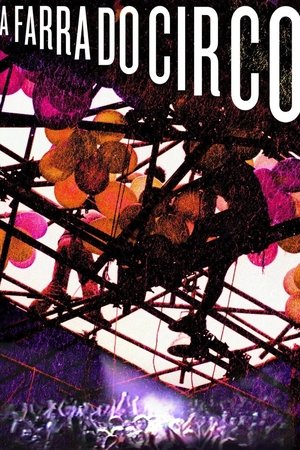
A Farra do Circo(pt)
This documentary highlights the evolution of Brazil's Circo Voador venue from homespun artists' performance space to national cultural institution.

We Feed the World(de)
A documentary that exposes the shocking truths behind industrial food production and food wastage, focusing on fishing, livestock and crop farming. A must-see for anyone interested in the true cost of the food on their plate.
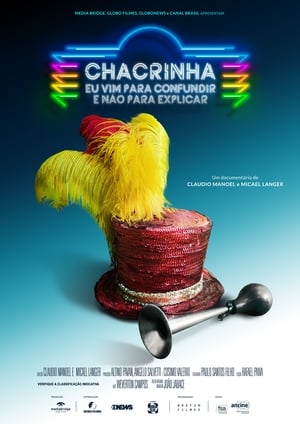
Chacrinha: Eu Vim para Confundir e Não para Explicar(pt)
Chacrinha's legacy on TV and excerpts from his personal life are revealed through testimonials and archive images, which tell the story behind the cameras, the behind the scenes that consolidated a new way of communicating Brazil and the facets of a man who is one of the most interesting contemporary characters on the national cultural scene.

Where Are You, João Gilberto?(de)
Where are you, João Gilberto? sets out in the footsteps of German writer Marc Fischer who obsessively searched for the legendary founding father of Bossa Nova and last great musical legend of our time, Brazilian musician João Gilberto, who has not been seen in public for decades. Fischer described his journey in a book, Hobalala, but committed suicide one week before it was published. By taking up Marc Fischer's quest, following his steps one by one, thanks to all the clues he left us, we pursue João Gilberto to understand the history, the very soul and essence of Bossa Nova. But who can tell whether we will meet him or not?
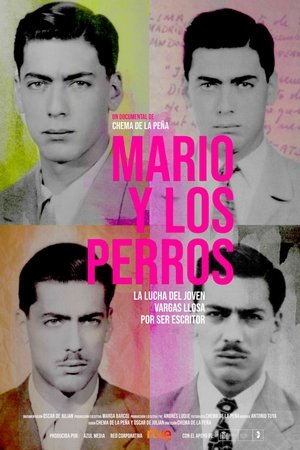
Mario y los perros(es)
An account of the childhood and youth of the Peruvian writer Mario Vargas Llosa, Nobel Prize for Literature in 2010, and how the hard experiences he lived during these formative years led him to write and publish his first major work when he was only 26 years old.
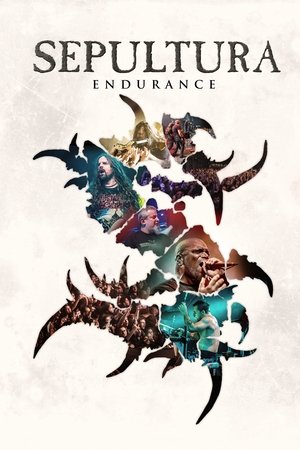
Sepultura Endurance(pt)
The long awaited documentary about Sepultura's incredible journey from Brazil to the world.

Here Come the Brides(pt)
A personal documentary about gay marriage in Brazil that focuses on the filmmaker Fábia Sartori Fuzeti, who opens the film by proposing to her partner Gabriela Torrezani. The movie follows their footsteps from that moment until their big day. At the same time, it explores the lives various gay and lesbian couples that got tied the knot since the Brazilian Supreme Court legalised gay marriage in June 2011.
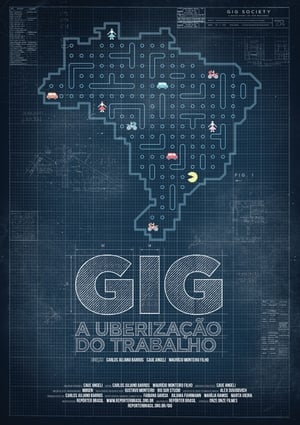
GIG - A Uberização do Trabalho(pt)
The work mediated by digital apps and platforms is growing worldwide. But the advance of the “gig economy”, called in Brazil “uberization”, has aroused debates about the precariousness and intensification of work.
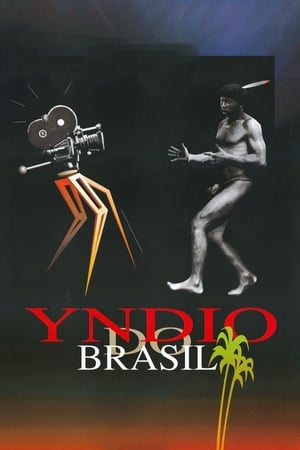
Our Indians(pt)
Yndio do Brasil is a collage of hundreds of Brazilian films and films from other countries - features, newsreels and documentaries - that show how the film industry has seen and heard Brazilian indigenous peoples since they were filmed in 1912 for the first time: idealised and prejudiced, religious and militaristic, cruel and magic.
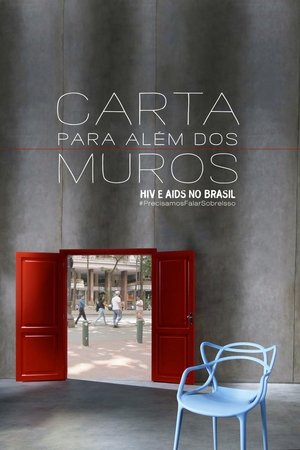
Letter Beyond the Walls(pt)
Letter Beyond the Walls reconstructs the trajectory of HIV and AIDS with a focus on Brazil, through interviews with doctors, activists, patients and other actors, in addition to extensive archival material. From the initial panic to awareness campaigns, passing through the stigma imposed on people living with HIV, the documentary shows how society faced this epidemic in its deadliest phase over more than two decades. With this historical approach as its base, the film looks at the way HIV is viewed in today's society, revealing a picture of persistent misinformation and prejudice, which especially affects Brazil’s most historically vulnerable populations.

Inês(pt)
Triggered by congressman Jair Bolsonaro’s homage to the torturer Carlos Alberto Brilhante Ustra, during president Dilma Rousseff’s impeachment hearing in 2016, Inês, a 70 year-old actress, starts a fragmented narrative of her own history, transforming the memories of her youth as an artist and guerrilla fighter during the military dictatorship into performances. Using as a starting point her participation in Teatro Oficina's 1967 production of the play "King of The Candle", by Oswald de Andrade, Inês creates a manifesto in defense of art's political strength, intertwined with memories of lost love and resistance.
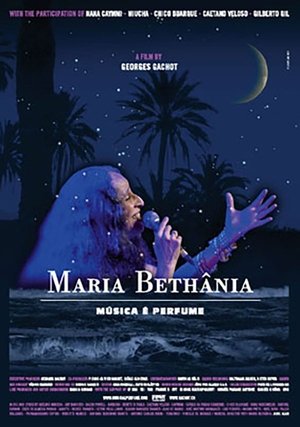
Maria Bethânia: Música é Perfume(pt)
Brazilian singer Maria Bethania has a 40-year singing career. A documentary shows her concerts and famous family.
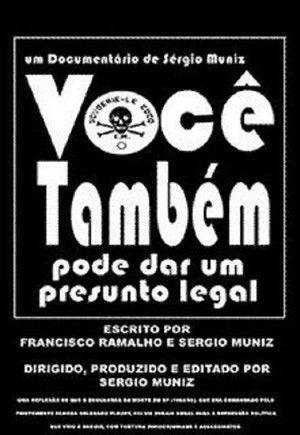
Você Também Pode Dar um Presunto Legal(pt)
Amid the civil-military dictatorship implanted with the 1964 coup, Sergio Muniz had the idea of making a documentary about the action of the Death Squad. At the time, the press still had some freedom to disseminate the work of these death squads formed by police officers of various ranks, and that he acted on the outskirts of cities like Sao Paulo and Rio de Janeiro. The victims of police repression (as today) were men, poor and black, and this condition is supposed criminals.