Loading Page
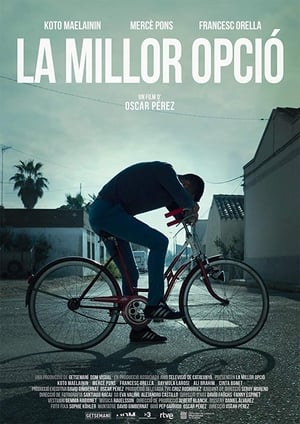
The Best Option(2016)
Status: Released
Date: 2016-12-02
0%
0 Votes
Time: 1h 23m
Overview:
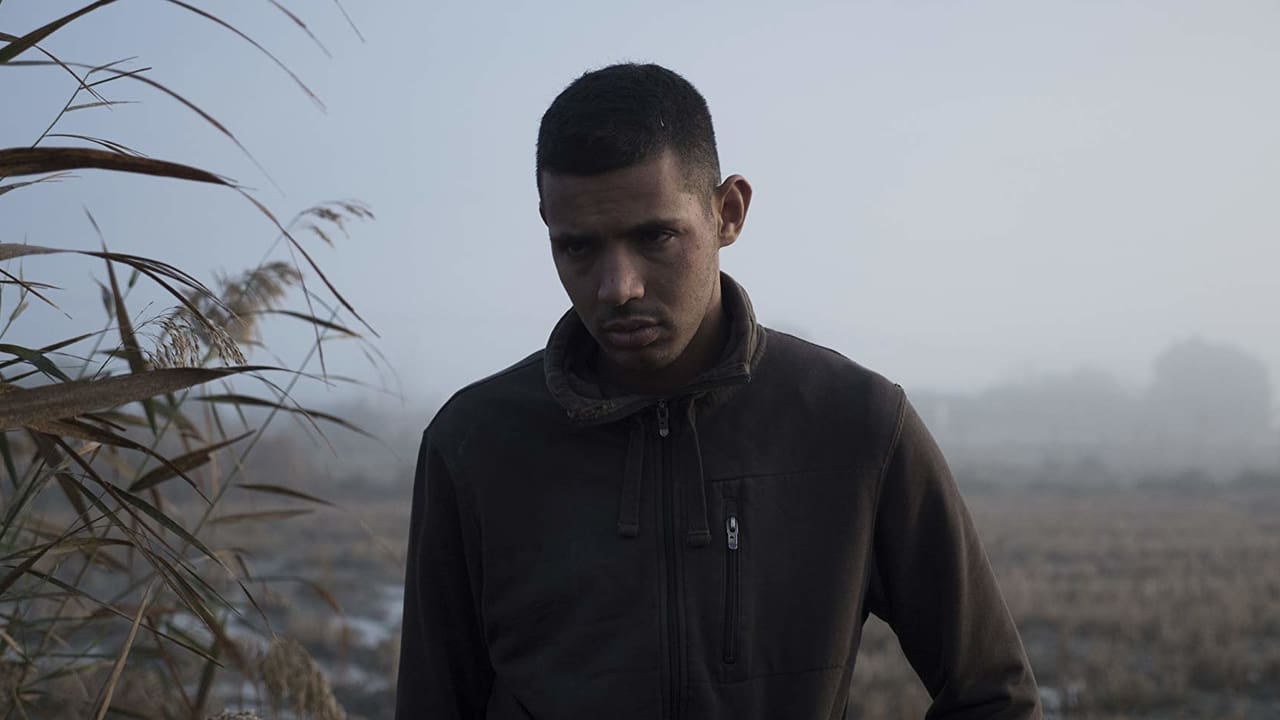
Koto is a restless and impulsive young African, born in a refugee camp. His life in Catalonia among the paddy fields of the Delta passes by with few changes, always under the protection of his foster parents. He has left behind the tough childhood he had in the Saharan refugee camp where he was born. One day life takes a sudden turn: the doctors tell him that he urgently needs a kidney transplant. The best choice as a possible donor would be his biological mother. The sudden arrival of his Saharan family is a shock for Koto, who watches as the life he has been living for the past 10 years falls apart around him. Far removed from the beliefs and customs of his people, the young man must deal with his origins to try to save his own life. The film is based on a real story and played by Koto himself.
Languages: Catalan.
Countries:
Spain
Movie: The Best Option
Top 10 Billed Cast

Mercè Pons
Cinta
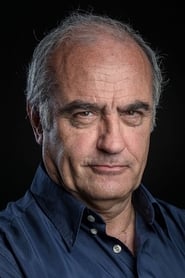
Francesc Orella
Antonio
HomePage
Overview
Koto is a restless and impulsive young African, born in a refugee camp. His life in Catalonia among the paddy fields of the Delta passes by with few changes, always under the protection of his foster parents. He has left behind the tough childhood he had in the Saharan refugee camp where he was born. One day life takes a sudden turn: the doctors tell him that he urgently needs a kidney transplant. The best choice as a possible donor would be his biological mother. The sudden arrival of his Saharan family is a shock for Koto, who watches as the life he has been living for the past 10 years falls apart around him. Far removed from the beliefs and customs of his people, the young man must deal with his origins to try to save his own life. The film is based on a real story and played by Koto himself.
Release Date
2016-12-02
Average
0
Rating:
0.0 startsTagline
Genres
Languages:
CatalàKeywords
Recommendations Movies
69%
Human Flow(en)
2017-10-02
More than 65 million people around the world have been forced from their homes to escape famine, climate change and war, the greatest displacement since World War II. Filmmaker Ai Weiwei examines the staggering scale of the refugee crisis and its profoundly personal human impact. Over the course of one year in 23 countries, Weiwei follows a chain of urgent human stories that stretch across the globe, including Afghanistan, France, Greece, Germany and Iraq.
72%
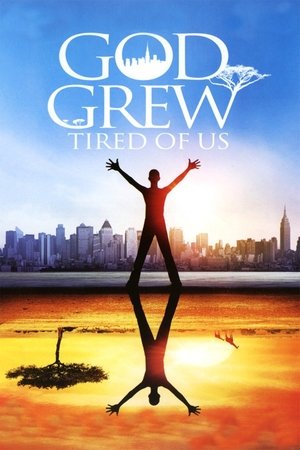
God Grew Tired of Us(en)
2006-12-31
Filmmaker Christopher Quinn observes the ordeal of three Sudanese refugees -- Jon Bul Dau, Daniel Abul Pach and Panther Bior -- as they try to come to terms with the horrors they experienced in their homeland, while adjusting to their new lives in the United States.
72%
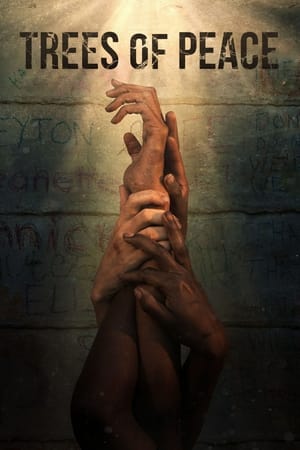
Trees of Peace(en)
2021-04-01
Four women from different backgrounds forge an unbreakable sisterhood while trapped and in hiding during the genocide in Rwanda.
71%
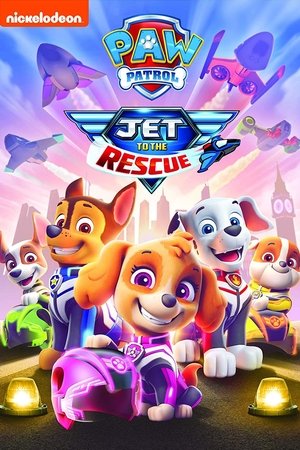
PAW Patrol: Jet to the Rescue(en)
2020-09-10
A royal relative steals a gem with the power to make things fly, the Paw Patrol takes to the skies to stop him and save Barkingburg.
72%
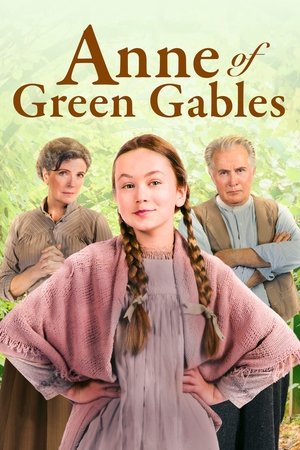
Anne of Green Gables(en)
2016-02-15
A retelling of L.M. Montgomery's story of Anne Shirley, an orphan who is accidentally sent to a couple looking to adopt a boy instead.

63%
Coming 2 America(en)
2021-03-04
Prince Akeem Joffer is set to become King of Zamunda when he discovers he has a son he never knew about in America – a street savvy Queens native named Lavelle. Honoring his royal father's dying wish to groom this son as the crown prince, Akeem and Semmi set off to America once again.

73%
Faith Like Potatoes(en)
2006-10-27
Frank Rautenbach leads a strong cast as Angus Buchan, a Zambian farmer of Scottish heritage, who leaves his farm in the midst of political unrest and racially charged land reclaims and travels south with his family to start a better life in KwaZulu Natal,South Africa.
73%
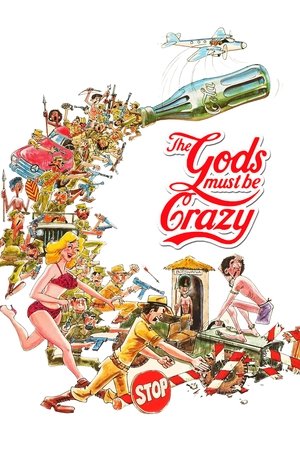
The Gods Must Be Crazy(en)
1980-09-10
A Coca-Cola bottle dropped from an airplane raises havoc among a normally peaceful tribe of African bushmen who believe it to be a utensil of the gods.

68%
Spirit Riding Free: Spirit of Christmas(en)
2019-12-06
Lucky and her friends venture into town on Christmas Eve in an attempt to fulfill their holiday plans. But when distractions lead to delays, they must figure out how to get home in time for Christmas in the middle of a serious snowstorm!

71%
Barbie & Her Sisters in the Great Puppy Adventure(en)
2015-10-07
Barbie and her sisters, Skipper, Stacie and Chelsea, and their adorable new puppy friends find unexpected mystery and adventure when they return to their hometown of Willows. While going through mementos in Grandma's attic, the sisters discover an old map, believed to lead to a long-lost treasure buried somewhere in the town. With their puppy pals in tow, the four girls go on an exciting treasure hunt, along the way discovering that the greatest treasure of all is the love and laughter they share as sisters!

69%
Barbie: Star Light Adventure(en)
2016-08-12
When Barbie, a cosmic princess with a hoverboard, learns that the brightly shining stars have begun to dim, she begins a rescue mission to save the galaxy.


67%
Barbie & Her Sisters in a Puppy Chase(en)
2016-10-04
Barbie and her sisters go to an island paradise for a dance competition, but they must work together as a team to find their pets after their furry friends go missing at a horse festival.

70%
The Sun Is Also a Star(en)
2019-05-16
Two young New Yorkers begin to fall in love over the course of a single day, as a series of potentially life-altering meetings loom over their heads - hers concerning her family’s deportation to Jamaica, and his concerning an education at Dartmouth.
74%
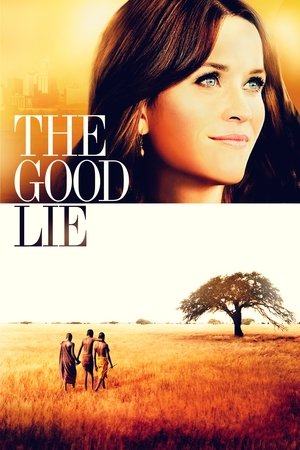
The Good Lie(en)
2014-09-10
A young refugee of the Sudanese Civil War who wins a lottery for relocation to the United States with three other lost boys. Encountering the modern world for the first time, they develop an unlikely friendship with a brash American woman assigned to help them, but the young man struggles to adjust to this new life and his feelings of guilt about the brother he left behind.

72%
House of Sand and Fog(en)
2003-12-19
Behrani, an Iranian immigrant buys a California bungalow, thinking he can fix it up, sell it again, and make enough money to send his son to college. However, the house is the legal property of former drug addict Kathy. After losing the house in an unfair legal dispute with the county, she is left with nowhere to go. Wanting her house back, she hires a lawyer and befriends a police officer. Neither Kathy nor Behrani have broken the law, so they find themselves involved in a difficult moral dilemma.


74%
Little Lord Fauntleroy(en)
1980-12-01
Young Cedric Errol and his widowed mother live in genteel poverty in 1880s Brooklyn after the death of his father. Cedric's grandfather, the Earl of Dorincourt, has long ago disowned his son for marrying an American. But after the death of the Earl's remaining son, he decides to accept Cedric as his heir.

62%
My Little Pony: The Movie(en)
1986-06-06
The first day of Spring is on its way and the Little Ponies are preparing for it with a big festival. But all the fun may come to an end if the witch Hydia has her way! Can the Ponies defeat Hydia and her evil daughters, Reeka and Draggle? More importantly, can they save Ponyland from the witches’ concoction, the strange purple goo called Smooze, that’s threatening to bury the whole town?
Similar Movies
0%
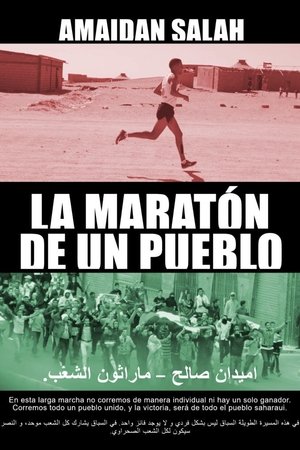
Amaidan Salah: the Saharawi marathon(es)
2020-01-01
A documentary about the situation of the saharawi people in the refugee camps of Tindouf through the life and participation in the 2019 Sahara Marathon of the saharawi athlete and political refugee Amaidan Salah. An amateur documentary made using only a cellphone.
53%
Wilaya(es)
2012-02-13
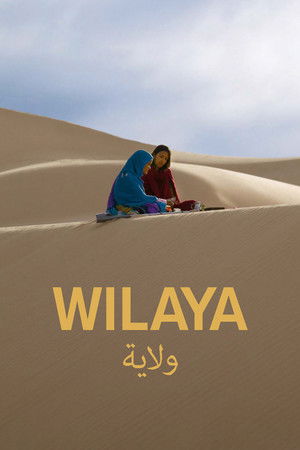
Fatimetu returns to the Wilaya of Smara for the funeral of her mother, after 16 years living in Spain. There she meets her brother Jatri, who is expecting his first child with Aichetu his wife, and her sister Hayat. Jatri tells her that she has inherited the family Khaimah and must care for her sister. Fatimetu reluctantly accepts the last will of her mother, though she is not sure how to take care of her sister as she can barely take care of herself.
20%
The time after the rain(es)
2023-05-28
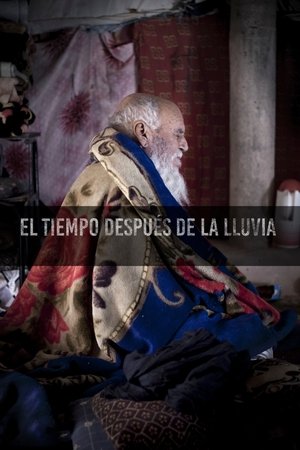
Young Mohamed Dih, who in Seville, returns to his birthplace – a refugee camp in Western Sahara. Time flows differently here: the times of the day are marked by calls to prayer and the seasons – by the rainfall. When a torrential downpour destroys his family’s home, the protagonist stays in the camp for longer to help to rebuild it.

65%
Sons of the Clouds: The Last Colony(es)
2012-05-18
The political upheaval in North Africa is responsibility of the Western powers —especially of the United States and France— due to the exercise of a foreign policy based on practical and economic interests instead of ethical and theoretical principles, essential for their international politic strategies, which have generated a great instability that causes chaos and violence, as occurs in Western Sahara, the last African colony according to the UN, a region on the brink of war.
0%
The Cubarawi women(es)
2005-01-01
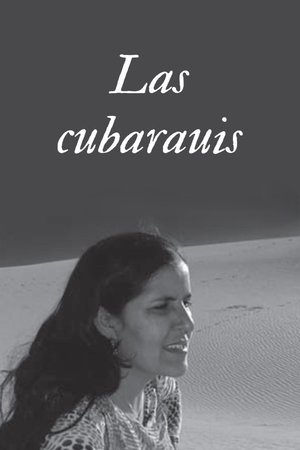
Muslim women who leave the camps as teenagers to study in Cuba. After over a decade living in the land of salsa, they return to the desert... how will their new spirit adapt to Islamic precepts? What reasons do they have for leaving Sahara at such a young age? What is their reason for returning?

0%
Running home(en)
2019-01-01
Inma (24) is determined to win a marathon in the Sahara Desert. But her motives run deeper than the physical challenge. A few months ago, she came across adoption papers that revealed the birthplace of her biological mother: Laayoune, Western Sahara. Having never heard of the country, she decides to train for an international marathon that takes place in the Sahrawi refugee camps in Northern Africa. It is the perfect opportunity for her to learn about a history she never faced growing up in Spain.
0%
Ali Salem, architect of resistance(es)
2008-01-01
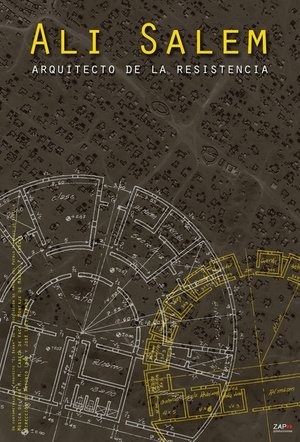
Ali Salem Hamudi Mohamed - Yahdih, was born in 1955 in El Aaiún (Western Sahara). He completed his secondary schooling in the "Spanish" Sahara. A scholarship allowed him to enrol at the Universidad de la Peninsula in 1975, but Morocco's invasion of the Sahara led him to return to the city of his birth and go into exile with his people, participating in the resistance and helping to organise the Tindouf Refugee Camps (Algeria). In 1980, the Polisario Front and the Government of Cuba offered him the opportunity to study Architecture at the University of Havana. On his return to the Camps in 1985 he worked for the SADR's Department of Construction. He designed more than twenty public buildings, including town halls, schools and nursery schools, and also collaborated with international aid organisations to build hospitals and training colleges. All of these buildings were built collectively by the Saharan people. ;In 1999 he emigrated to Spain. His family joined him five years later.

0%
The whisper of the wind(eu)
2020-09-10
Tahar is a 20-year-old Sahrawi man who lives in the Basque Country. However, his family continues to live in the Tindouf refugee camp. One day, he receives a call from there: his father is dying.
100%
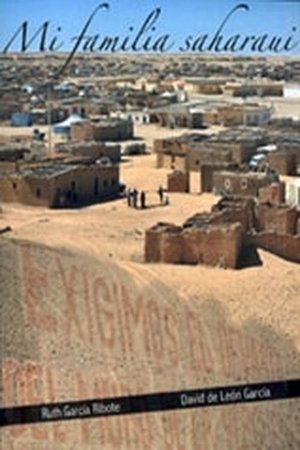
My Sahrawi family(es)
2014-12-22
My Sahrawi family' is a report - documentary that reflects the bonds of unity between Sahrawi families and Spanish families who every summer welcome minors from refugee camps into their homes.
0%
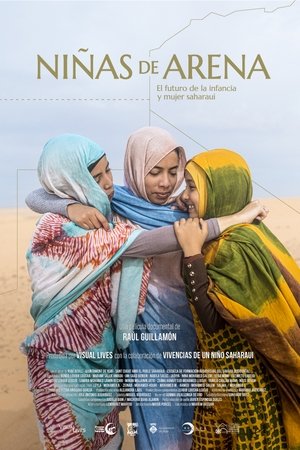
Daughters of sand(es)
2023-01-01
Benda, a young Sahrawi woman in the diaspora wonders about the future of her people's children and women. We accompany her on an emotional journey to the refugee camps to see the more human face of the conflict. The film leaves the political as a mere context to focus on the dreams and drama of a people determined in their struggle to return home.
0%
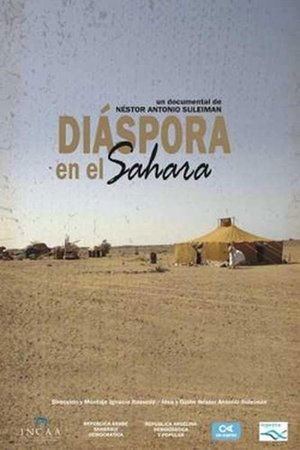
Diaspora in the Sahara(es)
2018-01-01
Testimonies of a people enlisted on the path of independence. Records taken at refugee camps in Tindouf (Sahara Desert in southern Algeria) and Bir Lehlu (region liberated by the Polisario Front)
0%
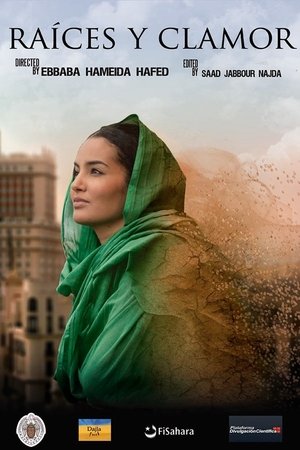
Roots and clamor(es)
2014-01-01
Their desert was not the same since they last saw it. The dunes kept memories of a childhood bathed in sun and sand, when minutes passed by in a stalling time. It has been long since they moved to the city, in search of a better future. They left, switching their tents for high buildings in busy boulevards, bearing in mind their responsibility towards their society. Each step marked by the commitment to make of their training the future of their people. It is the outcry of souls deep-rooted in tradition, in culture, in the stories of their sand. The desert was not the same, it may have never been. This documental show how they left to change it.
0%
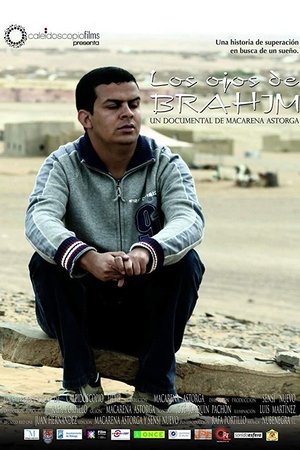
Brahim's eyes(es)
2011-01-01
Brahim Mohamed Fadel is a young Sahrawi boy, blind since birth, who studies at the University of Málaga. A life full of difficulties, overcome thanks to his extraordinary spirit of overcoming. A film for reflecting, learning and feeling.
0%
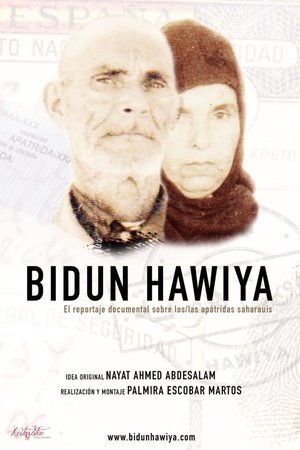
Bidun Hawiya(es)
2017-01-01
Bidun Hawiya is a documentary short film that intends to make society reflect on the Sahrawi people’s loss of identity, as they are forced to obtain a document in order to have access to certain essential rights. Not only does the Spanish government make the entry of a population that used to be Spanish very difficult, but it also intends to use these peoples’ identity to bury a situation that has been uncomfortable for them for 41 years, thus solving a problem that won’t be fixed until it has disappeared.
0%
I certainly don't know(es)
2023-01-01
Ahmed is one of the stateless changemakers working with ENS to improve protection for stateless refugees.
0%
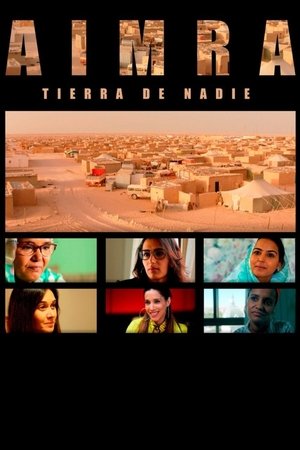
AIMRA, no man's land(es)
2022-01-01
Western Sahara is a country full of stories. We chose to focus on the Sahrawi women living in Spain, where they have taken up careers in different areas: doctors, nurses, teachers, artists, lawyers, writers. We coexist with them. Some are Muslim, others have strayed away from their original culture, although they remain persistent on defending the most ancestral parts of their traditions. It is a gaze through the exiled Sahrawi woman’s eyes.