
Good Morning, Michelangelo(1968)
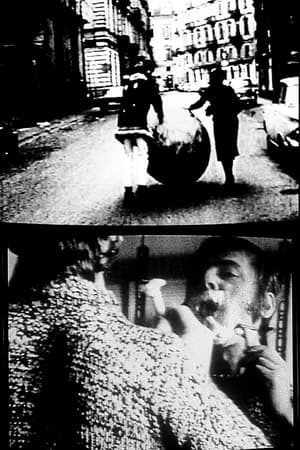
The film challenges the aura of the artwork, pushing it towards performance in urban space. During the exhibition Con-temp-l’azione (1967–68), at the three galleries Stein, Sperone and Il punto, two works by Michelangelo Pistoletto are taken out into the street. The film marks the beginning of a more militant and performative phase in Pistoletto’s career, opening up possible references to Situationism, Fluxus and nouveau réalisme. The film starts with Pistoletto shaving in front of one of his ‘mirrors’: the codes of everyday life and advertising burst into the scene. The large ball of newspapers roams Turin in a convertible automobile. The music of The Beatles accompanies the exploration of different filming and editing techniques. Intense, amused and brilliant, Buongiorno Michelangelo suggests a performative, cooperative and perhaps also playful aspect of the attitude of this short and intense period. —Tate Modern
Movie: Good Morning, Michelangelo
Top 9 Billed Cast
HomePage
Overview
The film challenges the aura of the artwork, pushing it towards performance in urban space. During the exhibition Con-temp-l’azione (1967–68), at the three galleries Stein, Sperone and Il punto, two works by Michelangelo Pistoletto are taken out into the street. The film marks the beginning of a more militant and performative phase in Pistoletto’s career, opening up possible references to Situationism, Fluxus and nouveau réalisme. The film starts with Pistoletto shaving in front of one of his ‘mirrors’: the codes of everyday life and advertising burst into the scene. The large ball of newspapers roams Turin in a convertible automobile. The music of The Beatles accompanies the exploration of different filming and editing techniques. Intense, amused and brilliant, Buongiorno Michelangelo suggests a performative, cooperative and perhaps also playful aspect of the attitude of this short and intense period. —Tate Modern
Release Date
1968-03-12
Average
0
Rating:
0.0 startsTagline
Genres
Languages:
Recommendations Movies

Il Sorpasso(it)
Roberto, a shy law student in Rome, meets Bruno, a forty-year-old exuberant, capricious man, who takes him for a drive through the Roman and Tuscany countries in the summer. When their journey starts to blend into their daily lives though, the pair’s newfound friendship is tested.
Sweet Dreams(it)
Michele criticizes the film industry and its inhabitants, and is particularly embattled with a Neapolitan director making a musical about the 1968 student demonstrations. At the same time, Michele has a creative block and struggles to finish his film titled "Freud’s Mother." Nanni Moretti’s self-inquiry into filmmaking, political ennui, and men’s relations with their mothers.
Made in Italy(en)
A bohemian artist travels from London to Italy with his estranged son to sell the house they inherited from his late wife.
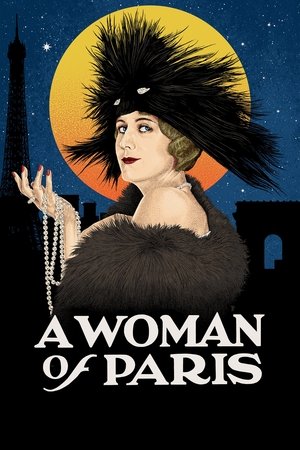
A Woman of Paris: A Drama of Fate(en)
When Marie St. Clair believes she has been jilted by her artist fiance Jean, she decides to leave for Paris on her own. After spending a year in the city as a mistress of the wealthy Pierre Revel, she is reunited with Jean by chance. This leaves her with the choice between a glamorous life in Paris, and the true love she left behind.
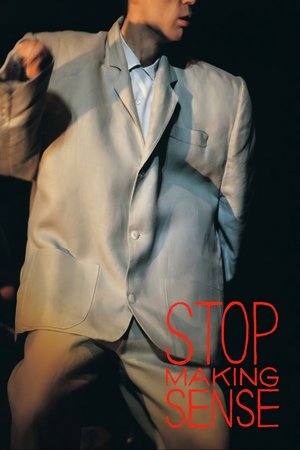
Stop Making Sense(en)
A concert film documenting Talking Heads at the height of their popularity, on tour for their 1983 album "Speaking in Tongues." The band takes the stage one by one and is joined by a cadre of guest musicians for a career-spanning and cinematic performance that features creative choreography and visuals.
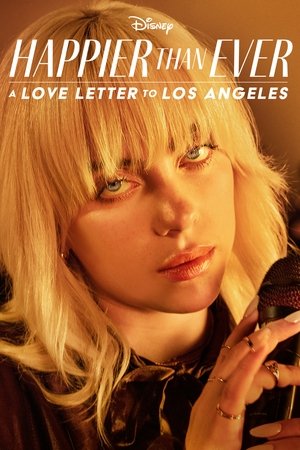
Happier Than Ever: A Love Letter to Los Angeles(en)
Fresh off the heels of her brand-new album, "Happier Than Ever," this cinematic concert experience features an intimate performance of every song in the album's sequential order – for the first and only time – from the stage of the legendary Hollywood Bowl.
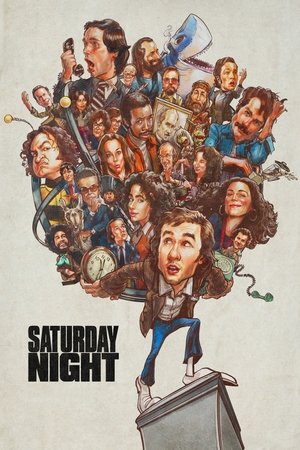
Saturday Night(en)
At 11:30pm on October 11, 1975, a ferocious troupe of young comedians and writers changed television forever. This is the story of what happened behind the scenes in the 90 minutes leading up to the first broadcast of Saturday Night Live.

Beautiful People(it)
Alfredo and Susanna are two well-off fifty-year-olds who lead a stimulating cultural life. He is an architect and she is a psychologist; they live in Rome but spend their weekends at their country home in Umbria, where they love to spend their days walking in the forests or relaxing poolside with a good book. One day, as she goes into town, Susanna sees a girl prostituting herself in the bushes on the side of the road and decides to save her from her unhappy existence, despite the enormous differences that separate their ways of life.
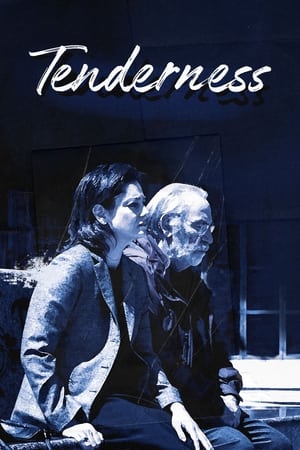
Tenderness(it)
Back from the hospital where he has been treated after a heart attack, Lorenzo is on his way upstairs to his top-floor apartment in Naples when he meets Michela. The charming young woman, who has just moved to the facing apartment, has forgotten her keys and finds herself locked out. Cynical and grumpy, the retired lawyer who has been living estranged from the rest of the world, should normally leave her to her fate but he mellows under her spontaneous charm. He helps her, becomes friends not only with her but with her husband Fabio and their two children. For once, the self-declared misanthropist seems to be experiencing the long forgotten feeling of empathy.
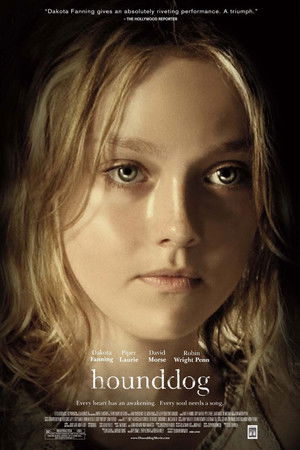
Hounddog(en)
A drama set in the American South, where a precocious, troubled girl finds a safe haven in the music and movement of Elvis Presley.

Loro 2(it)
"Loro", in two parts, is a period movie that chronicles, as a fiction story, events likely happened in Italy (or even made up) between 2006 and 2010. "Loro" wants to suggest in portraits and glimps, through a composite constellation of characters, a moment in history, now definitively ended, which can be described in a very summary picture of the events as amoral, decadent but extraordinarily alive. Additionally, "Loro" wishes to tell the story of some Italians, fresh and ancient people at the same time: souls from a modern imaginary Purgatory who, moved by heterogeneous intents like ambition, admiration, affection, curiosity, personal interests, establish to try and orbit around the walking Paradise that is the man named Silvio Berlusconi.
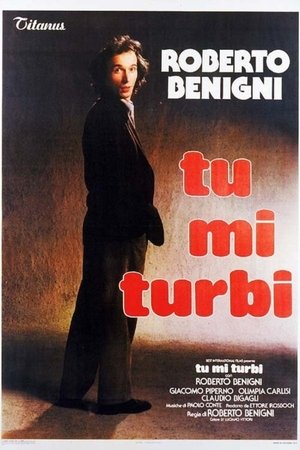
You Upset Me(it)
The first movie directed by Roberto Benigni in four surreal short stories: "Durante Cristo" (During Christ), "Angelo" (Angel), , "In Banca" (At the Bank) and "I Due Militi" (The Two Soldiers). An excursus in Benigni's satirical views on man, religion and society.
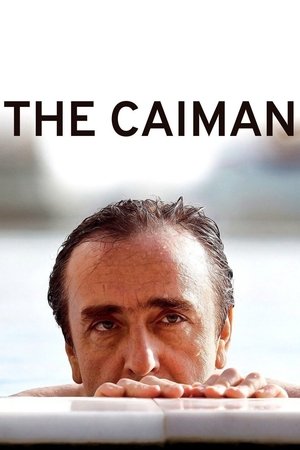
The Caiman(it)
Bruno Bonomo was a famous producer of B-movies in the ‘70s. After a long hiatus, Bonomo offers a screenplay to RAI centered on the figure of Italy’s prime minister and media tycoon Silvio Berlusconi, a subject so controversial that even the public television broadcaster refuses to produce it

National Theatre Live: Hamlet(en)
As a country arms itself for war, a family tears itself apart. Forced to avenge his father's death but paralyzed by the task ahead, Hamlet rages against the impossibility of his predicament, threatening both his sanity and the security of the state.
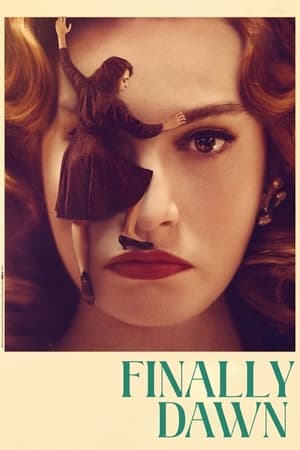
Finally Dawn(it)
A young Roman woman during the 1950s is on the verge of becoming engaged to a man. She goes to Cinecittà to do an audition as an extra and is thrust into this almost infinite night during which she discovers herself.
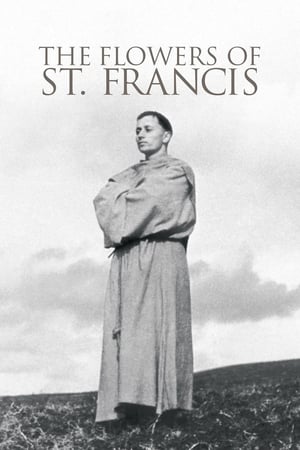
The Flowers of St. Francis(it)
In a series of simple and joyous vignettes, director Roberto Rossellini and co-writer Federico Fellini lovingly convey the universal teachings of the People’s Saint: humility, compassion, faith, and sacrifice. Gorgeously photographed to evoke the medieval paintings of Saint Francis’s time, and cast with monks from the Nocera Inferiore Monastery, The Flowers of St. Francis is a timeless and moving portrait of the search for spiritual enlightenment.
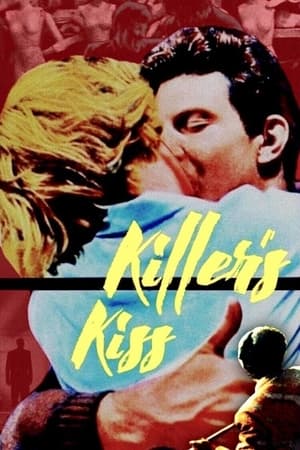
Killer's Kiss(en)
Davey Gordon, a New York City boxer at the end of his career, falls for dancer Gloria Price. However, their budding relationship is interrupted by Gloria's violent boss, Vincent Rapallo, who has eyes for Gloria. The two decide to skip town, but before they can, Vincent and his thugs abduct Gloria, and Davey is forced to search for her among the most squalid corners of the city, with his enemy hiding in the shadows.
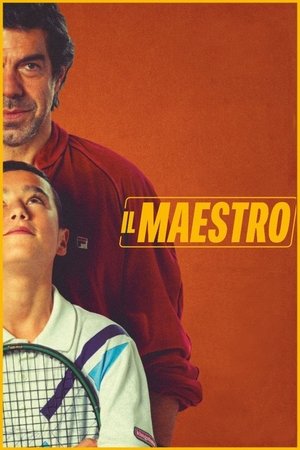
My Tennis Maestro(it)
Italy, 1989. After years of hard training, 13-year-old Felice, carrying his father's expectations on his shoulders, finally sets out to compete in the national tennis tournaments. While dreaming of a simple summer vacation, he's instead placed under the wing of ex tennis champion Raul, an unconventional coach hired by his father. Match after match, the two embark on a journey that will lead Felice to discover the taste of freedom, and Raul to glimpse the possibility of a fresh start. As they travel along the Italian coast, an unexpected, deep, and sincere bond between them develops.
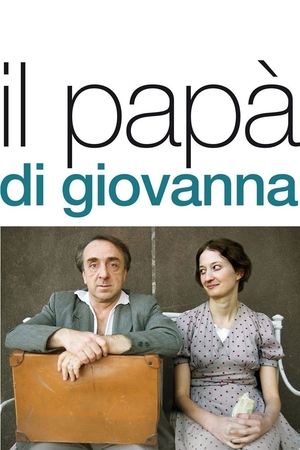
Giovanna's Father(it)
Michele Casali is a middle-class professor in Fascist Italy who teaches at the same high school attended by his only daughter, Giovanna. A shy and sensitive girl, her insecurities are only magnified by Michele's overprotectiveness—reaching a point of no return.
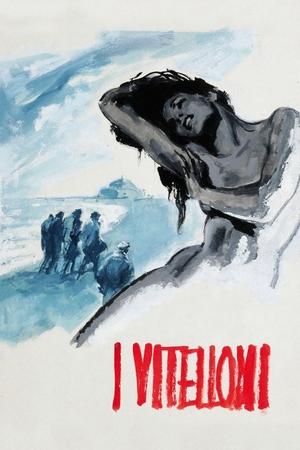
I Vitelloni(it)
Five young men dream of success as they drift lazily through life in a small Italian village. Fausto, the group's leader, is a womanizer; Riccardo craves fame; Alberto is a hopeless dreamer; Moraldo fantasizes about life in the city; and Leopoldo is an aspiring playwright. As Fausto chases a string of women, to the horror of his pregnant wife, the other four blunder their way from one uneventful experience to the next.