Loading Page


Motion Vision(1967)
Status: Released
Date: 1967-01-01
0%
0 Votes
Time: 0h 10m
Overview:
Motion Vision was originally screened in alternation with slides as part of the rotating installation Rotor Vision, in Rome in 1967 for the seminal group show at L’Attico entitled Fuoco, Immagine, Acqua, Terra with the participation of Mario Bignardi, Mario Ceroli, Piero Gilardi, Jannis Kounellis, Pino Pascali and Michelangelo Pistoletto. In Motion Vision Bignardi constructs a curious repertoire of animal profiles drawn in colour on paper, alternated with pop icons and a sequence of everyday gestures: from the tying of neckties the film passes to walking nude figures in slow motion, alluding to Muybridge and his chronophotography. —Tate Modern
Languages:
Countries:
Italy
Movie: Motion Vision
HomePage
Overview
Motion Vision was originally screened in alternation with slides as part of the rotating installation Rotor Vision, in Rome in 1967 for the seminal group show at L’Attico entitled Fuoco, Immagine, Acqua, Terra with the participation of Mario Bignardi, Mario Ceroli, Piero Gilardi, Jannis Kounellis, Pino Pascali and Michelangelo Pistoletto. In Motion Vision Bignardi constructs a curious repertoire of animal profiles drawn in colour on paper, alternated with pop icons and a sequence of everyday gestures: from the tying of neckties the film passes to walking nude figures in slow motion, alluding to Muybridge and his chronophotography. —Tate Modern
Release Date
1967-01-01
Average
0
Rating:
0.0 startsTagline
Genres
Languages:
Recommendations Movies

61%
Naqoyqatsi(en)
2002-09-02
A visual montage portrait of our contemporary world dominated by globalized technology and violence.
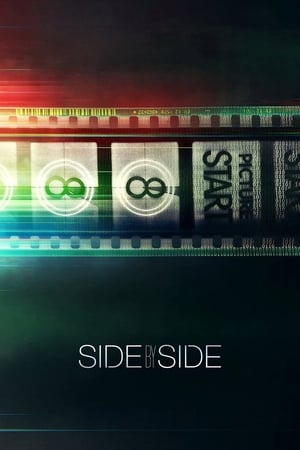
72%
Side by Side(en)
2012-08-19
Since the invention of cinema, the standard format for recording moving images has been film. Over the past two decades, a new form of digital filmmaking has emerged, creating a groundbreaking evolution in the medium. Keanu Reeves explores the development of cinema and the impact of digital filmmaking via in-depth interviews with Hollywood masters, such as James Cameron, David Fincher, David Lynch, Christopher Nolan, Martin Scorsese, George Lucas, Steven Soderbergh, and many more.
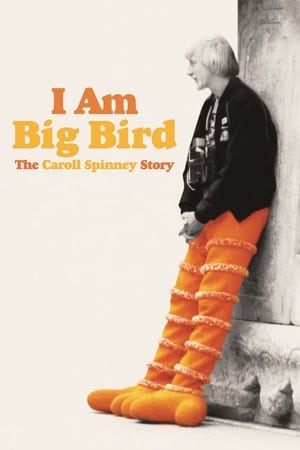
74%
I Am Big Bird: The Caroll Spinney Story(en)
2015-05-06
A documentary about Caroll Spinney who has been Sesame Street's Big Bird and Oscar the Grouch since 1969. At 78-years-old, he has no intention of stopping.
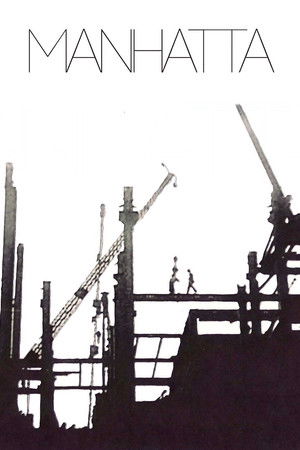
67%
Manhatta(en)
1921-01-01
Morning reveals New York harbor, the wharves, the Brooklyn Bridge. A ferry boat docks, disgorging its huddled mass. People move briskly along Wall St. or stroll more languorously through a cemetery. Ranks of skyscrapers extrude columns of smoke and steam. In plain view. Or framed, as through a balustrade. A crane promotes the city's upward progress, as an ironworker balances on a high beam. A locomotive in a railway yard prepares to depart, while an arriving ocean liner jostles with attentive tugboats. Fading sunlight is reflected in the waters of the harbor. The imagery is interspersed with quotations from Walt Whitman, who is left unnamed.
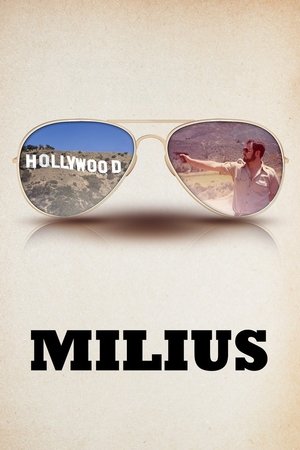
70%
Milius(en)
2013-03-09
The life story of ‘Zen Anarchist’ filmmaker John Milius, one of the most influential storytellers of his generation.
61%
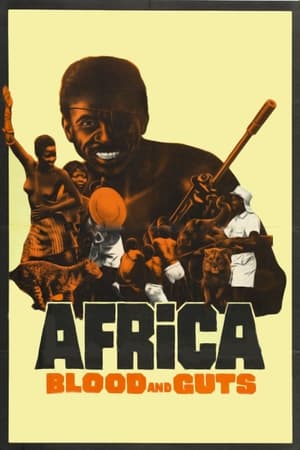
Africa Blood and Guts(it)
1966-02-11
A chronicle of the violence that occurred in much of the African continent throughout the 1960s. As many African countries were transitioning from colonial rule to other forms of government, violent political upheavals were frequent. Revolutions in Zanzibar and Kenya in which thousands were killed are shown, the violence not only political; there is also extensive footage of hunters and poachers slaughtering different types of wild animals.
75%
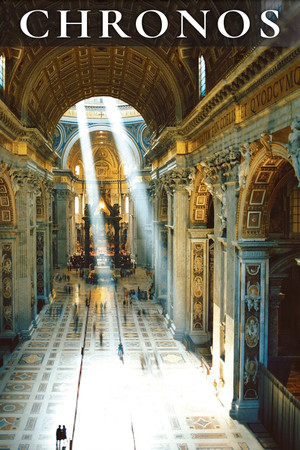
Chronos(en)
1985-05-10
Carefully picked scenes of nature and civilization are viewed at high speed using time-lapse cinematography in an effort to demonstrate the history of various regions.
70%
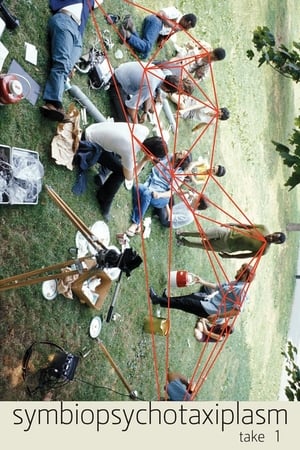
Symbiopsychotaxiplasm: Take One(en)
1968-10-28
In Manhattan's Central Park, a film crew directed by William Greaves is shooting a screen test with various pairs of actors. It's a confrontation between a couple: he demands to know what's wrong, she challenges his sexual orientation. Cameras shoot the exchange, and another camera records Greaves and his crew. Sometimes we watch the crew discussing this scene, its language, and the process of making a movie. Is there such a thing as natural language? Are all things related to sex? The camera records distractions - a woman rides horseback past them; a garrulous homeless vet who sleeps in the park chats them up. What's the nature of making a movie?
60%
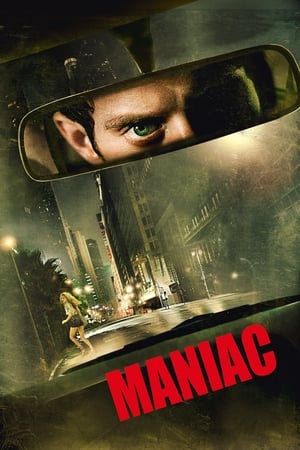
Maniac(en)
2012-12-26
As he helps a young artist with her upcoming exhibition, the owner of a mannequin shop's deadly, suppressed desires come to the surface.
71%
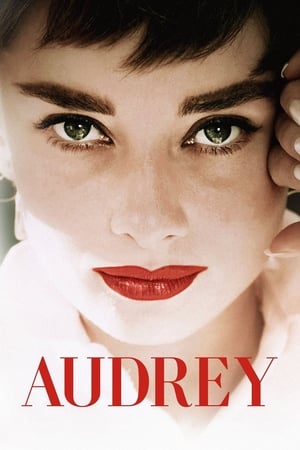
Audrey(en)
2020-11-30
An unprecedented and intimate look at the life, work and enduring legacy of British actress Audrey Hepburn (1929-1993).
75%
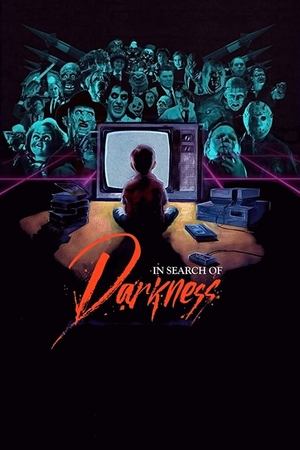
In Search of Darkness(en)
2019-05-01
An exploration of '80s horror movies through the perspective of the actors, directors, producers and SFX craftspeople who made them, and their impact on contemporary cinema.
68%
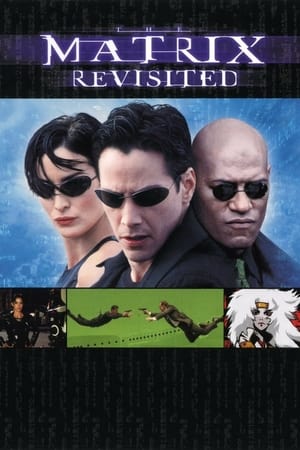
The Matrix Revisited(en)
2001-11-19
The film goes behind the scenes of the 1999 sci-fi movie The Matrix.
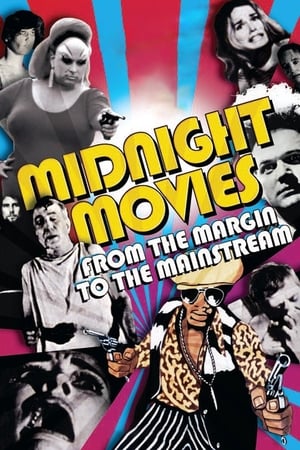
63%
Midnight Movies: From the Margin to the Mainstream(en)
2006-06-20
From 1970-1977, six low budget films shown at midnight transformed the way we make and watch films.
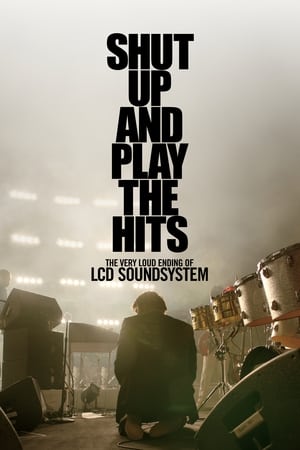
70%
Shut Up and Play the Hits(en)
2012-01-22
An intimate portrait of Brooklyn-based electronic rock band LCD Soundsystem's then-final live show on April 2, 2011, capturing both the exuberant, three-hour farewell concert at New York City's Madison Square Garden and frontman James Murphy's introspective 48 hours surrounding it.
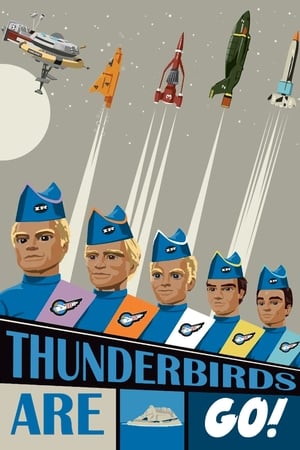
63%
Thunderbirds Are GO(en)
1966-12-15
When the launch of a mission to Mars goes awry due to sabotage, International Rescue is requested to assist in the mission's second attempt.
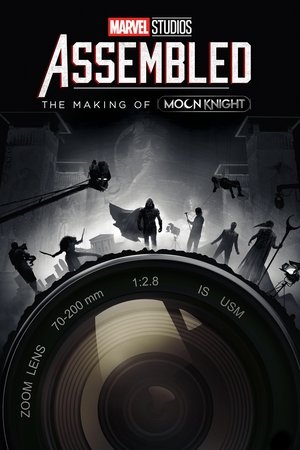
68%
Marvel Studios Assembled: The Making of Moon Knight(en)
2022-05-24
Join the likes of Oscar Isaac and Ethan Hawke as they reveal how Marvel Studios' Moon Knight was painstakingly brought to life. Through insightful interviews with cast and crew, along with immersive footage from the set, and a candid "roundtable discussion" with the series' directors, this "making-of" pulls back the curtain on the groundbreaking series of Marvel Studios' newest hero.
70%
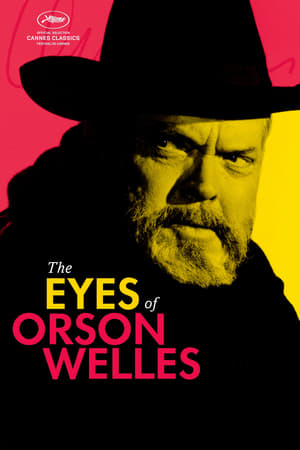
The Eyes of Orson Welles(en)
2018-08-17
A poetic journey into the visual world of the legendary filmmaker and actor Orson Welles (1915-85) that reveals a new portrait of a unique genius, both of his life and of his monumental work: through his own eyes, drawn by his own hand, painted with his own brush.
62%
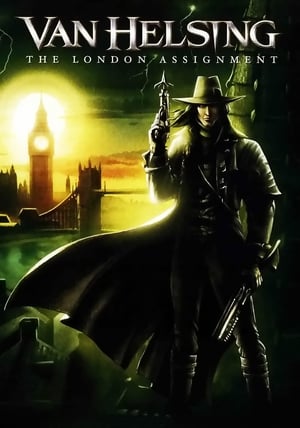
Van Helsing: The London Assignment(en)
2004-05-11
It tells of the events before the film, in which monster hunter Gabriel Van Helsing travels to London to investigate a series of horrific, and decidedly supernatural murders, being committed by the mad scientist Dr. Jekyll, in the form of his evil alter-ego, Mr. Hyde.
65%
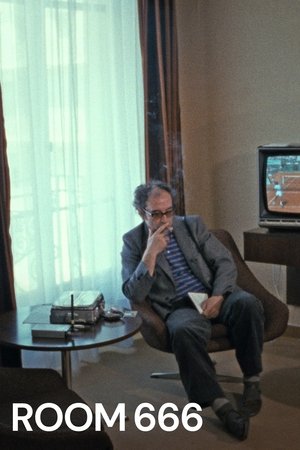
Room 666(en)
1982-06-02
During the 1982 Cannes Film Festival, Wim Wenders asked a number of global film directors to, one at a time, go into a hotel room, turn on the camera, and answer a simple question: "What is the future of cinema?"