Loading Page
The Dawn of Kaiju Eiga(2019)
Status: Released
Date: 2019-04-02
87%
9 Votes
Time: 0h 50m
The origins of Godzilla!
Overview:
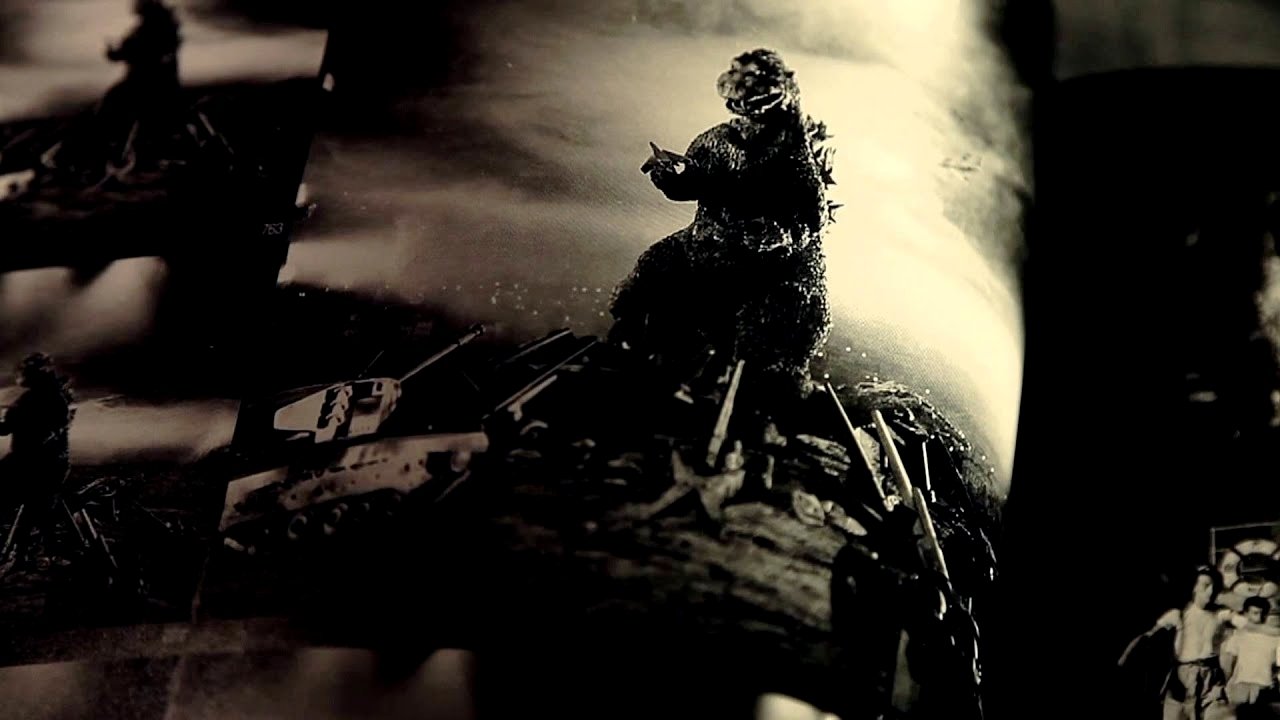
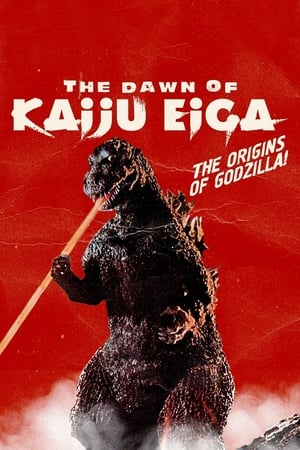
Japan, 1954. A legend emerges from the ashes of Hiroshima and Nagasaki, devastated by atomic bombs in 1945. The creature's name is Godzilla. The film that tells its story is the first of kaiju eiga, the giant monster movies.
Languages: English, French, Japanese, Spanish.
Countries:
Spain
ProductionCompanies:
451 Prods
Movie: The Dawn of Kaiju Eiga
Top 10 Billed Cast

宝田明
Self - Actor

中島春雄
Self - Suit Actor

薩摩剣八郎
Self - Suit Actor

金子修介
Self - Filmmaker

久保明
Self - Actor

小泉博
Self - Actor

大森一樹
Self - Filmmaker

川北紘一
Self - Filmmaker

手塚昌明
Self - Filmmaker
Video Trailer The Dawn of Kaiju Eiga
Video: Official Trailer

Official Trailer
Trailer
Loading Photos
Photo Type :Total items
Recommendations Movies
71%
Hiroshima(en)
2005-08-06
The documentary recounts the world's first nuclear attack and examines the alarming repercussions. Covering a three-week period from the Trinity test to the atomic bombing of Hiroshima, the program chronicles America's political gamble and the planning for the momentous event. Archival film, dramatizations, and special effects feature what occurred aboard the Enola Gay (the aircraft that dropped the bomb) and inside the exploding bomb.
70%
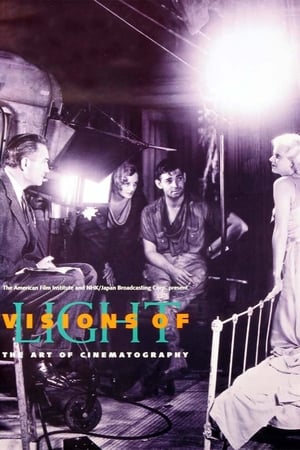
Visions of Light(en)
1992-09-17
Cameramen and women discuss the craft and art of cinematography and of the "DP" (the director of photography), illustrating their points with clips from 100 films, from Birth of a Nation to Do the Right Thing. Themes: the DP tells people where to look; changes in movies (the arrival of sound, color, and wide screens) required creative responses from DPs; and, these artisans constantly invent new equipment and try new things, with wonderful results. The narration takes us through the identifiable studio styles of the 30s, the emergence of noir, the New York look, and the impact of Europeans. Citizen Kane, The Conformist, and Gordon Willis get special attention.
68%
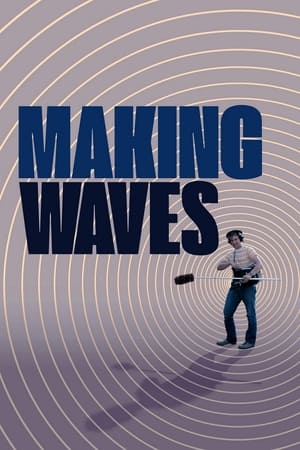
Making Waves: The Art of Cinematic Sound(en)
2019-10-25
The history of cinematic sound, told by legendary sound designers and visionary filmmakers.
61%
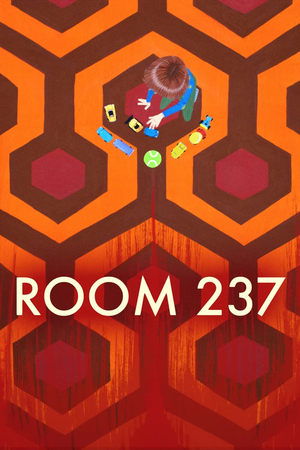
Room 237(en)
2012-10-26
A subjective documentary that explores various theories about hidden meanings in Stanley Kubrick's classic film The Shining. Five very different points of view are illuminated through voice over, film clips, animation and dramatic reenactments.
70%
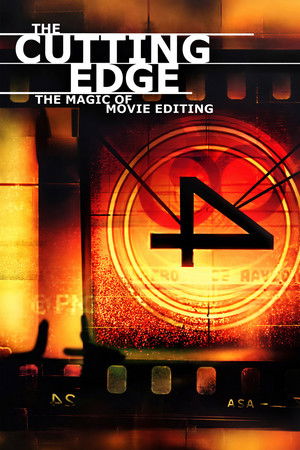
The Cutting Edge: The Magic of Movie Editing(en)
2004-10-12
Documentary about the art of film editing. Clips are shown from many groundbreaking films with innovative editing styles.

78%
The Skywalker Legacy(en)
2020-03-18
The story lives forever in this feature-length documentary that charts the making of Star Wars: The Rise of Skywalker.
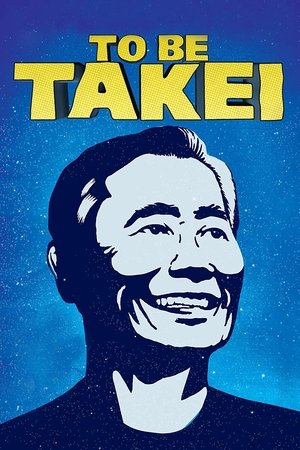
72%
To Be Takei(en)
2014-08-22
Over seven decades, actor and activist George Takei journeyed from a World War II internment camp to the helm of the Starship Enterprise, and then to the daily news feeds of five million Facebook fans. Join George and his husband, Brad, on a wacky and profound trek for life, liberty, and love.
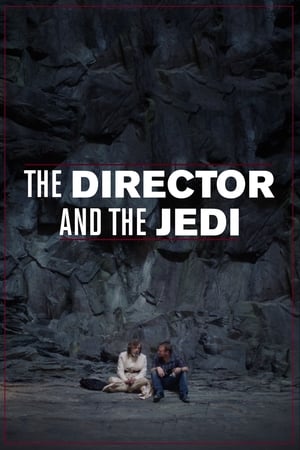
72%
The Director and the Jedi(en)
2018-03-12
An intimate documentary delving into Rian Johnson's process as he comes in as a director new to the Star Wars universe.
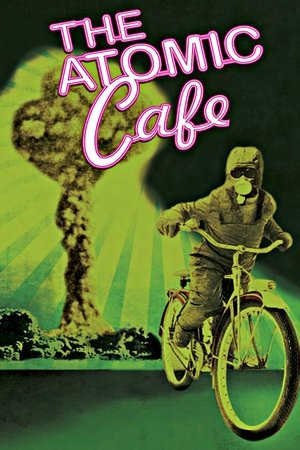
73%
The Atomic Cafe(en)
1982-03-17
A disturbing collection of 1940s and 1950s United States government-issued propaganda films designed to reassure Americans that the atomic bomb was not a threat to their safety.
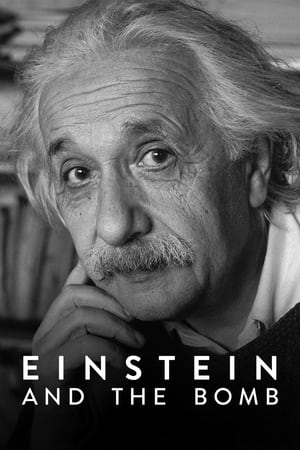
62%
Einstein and the Bomb(en)
2024-02-16
What happened after Einstein fled Nazi Germany? Using archival footage and his own words, this docudrama dives into the mind of a tortured genius.
77%
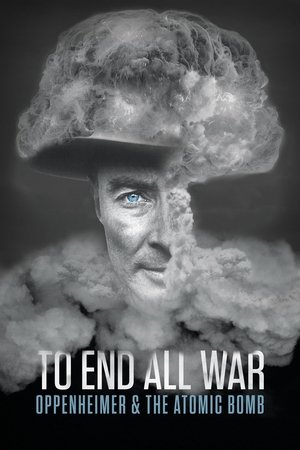
To End All War: Oppenheimer & the Atomic Bomb(en)
2023-07-09
Explore how one man's relentless drive and invention of the atomic bomb changed the nature of war forever, led to the deaths of hundreds of thousands of people and unleashed mass hysteria.
72%
Side by Side(en)
2012-08-19
Since the invention of cinema, the standard format for recording moving images has been film. Over the past two decades, a new form of digital filmmaking has emerged, creating a groundbreaking evolution in the medium. Keanu Reeves explores the development of cinema and the impact of digital filmmaking via in-depth interviews with Hollywood masters, such as James Cameron, David Fincher, David Lynch, Christopher Nolan, Martin Scorsese, George Lucas, Steven Soderbergh, and many more.
71%
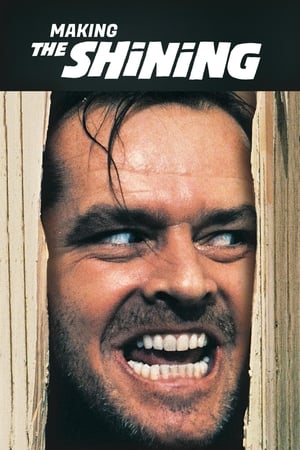
Making 'The Shining'(en)
1980-10-04
Directed and edited by Stanley Kubrick's daughter Vivian Kubrick, this film offers a look behind the scenes during the making of The Shining.
60%
Attack of the Hollywood Clichés!(en)
2021-09-27
One-man armies, meet-cutes, casual strolls away from huge explosions — stars and industry insiders toast and roast these cinematic chestnuts and more.

71%
In the Realms of the Unreal(en)
2004-01-15
In the Realms of the Unreal is a documentary about the reclusive Chicago-based artist Henry Darger. Henry Darger was so reclusive that when he died his neighbors were surprised to find a 15,145-page manuscript along with hundreds of paintings depicting The Story of the Vivian Girls, in What is Known as the Realms of the Unreal, of the Glodeco-Angelinnian War Storm, Cased by the Child Slave Rebellion.
71%
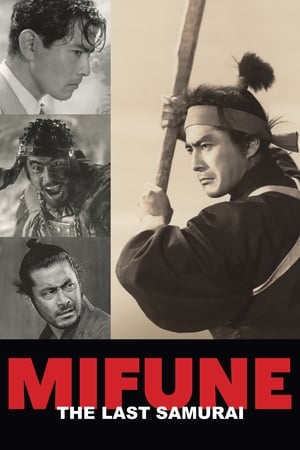
Mifune: The Last Samurai(en)
2016-12-02
An account of the life and work of legendary Japanese actor Toshirō Mifune (1920-97), the most prominent actor of the Golden Age of Japanese cinema.
67%
Cameraperson(en)
2016-09-09
As a visually radical memoir, CAMERAPERSON draws on the remarkable footage that filmmaker Kirsten Johnson has shot and reframes it in ways that illuminate moments and situations that have personally affected her. What emerges is an elegant meditation on the relationship between truth and the camera frame, as Johnson transforms scenes that have been presented on Festival screens as one kind of truth into another kind of story—one about personal journey, craft, and direct human connection.
66%
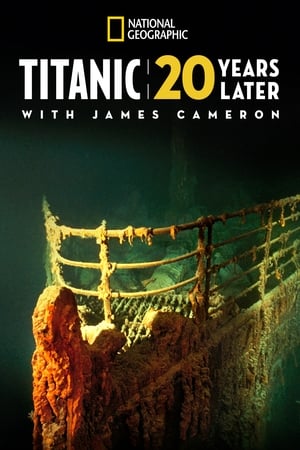
Titanic: 20 Years Later with James Cameron(en)
2017-11-26
For the 20th anniversary of "Titanic," James Cameron reopens the file on the disaster.
68%
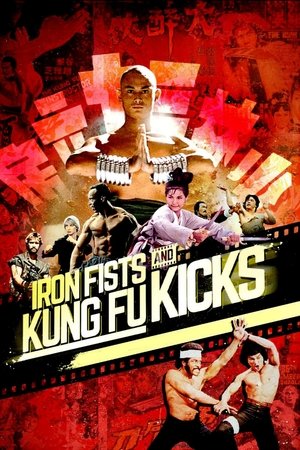
Iron Fists and Kung Fu Kicks(en)
2019-08-14
The fantastic story of how an ancient martial art, Chinese kung fu, conquered the world through the hundreds of films that were produced in Hong Kong over the decades, transformed Western action cinema and inspired the birth of cultural movements such as blaxploitation, hip hop music, parkour and Wakaliwood cinema.
78%
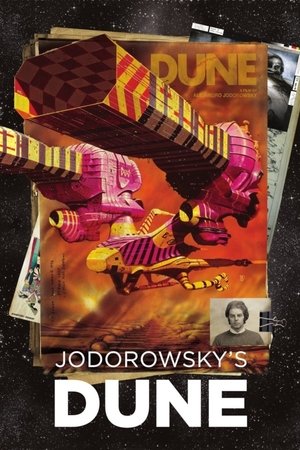
Jodorowsky's Dune(en)
2013-08-30
In 1974, Chilean-French director Alejandro Jodorowsky embarked on the quixotic project of adapting Frank Herbert's influential novel Dune (1969) for the big screen. After investing two years, and millions of dollars, the gigantic project ended in failure; but the artists Jodorowsky brought together to carry it out continued to work together, and ended up laying the foundations for modern science fiction cinema.
Similar Movies
65%
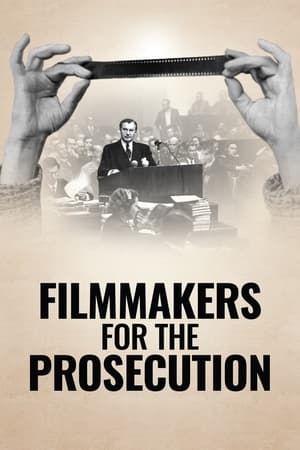
Filmmakers for the Prosecution(fr)
2023-01-27
In 1945, two young American soldiers, brothers Budd and Stuart Schulberg, are commissioned to collect filmed and recorded evidence of the horrors committed by the infamous Third Reich in order to prove Nazi war crimes during the Nuremberg trials (1945-46). The story of the making of Nuremberg: Its Lesson for Today, a paramount historic documentary, released in 1948.

60%
Die Liebe des Hans Albers(de)
2021-01-06
He is considered to be one of the greatest German film stars, Hans Albers, known as "Der blonde Hans", a man made for the cinema. He was an actor, singer, idol of the Germans - and darling of the Nazis. Nevertheless, he could not protect his great love, the Jewess Hansi Burg. In 1938 she had to flee to London from anti-Semitism in Germany. But Albers himself stayed in Germany and continued to film, driven by a desire for a career and the call of money. In 1946, one year after the end of the Second World War, they meet again: Hansi Burg returns to the land of the murderers of her parents in the uniform of the British Army and visits Hans Albers in his villa on Lake Starnberg. He lives there with another woman. The rival has to go, then there is a tense debate. For a day and a night, the blonde Hans has to face uncomfortable questions and even more uncomfortable truths.

82%
Aurora's Sunrise(hy)
2023-04-21
The story of how Aurora Mardiganian (1901-94), a survivor of the Armenian genocide perpetrated by the Ottoman Empire (1915-17), became a Hollywood silent film star.
60%
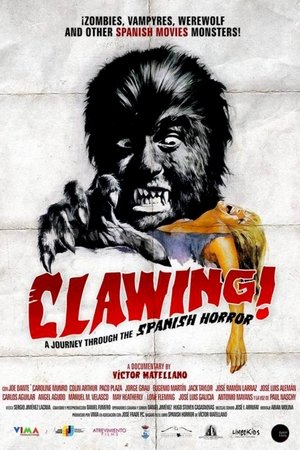
Clawing! A Journey Through the Spanish Horror(es)
2014-06-20
In the late sixties, Spanish cinema began to produce a huge amount of horror genre films: international markets were opened, the production was continuous, a small star-system was created, as well as a solid group of specialized directors. Although foreign trends were imitated, Spanish horror offered a particular approach to sex, blood and violence. It was an extremely unusual artistic movement in Franco's Spain.

0%
Akiko's Piano: Chords Played by the Surviving Piano(ja)
2020-08-15
1940, Kawamoto Akiko lives in Hiroshima with her father and mother, Genkichi and Shizuko, as well as her two younger brothers. Akiko loves playing her favourite piano. As the war situation worsens, she is busy helping out the war efforts. On the morning of August 6, 1945, she disobeys her father and heads into the centre of town for work. In Hiroshima 75 years later, her favourite piano remains, restored and playable following its survival of the atomic bombing
67%
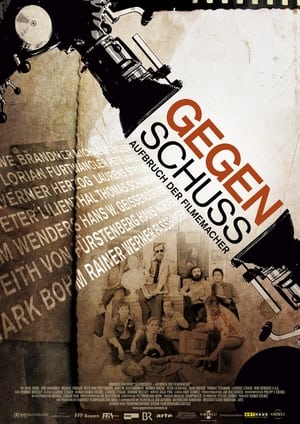
Counter Shot: Departure of the Filmmakers(de)
2008-02-14
Documentary about filmmakers of the New German Cinema who were members of the legendary Filmverlag für Autoren (Film Publishing House for Authors). Among them are Werner Herzog, Rainer Werner Fassbinder, and Wim Wenders.

72%
Gena Rowlands: A Life on Film(de)
2019-06-05
An intimate portrait of the superb actress Gena Rowlands, icon of independent cinema. Together with her husband, legendary director John Cassavetes (1929-89), she lived an unusual life beyond the dream factory, a life in which reality and fiction were so perfectly intertwined that it made possible films that still today seem incredibly real.

70%
Yakuza Eiga, une histoire du cinéma yakuza(fr)
2009-02-12
The history of the Yakuza Eiga at the TOEI studio is roughly outlined. Real Yakuza and also their connections to the movie business are discussed, and many important actors and directors of the genres are interviewed. Former real yakuza boss turned actor Noboru Ando, Takashi Miike, Sonny Chiba and many more get a chance to speak.

50%
So Unreal(en)
2023-09-22
A cinephile collage, both historical and philosophical, of films on artificial intelligence, cyberspace and virtual reality, from 1981 to 2001: cinema as a way and an instrument to cope with humanity's euphoria, anxiety, fear and obsession with technology.
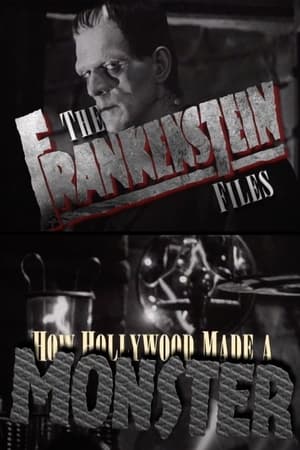
77%
The 'Frankenstein' Files: How Hollywood Made a Monster(en)
1999-01-01
The history of Frankenstein's journey from novel to stage to screen to icon.
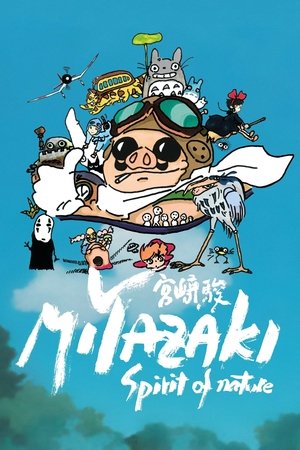
80%
Miyazaki, Spirit of Nature(fr)
2025-05-09
A documentary that focuses on Hayao Miyazaki’s deep connection to nature and the environmental themes expressed through his films.
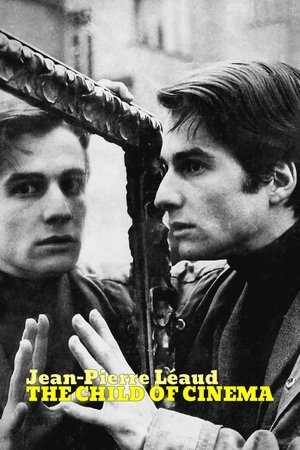
77%
Jean-Pierre Léaud: The Child of Cinema(fr)
2024-09-04
A portrait of the legendary actor Jean-Pierre Léaud, icon of the French New Wave and closely linked to the work of François Truffaut and Jean-Luc Goddard.
77%
To End All War: Oppenheimer & the Atomic Bomb(en)
2023-07-09
Explore how one man's relentless drive and invention of the atomic bomb changed the nature of war forever, led to the deaths of hundreds of thousands of people and unleashed mass hysteria.
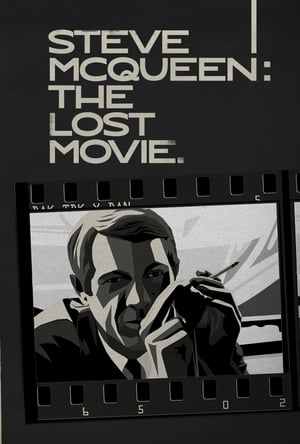
70%
Steve McQueen: The Lost Movie(en)
2021-01-01
The story of the abandoned production of 'Day of the Champion', a movie about Formula 1 which was set to film in 1966.

69%
The Méliès Mystery(fr)
2021-01-02
A documentary that details the process of restoring 270 of the 520 lost films of pioneering director Georges Méliès, all orchestrated by a Franco-American collaboration between Lobster Films, the National Film Center, and the Library of Congress.

80%
Bernard Blier, façon puzzle(fr)
2020-12-23
In a career spanning more than half a century, Bernard Blier has shot more than 180 films. He alone represents a history of French cinema without having spent his time cultivating its legend. He crossed his century as an actor with the modesty of a craftsman. He believed in learning, know-how and transmission. He considered himself, like the butcher or the cabinetmaker, as a man useful to his fellow men. Bernard Blier found in Louis Jouvet, who was his teacher at the Conservatory, a master at playing, a mentor and even a spiritual father. Jouvet taught Blier the love of acting, theater and Molière. And if he knew how to take hold of Michel Audiard's best tirades like no one else, notably those of the "Tontons Flingueurs", it is to this apprenticeship that he owes it.
72%
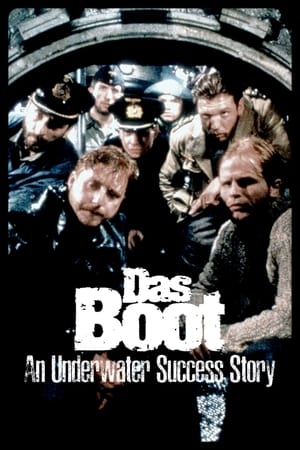
Das Boot Revisited: An Underwater Success Story(de)
2021-01-10
In 1981, a film about the misadventures of a German U-boat crew in 1941 becomes a worldwide hit almost four decades after the end of the World War II. Millions of viewers worldwide make Das Boot the most internationally successful German film of all time. But due to disputes over the script, accidents on the set, and voices accusing the makers of glorifying the war, the project was many times on the verge of being cancelled.

68%
Blood & Flesh: The Reel Life & Ghastly Death of Al Adamson(en)
2019-08-23
Brought to life through archival material and the reflections of over 40 colleagues, friends and fans, BLOOD & FLESH is much more than the story of a moviemaking life most unusual. It beautifully captures the worlds of outsider filmmaker communities that existed in California in the ’70s, and the weird ways they intersected with Hollywood mainstream and union indies. On Adamson shoots, regular Orson Welles crew and cinematographers like Gary Graver, Vilmos Szigmond and Lazlo Kovaks worked alongside Bud Cardos — and at one point, Charles Manson! Director David Gregory (founder of Severin Films, director of LOST SOUL: THE DOOMED JOURNEY OF RICHARD STANLEY’S ISLAND OF DR. MOREAU) spent years making this film, speaking to everyone down to the cops who investigated Adamson’s murder, vividly encapsulating both a bold life and tragic demise, with alien conspiracies, go-go dancers and Colonel Sanders coming in along the way. If you’ve got even a passing interest in cinema, you want to see this