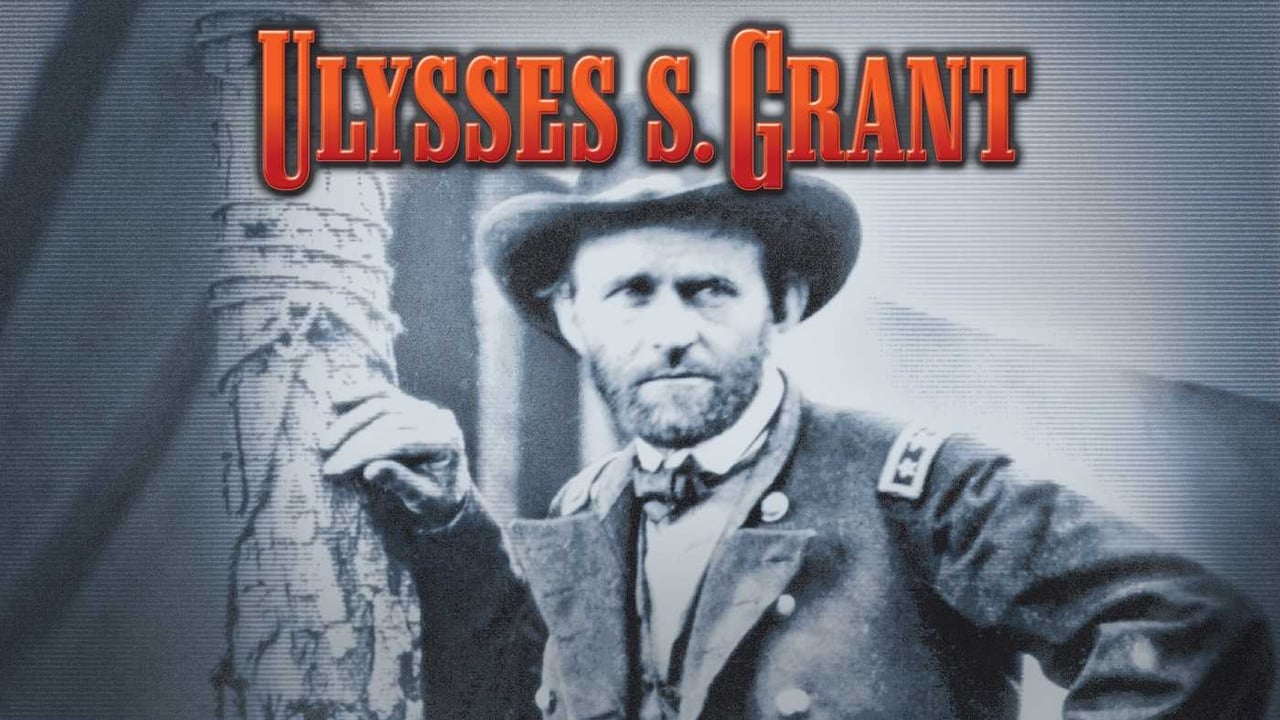
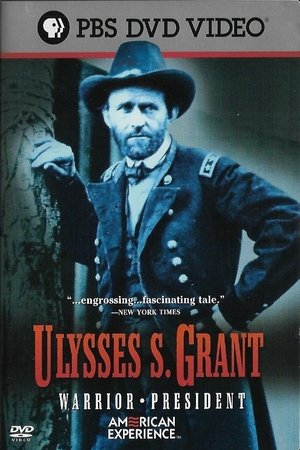
American Experience: Ulysses S. Grant (Part 2)(2002)
As a general, he had fought to preserve the Union. As president, he helped to oversee the transformation from union to nation. As a former president, he was the embodiment of the very idea of national union, and of America's entry onto the world stage. As a dying general, he was the symbol of the nation's greatest and most traumatic war. The story of Ulysses S. Grant's life, from his first days on the Ohio frontier to his last days out-writing death in the Adirondacks, is an endlessly fascinating one. Few public figures have ever held a such a firm grip on the American popular imagination. Grant was a man whose rise from obscurity made him a hero to millions who could see themselves in him. An ordinary man who faced and met extraordinary challenges, his successes and failures seemed to encapsulate the national character. He was so popular with the American public that, despite his two scandal-ridden terms as president, he was nearly nominated to run for a third term.
Movie: American Experience: Ulysses S. Grant (Part 2)
Top 1 Billed Cast
Narrator
Recommendations Movies
The Unknown Known(en)
Former United States Secretary of Defense, Donald Rumsfeld, discusses his career in Washington D.C. from his days as a congressman in the early 1960s to planning the invasion of Iraq in 2003.
The Untold History Of The United States(en)
Oliver Stone charts the history of the United States from the Second World War to the present.
Visions of Light(en)
Cameramen and women discuss the craft and art of cinematography and of the "DP" (the director of photography), illustrating their points with clips from 100 films, from Birth of a Nation to Do the Right Thing. Themes: the DP tells people where to look; changes in movies (the arrival of sound, color, and wide screens) required creative responses from DPs; and, these artisans constantly invent new equipment and try new things, with wonderful results. The narration takes us through the identifiable studio styles of the 30s, the emergence of noir, the New York look, and the impact of Europeans. Citizen Kane, The Conformist, and Gordon Willis get special attention.
The War on Democracy(en)
Set both in Latin America and the United States, the film explores the historic and current relationship of Washington with countries such as Venezuela, Bolivia and Chile. Pilger says that the film "...tells a universal story... analysing and revealing, through vivid testimony, the story of great power behind its venerable myths. It allows us to understand the true nature of the so-called "war on terror". According to Pilger, the film’s message is that the greed and power of empire is not invincible and that people power is always the "seed beneath the snow".

I Am Heath Ledger(en)
The life and career of an actor, artist, and icon. His own journey through his own camera.
For the Love of Spock(en)
The life of Mr. Spock, as well as that of Leonard Nimoy, the actor who played him for almost fifty years, written and directed by his son: Adam.
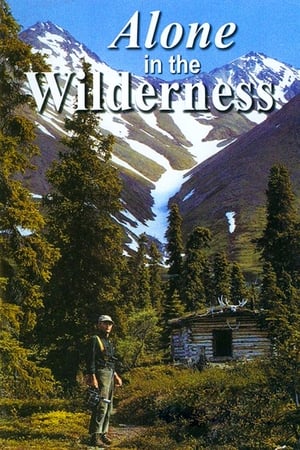
Alone in the Wilderness(en)
Dick Proenneke retired at age 50 in 1967 and decided to build his own cabin in the wilderness at the base of the Aleutian Peninsula, in what is now Lake Clark National Park. Using color footage he shot himself, Proenneke traces how he came to this remote area, selected a homestead site and built his log cabin completely by himself. The documentary covers his first year in-country, showing his day-to-day activities and the passing of the seasons as he sought to scratch out a living alone in the wilderness.
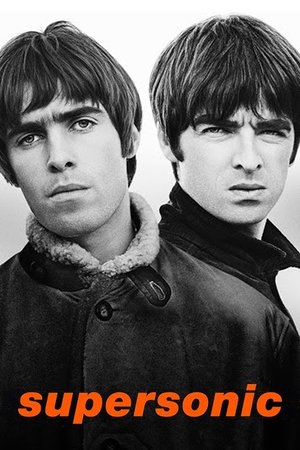
Supersonic(en)
Supersonic charts the meteoric rise of Oasis from the council estates of Manchester to some of the biggest concerts of all time in just three short years. This palpable, raw and moving film shines a light on one of the most genre and generation-defining British bands that has ever existed and features candid new interviews with Noel and Liam Gallagher, their mother, and members of the band and road crew.

Downloaded(en)
A documentary that explores the downloading revolution; the kids that created it, the bands and the businesses that were affected by it, and its impact on the world at large.
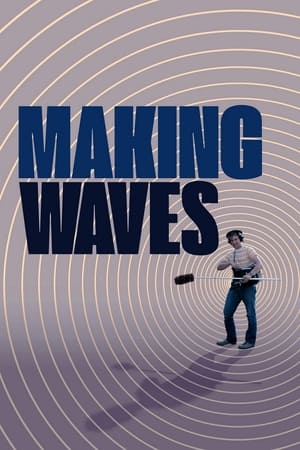
Making Waves: The Art of Cinematic Sound(en)
The history of cinematic sound, told by legendary sound designers and visionary filmmakers.
No Half Measures: Creating the Final Season of Breaking Bad(en)
A documentary about the making of season five of the acclaimed AMC series Breaking Bad.
Harmontown(en)
A comedic, brutally honest documentary following self-destructive TV writer Dan Harmon as he takes his live podcast on a national tour.
Father Soldier Son(en)
When Sgt. First Class Brian Eisch is critically wounded in Afghanistan, it sets him and his sons on a journey of love, loss, redemption and legacy.
Marvel's Behind the Mask(en)
A documentary special that explores the power of identity behind the iconic superheroes we know and love today. These legendary Marvel creations and stories have not only reflected the world outside our window – they have become a reflection of our own identities and who we truly are.

Love, Gilda(en)
Diaries, audiotapes, videotapes and testimonials from friends and colleagues offer insight into the life and career of Gilda Radner -- the beloved comic and actress who became an icon on Saturday Night Live.
9/11: Inside the President's War Room(en)
Experience the events of September 11, 2001 through the eyes of President Bush and his closest advisors as they personally detail the crucial hours and key decisions from that historic day.
Wormwood(en)
In this genre-bending tale, Errol Morris explores the mysterious death of a U.S. scientist entangled in a secret Cold War program known as MK-Ultra.
Struggle: The Life and Lost Art of Szukalski(en)
Artists in LA discover the work of forgotten Polish sculptor Stanislav Szukalski, a mad genius whose true story unfolds chapter by astounding chapter.
Gilbert(en)
The life and career of one of comedy's most inimitable modern voices, Mr. Gilbert Gottfried.
Similar Movies
Oklahoma City(en)
The bombing of the Alfred P. Murrah Federal Building in Oklahoma City in April 1995 is the worst act of domestic terrorism in American history. This documentary explores how a series of deadly encounters between American citizens and federal law enforcement—including the standoffs at Ruby Ridge and Waco—led to it.
The Codebreaker(en)
Discover the fascinating story of Elizebeth Smith Friedman, the groundbreaking cryptanalyst who helped bring down gangsters and break up a Nazi spy ring in South America. Her work helped lay the foundation for modern codebreaking today.
The Rise & Fall of Penn Station(en)
In 1910, the Pennsylvania Railroad successfully accomplished the enormous engineering feat of building tunnels under New York City's Hudson and East Rivers, connecting the railroad to New York and New England, knitting together the entire eastern half of the United States. The tunnels terminated in what was one of the greatest architectural achievements of its time, Pennsylvania Station. Penn Station covered nearly eight acres, extended two city blocks, and housed one of the largest public spaces in the world. But just 53 years after the station’s opening, the monumental building that was supposed to last forever, to herald and represent the American Empire, was slated to be destroyed.
The Donner Party(en)
Doomed attempt to get to California in 1846. More than just a riveting tale of death, endurance and survival. The Donner Party's nightmarish journey penetrated to the very heart of the American Dream at a crucial phase of the nation's "manifest destiny." Touching some of the most powerful social, economic and political currents of the time, this extraordinary narrative remains one of the most compelling and enduring episodes to come out of the West.
Strange Glory(en)
During the American Civil War, General Ulysses Grant carries out the 'Tennessee Plan,' which involves stopping the Confederate supply line on the Tennessee River. This proved to be a vital action for the North in its push south...
Cold War Roadshow(en)
Cold War Roadshow tells the story of one of the most bizarre episodes in the annals of modern history — the unprecedented barnstorming across America in the fall of 1959 by Soviet Premier Nikita Khrushchev, the world leader of communism and America’s arch nemesis. At the very height of the Cold War, with American schoolchildren practicing duck-and-cover drills, the man who Americans feared could incinerate them in a rain of hydrogen bombs arrived in Washington, D.C. at the invitation of President Eisenhower. For both men, the visit was an opportunity to halt the escalating threats of the Cold War and chart a new course toward peaceful coexistence. For the American press, it was the media blockbuster story of the year.
Casa Susanna(en)
In the 50s and 60s, deep in the American countryside at the foot of the Catskills, a small wooden house with a barn behind it was home to the first clandestine network of cross-dressers. Diane and Kate are now 80 years old. At the time, they were men and part of this secret organization. Today, they relate this forgotten but essential chapter of the early days of trans-identity. It is a story full of noise and fury, rich in extraordinary characters, including the famous Susanna, who had the courage to create this refuge that came to be known as Casa Susanna.
Fatal Flood(en)
In the spring of 1927, after weeks of incessant rains, the Mississippi River went on a rampage from Cairo, Illinois to New Orleans, inundating hundreds of towns, killing as many as a thousand people and leaving a million homeless. In Greenville, Mississippi, efforts to contain the river pitted the majority black population against an aristocratic plantation family, the Percys, and the Percys against themselves. A dramatic story of greed, power and race during one of America's greatest natural disasters.
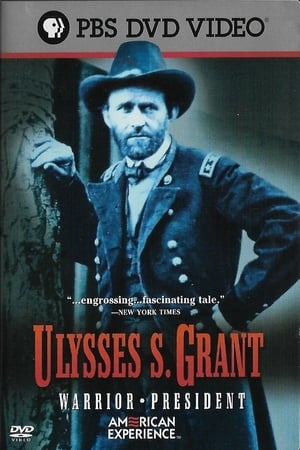
Ulysses S. Grant(en)
As a general, he had fought to preserve the Union. As president, he helped to oversee the transformation from union to nation. As a former president, he was the embodiment of the very idea of national union, and of America's entry onto the world stage. As a dying general, he was the symbol of the nation's greatest and most traumatic war. The story of Ulysses S. Grant's life, from his first days on the Ohio frontier to his last days out-writing death in the Adirondacks, is an endlessly fascinating one. Few public figures have ever held a such a firm grip on the American popular imagination. Grant was a man whose rise from obscurity made him a hero to millions who could see themselves in him. An ordinary man who faced and met extraordinary challenges, his successes and failures seemed to encapsulate the national character. He was so popular with the American public that, despite his two scandal-ridden terms as president, he was nearly nominated to run for a third term.
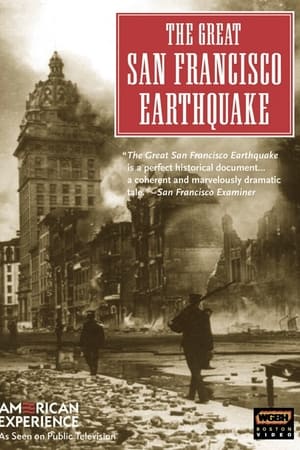
The Great San Francisco Earthquake(en)
An account of the devastating 1906 San Francisco earthquake and the subsequent effort to rebuild.
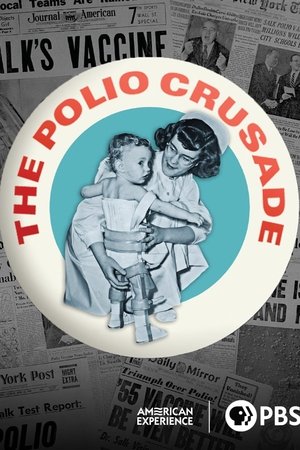
The Polio Crusade(en)
The film interweaves the personal accounts of polio survivors with the story of an ardent crusader who tirelessly fought on their behalf while scientists raced to eradicate this dreaded disease. Based in part on the Pulitzer Prize-winning book Polio: An American Story by David Oshinsky, Features interviews with historians, scientists, polio survivors, and the only surviving scientist from the core research team that developed the Salk vaccine, Julius Youngner.
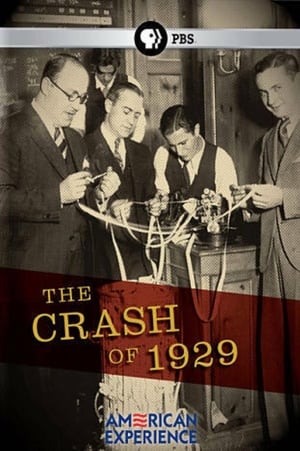
The Crash of 1929(en)
Based on eight years of continued prosperity, presidents and economists alike confidently predicted that America would soon enter a time when there would be no more poverty, no more depressions -- a "New Era" when everyone could be rich. But when reality finally struck, the consequences of such unbound optimism shocked the world.
Ruby Ridge(en)
Shortly before dawn on August 21, 1992, six heavily armed U.S. marshals made their way up to the isolated mountaintop home of Randy and Vicki Weaver and their children on Ruby Ridge in Northern Idaho. Charged with selling two illegal sawed-off shotguns to an undercover agent, Weaver had failed to appear in court and law enforcement was tasked with bringing him in. For months, the Weavers had been holed up on their property with a cache of firearms, including automatic weapons. When the federal agents surveilling the property crossed paths with members of the family, a firefight broke out. The standoff that mesmerized the nation would leave Weaver injured, his wife and son dead, and some convinced that the federal government was out of control. Drawing upon eyewitness accounts, including interviews with Weaver’s daughter, Sara, and federal agents involved in the confrontation, Ruby Ridge is a riveting account of the event that helped give rise to the modern American militia movement.
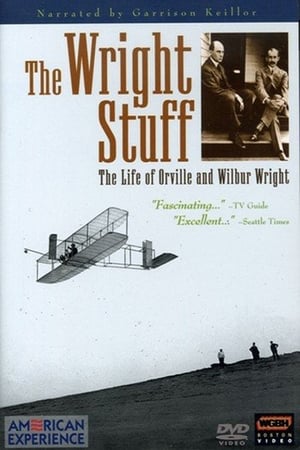
The Wright Stuff(en)
On August 8, 1908, at a racetrack outside Paris, Wilbur Wright executed what was, for him, a routine flight: a smooth take-off banking into a couple of tight circles, ending in a perfect landing. The flight took less than two minutes, but it left spectators awestruck. While the combined talents of Wilbur and Orville Wright had produced the first plane capable of controlled flight , their distrust of others had almost cost them the credit for their invention. Now, having proved to the public that they had mastered the sky, the reserved brothers from the small town of Dayton, Ohio, became world celebrities.
Triangle Fire(en)
The Triangle Fire chronicles the 1911 fire at the Triangle Shirtwaist Factory in New York City killing one hundred and forty-eight young women and forever changed the relationship between labor and industry in the United States.
Panama Canal(en)
On August 15th, 1914, the Panama Canal opened, connecting the world's two largest oceans and signaling America's emergence as a global superpower.

Reagan(en)
In 1988, after two terms in office, Ronald Reagan left the White House one of the most popular presidents of the twentieth century -- and one of the most controversial. A failed actor, Reagan became a passionate ideologue who preached a simple gospel of lower taxes, less government, and anti-communism.
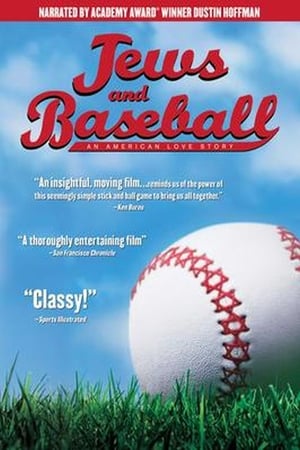
Jews and Baseball: An American Love Story(en)
Actor Dustin Hoffman narrates this decade-spanning documentary that highlights the contributions of Jewish Americans to the most American sport of them all: baseball. Highlights include a rare interview with legendary pitcher Sandy Koufax.
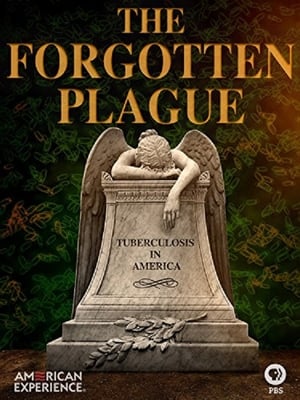
The Forgotten Plague(en)
Tuberculosis is the deadliest killer in human history, responsible for one in four deaths for almost two centuries. While it shaped medical pursuits, social habits, economic development and public policy, TB and its impact are poorly understood.
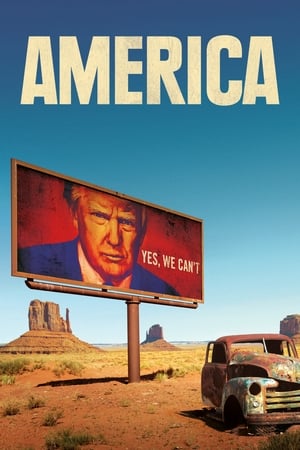
America(fr)
November 2016 : The United States of America are about to elect their new president. AMERICA is a deep dive into the heart of Arizona, meeting the inhabitants of a little town crossed by Road 66, the broken inheritors of the American Dream who deliver us their hopes and fears.