

Béton armé contre dame nature(1999)
This film illustrates a recurring theme in the work of Dominik Lange: the opposition of nature and city. The film explores various different aesthetic options. Lange begins by filming a bare tree, magnifying it and giving it the plastic seductivity of a watercolour in movement. The shots of the tree, either gently caressed by the artist's camera or exploding in a multitude of trembling and scratched forms, alternate with a series of shots of depressing new public-housing tower blocks. Lang revitalizes these buildings by clustering them together and/or blurring their contours. At a certain point, a building site appears; we see the buildings under construction, with construction workers busy at their task. Were these shots filmed later, or did the film-maker choose to show them later? It doesn't really matter; the alchemical phenomenon which mutates vegetation (nature) into the depressing uniformity of tower blocks is conveyed with sensitivity.
Movie: Béton armé contre dame nature
HomePage
Overview
This film illustrates a recurring theme in the work of Dominik Lange: the opposition of nature and city. The film explores various different aesthetic options. Lange begins by filming a bare tree, magnifying it and giving it the plastic seductivity of a watercolour in movement. The shots of the tree, either gently caressed by the artist's camera or exploding in a multitude of trembling and scratched forms, alternate with a series of shots of depressing new public-housing tower blocks. Lang revitalizes these buildings by clustering them together and/or blurring their contours. At a certain point, a building site appears; we see the buildings under construction, with construction workers busy at their task. Were these shots filmed later, or did the film-maker choose to show them later? It doesn't really matter; the alchemical phenomenon which mutates vegetation (nature) into the depressing uniformity of tower blocks is conveyed with sensitivity.
Release Date
1999-01-01
Average
0
Rating:
0.0 startsTagline
Genres
Languages:
Recommendations Movies
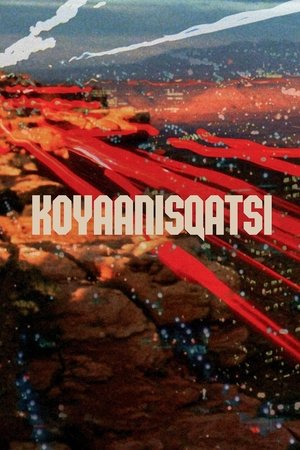
Koyaanisqatsi(en)
Takes us to locations all around the US and shows us the heavy toll that modern technology is having on humans and the earth. The visual tone poem contains neither dialogue nor a vocalized narration: its tone is set by the juxtaposition of images and the exceptional music by Philip Glass.

Naqoyqatsi(en)
A visual montage portrait of our contemporary world dominated by globalized technology and violence.
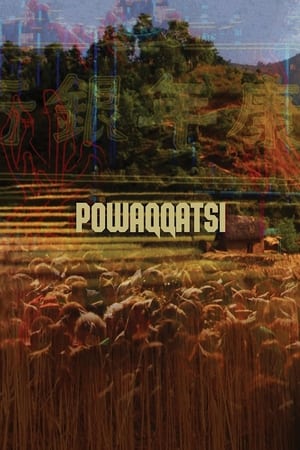
Powaqqatsi(en)
An exploration of technologically developing nations and the effect the transition to Western-style modernization has had on them.
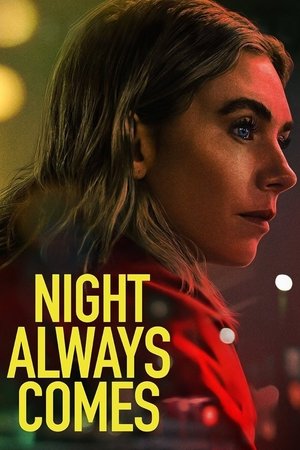
Night Always Comes(en)
Facing eviction in a city her family can no longer afford, a woman plunges into a desperate and increasingly dangerous all-night search to raise $25,000.
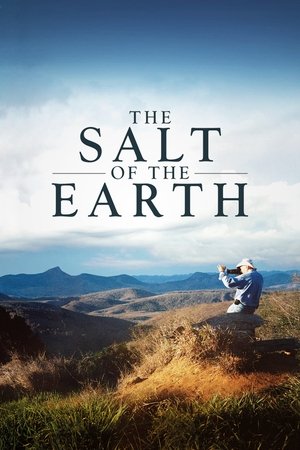
The Salt of the Earth(fr)
During the last forty years, the photographer Sebastião Salgado has been travelling through the continents, in the footsteps of an ever-changing humanity. He has witnessed the major events of our recent history: international conflicts, starvations and exodus… He is now embarking on the discovery of pristine territories, of the wild fauna and flora, of grandiose landscapes: a huge photographic project which is a tribute to the planet's beauty. Salgado's life and work are revealed to us by his son, Juliano, who went with him during his last journeys, and by Wim Wenders, a photographer himself.
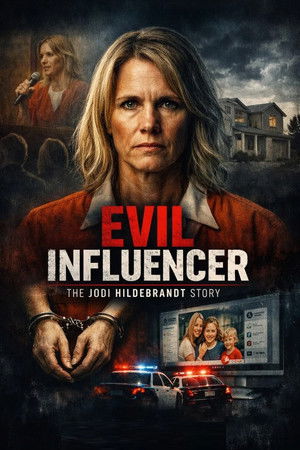
Evil Influencer: The Jodi Hildebrandt Story(en)
Unravel the case of Utah therapist Jodi Hildebrandt, whose child abuse arrest with parenting YouTuber Ruby Franke exposed a twisted tale of manipulation.

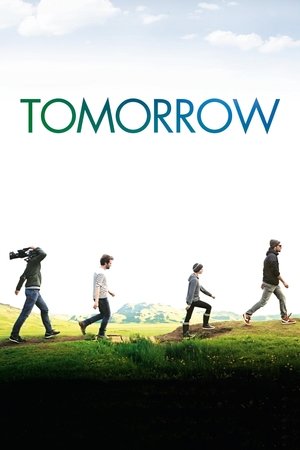
Tomorrow(fr)
Climate is changing. Instead of showing all the worst that can happen, this documentary focuses on the people suggesting solutions and their actions.
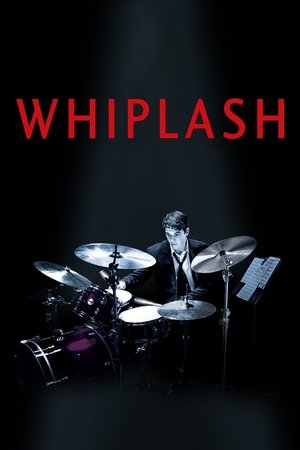
Whiplash(en)
Under the direction of a ruthless instructor, a talented young drummer begins to pursue perfection at any cost, even his humanity.

The Ballad of Jack and Rose(en)
Jack Slavin is an environmentalist with a heart condition who lives with his daughter, Rose, on an isolated island. While Jack fights against developers who wish to build in the area, he also craves more contact with other people. When he invites his girlfriend, Kathleen, and her sons, Rodney and Thaddius, to move in, Rose is upset. The complicated family dynamics makes things difficult for everyone in the house.
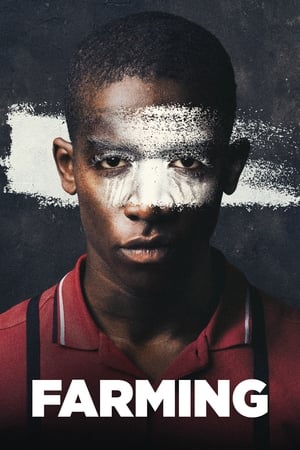
Farming(en)
Based on the writer/director's childhood, FARMING tells the story of a young Nigerian boy, 'farmed out' by his parents to a white British family in the hope of a better future. Instead, he becomes the feared leader of a white skinhead gang.
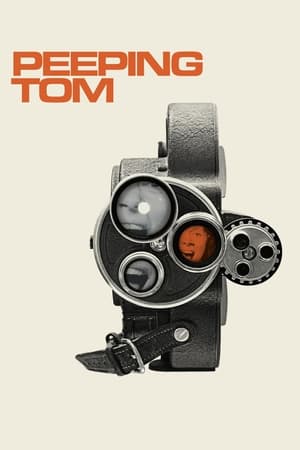
Peeping Tom(en)
Loner Mark Lewis works at a film studio during the day and, at night, takes racy photographs of women. Also he's making a documentary on fear, which involves recording the reactions of victims as he murders them. He befriends Helen, the daughter of the family living in the apartment below his, and he tells her vaguely about the movie he is making.
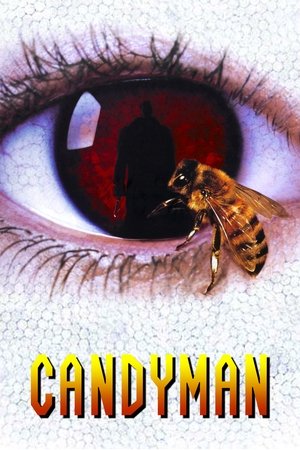
Candyman(en)
The Candyman, a murderous soul with a hook for a hand, is accidentally summoned to reality by a skeptic grad student researching the monster's myth.
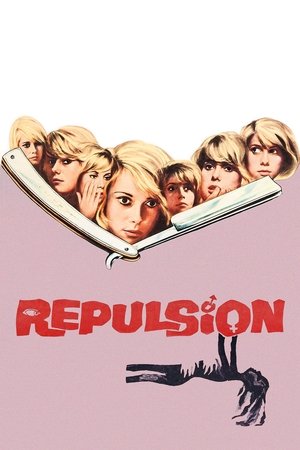
Repulsion(en)
Beautiful young manicurist Carole suffers from androphobia (the pathological fear of interaction with men). When her sister and roommate, Helen, leaves their London flat to go on an Italian holiday with her married boyfriend, Carole withdraws into her apartment. She begins to experience frightful hallucinations, her fear gradually mutating into madness.

Chronos(en)
Carefully picked scenes of nature and civilization are viewed at high speed using time-lapse cinematography in an effort to demonstrate the history of various regions.
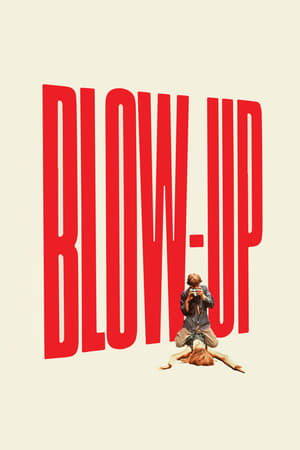
Blow-Up(en)
A successful mod photographer in London whose world is bounded by fashion, pop music, marijuana, and easy sex, feels his life is boring and despairing. But in the course of a single day he unknowingly captures a death on film.
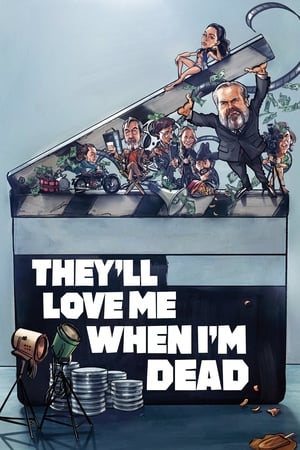
They'll Love Me When I'm Dead(en)
As his life comes to its end, famous Hollywood director Orson Welles puts it all on the line at the chance for renewed success with the film The Other Side of the Wind.
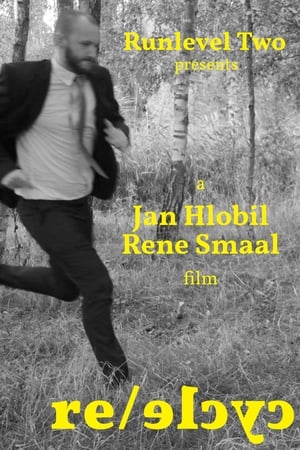
Re/cycle(en)
With input from actor and writer Jan Hlobil, director and cinematographer Rene Smaal presents a film in the true surrealist tradition, in the sense that only 'found' elements were used, and that it defies interpretation based on ordinary cause-and-effect time sequence.
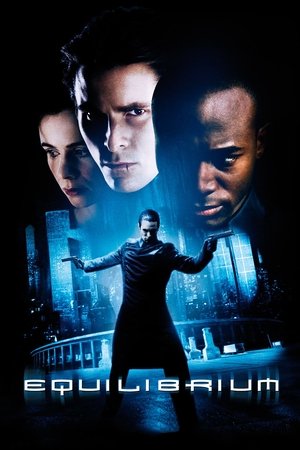
Equilibrium(en)
In a dystopian future, a totalitarian regime maintains peace by subduing the populace with a drug, and displays of emotion are punishable by death. A man in charge of enforcing the law rises to overthrow the system.
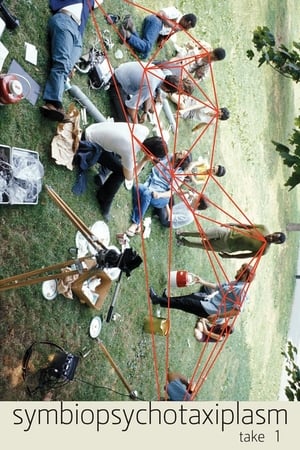
Symbiopsychotaxiplasm: Take One(en)
In Manhattan's Central Park, a film crew directed by William Greaves is shooting a screen test with various pairs of actors. It's a confrontation between a couple: he demands to know what's wrong, she challenges his sexual orientation. Cameras shoot the exchange, and another camera records Greaves and his crew. Sometimes we watch the crew discussing this scene, its language, and the process of making a movie. Is there such a thing as natural language? Are all things related to sex? The camera records distractions - a woman rides horseback past them; a garrulous homeless vet who sleeps in the park chats them up. What's the nature of making a movie?