Loading Page
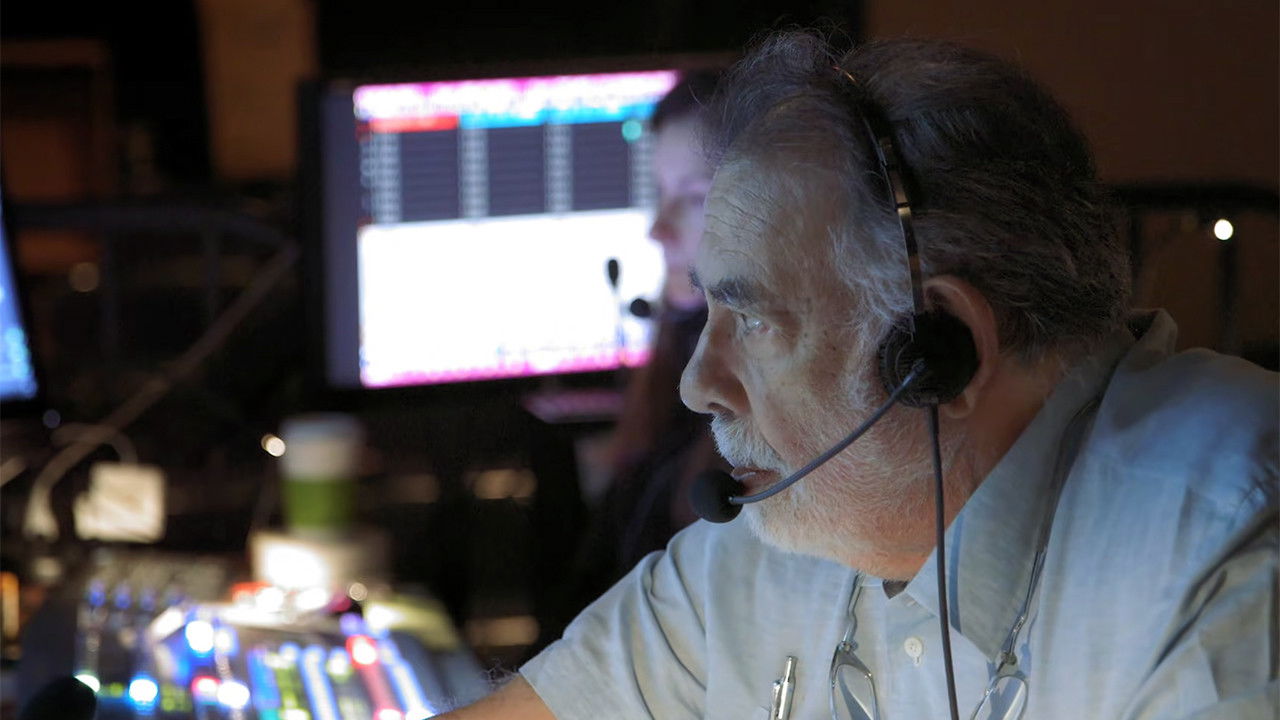
Francis Ford Coppola's Live Cinema(2018)
Status: Released
Date: 2018-01-10
100%
1 Votes
Time: 0h 18m
Francis Ford Coppola's Live Cinema project.
Overview:
An insider's look into Francis Ford Coppola's latest Live Cinema project, Distant Vision.
Languages: English.
Countries:
Budget: $2,000.00
Movie: Francis Ford Coppola's Live Cinema
Top 3 Billed Cast
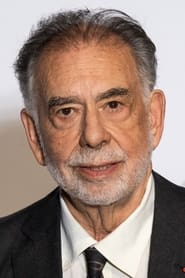
Francis Ford Coppola
Self
HomePage
Overview
An insider's look into Francis Ford Coppola's latest Live Cinema project, Distant Vision.
Release Date
2018-01-10
Average
10
Rating:
5.0 startsTagline
Francis Ford Coppola's Live Cinema project.
Genres
Languages:
EnglishKeywords
Recommendations Movies
84%
One Direction: Where We Are - The Concert Film(en)
2014-10-08
Where We Are: Live from San Siro Stadium features the entire 23 track concert filmed at San Siro Stadium in Milan in June 2014, as well as 24 minutes of bonus content including backstage footage of One Direction and their crew.
68%
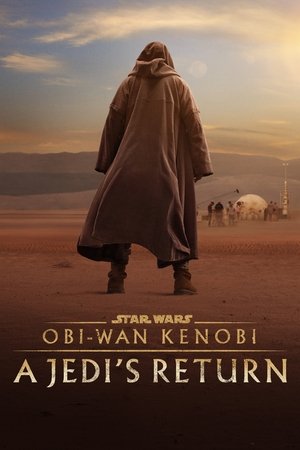
Obi-Wan Kenobi: A Jedi's Return(en)
2022-09-07
This special explores the return of Obi-Wan Kenobi and Anakin Skywalker to the screen, as well as Ewan McGregor and Hayden Christensen to their classic roles. Director Deborah Chow leads the cast and crew as they create new heroes and villains that live alongside new incarnations of beloved Star Wars characters, and an epic story that dramatically bridges the saga films.

62%
Seduced and Abandoned(en)
2013-05-20
SEDUCED AND ABANDONED combines acting legend Alec Baldwin with director James Toback as they lead us on a troublesome and often hilarious journey of raising financing for their next feature film. Moving from director to financier to star actor, the two players provide us with a unique look behind the curtain at the world's biggest and most glamourous film festival, shining a light on the bitter-sweet relationship filmmakers have with Cannes and the film business. Featuring insights from directors Martin Scorsese, 'Bernando Bertolucci' and Roman Polanski; actors Ryan Gosling and Jessica Chastain and a host of film distribution luminaries.
78%
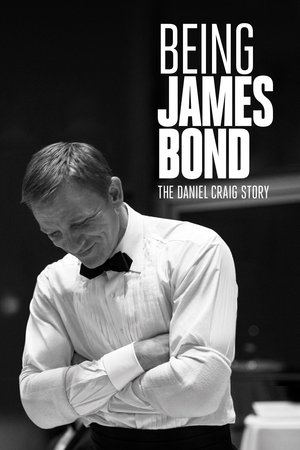
Being James Bond(en)
2021-08-29
Daniel Craig candidly reflects on his 15 year adventure as James Bond. Including never-before-seen archival footage from Casino Royale to the upcoming 25th film No Time To Die, Craig shares his personal memories in conversation with 007 producers, Michael G Wilson and Barbara Broccoli.
80%
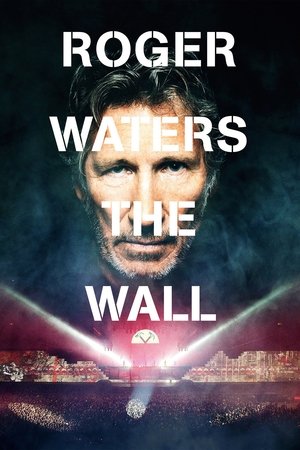
Roger Waters: The Wall(en)
2014-09-29
A concert film that the former Pink Floyd singer-songwriter made on various tour dates between 2010 and 2013, when he was playing his former group's 1980 double-album in its entirety.
60%
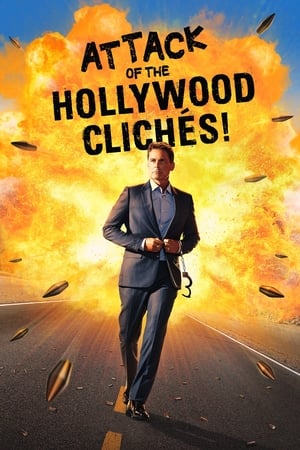
Attack of the Hollywood Clichés!(en)
2021-09-27
One-man armies, meet-cutes, casual strolls away from huge explosions — stars and industry insiders toast and roast these cinematic chestnuts and more.
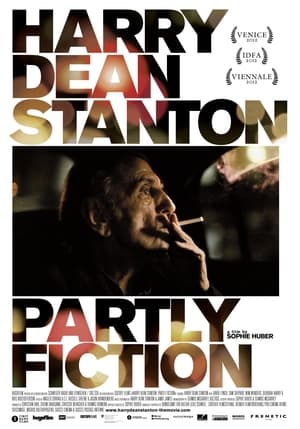
69%
Harry Dean Stanton: Partly Fiction(en)
2013-09-11
An impressionistic portrait of the iconic actor Harry Dean Stanton comprised of intimate moments, film clips from some of his 250 films and his renditions of American folk songs.
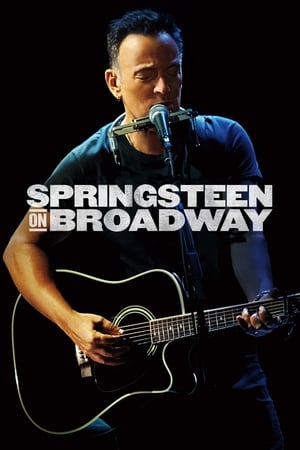
79%
Springsteen on Broadway(en)
2018-12-15
Bruce Springsteen shares personal stories from his life and acoustic versions of some of his best-known songs in an intimate one-man show.
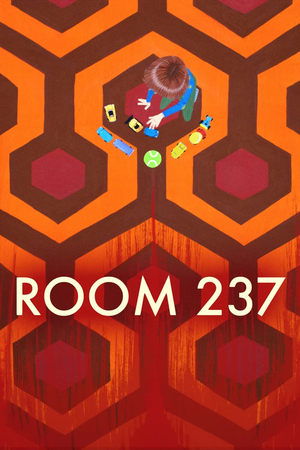
61%
Room 237(en)
2012-10-26
A subjective documentary that explores various theories about hidden meanings in Stanley Kubrick's classic film The Shining. Five very different points of view are illuminated through voice over, film clips, animation and dramatic reenactments.
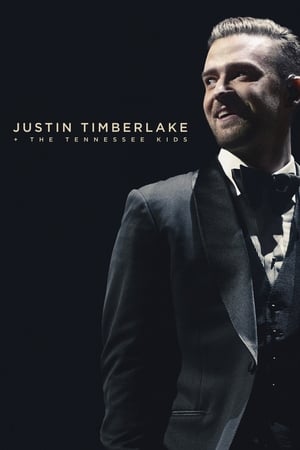
74%
Justin Timberlake + The Tennessee Kids(en)
2016-09-13
In January 2015, at the MGM Grand Garden Arena in Las Vegas, the final nights of the "20/20 Experience World Tour", director Jonathan Demme captures what makes the show soar: gifted musicians, deft dancers and a magnetic star.
79%
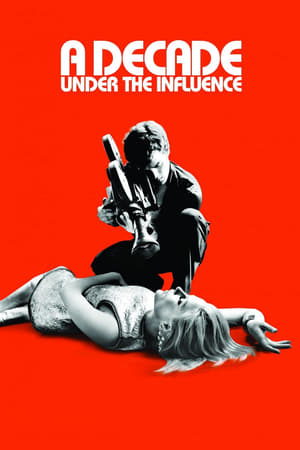
A Decade Under the Influence(en)
2003-04-25
A documentary examining the decade of the 1970s as a turning point in American cinema. Some of today's best filmmakers interview the influential directors of that time.
71%
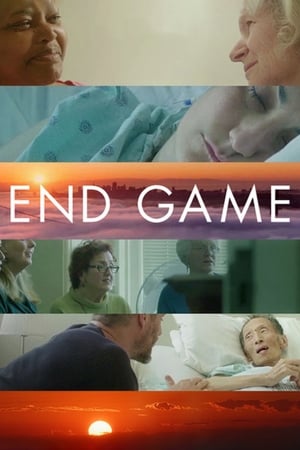
End Game(en)
2018-01-21
Filmed and edited in intimate vérité style, this movie follows visionary medical practitioners who are working on the cutting edge of life and death and are dedicated to changing our thinking about both.
65%
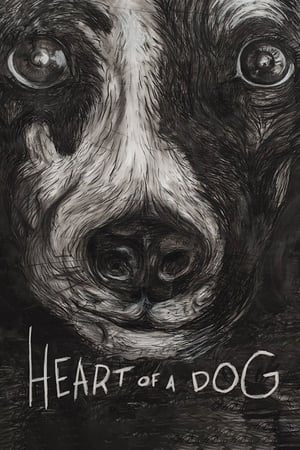
Heart of a Dog(en)
2015-10-21
Lyrical and powerfully personal essay film that reflects on the deaths of her husband Lou Reed, her mother, her beloved dog, and such diverse subjects as family memories, surveillance, and Buddhist teachings.
68%
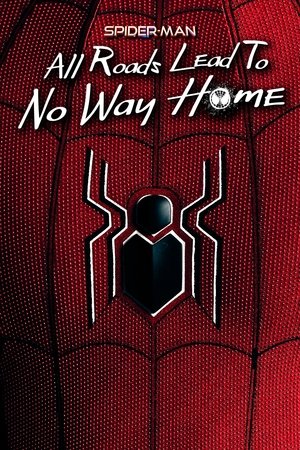
Spider-Man: All Roads Lead to No Way Home(en)
2022-05-03
JB Smoove and Martin Starr host a celebration of 20 years of "Spider-Man" movies, from the Sam Raimi trilogy to Marc Webb's movies and the trio from Jon Watts.
73%
The Walking Dead: The Return(en)
2024-02-15
Stars of "The Walking Dead," Andrew Lincoln and Danai Gurira, walk down memory lane and visit iconic locations where pivotal moments between their characters, Rick and Michonne, were filmed.
71%
Friedkin Uncut(en)
2018-11-05
An introspective insight into the life and artistic journey of William Friedkin, an extraordinary and offbeat director of cult films such as The French Connection, The Exorcist, Sorcerer, Cruising, To Live and Die in L.A. and Killer Joe. For the first time Friedkin opens up, guiding the audience on a fascinating journey through the themes and the stories that have influenced his life and his artistic career.
67%
Cameraperson(en)
2016-09-09
As a visually radical memoir, CAMERAPERSON draws on the remarkable footage that filmmaker Kirsten Johnson has shot and reframes it in ways that illuminate moments and situations that have personally affected her. What emerges is an elegant meditation on the relationship between truth and the camera frame, as Johnson transforms scenes that have been presented on Festival screens as one kind of truth into another kind of story—one about personal journey, craft, and direct human connection.
72%
Side by Side(en)
2012-08-19
Since the invention of cinema, the standard format for recording moving images has been film. Over the past two decades, a new form of digital filmmaking has emerged, creating a groundbreaking evolution in the medium. Keanu Reeves explores the development of cinema and the impact of digital filmmaking via in-depth interviews with Hollywood masters, such as James Cameron, David Fincher, David Lynch, Christopher Nolan, Martin Scorsese, George Lucas, Steven Soderbergh, and many more.
68%
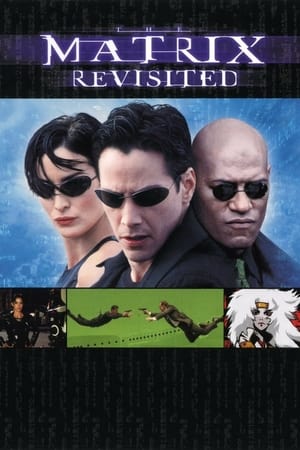
The Matrix Revisited(en)
2001-11-19
The film goes behind the scenes of the 1999 sci-fi movie The Matrix.

72%
Avatar: The Deep Dive - A Special Edition of 20/20(en)
2022-12-13
An inside look at one of the most anticipated movie sequels ever with James Cameron and cast.
Similar Movies
83%
Night and Fog(fr)
1956-01-29
Filmmaker Alain Resnais documents the atrocities behind the walls of Hitler's concentration camps.
82%
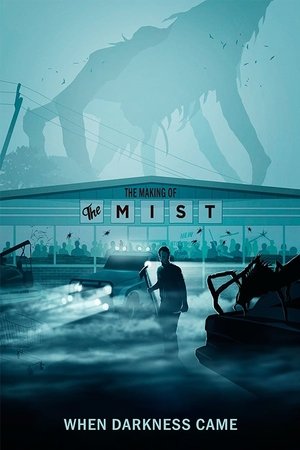
When Darkness Came: The Making of 'The Mist'(en)
2008-03-25
Behind the scenes documentary on the making of the film.
67%
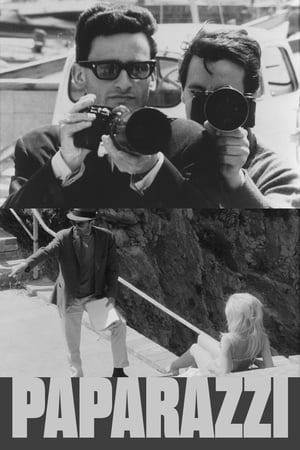
Paparazzi(fr)
1964-09-22
Paparazzi explores the relationship between Brigitte Bardot and groups of invasive photographers attempting to photograph her while she works on the set of Jean-Luc Godard's film Le Mépris (Contempt). Through video footage of Bardot, interviews with the paparazzi, and still photos of Bardot from magazine covers and elsewhere, director Rozier investigates some of the ramifications of international movie stardom, specifically the loss of privacy to the paparazzi. The film explains the shooting of the film on the island of Capri, and the photographers' valiant, even foolishly dangerous, attempts to get a photograph of Bardot.

68%
Le Clitoris(fr)
2017-08-24
Women are lucky, they get to have the only organ in the human body dedicated exclusively for pleasure: the clitoris! In this humorous and instructive animated documentary, find out its unrecognized anatomy and its unknown herstory.

77%
Brasilia, Contradictions of a New City(pt)
1968-01-01
In 1967, de Andrade was invited by the Italian company Olivetti to produce a documentary on the new Brazilian capital city of Brasília. Constructed during the latter half of the 1950s and founded in 1960, the city was part of an effort to populate Brazil’s vast interior region and was to be the embodiment of democratic urban planning, free from the class divisions and inequalities that characterize so many metropolises. Unsurprisingly, Brasília, Contradições de uma Cidade Nova (Brasília, Contradictions of a New City, 1968) revealed Brasília to be utopic only for the wealthy, replicating the same social problems present in every Brazilian city. (Senses of Cinema)
0%
Being Seen(en)
2023-07-29
A group of African American students at the University of Arizona reveals the importance of political spaces within Universities in times of intolerance.
20%
Ballad of a Righteous Merchant(en)
2017-08-01
Chronicles the making of director Werner Herzog’s 2009 feature, My Son, My Son, What Have Ye Done, providing profound insight into the director and his craft. My Son, My Son, What Have Ye Done was inspired by the true story of an actor who committed in reality the crime he was supposed to enact on stage: murdering his mother. With longtime friend Herbert Golder behind the lens, Herzog reveals the privacy and deep solitude that defines the director and his art.
70%
Searching for Bong(ko)
2015-10-29
Unlike our dream of becoming a great filmmaker, the movie boards that adults talk about are tough. We are looking for our idol, Bong Joon-ho...
0%
Dream(et)
1978-03-09
In the spring and summer of 1977, the musical television film "Miracle Story" was filmed on Toomemäe in Tartu. Despite the fact that all the shots in the film are documentary, you may not see a documentary in "Dream". It is not a reportage about making a film, but rather a vision, an echo that has disappeared but has been.

0%
She Sings for the World(zh)
2023-08-31
A Chinese Canadian son sets out to make a film on his mother, who was once known as the first ever Chinese Opera Singer to have performed Pingju Opera in English in late 1980's China.
0%
Alcoholism and Its Consequences(ru)
1913-01-01
Alcoholism and its Ill-Effects was considered to be one of the most popular science propaganda (or educational) films produced in Russia before the revolution of 1917. Alexander Khanzhonkov, the most prominent Russian film producer of that era, financed a special department dedicated to non-fictional cinema, despite the fact that such films were not commercially successful. Unfortunately, not a single copy of the film has survived to the present day. All that remains are 12 frames, which were used by Izvolov to create this reconstruction. He also used extracts from critical reviews, published at the time of the film’s release, to produce a soundtrack.
23%
Where Do You Stand Now, João Pedro Rodrigues?(pt)
2016-11-28
João Pedro Rodrigues answers the question from the title with an autobiographical short-film.
61%
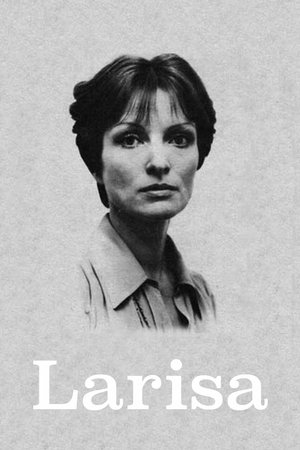
Larisa(ru)
1980-10-01
Elem Klimov's tribute to his late wife, director Larisa Shepitko, killed in a car accident a year earlier. Features excerpts from all of her films, and archival audio of her discussing life and art.
90%
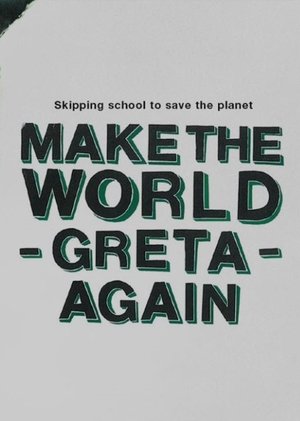
Make the World Greta Again(en)
2019-05-24
Upon realising her generation won’t have a future unless the world’s politicians act now on climate change, 15-year-old Greta Thunberg skipped school in August 2018 to protest outside the Swedish parliament. What started as a one person strike soon gained global momentum. We follow Greta and the organisers of the school strikes for climate as they are cementing a worldwide movement ahead of their first global protest that took place on March 15th, 2019. It was the biggest climate strike in history with up to 1.6 million students in more than 125 countries.
52%
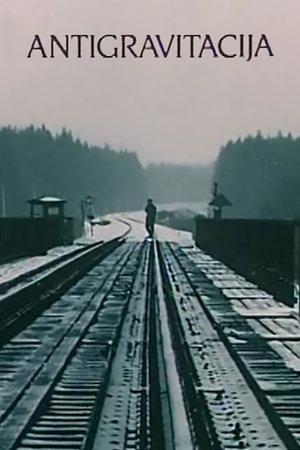
Antigravitation(lt)
1995-01-01
An isolated village in the Lithuanian countryside. Seated in her house, an elderly woman recites an old folk story. Then she climbs up the tall ladder that takes her to the rooftop of the church.
71%
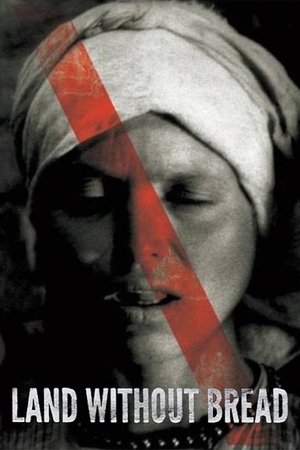
Land Without Bread(es)
1933-12-01
An exploration —manipulated and staged— of life in Las Hurdes, in the province of Cáceres, in Extremadura, Spain, as it was in 1932. Insalubrity, misery and lack of opportunities provoke the emigration of young people and the solitude of those who remain in the desolation of one of the poorest and least developed Spanish regions at that time.