Loading Page


North Korea's Secret Slaves: Dollar Heroes(2018)
Status: Released
Date: 2018-10-27
0%
0 Votes
Time: 0h 52m
Bonded labour in North Korea
Overview:
Shrouded in secrecy and notoriously cash-strapped the North Korean regime has resorted to running one of the world's largest slaving operations - exploiting the profits to fulfil their own agenda. These bonded labourers can be found in Russia, China and dozens of other countries around the world including EU member states. Featuring undercover footage and powerful testimonials, we reveal the scale and brutality of the operation and ask what, if anything, is being done to stop it.
Languages: English, French, Korean, Polish.
Countries:
Budget: $300,000.00
Movie: North Korea's Secret Slaves: Dollar Heroes
Loading Photos
Photo Type :Total items
Recommendations Movies
71%
The Mole: Undercover in North Korea(en)
2020-10-11
A real-life undercover thriller about two ordinary men who embark on an outrageously dangerous ten-year mission to penetrate the world's most secretive and brutal dictatorship: North Korea.
78%
Dogville(en)
2003-05-21
A woman on the run from the mob is reluctantly accepted in a small Colorado community in exchange for labor, but when a search visits the town, she learns that their support has a price.
72%
Burma VJ: Reporting from a Closed Country(en)
2008-11-12
Going beyond the occasional news clip from Burma, the acclaimed filmmaker, Anders Østergaard, brings us close to the video journalists who deliver the footage. Though risking torture and life in jail, courageous young citizens of Burma live the essence of journalism as they insist on keeping up the flow of news from their closed country.
78%
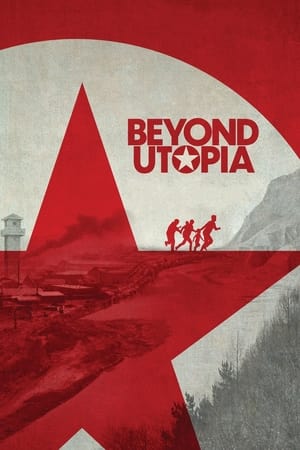
Beyond Utopia(en)
2023-10-23
A courageous pastor uses his underground network to rescue and aid North Korean families as they risk their lives to embrace freedom.


58%
The Devil on Trial(en)
2023-10-17
Explore the first – and only – time “demonic possession” has officially been used as a defense in a U.S. murder trial. Including firsthand accounts of alleged devil possession and a shocking murder, this extraordinary story forces reflection on our fear of the unknown.
72%
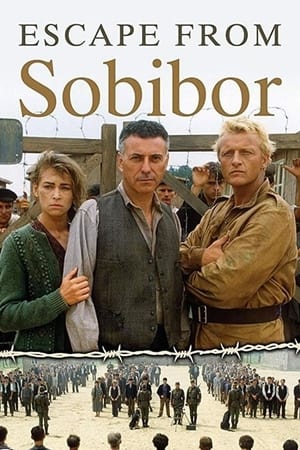
Escape from Sobibor(en)
1987-04-12
The true story of WWII's notorious Sobibor Nazi death camp, where a courageous inmate orchestrates and leads the escape of over 300 prisoners.
72%
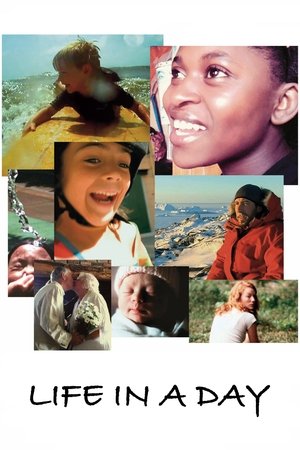
Life in a Day(en)
2011-01-27
A documentary shot by filmmakers all over the world that serves as a time capsule to show future generations what it was like to be alive on the 24th of July, 2010.
72%
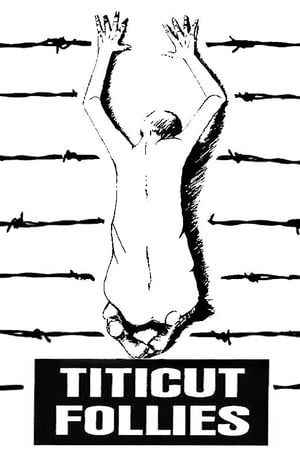
Titicut Follies(en)
1967-10-03
A stark and graphic portrayal of the conditions that existed at the State Prison for the Criminally Insane at Bridgewater, Massachusetts, and documents the various ways the inmates are treated by the guards, social workers, and psychiatrists.
73%
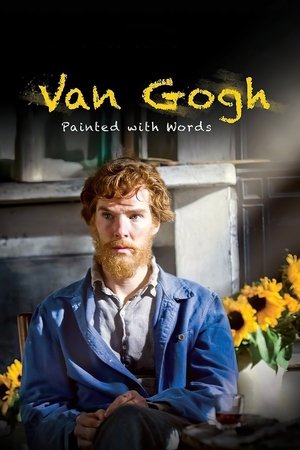
Van Gogh: Painted with Words(en)
2010-04-05
A drama-documentary presented by Alan Yentob, with Benedict Cumberbatch in the lead role. Every word spoken by the actors in this film is sourced from the letters that Van Gogh sent to his younger brother Theo, and of those around him. What emerges is a complex portrait of a sophisticated, civilised and yet tormented man.
77%
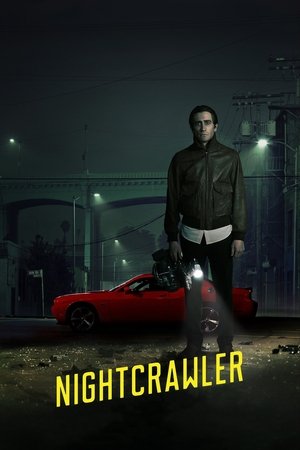
Nightcrawler(en)
2014-10-23
When Lou Bloom, desperate for work, muscles into the world of L.A. crime journalism, he blurs the line between observer and participant to become the star of his own story. Aiding him in his effort is Nina, a TV-news veteran.
66%
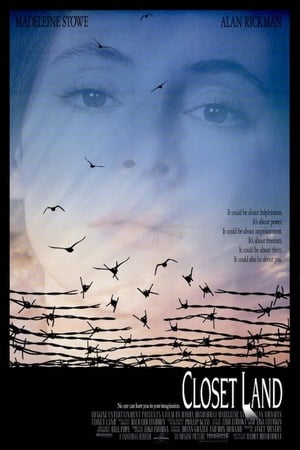
Closet Land(en)
1991-03-06
A young writer is interrogated by a sadistic secret policeman. She is accused of embedding political messages in her children's stories. The entire movie takes place in one room, with only the two actors. The movie is set in an unidentified, modern police state.

67%
American Grindhouse(en)
2011-02-04
This documentary explores the hidden history of the American Exploitation Film. The movie digs deep into this often overlooked category of U.S. cinema and unearths the shameless and occasionally shocking origins of this popular entertainment.
70%
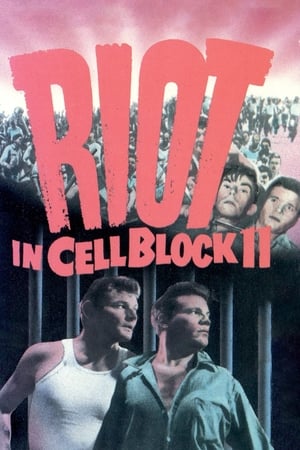
Riot in Cell Block 11(en)
1954-02-18
A prisoner leads his counterparts in a protest for better living conditions which turns violent and ugly.

73%
Punishment Park(en)
1971-10-01
In this fictional documentary, U.S. prisons are at capacity, and President Nixon declares a state of emergency. All new prisoners, most of whom are connected to the antiwar movement, are now given the choice of jail time or spending three days in Punishment Park, where they will be hunted for sport by federal authorities. The prisoners invariably choose the latter option, but learn that, between the desert heat and the brutal police officers, their chances of survival are slim.


77%
OLIVIA RODRIGO: driving home 2 u (a SOUR film)(en)
2022-03-25
Grammy® winner singer-songwriter Olivia Rodrigo takes a familiar road trip from Salt Lake City, where she began writing her debut album “SOUR,” to Los Angeles. Along the way, Rodrigo recounts the memories of writing and creating her record-breaking debut album and shares her feelings as a young woman navigating a specific time in her life. Through new live arrangements of her songs, intimate interviews and never-before-seen footage from the making of the album, audiences will follow Olivia along on a cinematic journey exploring the story of “SOUR.”
68%
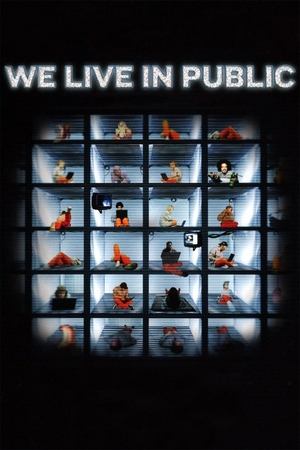
We Live in Public(en)
2009-08-28
In 1999, Internet entrepreneur Josh Harris recruits dozens of young men and women who agree to live in underground apartments for weeks at a time while their every movement is broadcast online. Soon, Harris and his girlfriend embark on their own subterranean adventure, with cameras streaming live footage of their meals, arguments, bedroom activities, and bathroom habits. This documentary explores the role of technology in our lives, as it charts the fragile nature of dot-com economy.
Similar Movies

74%
Civil: Ben Crump(en)
2022-06-17
Crump's mission to raise the value of Black life as the civil lawyer for the families of George Floyd, Breonna Taylor, Black farmers and banking while Black victims, Crump challenges America to come to terms with what it owes his clients.
0%
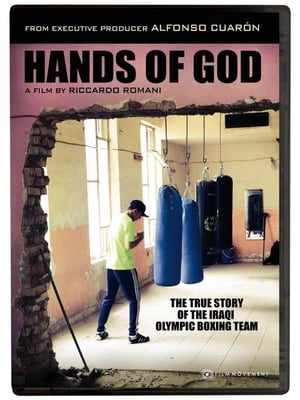
Hands of God(ar)
2020-07-07
Thirteen years of war. Dozens of car bombings every month. One goal: to become an Olympic champion. The true story of grit and determination, of young men literally fighting for their lives one day on the battlefields of Iraq and competing to fight for their Nation the next one. Despite living under the persistent threat of ISIS, these athletes will strive to accomplish their task. The amazing journey of the Iraq National Team from obscurity and desperation to the edge of an historical qualification to Rio 2016. Will private Waheed be able to manage his army duty with his desire to go to the Games? Is young Jafaar ready to aspire to the Olympic stage he has been dreaming of, despite living in the most dangerous suburb in the world? Will promising heavyweight Saadi come back from his mission to liberate Falluja? Will Iraq finally be a peaceful Country?
77%
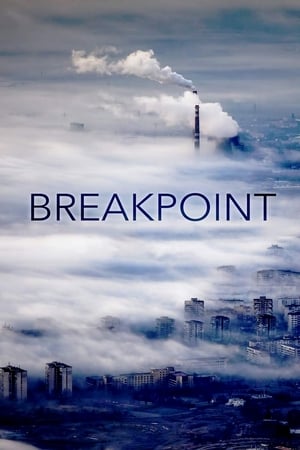
Breakpoint: A Counter History of Progress(fr)
2019-07-14
An account of the last two centuries of the Anthropocene, the Age of Man. How human beings have progressed so much in such a short time through war and the selfish interests of a few, belligerent politicians and captains of industry, damaging the welfare of the majority of mankind, impoverishing the weakest, greedily devouring the limited resources of the Earth.
65%
L'Âge d'or de la pub(fr)
2023-06-02
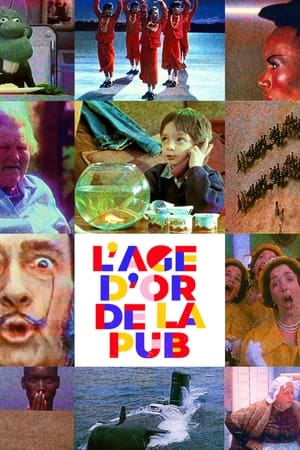
55 years ago, on October 1 1968, the first brand advertising spot appeared on the French television screen. Over the next three decades, thousands of creative little films would seduce and build our collective memory. Kitschy or cult spots, humor, slogans, music, stars, gimmicks, grand spectacle or sex appeal: during its golden age, how did advertising convince? Thierry Ardisson has brought together almost 400 advertising clips to relive the era of the conquest of minds and wallets.
71%
Land Without Bread(es)
1933-12-01
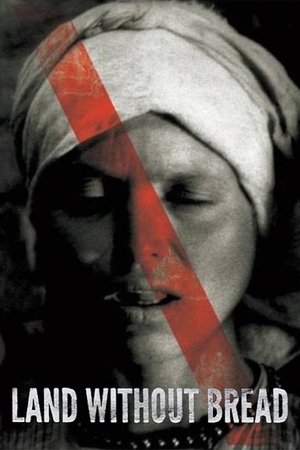
An exploration —manipulated and staged— of life in Las Hurdes, in the province of Cáceres, in Extremadura, Spain, as it was in 1932. Insalubrity, misery and lack of opportunities provoke the emigration of young people and the solitude of those who remain in the desolation of one of the poorest and least developed Spanish regions at that time.
75%
Liberty: Mother of Exiles(en)
2019-10-24
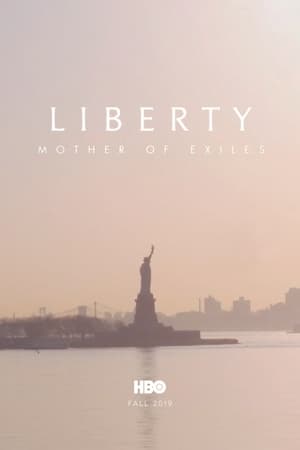
A look at the history of the Statue of Liberty and the meaning of sculptor Auguste Bartholdi's creation to people around the world.

45%
Awakening(et)
1990-02-22
It is the night of March 25, 1949. A full moon hangs over Estonia. Endless rows of cattle cars are waiting to transport thousands of Estonian families, asleep in their homes, to Siberia. The Stalinist regime is ready to treat people like animals.
85%
Nobody Is Innocent(es)
1986-01-01
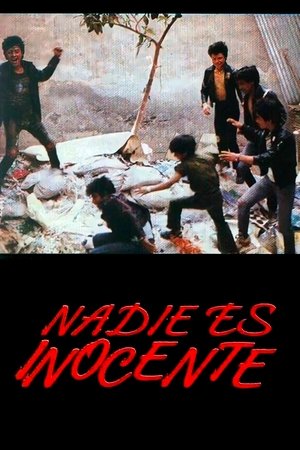
"Kara", in an attempt to extinguish the fire that burns him and to flee from drugs and his own frustration, sets out on a train journey. On his trip he nostalgically recalls all kinds of scenes with his gang the "Punk Shits" in Ciudad Neza.

80%
From Us To Me / Vom Wir zum Ich(de)
1988-11-29
This first co-production between the GDR and Great Britain is intended to contribute to an understanding of the situation and attitudes of millions of working people in opposing social orders. Using the example of shipyard workers, fishermen, the brigade and family of a trade union active cook and unemployed person of various ages and professions in Newcastle on the one hand and a brigade of crane operators of the Warnowwerft and fishermen of the Warnemünde cooperative on the other hand, insights into the way of life and attitudes of people of our time are to be conveyed.
49%
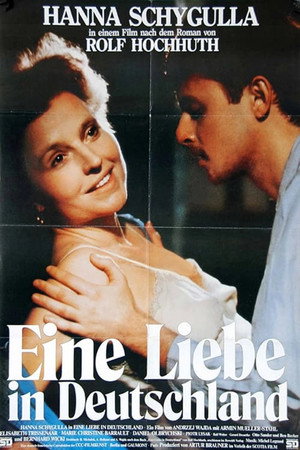
A Love in Germany(de)
1983-10-26
In May of 1983, a man turns 49 and, with his 17-year old son, journeys to the village in Baden that he left 40 years before. He wants to discover what happened then, the truth about an affair his mother had with a young Polish prisoner of war, how the authorities came to learn of it, the lovers' arrest, and the aftermath. While his son takes Polaroid photographs, he retraces the steps of his childhood and interviews those who should remember. The story is disclosed in flashbacks that focus on the lovers (Paulina and Stanislaus), on a jealous and conniving neighbor, and on Mayer, the local SS commander who wants to find a way out of inevitable consequences.

80%
Handicap, aux origines du combat(fr)
2025-06-23
67%
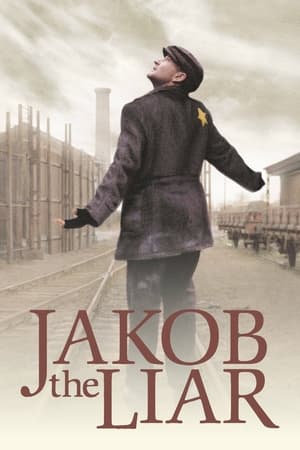
Jakob the Liar(en)
1999-09-16
In 1944 Poland, a Jewish shop keeper named Jakob is summoned to ghetto headquarters after being caught out after curfew. While waiting for the German Kommondant, Jakob overhears a German radio broadcast about Russian troop movements. Returned to the ghetto, the shopkeeper shares his information with a friend and then rumors fly that there is a secret radio within the ghetto.
0%
Ante Meridiem(es)
2022-12-11
Ante Meridiem is a sensory journey through the first hours of dawn. Kind but vehement, he explores the dichotomy between silence and bustle, patience and haste, taking both to their ultimate consequences.
78%
Dogville(en)
2003-05-21
A woman on the run from the mob is reluctantly accepted in a small Colorado community in exchange for labor, but when a search visits the town, she learns that their support has a price.

55%
The Sound of Identity(en)
2020-08-22
In the spotlight of global media coverage, the first transgender woman ever to perform as Don Giovanni in a professional opera, makes her historic debut in one of the reddest states in the U.S.
80%
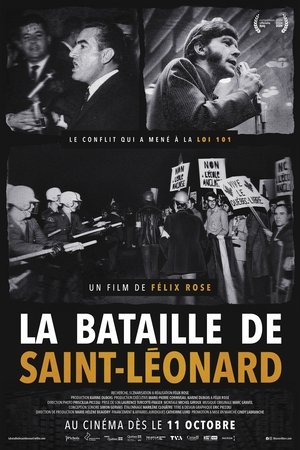
La bataille de Saint-Léonard(fr)
2024-10-11
92%
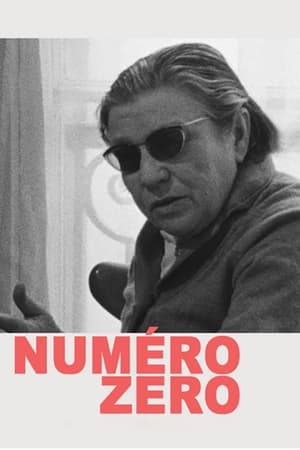
Numéro zéro(fr)
1971-01-01
A family portrait in which the director profiles his grandmother, Odette Robert. Eustache includes in the film the conditions of its production — he is seated at the table with her, pours her some whiskey, speaks with the camera operator, manipulates the clapboard at the head and tail of the reels, and even takes a phone call. Robert, who was seventy-one, speaks rapidly and tells the story of her life, starting from her early childhood in villages in the Bordeaux region of France. A shorter version of the film ("Odette Robert") was edited in 1980 to be broadcast on television on TF1. The complete film only gained exposure in 2002, when it was salvaged by Boris Eustache, Thierry Lounas, João Bénard da Costa, Jean-Marie Straub, and Pedro Costa.
86%
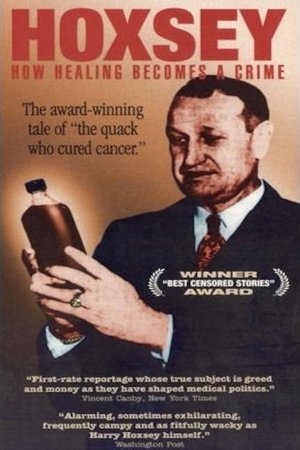
Hoxsey: When Healing Becomes a Crime(en)
2005-05-17
In the 1920s, former coal miner Harry Hoxsey claimed to have an herbal cure for cancer. Although scoffed at and ultimately banned by the medical establishment, by the 1950s, Hoxsey's formula had been used to treat thousands of patients, who testified to its efficacy. Was Hoxsey's recipe the work of a snake-oil charlatan or a legitimate treatment? Ken Ausubel directs this keen look into the forces that shape the policies of organized medicine.