
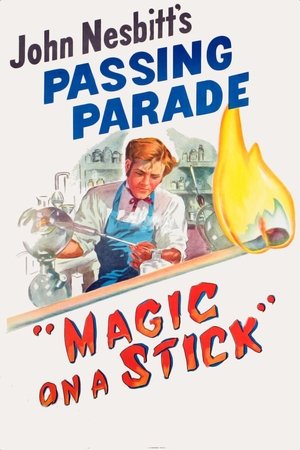
Magic on a Stick(1946)
This MGM Passing Parade series short recounts how English chemist John Walker invented the wooden friction match during the 1820s.

Movie: Magic on a Stick
Top 3 Billed Cast

Narrator (voice)

John Walker (uncredited)

Mrs. John Walker (uncredited)
Recommendations Movies
The Current War(en)
Electricity titans Thomas Edison and George Westinghouse compete to create a sustainable system and market it to the American people.

Miss Austen Regrets(en)
Jane Austen is about to turn 40, but she still hasn't found her ideal man. When Jane is approached by her niece Fanny and asked to help select the perfect husband for the young girl, the aging spinster begins to wonder why it is that she never found a man to share her own life with.
Out of Africa(en)
Tells the life story of Danish author Karen Blixen, who at the beginning of the 20th century moved to Africa to build a new life for herself. The film is based on her 1937 autobiographical novel.
In Old Chicago(en)
The O'Leary brothers -- honest Jack and roguish Dion -- become powerful figures, and eventually rivals, in Chicago on the eve of its Great Fire.
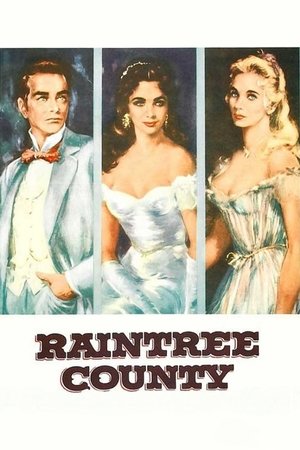
Raintree County(en)
In 1859, idealist John Wickliff Shawnessey, a resident of Raintree County, Indiana, is distracted from his high school sweetheart Nell Gaither by Susanna Drake, a rich New Orleans girl. This love triangle is further complicated by the American Civil War, and dark family history.

Sergeant York(en)
Alvin York a hillbilly sharpshooter transforms himself from ruffian to religious pacifist. He is then called to serve his country and despite deep religious and moral objections to fighting becomes one of the most celebrated American heroes of WWI.
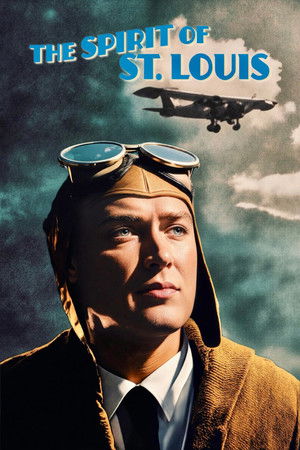
The Spirit of St. Louis(en)
In 1927, Charles Lindbergh struggles to finance and design an airplane that will make his New York to Paris flight the first solo transatlantic crossing.
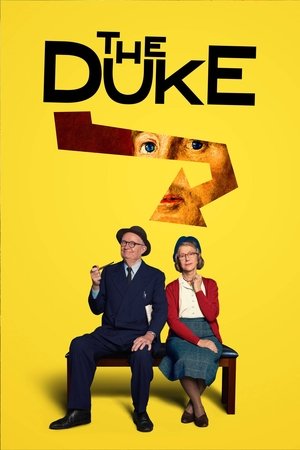
The Duke(en)
In 1961, a 60-year-old taxi driver stole Goya’s portrait of the Duke of Wellington from the National Gallery in London. It was the first (and remains the only) theft in the Gallery’s history. What happened next became the stuff of legend.
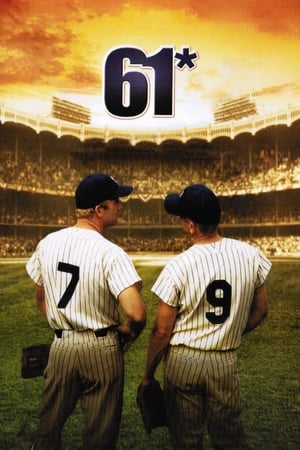


Safety(en)
The story of Ray-Ray McElrathbey, a freshman football player for Clemson University, who secretly raised his younger brother on campus after his home life became too unsteady.
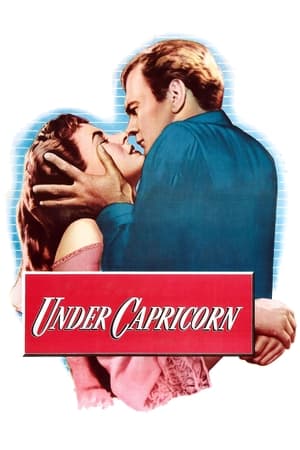
Under Capricorn(en)
A British ex-convict in colonial Australia and his fragile wife, haunted by the past crime that binds them, struggle to rebuild their lives when a young newcomer stirs long-buried passions and secrets.
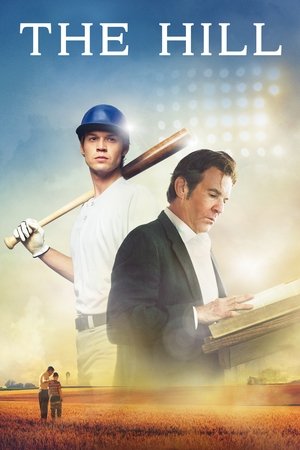
The Hill(en)
The story of Rickey Hill, who overcomes his physical disability and repairs his relationship with his father in a quest to become a major league baseball (MLB) player.
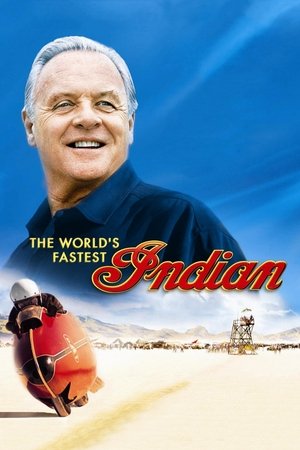
The World's Fastest Indian(en)
The life story of New Zealander Burt Munro, who spent years building a 1920 Indian motorcycle—a bike which helped him set the land-speed world record at Utah's Bonneville Salt Flats in 1967.
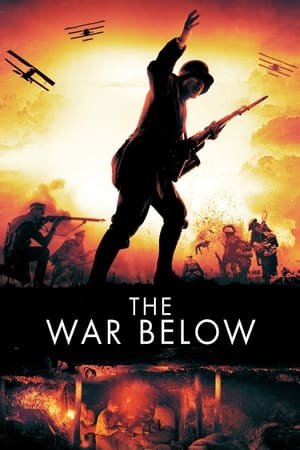
The War Below(en)
During World War I, a group of British miners are recruited to tunnel underneath no man's land and set bombs from below the German front in hopes of breaking the deadly stalemate of the Battle of Messines.
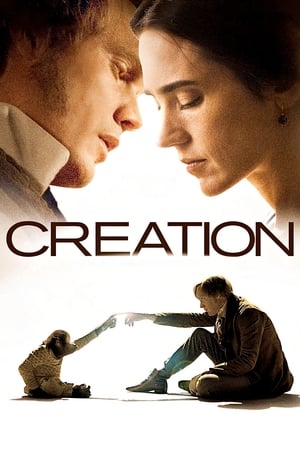
Creation(en)
A psychological, heart-wrenching love story that provides a unique and inside look at Charles Darwin. Torn between faith and science, he struggles to finish his legendary book "On the Origin of the Species," which goes on to become the foundation for evolutionary biology.

Coal Miner's Daughter(en)
Biography of Loretta Lynn, a country and western singer that came from poverty to fame.
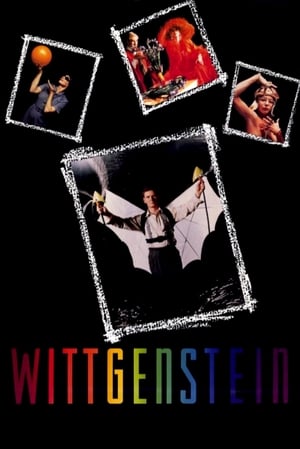
Wittgenstein(en)
A dramatization, in modern theatrical style, of the life and thought of the Viennese-born, Cambridge-educated philosopher Ludwig Wittgenstein, whose principal interest was the nature and limits of language. A series of sketches depict the unfolding of his life from boyhood, through the era of the first World War, to his eventual Cambridge professorship and association with Bertrand Russell and John Maynard Keynes. The emphasis in these sketches is on the exposition of the ideas of Wittgenstein, a homosexual, and an intuitive, moody, proud, and perfectionistic thinker generally regarded as a genius.
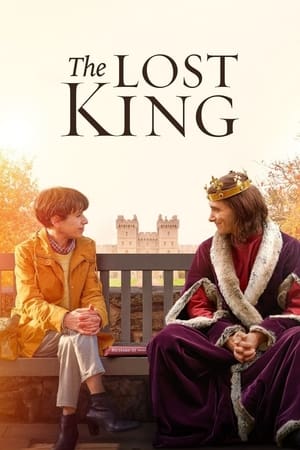
The Lost King(en)
An amateur historian defies the academic establishment in her efforts to find King Richard III's remains, which were lost for over 500 years.
A Passage to India(en)
Cultural mistrust and false accusations doom a friendship in British colonial India between an Indian doctor, an Englishwoman engaged to marry a city magistrate, and an English educator.
Similar Movies
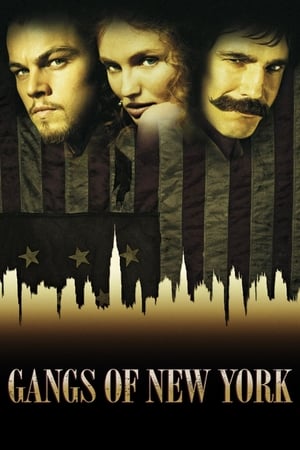
Gangs of New York(en)
In early 1860s New York, Irish immigrant Amsterdam Vallon is released from prison and returns to the Five Points, seeking revenge against his father's killer, William Cutting, a powerful anti-immigrant gang leader. He knows that revenge can only be attained by infiltrating Cutting's inner circle. Vallon's journey becomes a fight for personal survival and to find a place for the Irish people.

Kherson: Human Safari(en)
Kherson, Ukraine's embattled city, has endured invasion, occupation, and liberation. On February 24, 2022, Russian tanks entered Kherson, leading to brutal occupation marked by violence. Despite being outnumbered, local defense forces resisted, and citizens protested under the slogan "Kherson is Ukraine!" An underground resistance formed, led by brave individuals like journalist Valentyna and others who risked arrest and torture to support the cause. After nine months, Ukrainian forces liberated Kherson, but Russian destruction left the city in chaos. Shelling and drone attacks became relentless, and in June 2023, a dam explosion flooded the city, causing further devastation. Despite these challenges, Kherson's spirit remained unbroken, with citizens embracing arts and resilience. By August 2024, drone attacks specifically targeted civilians, yet the city resisted, determined to rebuild and reclaim its identity, refusing to succumb to ruin.
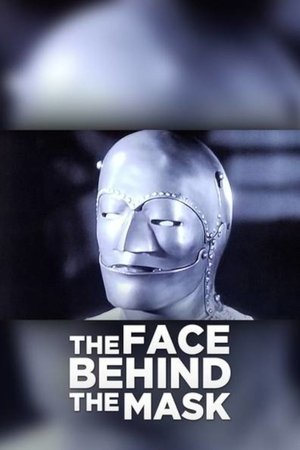
The Face Behind the Mask(en)
This dramatized short film describes the historical mystery of France's "man in the iron mask". King Louis XIV imprisoned a man who was never identified, but who was forced to wear an iron mask for the length of his captivity, which ended only in his death. Several candidates for the identity of the man are investigated.
The Promised Land(pl)
In nineteenth-century Łódź, Poland, three friends want to make a lot of money by building and investing in a textile factory. An exceptional portrait of rapid industrial expansion is shown through the eyes of one Polish town.
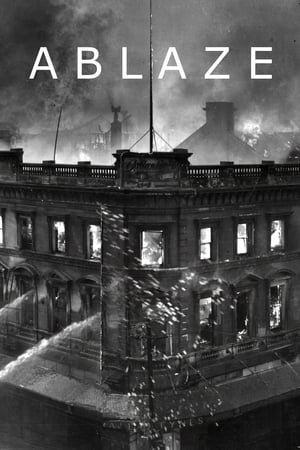
Ablaze(en)
In November 1947 forty-one people died in a massive blaze that gutted the huge Ballantynes Department Store complex in the heart of Christchurch’s business district. This is the tragic story of New Zealand’s worst fire disaster.
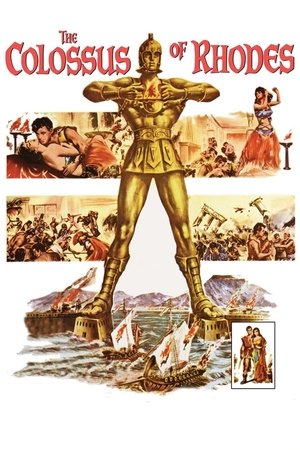
The Colossus of Rhodes(it)
While on holiday in Rhodes, Athenian war hero Darios becomes involved in two different plots to overthrow the tyrannical king, one from Rhodian patriots and the other from sinister Phoenician agents.
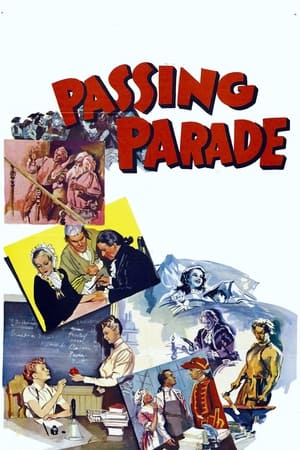
Mr. Whitney Had a Notion(en)
Historical short showing how Eli Whitney (best known for the invention of the cotton gin) played a significant role in the introduction of mass production techniques to the USA in the late 18th century.
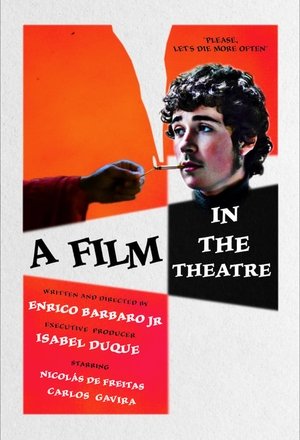
A Film in the Theatre(en)
Eusebio José Fernández López Reboredo Bergamín is a teenager in the 1960s whose dream is to be a movie director, but General Francisco Franco prohibited in 1964 all types of art. A coincidental encounter with another artist, named Antonio Mínguez, will change his life.
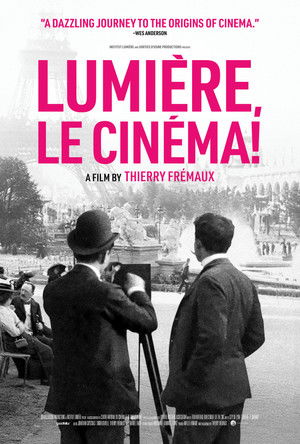
Lumière, Le Cinéma!(fr)
In one of those wonderful coincidences of history, lumière, the French word for “light,” was also the last name of brothers Auguste and Louis, whose brilliant invention, the cinematograph, helped to inaugurate the most beloved art form of the last 130 years. Institute Lumière director Thierry Frémaux uses Lumière, Le Cinema! to guide the viewer through over a hundred shorts—some famous, some forgotten, some never before seen—directed by Lumière and company. In the process, Frémaux illuminates how the brothers employed the camera as a creative instrument as they (and their operators) mastered framing, staging, and subject selection for quotidian and exotic microdocumentaries as well as the first ever fictional motion pictures. The result is not only a glorious re(telling) of the genesis of cinema but a profound meditation on the beautiful world captured—and the mysterious world imagined—by the Lumières.
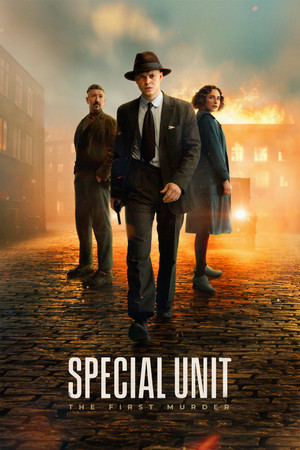
Special Unit - The First Murder(da)
Denmark in 1927. The ambitious police officer Otto Himmelstrup leads the newly formed Special Unit, which is tasked with assisting local police in solving particularly difficult crimes. When a body is found in a burnt-out summer house in Esbjerg, Otto and his team begin to unravel an unusual murder mystery, revealing power struggles and corruption among the city’s elite. The closer the unit gets to the truth, the more dangerous it becomes. Soon, Otto finds himself not only battling powerful enemies but also confronting his own dark side in his quest to solve the case.
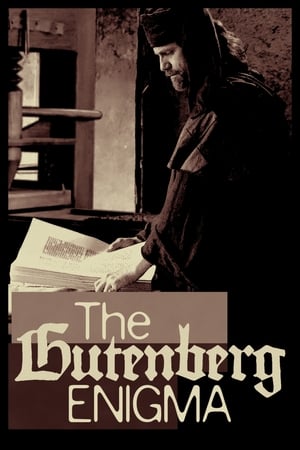
The Gutenberg Enigma(fr)
A portrait of the inventor of the letterpress, who was a key figure in the history of mankind, but also an enthusiastic inventor, a daring businessman, a tenacious troublemaker: the life of Johannes Gutenberg (circa 1400-68).
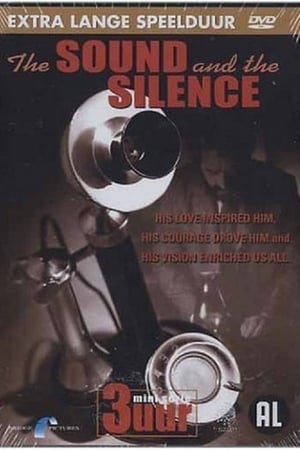
The Sound and the Silence: The Alexander Graham Bell Story(en)
True story of Alexander Graham Bell's invention of the telephone, inspired by his mother.

Dreams(en)
This entry in MGM's Passing Parade series looks at the meaning of dreams, including one by Abraham Lincoln that foretold his death.
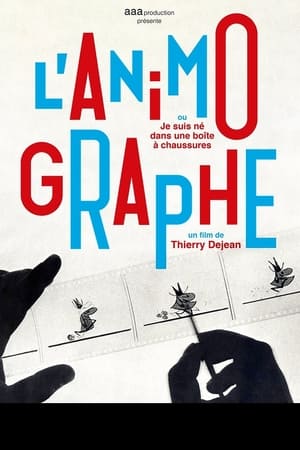
The Animograph, or I Was Born in a Shoebox(fr)
The amazing story of the animograph, a machine created in France in the sixties by the cartoonist and self-taught inventor Jean Dejoux (1922-2015), whose creation was intended to revolutionize the animation industry.
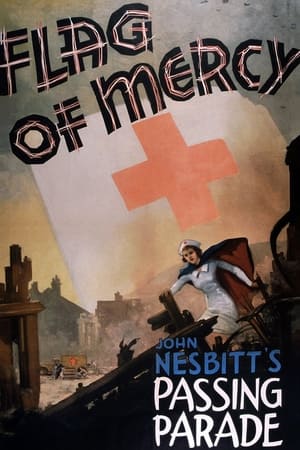
Flag of Mercy(en)
The 1939 dramatic short "Angel of Mercy," about Red Cross founder Clara Barton, is reedited to relate the story to America's involvement in World War II. Edited from Angel of Mercy (1939)

The Electrical Life of Louis Wain(en)
The extraordinary true story of eccentric British artist Louis Wain, whose playful, sometimes even psychedelic pictures helped to transform the public's perception of cats forever.
The Film That Was Lost(en)
In this John Nesbitt's Passing Parade short, a look is taken at the problems of film preservation efforts in the 1930s and early 1940s.
Souvenirs of Death(en)
This MGM John Nesbitt's Passing Parade series short tells the story of how a Mauser pistol used on the battlefield by Germans during WWII makes its way into the hands of an American gangster.
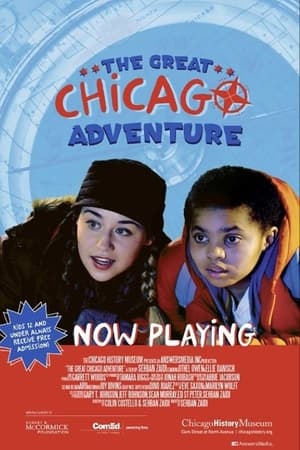
The Great Chicago Adventure(en)
For those who heart history and the great city of Chicago, this film will take you through time with a small child and his nervous babysitter. Feel the intensity of the Great Chicago Fire and splendor of the World’s Columbian Exposition. Explore the sights of bustling Maxwell Street in the 1950s and peer down from an I-beam of the Sears Tower in the 1970s. Relive Chicago sports victories and cheer on President Obama during his Grant Park victory speech.