

Dietrich Kuhlbrodt im Gespräch mit Werner Schroeter(2008)
Discussion between Werner Schroeter and critic Dietrich Kuhlbrodt at the Vienna International Film Festival 2008.
Movie: Dietrich Kuhlbrodt im Gespräch mit Werner Schroeter
HomePage
Overview
Discussion between Werner Schroeter and critic Dietrich Kuhlbrodt at the Vienna International Film Festival 2008.
Release Date
2008-11-13
Average
0
Rating:
0.0 startsTagline
Genres
Languages:
Recommendations Movies

Before Sunrise(en)
An unexpected meeting on a train leads two travelers to spend an evening wandering through Vienna. As the night unfolds, they share stories and conversations about life and love, exploring new ideas while a quiet intimacy grows between them, knowing it may be their only night together.
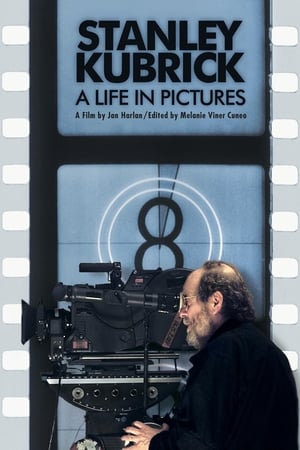
Stanley Kubrick: A Life in Pictures(en)
With commentary from Hollywood stars, outtakes from his movies and footage from his youth, this documentary looks at Stanley Kubrick's life and films. Director Jan Harlan, Kubrick's brother-in-law and sometime collaborator, interviews heavyweights like Jack Nicholson, Woody Allen and Sydney Pollack, who explain the influence of Kubrick classics like "Dr. Strangelove" and "2001: A Space Odyssey," and how he absorbed visual clues from disposable culture such as television commercials.
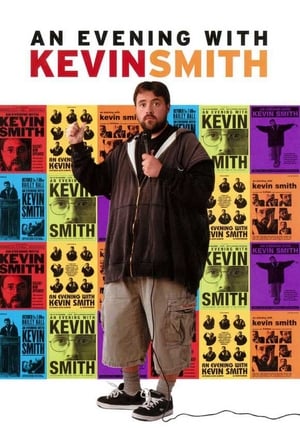
An Evening with Kevin Smith(en)
Kevin Smith interacts in Q&A sessions throughout various college stops in the USA.
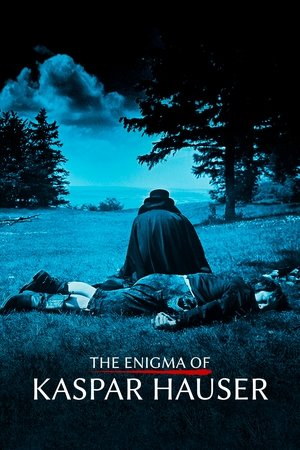
The Enigma of Kaspar Hauser(de)
The film follows Kaspar Hauser, who lived the first seventeen years of his life chained in a tiny cellar with only a toy horse to occupy his time, devoid of all human contact except for a man who wears a black overcoat and top hat who feeds him.
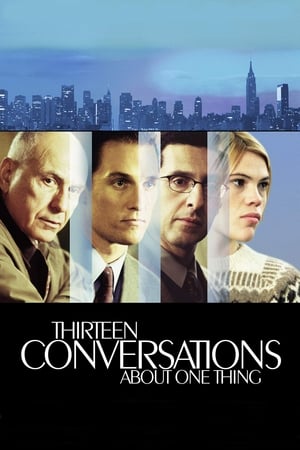
Thirteen Conversations About One Thing(en)
In New York City, the lives of a lawyer, an actuary, a house-cleaner, a professor, and the people around them intersect as they ponder order and happiness in the face of life's cold unpredictability.
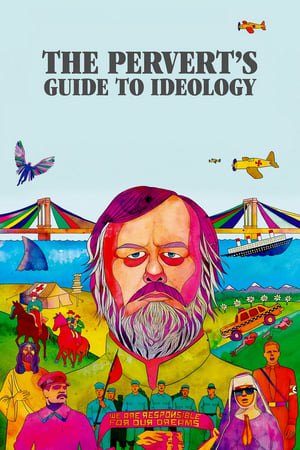
The Pervert's Guide to Ideology(en)
A journey into the labyrinthine heart of ideology, which shapes and justifies both collective and personal beliefs and practices: with an infectious zeal and voracious appetite for popular culture, Slovenian philosopher and psychoanalyst Slavoj Žižek analyzes several of the most important films in the history of cinema to explain how cinematic narrative helps to reinforce prevailing ethics and political ideas.

Hitchcock/Truffaut(en)
Filmmakers discuss the legacy of Alfred Hitchcock and the book “Hitchcock/Truffaut” (“Le cinéma selon Hitchcock”), written by François Truffaut and published in 1966.
A Hidden Life(en)
Austrian farmer Franz Jägerstätter faces the threat of execution for refusing to fight for the Nazis during World War II.
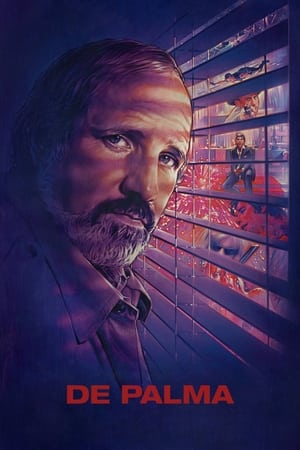
De Palma(en)
An intimate conversation between filmmakers, chronicling De Palma’s 55-year career, his life, and his filmmaking process, with revealing anecdotes and, of course, a wealth of film clips.
The Addiction(en)
A vampiric doctoral student tries to follow the philosophy of a nocturnal comrade and control her thirst for blood.
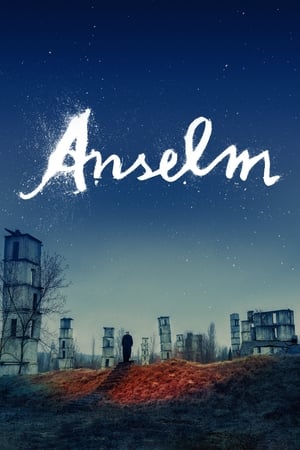
Anselm(de)
This unique cinematic experience dives deep into an artist’s work and reveals his life path, inspiration, and creative process. It explores his fascination with myth and history. Past and present are interwoven to diffuse the line between film and painting, allowing the audience to be completely immersed in the remarkable world of one of the greatest contemporary artists, Anselm Kiefer. Wim Wenders shot this unique portrait over the course of two years in stunning 3D.
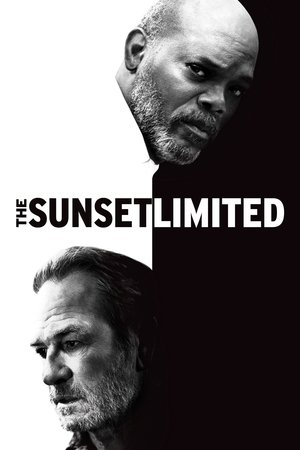
The Sunset Limited(en)
A deeply religious black ex-con thwarts the suicide attempt of an asocial white college professor who tries to throw himself in front of an oncoming subway train, 'The Sunset Limited.' As the one attempts to connect on a rational, spiritual and emotional level, the other remains steadfast in his hard-earned despair. Locked in a philosophical debate, both passionately defend their personal credos and try to convert the other.
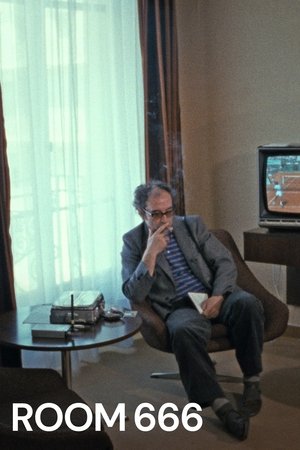
Room 666(en)
During the 1982 Cannes Film Festival, Wim Wenders asked a number of global film directors to, one at a time, go into a hotel room, turn on the camera, and answer a simple question: "What is the future of cinema?"
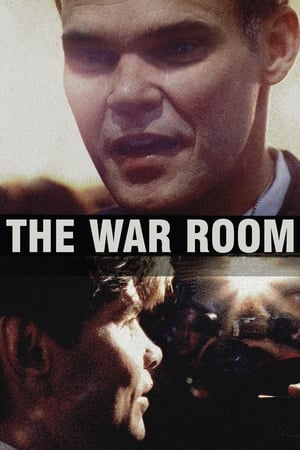
The War Room(en)
A behind-the-scenes documentary about the Clinton for President campaign, focusing on the adventures of spin doctors James Carville and George Stephanopoulos.
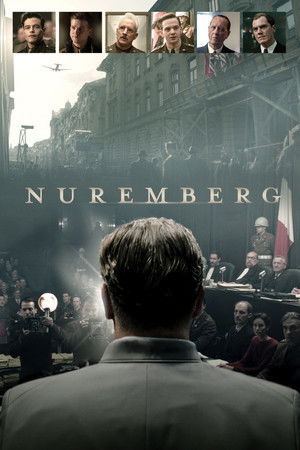
Nuremberg(en)
In postwar Germany, an American psychiatrist must determine whether Nazi prisoners are fit to go on trial for war crimes, and finds himself in a complex battle of intellect and ethics with Hermann Göring, Hitler's right-hand man.
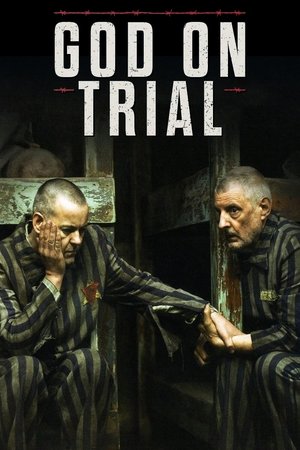
God on Trial(en)
In the Jewish tradition of arguing with God, Jewish prisoners in Auschwitz decide to put God on Trial.
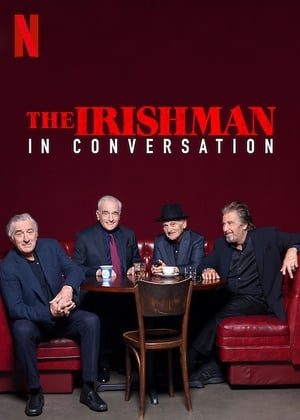
The Irishman: In Conversation(en)
Martin Scorsese, Robert De Niro, Joe Pesci, and Al Pacino in conversation about The Irishman.
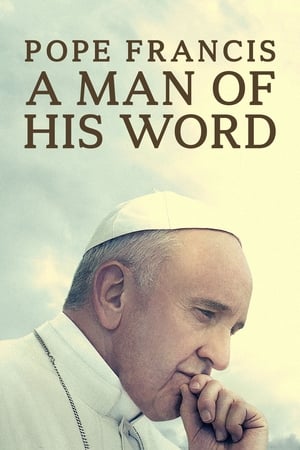
Pope Francis: A Man of His Word(en)
Pope Francis responds to questions from around the world, discussing topics including ecology, immigration, consumerism and social justice.
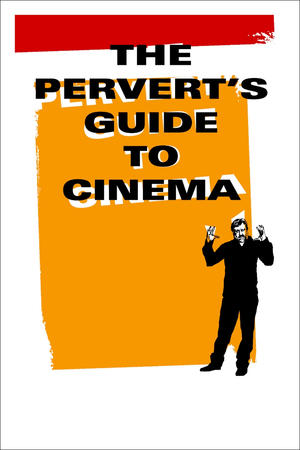
The Pervert's Guide to Cinema(en)
A hilarious introduction, using as examples some of the best films ever made, to some of Slovenian philosopher and psychoanalyst Slavoj Žižek's most exciting ideas on personal subjectivity, fantasy and reality, desire and sexuality.
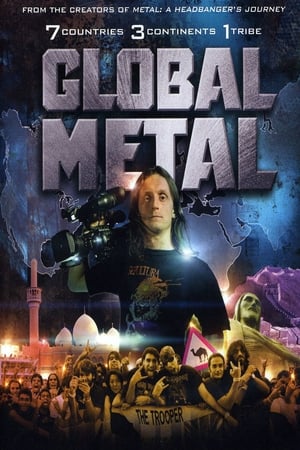
Global Metal(en)
In GLOBAL METAL, directors Scot McFadyen and Sam Dunn set out to discover how the West's most maligned musical genre - heavy metal - has impacted the world's cultures beyond Europe and North America. The film follows metal fan and anthropologist Sam Dunn on a whirlwind journey through Asia, South America and the Middle East as he explores the underbelly of the world's emerging extreme music scenes; from Indonesian death metal to Chinese black metal to Iranian thrash metal. GLOBAL METAL reveals a worldwide community of metalheads who aren't just absorbing metal from the West - they're transforming it - creating a new form of cultural expression in societies dominated by conflict, corruption and mass-consumerism.