

Omar & Pete(2005)
Omar and Pete are determined to change their lives. Both have been in and out of prison for more than 30 years — never out longer than six months. This intimate and penetrating film follows these two longtime African-American friends after what they hope will be their final release. Their lives take divergent paths in their native Baltimore as one wrestles with addiction and fear while the other finds success and freedom through helping others. With extraordinary cooperation from Maryland's innovative reentry programs — many run by former drug addicts and convicts themselves — Omar & Pete also provides a rare glimpse into an intense and very personal web of support.
Movie: Omar & Pete
HomePage
Overview
Omar and Pete are determined to change their lives. Both have been in and out of prison for more than 30 years — never out longer than six months. This intimate and penetrating film follows these two longtime African-American friends after what they hope will be their final release. Their lives take divergent paths in their native Baltimore as one wrestles with addiction and fear while the other finds success and freedom through helping others. With extraordinary cooperation from Maryland's innovative reentry programs — many run by former drug addicts and convicts themselves — Omar & Pete also provides a rare glimpse into an intense and very personal web of support.
Release Date
2005-09-13
Average
0
Rating:
0.0 startsTagline
Genres
Languages:
EnglishKeywords
Recommendations Movies
The Alabama Solution(en)
Incarcerated men defy the odds to expose a cover-up in one of America’s deadliest prison systems.

The Arbor(en)
The lives of the late Bradford playwright Andrea Dunbar and Lorraine, one of her daughters, and the community of Bradford, in the 30 years since the 18-year-old Andrea penned a play about growing up in the community titled "The Arbor".
The Menendez Brothers(en)
Serving life in prison for murdering their parents, Lyle and Erik Menendez speak out in this documentary explaining the shocking crime and ensuing trials.
Evil Influencer: The Jodi Hildebrandt Story(en)
Unravel the case of Utah therapist Jodi Hildebrandt, whose child abuse arrest with parenting YouTuber Ruby Franke exposed a twisted tale of manipulation.

Night Will Fall(en)
When Allied forces liberated the Nazi concentration camps in 1944-45, their terrible discoveries were recorded by army and newsreel cameramen, revealing for the first time the full horror of what had happened. Making use of British, Soviet and American footage, the Ministry of Information’s Sidney Bernstein (later founder of Granada Television) aimed to create a documentary that would provide lasting, undeniable evidence of the Nazis’ unspeakable crimes. He commissioned a wealth of British talent, including editor Stewart McAllister, writer and future cabinet minister Richard Crossman – and, as treatment advisor, his friend Alfred Hitchcock. Yet, despite initial support from the British and US Governments, the film was shelved, and only now, 70 years on, has it been restored and completed by Imperial War Museums under its original title "German Concentration Camps Factual Survey".

Life Itself(en)
The surprising and entertaining life of renowned film critic and social commentator Roger Ebert (1942-2013): his early days as a freewheeling bachelor and Pulitzer Prize winner, his famously contentious partnership with Gene Siskel, his life-altering marriage, and his brave and transcendent battle with cancer.
Take Your Pills(en)
In a hypercompetitive world, drugs like Adderall offer students, athletes, coders and others a way to do more -- faster and better. But at what cost?
McQueen(en)
Alexander McQueen's rags-to-riches story is a modern-day fairy tale, laced with the gothic. Mirroring the savage beauty, boldness and vivacity of his design, this documentary is an intimate revelation of McQueen's own world, both tortured and inspired, which celebrates a radical and mesmerizing genius of profound influence.
LA Originals(en)
Photographer Estevan Oriol and artist Mister Cartoon turned their Chicano roots into gritty art, impacting street culture, hip hop and beyond.

Gilbert(en)
The life and career of one of comedy's most inimitable modern voices, Mr. Gilbert Gottfried.

Welcome to Chechnya(en)
This searing investigative work shadows a group of activists risking unimaginable peril to confront the ongoing anti-LGBTQ program raging in the repressive and closed Russian republic. Unfettered access and a remarkable approach to protecting anonymity exposes this under-reported atrocity–and an extraordinary group of people confronting evil.


Orgasm Inc: The Story of OneTaste(en)
A sexual wellness company gains fame and followers, then members come forward with shocking allegations.


Love, Antosha(en)
From a prolific career in film and television, Anton Yelchin left an indelible legacy as an actor. Through his journals and other writings, his photography, the original music he wrote, and interviews with his family, friends, and colleagues, this film looks not just at Anton's impressive career, but at a broader portrait of the man.
Overnight(en)
Alternately hilarious and horrifying, Overnight chronicles one man's misadventures of making a Hollywood movie. It starts out as a rags to riches story as Troy Duffy, a Boston-bred bartender, sells his first screenplay for The Boondock Saints.
Nobody Speak: Trials of the Free Press(en)
The courtroom and publicity battles between the superstar wrestler and the notorious website explode in a sensational trial all about the limits of the First Amendment and the new no holds barred nature of celebrity life in an internet dominated society.
Similar Movies
Man on Wire(en)
On August 7th 1974, French tightrope walker Philippe Petit stepped out on a high wire, illegally rigged between New York's World Trade Center twin towers, then the world's tallest buildings. After nearly an hour of performing on the wire, 1,350 feet above the sidewalks of Manhattan, he was arrested. This fun and spellbinding documentary chronicles Philippe Petit's "highest" achievement.

Jailbreak: Love on the Run(en)
An Alabama corrections officer falls in love with a man awaiting trial for murder and risks it all to help him escape.
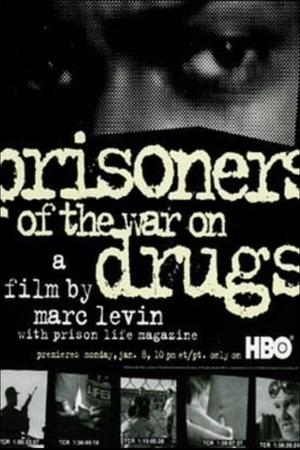
Prisoners of the War on Drugs(en)
From its beginning during the Reagan years through current times, the War on Drugs has left many victims stranded in the prison system. PRISONERS OF THE WAR ON DRUGS reveals life behind bars in the nation’s prisons. Each prisoner has his or her own story, but for most, the story is predictably similar; they have been criminalized for drugs or drug related offenses, locked up with easy access to substances, and given little opportunity for rehabilitation. This film provides an inside look at the prison system, its prisoners and a war on drugs we do not seem to be winning.
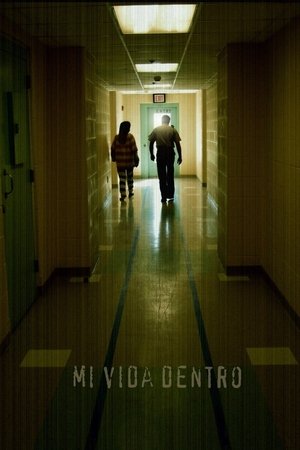
My Life Inside(es)
Rosa is a Mexican woman who, at the age of 17, migrated illegally to Austin, Texas. Some years later, she was jailed under suspicion of murder and then taken to trial. This film demonstrates how the judicial process, the verdict, the separation from her family, and the helplessness of being imprisoned in a foreign country make Rosa’s story an example of the hard life of Mexican migrants in the United States.

Catapult(de)
Norbert Witte, once the king of the only amusement park of the former GDR, today he is behind bars in Germany. When fleeing bankruptcy in Berlin, Norbert Witte and his family secretly shipped their rollercoasters to Peru. Things went wrong here too. In a desperate attempt, Norbert tried to smuggle cocaine to Germany. Three years later his 23 years old son Marcel was sentenced to 20 years in a Peruvian prison. Now the father is doing everything he can in order to free his son.
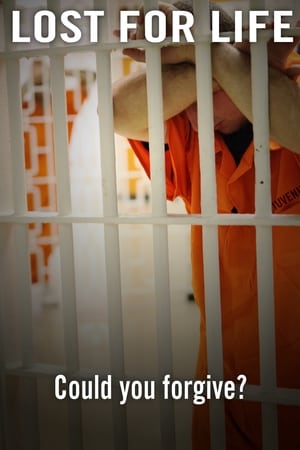
Lost for Life(en)
A documentary about juveniles who are serving life in prison without parole and their victims' families.
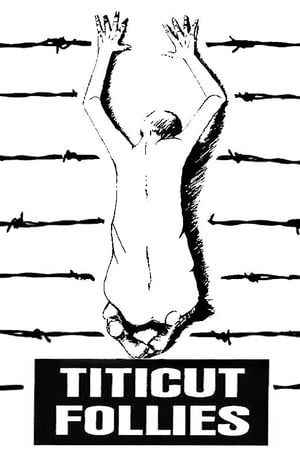
Titicut Follies(en)
A stark and graphic portrayal of the conditions that existed at the State Prison for the Criminally Insane at Bridgewater, Massachusetts, and documents the various ways the inmates are treated by the guards, social workers, and psychiatrists.

Rikers(en)
This film from Bill Moyers is the first documentary to focus exclusively on people formerly detained in New York City’s notorious Rikers Island Jail. They tell their compelling stories direct to the camera, revealing the violent arc of the Rikers experience – from the trauma of entry to extortion and control by inmates, to oppressive corrections officers, violence and solitary confinement.
The Story of Junkie Junior(en)
A five-year portrait of Junior Rios' descent into the black hole of drug addiction which will ultimately cost him everything.
Three Days and Never Again(ru)
Alexander Birgukov shot and killed his two commanding officers. He was sentenced to death but when it was alleged that one of his victims had sexually harassed him, his sentence was commuted to life in prison. Tenderly revealing two lives lived in limbo, this film bears witness to the first and final visit of his mother, Lubyov.
Locked Up in America - Solitary Nation and Prison State(en)
For decades, the United States has been fixated on incarceration, building prisons and locking up more and more people. But at what cost, and has it really made a difference? FRONTLINE goes to the epicenter of the raging debate about incarceration in America, focusing on the controversial practice of solitary confinement and on new efforts to reduce the prison population, as officials are rethinking what to do with criminals.

Unthinkable: The Susan Smith Story(en)
Hear from the prosecutors who handled Susan Smith's case and why authorities doubted her story from the beginning. The boys' father, David Smith, talks about why he believes 30 years in prison isn't long enough for Susan and what he's prepared to tell a SC Board of Pardons and Paroles to keep her behind bars.
Inside The Mob's Bloody Valentine(en)
The St. Valentine's Day massacre is the stuff of American legend, and the tale is familiar to nearly everyone. But the story of that bloody day in Chicago has never been told, or seen, like this before. Cutting-edge graphics and frenetic recreations accompany Johnny Fratto, son of onetime Al Capone-associate Louis "Lew" Fratto, back to Chicago, where he uncovers massacre myths and learns more about the life his father and uncles led when they roamed those lawless streets in the 1920s. Johnny gets guidance and opinions from a team of renowned Chicago gangster experts, and bridges the gap between the stories he heard as a little boy and the reality he lived growing up in a mob family. Johnny's take about what happened on Feb. 14, 1929 will surprise you.
The Forgiveness(ca)
Andrés Rabadán was headline news after killing his father with a crossbow. But beyond the chatter of the media, what is the true story of the young man who became known as the “maniac with the crossbow”?

La fuga(es)
The internal journey of eight men, who, through a theater workshop, go through the different prisons they inhabit. Practicing the art of seeing themselves, in Boal's words, this group of men reflects on their masculinity as a representation to hide their true strength: their vulnerability.
Thug Life in D.C.(en)
Aundrey Burno, a black youth looking down the wrong end of a murder charge -- for which a conviction could result in a lifetime in prison -- appears to be the epitome of an unrepentant thug. Speaking to viewers, he claims to have done whatever was necessary to survive on the mean streets, to earn the respect of his criminal peers. But as his case progresses and his younger brother, Kevin, faces the same choices he did -- to become a thug or not -- a very different Aundrey reveals himself.