
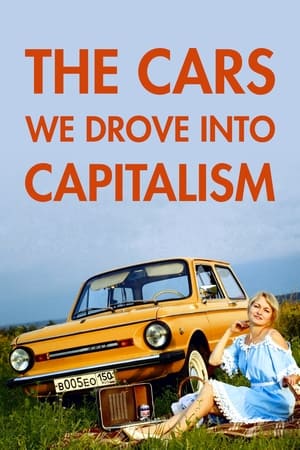
The Cars We Drove into Capitalism(2021)
A cinematic, character-driven insight to what it meant to produce and to own a car in communist times: the Socialist propaganda dreams and the hard reality of living that dream. The freedom that these slow and clumsy vehicles were giving to their owners; the cars as an instrument in the Cold War battle; legends and homemade tune-ups as an attempt to stand at least a little bit off the crowd.




Movie: The Cars We Drove into Capitalism
Top 10 Billed Cast
Self (archive footage)
Self (archive footage)
Self (archive footage)

Self (archive footage)
Video Trailer The Cars We Drove into Capitalism
Recommendations Movies
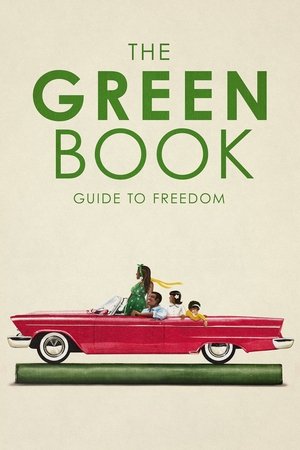
The Green Book: Guide to Freedom(en)
In 1936, Victor H. Green (1892-1960) published The Negro Motorist Green Book, a book that was both a travel guide and a survival manual, to help African-Americans navigate safe those regions of the United States where segregation and Jim Crow laws were disgracefully applied.
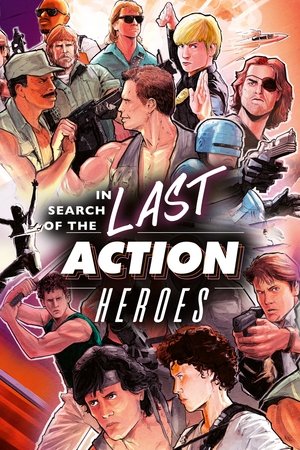
In Search of the Last Action Heroes(en)
The most comprehensive retrospective of the '80s action film genre ever made.
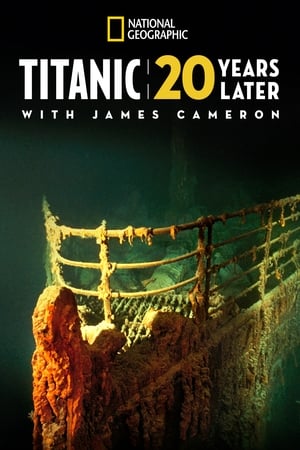
Titanic: 20 Years Later with James Cameron(en)
For the 20th anniversary of "Titanic," James Cameron reopens the file on the disaster.

Night Will Fall(en)
When Allied forces liberated the Nazi concentration camps in 1944-45, their terrible discoveries were recorded by army and newsreel cameramen, revealing for the first time the full horror of what had happened. Making use of British, Soviet and American footage, the Ministry of Information’s Sidney Bernstein (later founder of Granada Television) aimed to create a documentary that would provide lasting, undeniable evidence of the Nazis’ unspeakable crimes. He commissioned a wealth of British talent, including editor Stewart McAllister, writer and future cabinet minister Richard Crossman – and, as treatment advisor, his friend Alfred Hitchcock. Yet, despite initial support from the British and US Governments, the film was shelved, and only now, 70 years on, has it been restored and completed by Imperial War Museums under its original title "German Concentration Camps Factual Survey".

Phantom(en)
The haunted Captain of a Soviet submarine holds the fate of the world in his hands. Forced to leave his family behind, he is charged with leading a covert mission cloaked in mystery.
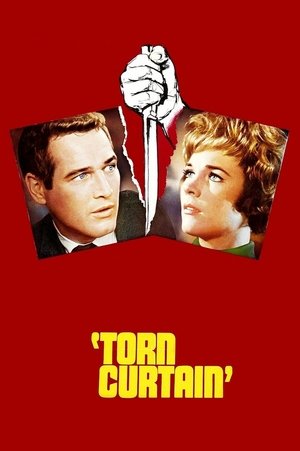
Torn Curtain(en)
During the Cold War, an American scientist appears to defect to East Germany as part of a cloak and dagger mission to find the formula for a resin solution—but the plan goes awry when his fiancee, unaware of his motivation, follows him across the border.
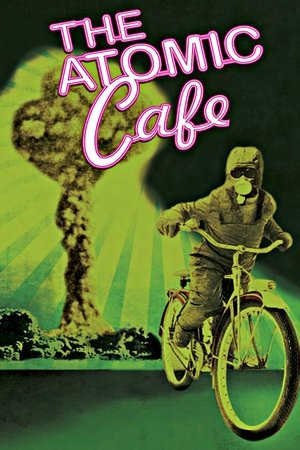
The Atomic Cafe(en)
A disturbing collection of 1940s and 1950s United States government-issued propaganda films designed to reassure Americans that the atomic bomb was not a threat to their safety.
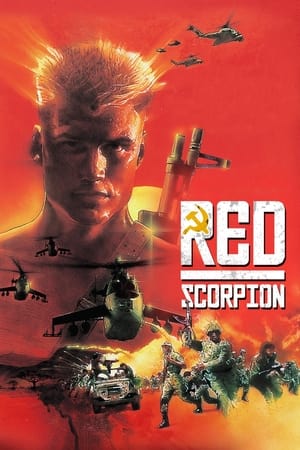
Red Scorpion(en)
A Soviet commando is sent to eliminate a rebel leader in Africa. Soon he finds himself doubting his mission.
Making Waves: The Art of Cinematic Sound(en)
The history of cinematic sound, told by legendary sound designers and visionary filmmakers.
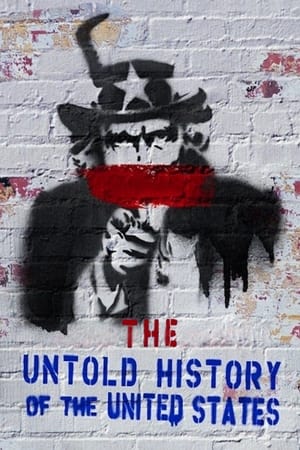
The Untold History Of The United States(en)
Oliver Stone charts the history of the United States from the Second World War to the present.
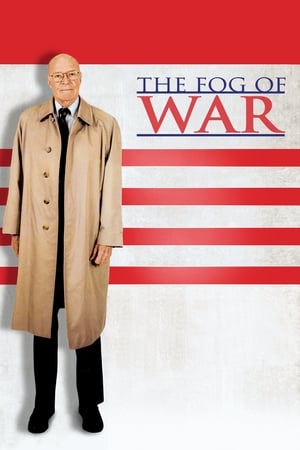
The Fog of War(en)
Using archival footage, cabinet conversation recordings, and an interview of the 85-year-old Robert McNamara, The Fog of War depicts his life, from working as a WWII whiz-kid military officer, to being the Ford Motor Company's president, to managing the Vietnam War as defense secretary for presidents Kennedy and Johnson.
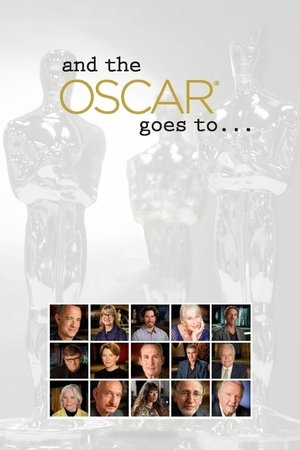
And the Oscar Goes To...(en)
The story of the gold-plated statuette that became the film industry's most coveted prize, AND THE OSCAR GOES TO... traces the history of the Academy itself, which began in 1927 when Louis B. Mayer, then head of MGM, led other prominent members of the industry in forming this professional honorary organization. Two years later the Academy began bestowing awards, which were nicknamed "Oscar," and quickly came to represent the pinnacle of cinematic achievement.
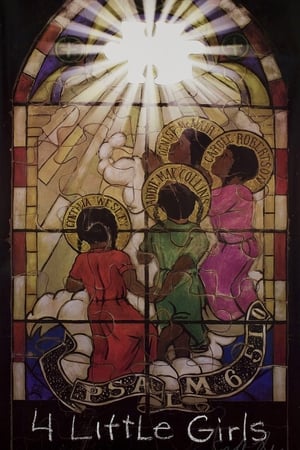
4 Little Girls(en)
On September 15, 1963, a bomb destroyed a black church in Birmingham, Alabama, killing four young girls who were there for Sunday school. It was a crime that shocked the nation--and a defining moment in the history of the civil-rights movement. Spike Lee re-examines the full story of the bombing, including a revealing interview with former Alabama Governor George Wallace.
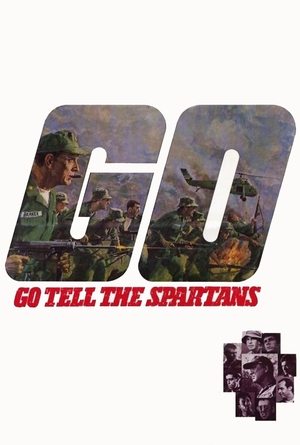
Go Tell the Spartans(en)
A unit of American military advisors in Vietnam prior to the major U.S. involvement finds similarities between their helpless struggle against the Viet Cong and the doomed actions of a French unit at the same site a decade before.
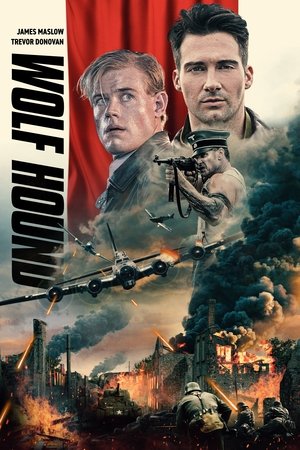
Wolf Hound(en)
Inspired by the real-life German special operations unit KG 200 that shot down, repaired, and flew Allied aircraft as Trojan horses, "Wolf Hound" takes place in 1944 German-occupied France and follows the daring exploits of Jewish-American fighter pilot Captain David Holden. Ambushed behind enemy lines, Holden must rescue a captured B-17 Flying Fortress crew, evade a ruthless enemy stalking him at every turn, and foil a plot that could completely alter the outcome of World War II.
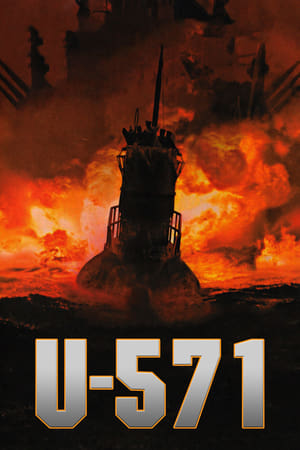
U-571(en)
In the midst of World War II, the battle under the sea rages and the Nazis have the upper hand as the Allies are unable to crack their war codes. However, after a wrecked U-boat sends out an SOS signal, the Allies realise this is their chance to seize the 'enigma coding machine'.
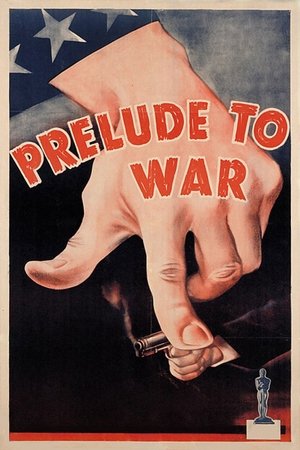
Why We Fight: Prelude to War(en)
Prelude to War was the first film of Frank Capra's Why We Fight propaganda film series, commissioned by the Pentagon and George C. Marshall. It was made to convince American troops of the necessity of combating the Axis Powers during World War II. This film examines the differences between democratic and fascist states.
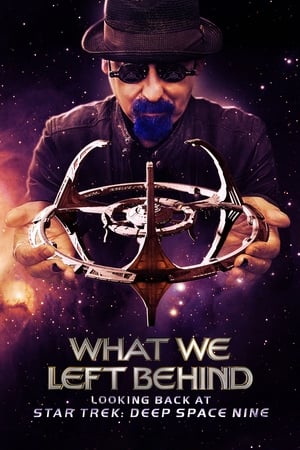
What We Left Behind: Looking Back at Star Trek: Deep Space Nine(en)
A documentary exploring the legacy of Star Trek: Deep Space Nine, the reasons it went from the black sheep of Star Trek to a beloved mainstay of the franchise, and a brainstorm with the original writers on what a theoretical eighth season of the show could look like.
Zeitgeist: Moving Forward(en)
A presentation of a case for a needed transition out of the current socioeconomic monetary paradigm which governs the entire world society. This subject matter will transcend the issues of cultural relativism and traditional ideology and move to relate the core, empirical 'life ground' attributes of human and social survival, extrapolating those immutable natural laws into a new sustainable social paradigm called a 'Resource-Based Economy'.

Sgt. Stubby: An American Hero(en)
The true story of the most decorated dog in American military history - Sgt. Stubby - and the enduring bonds he forged with his brothers-in-arms in the trenches of World War I.
Similar Movies
Thirteen Days(en)
The story of the Cuban Missile Crisis in 1962—the nuclear standoff with the USSR sparked by the discovery by the Americans of missile bases established on the Soviet-allied island of Cuba.
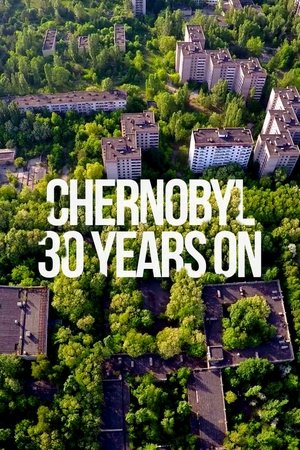
Chernobyl 30 Years On: Nuclear Heritage(en)
Thirty years after the Chernobyl disaster, which occurred on the night of April 26, 1986, its causes and consequences are examined. In addition, a report on efforts to strengthen the structures covering the core of the nuclear plant in order to better protect the population and the environment is offered.
Jesus Was a Commie(en)
Jesus Was a Commie presents modern society with questions and leads the audience on a dialectical journey. The film challenges the viewer to seek their own answers and personal truths.

Cannibal Island(fr)
A disturbing chapter in Russian history is explored in this documentary. In 1933, Joseph Stalin sent 6000 "unwanted" citizens of Moscow and Leningrad to a desolate Siberian island - with no food or clothes to speak of. Decades later this documentary returns to the island.
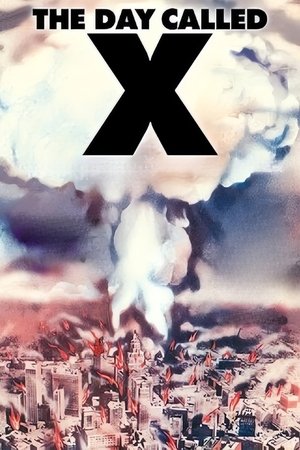
The Day Called X(en)
Portentously portrays the evacuation of Portland, Oregon, when threatened by a nuclear attack on its state-of-the-art civil defense system.
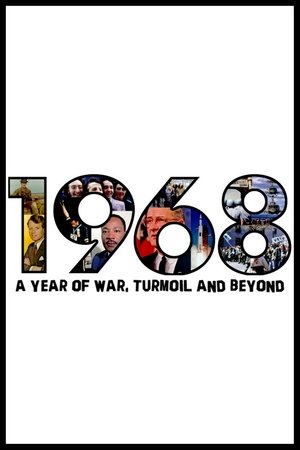
1968: A Year of War, Turmoil and Beyond(en)
The Tet Offensive during the Vietnam War, the Civil Rights Movement, the May events in France, the assassinations of Martin Luther King and Robert F. Kennedy, the Prague Spring, the Chicago riots, the Mexico Summer Olympics, the presidential election of Richard Nixon, the Apollo 8 space mission, the hippies and the Yippies, Bullitt and the living dead. Once upon a time the year 1968.
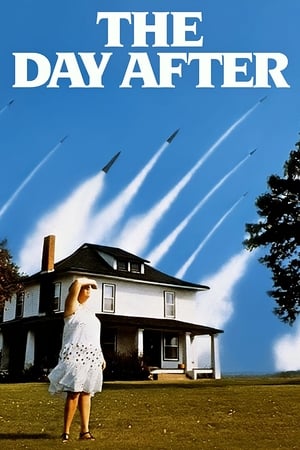
The Day After(en)
In the mid-1980s, the U.S. is poised on the brink of nuclear war. This shadow looms over the residents of a small town in Kansas as they continue their daily lives. Dr. Russell Oakes maintains his busy schedule at the hospital, Denise Dahlberg prepares for her upcoming wedding, and Stephen Klein is deep in his graduate studies. When the unthinkable happens and the bombs come down, the town's residents are thrust into the horrors of nuclear winter.
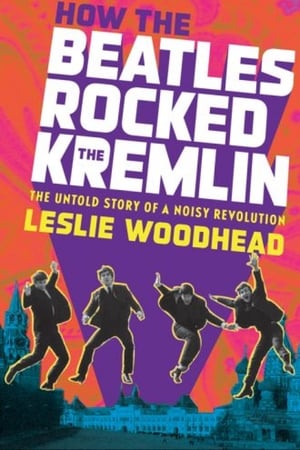
How the Beatles Rocked the Kremlin(en)
In August 1962, director Leslie Woodhead made a two-minute film in Liverpool's Cavern Club with a raw and unrecorded group of rockers called the Beatles. He arranged their first live TV appearances on a local show in Manchester and watched as the Fab Four phenomenon swept the world. Twenty-five years later while making films in Russia, Woodhead became aware of how, even though they were never able to play in the Soviet Union, the Beatles' legend had soaked into the lives of a generation of kids. This film meets the Soviet Beatles generation and hears their stories about how the Fab Four changed their lives, including Putin's deputy premier Sergei Ivanov, who explains how the Beatles helped him learn English and showed him another life. (Storyville)
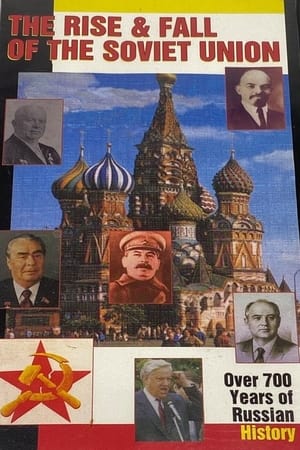
Soviet Union: The Rise and Fall - Part 1(en)
Historic Russian battles to repel invaders serve as prelude to the story of events that redrew the map of Eastern Europe and parts of Asia in the 20th century. Following the turmoil of the Bolshevik Revolution, Communist Russia faces the venom of Nazi aggression. 1940's film footage reveals the harsh reality of total war, as the Red Army and Soviet civilians alike confront a brutal and tenacious enemy. The following decades are darkened by tensions between the USSR and foreign powers, and violent measures taken to silence voices of dissent. Finally, the Soviet people's yearning for a freer society leads to accelerating reforms and the ultimate dissolution of the USSR.
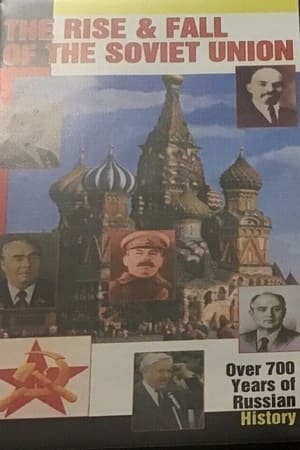
Soviet Union: The Rise and Fall - Part 2(en)
Historic Russian battles to repel invaders serve as prelude to the story of events that redrew the map of Eastern Europe and parts of Asia in the 20th century. Following the turmoil of the Bolshevik Revolution, Communist Russia faces the venom of Nazi aggression. 1940's film footage reveals the harsh reality of total war, as the Red Army and Soviet civilians alike confront a brutal and tenacious enemy. The following decades are darkened by tensions between the USSR and foreign powers, and violent measures taken to silence voices of dissent. Finally, the Soviet people's yearning for a freer society leads to accelerating reforms and the ultimate dissolution of the USSR.

Felicidad(es)
A gardener working at a resort on the island of La Palma decides to go to the top of the volcano to plant a garden amidst the ruins. Meanwhile, a young girl vacationing at the same hotel feels bored, reflects on utopia, and searches for happiness.
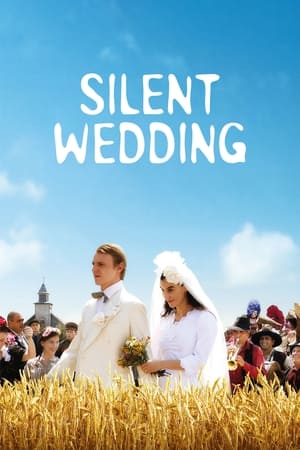
Silent Wedding(ro)
In a small village of Communist-era Romania a young couple wish to marry, but Joseph Stalin dies the night prior to their wedding ceremony forcing the bride and groom to marry in silence.
The Atomic Cafe(en)
A disturbing collection of 1940s and 1950s United States government-issued propaganda films designed to reassure Americans that the atomic bomb was not a threat to their safety.
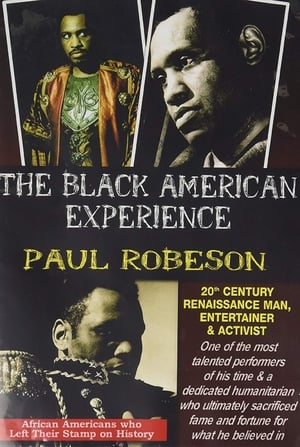
Paul Robeson: 20th Century Renaissance Man, Entertainer & Activist(en)
Paul Robeson was a celebrated African-American Actor, Athlete, Singer, Writer, and Civil Rights Activist. Robeson's many achievements are chronicled in this program, ranging from playing with the NFL to graduating from Columbia Law School, performing on Broadway and in Hollywood films to founding the American Crusade against Lynching as well as Council on African Affairs. Robeson was one of the most talented performers of his time and a dedicated humanitarian who ultimately sacrificed fame and fortune for what he believed in. His association with Leftist Politics during the era of the Cold War, and frequent denouncing of American political parties led to his eventual blacklisting with other prominent writers and artists during the McCarthy Era. His talents in all areas are remarkable, and his dedication to attaining a peaceful coexistence between all the people of the world is truly admirable.
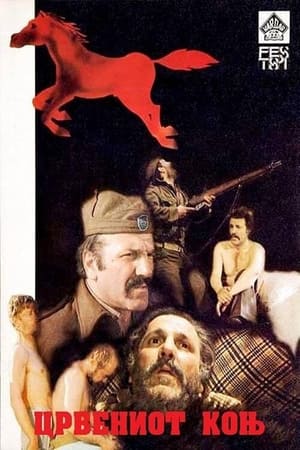
The Red Horse(mk)
A joint fight of Macedonian and Greek people against the fascist monarchical government of Greece ended with their defeat in 1949, after many years of bloodshed. Many members of the democratic party DAG, as well as the innocent inhabitants experienced the destiny of political exile.
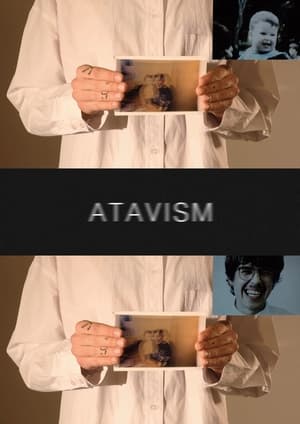
ATAVISM(en)
Within the video, two screens coexist. On the primary screen, a repetitive action takes place - the photo in the hands is periodically blurred. The focus of the viewer's attention is shifted to the secondary screen, which is more dynamic. The face in front of the camera, resembling clay, tries to take on images from archival photographs and video recordings.
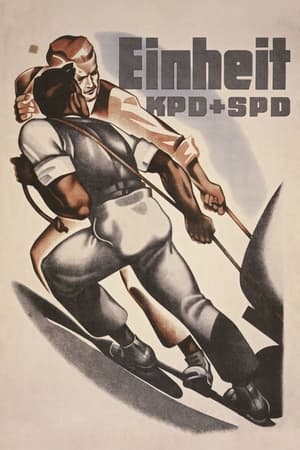
Unity SPD – KPD(de)
Documentary about the merging of the Communist Party of Germany and the Socialist Unity Party of Germany in the Soviet occupation zone, a merger that would lead to the creation of the Socialist Unity Party that would rule the soon-to-be-created East Germany until 1989.
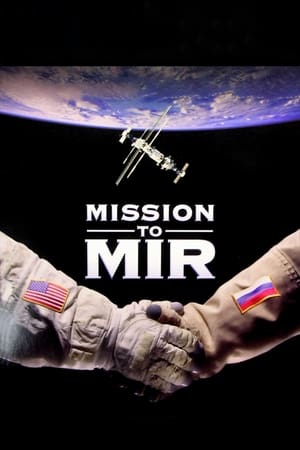
Mission to Mir(en)
This film shows how far we have come since the cold-war days of the 50s and 60s. Back then the Russians were our "enemies". And to them the Americans were their "enemies" who couldn't be trusted. Somewhere in all this a young girl in Oklahoma named Shannon set her sights on becoming one of those space explorers, even though she was told "girls can't do that." But she did.
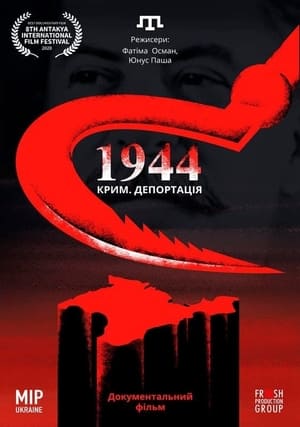
1944. Deportation(uk)
In 1944 Crimean Tatars has suffered a long road in exile. It was accompanied by famine, illness and loss. In the first years of exile, almost half of deported Crimean Tatars died. But those, who survived, dreamed of only one thing - to return to Crimea. The documentary 1944 tells about the tragedy of all Crimean Tatars through several separate life stories. They are cherished by each Crimean Tatar family and must be remembered by all generations to come.

Charlie Marx and the Chocolate Factory(en)
Charlie Marx and the Chocolate Factory started as an investigation of the link between politics and chocolate, at the Karl Marx Confectionary Factory in Kiev, Ukraine. Since access to the factory was denied, the project had to be re-considered, re-invented or re-enacted. Mostly made of archival footage and re-enacted performances based on the company's website, the film merges what was left of the initial idea with what has been collected and realized instead. It borrows from the genres of video art, 'Man on the street' interview, direct address, corporate film, essay, and music video, without legitimately belonging to any of them. The film unravels as a reflection on its own failure, and yet keeps on investigating what has always been at stake: the shift from public to private property (and from analog to digital technology), dialectics of permanence and change, language as a mirror of ideology, and post-Soviet oligarchy culture.