
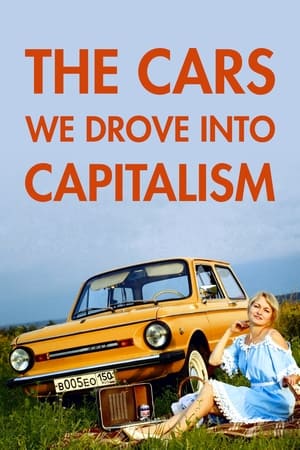
The Cars We Drove into Capitalism(2021)
A cinematic, character-driven insight to what it meant to produce and to own a car in communist times: the Socialist propaganda dreams and the hard reality of living that dream. The freedom that these slow and clumsy vehicles were giving to their owners; the cars as an instrument in the Cold War battle; legends and homemade tune-ups as an attempt to stand at least a little bit off the crowd.




Movie: The Cars We Drove into Capitalism
Top 10 Billed Cast
Self (archive footage)
Self (archive footage)
Self (archive footage)
Self (archive footage)
Video Trailer The Cars We Drove into Capitalism
Recommendations Movies
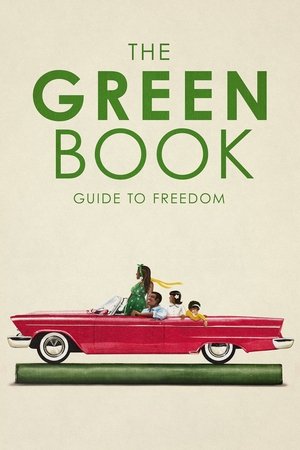
The Green Book: Guide to Freedom(en)
In 1936, Victor H. Green (1892-1960) published The Negro Motorist Green Book, a book that was both a travel guide and a survival manual, to help African-Americans navigate safe those regions of the United States where segregation and Jim Crow laws were disgracefully applied.
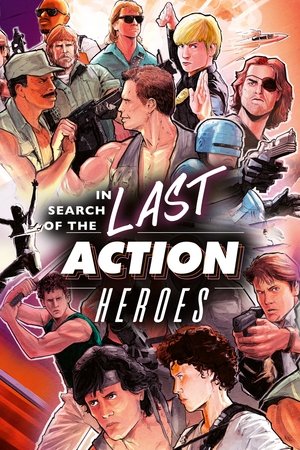
In Search of the Last Action Heroes(en)
The most comprehensive retrospective of the '80s action film genre ever made.
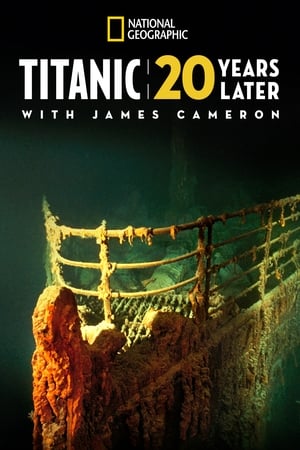
Titanic: 20 Years Later with James Cameron(en)
For the 20th anniversary of "Titanic," James Cameron reopens the file on the disaster.

Night Will Fall(en)
When Allied forces liberated the Nazi concentration camps in 1944-45, their terrible discoveries were recorded by army and newsreel cameramen, revealing for the first time the full horror of what had happened. Making use of British, Soviet and American footage, the Ministry of Information’s Sidney Bernstein (later founder of Granada Television) aimed to create a documentary that would provide lasting, undeniable evidence of the Nazis’ unspeakable crimes. He commissioned a wealth of British talent, including editor Stewart McAllister, writer and future cabinet minister Richard Crossman – and, as treatment advisor, his friend Alfred Hitchcock. Yet, despite initial support from the British and US Governments, the film was shelved, and only now, 70 years on, has it been restored and completed by Imperial War Museums under its original title "German Concentration Camps Factual Survey".

Phantom(en)
The haunted Captain of a Soviet submarine holds the fate of the world in his hands. Forced to leave his family behind, he is charged with leading a covert mission cloaked in mystery.
Torn Curtain(en)
During the Cold War, an American scientist appears to defect to East Germany as part of a cloak and dagger mission to find the formula for a resin solution—but the plan goes awry when his fiancee, unaware of his motivation, follows him across the border.
The Atomic Cafe(en)
A disturbing collection of 1940s and 1950s United States government-issued propaganda films designed to reassure Americans that the atomic bomb was not a threat to their safety.
Red Scorpion(en)
A Soviet commando is sent to eliminate a rebel leader in Africa. Soon he finds himself doubting his mission.

Making Waves: The Art of Cinematic Sound(en)
The history of cinematic sound, told by legendary sound designers and visionary filmmakers.
The Untold History Of The United States(en)
Oliver Stone charts the history of the United States from the Second World War to the present.
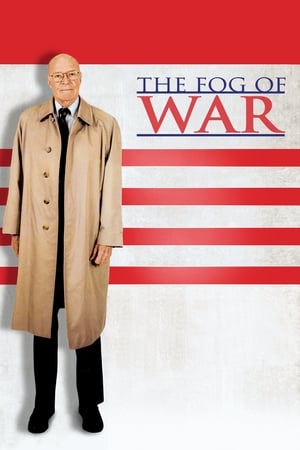
The Fog of War(en)
Using archival footage, cabinet conversation recordings, and an interview of the 85-year-old Robert McNamara, The Fog of War depicts his life, from working as a WWII whiz-kid military officer, to being the Ford Motor Company's president, to managing the Vietnam War as defense secretary for presidents Kennedy and Johnson.
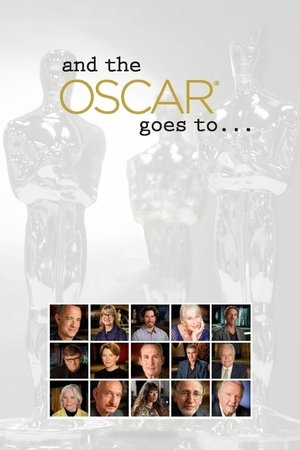
And the Oscar Goes To...(en)
The story of the gold-plated statuette that became the film industry's most coveted prize, AND THE OSCAR GOES TO... traces the history of the Academy itself, which began in 1927 when Louis B. Mayer, then head of MGM, led other prominent members of the industry in forming this professional honorary organization. Two years later the Academy began bestowing awards, which were nicknamed "Oscar," and quickly came to represent the pinnacle of cinematic achievement.
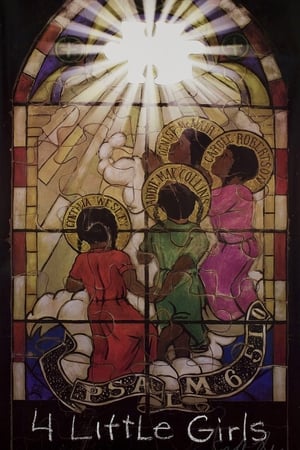
4 Little Girls(en)
On September 15, 1963, a bomb destroyed a black church in Birmingham, Alabama, killing four young girls who were there for Sunday school. It was a crime that shocked the nation--and a defining moment in the history of the civil-rights movement. Spike Lee re-examines the full story of the bombing, including a revealing interview with former Alabama Governor George Wallace.
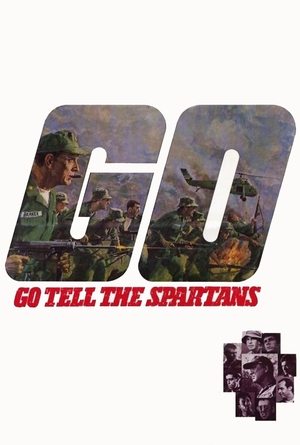
Go Tell the Spartans(en)
A unit of American military advisors in Vietnam prior to the major U.S. involvement finds similarities between their helpless struggle against the Viet Cong and the doomed actions of a French unit at the same site a decade before.
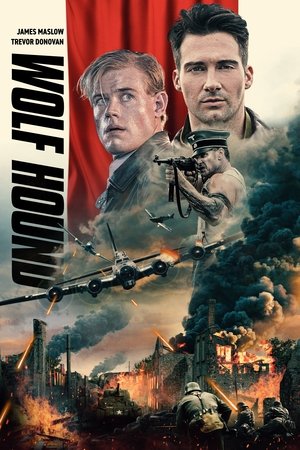
Wolf Hound(en)
Inspired by the real-life German special operations unit KG 200 that shot down, repaired, and flew Allied aircraft as Trojan horses, "Wolf Hound" takes place in 1944 German-occupied France and follows the daring exploits of Jewish-American fighter pilot Captain David Holden. Ambushed behind enemy lines, Holden must rescue a captured B-17 Flying Fortress crew, evade a ruthless enemy stalking him at every turn, and foil a plot that could completely alter the outcome of World War II.
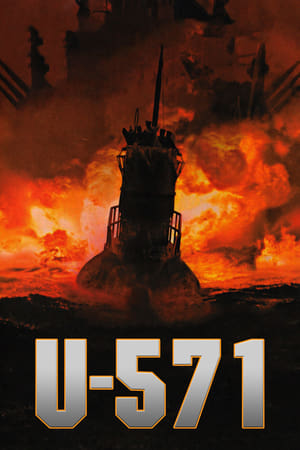
U-571(en)
In the midst of World War II, the battle under the sea rages and the Nazis have the upper hand as the Allies are unable to crack their war codes. However, after a wrecked U-boat sends out an SOS signal, the Allies realise this is their chance to seize the 'enigma coding machine'.

Why We Fight: Prelude to War(en)
Prelude to War was the first film of Frank Capra's Why We Fight propaganda film series, commissioned by the Pentagon and George C. Marshall. It was made to convince American troops of the necessity of combating the Axis Powers during World War II. This film examines the differences between democratic and fascist states.
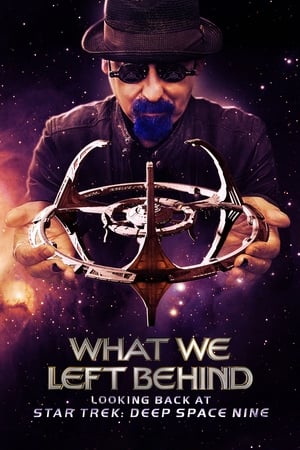
What We Left Behind: Looking Back at Star Trek: Deep Space Nine(en)
A documentary exploring the legacy of Star Trek: Deep Space Nine, the reasons it went from the black sheep of Star Trek to a beloved mainstay of the franchise, and a brainstorm with the original writers on what a theoretical eighth season of the show could look like.
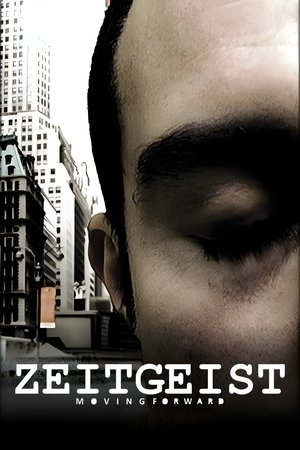
Zeitgeist: Moving Forward(en)
A presentation of a case for a needed transition out of the current socioeconomic monetary paradigm which governs the entire world society. This subject matter will transcend the issues of cultural relativism and traditional ideology and move to relate the core, empirical 'life ground' attributes of human and social survival, extrapolating those immutable natural laws into a new sustainable social paradigm called a 'Resource-Based Economy'.

Sgt. Stubby: An American Hero(en)
The true story of the most decorated dog in American military history - Sgt. Stubby - and the enduring bonds he forged with his brothers-in-arms in the trenches of World War I.
Similar Movies
Breakpoint: A Counter History of Progress(fr)
An account of the last two centuries of the Anthropocene, the Age of Man. How human beings have progressed so much in such a short time through war and the selfish interests of a few, belligerent politicians and captains of industry, damaging the welfare of the majority of mankind, impoverishing the weakest, greedily devouring the limited resources of the Earth.
The Golden Age of Songs From Our Childhood(fr)
This 135-minute documentary offers to reopen this magical parenthesis which has seen the birth of a whirlwind of artists with very different styles. From Chantal Goya to Annie Cordy, from Pierre Perret to Carlos. They knew how to bring each in their own way generations of children into their poetic universe.
L'Âge d'or de la pub(fr)
55 years ago, on October 1 1968, the first brand advertising spot appeared on the French television screen. Over the next three decades, thousands of creative little films would seduce and build our collective memory. Kitschy or cult spots, humor, slogans, music, stars, gimmicks, grand spectacle or sex appeal: during its golden age, how did advertising convince? Thierry Ardisson has brought together almost 400 advertising clips to relive the era of the conquest of minds and wallets.
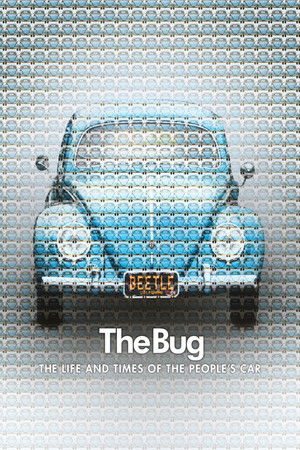
The Bug: Life and Times of the People's Car(en)
The Bug is about one of the most recognizable and beloved vehicles on the planet: The Volkswagen Beetle. From its dark past in pre-WWII Germany to the Summer of Love, this car captured the hearts and minds of millions of people around the world. This film explores not only the history of this automotive icon, but also the intense emotional connection it has with its owners past and present... including Ewan McGregor and his experience with his first VW Bug as a sixteen year old.
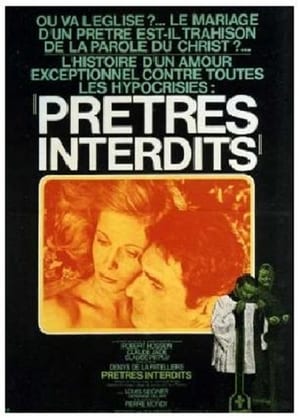
Prêtres interdits(fr)
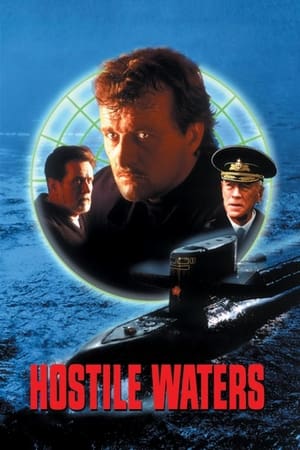
Hostile Waters(en)
Based on true events, an American submarine collides into a Soviet sub of the coast of America and an ensuing standoff occurs that could lead to total annihilation.
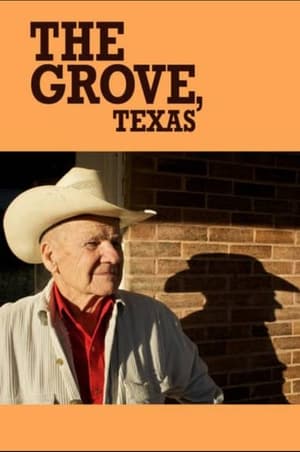
The Grove, Texas(en)
In 1972, Moody Anderson bought a ghost town and brought it back to life. Nearly four decades later, Moody faces the heart-wrenching task of dismantling and selling his collection of Americana artifacts used in hundreds of films, from Lonesome Dove and The Texas Chainsaw Massacre to the Coen Brothers' remake of True Grit.
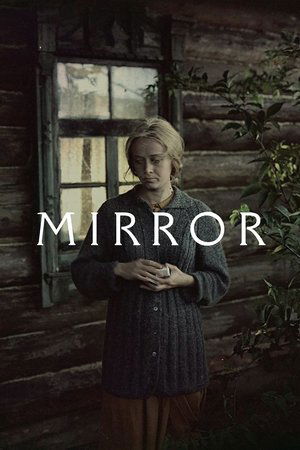
Mirror(ru)
A dying man in his forties recalls his childhood, his mother, the war and personal moments that tell of and juxtapose pivotal moments in Soviet history with daily life.
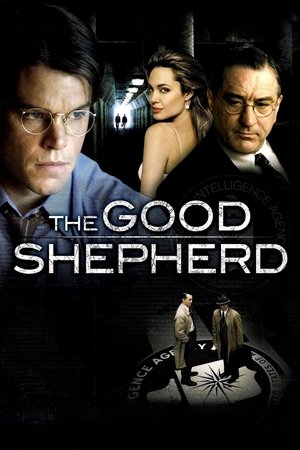
The Good Shepherd(en)
Edward Wilson, the only witness to his father's suicide and member of the Skull and Bones Society while a student at Yale, is a morally upright young man who values honor and discretion, qualities that help him to be recruited for a career in the newly founded OSS. His dedication to his work does not come without a price though, leading him to sacrifice his ideals and eventually his family.
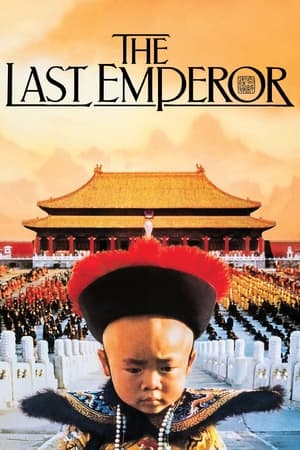
The Last Emperor(en)
A dramatic history of Pu Yi, the last of the Emperors of China, from his lofty birth and brief reign in the Forbidden City, the object of worship by half a billion people; through his abdication, his decline and dissolute lifestyle; his exploitation by the invading Japanese, and finally to his obscure existence as just another peasant worker in the People's Republic.
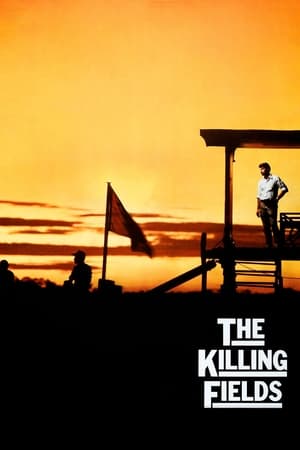
The Killing Fields(en)
New York Times reporter Sydney Schanberg is on assignment covering the Cambodian Civil War, with the help of local interpreter Dith Pran and American photojournalist Al Rockoff. When the U.S. Army pulls out amid escalating violence, Schanberg makes exit arrangements for Pran and his family. Pran, however, tells Schanberg he intends to stay in Cambodia to help cover the unfolding story — a decision he may regret as the Khmer Rouge rebels move in.
Il fare politica(it)
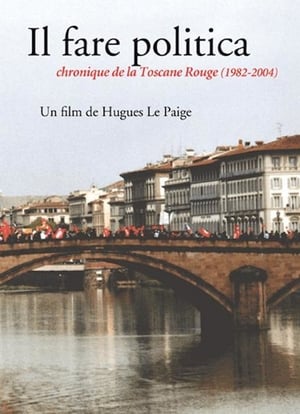
Fabiana, Carlo, Claudio and Vincenzo… I met them in 1982 in Mercatale, their village in Tuscany, near Florence. They were aged between 25 and 45 and were cheerful militants in the Italian Communist Party, that strange party which has made its mark on history and which was both a school and a family for them. I have filmed in Mercatale every two or three years for over 20 years (1982/2004). The fi lm takes the “long view” of their political and personal development against the backdrop of village life. Stories with both human and political interest spanning over a quarter of a century with relevance for present day issues: what has become of the plans to change the world in Berlusconi’s Italy? From a more global perspective: what else can politics do? When the time comes to take stock the paths of their rich and varied personal lives cross once more with all their doubts and allegiances.
Crazy Race(de)
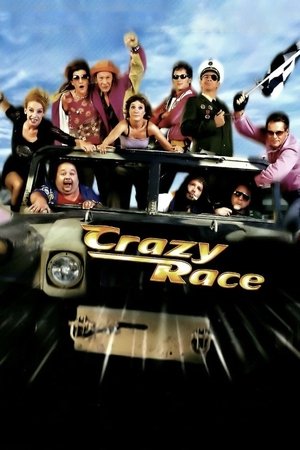
Marc owes a criminal a quarter of a million euros. So it's just as well that there's an illegal car rally across Germany to win exactly that amount. Inconveniently, he is now supposed to look after his eight-year-old daughter.

Light in the Window(az)
Togrul loves his wife Leyla very much and is terribly jealous at the same time. His jealousy destroys the family, and even Togrul's mother, knowing her son's unfair treatment, decides to leave home with her daughter-in-law...
Flying Supersonic(fr)
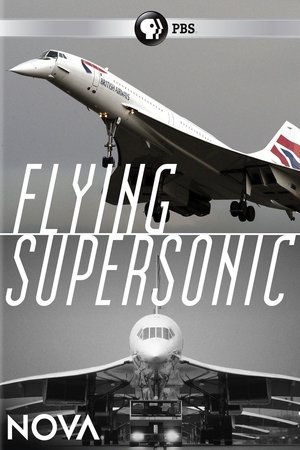
Thundering across the sky on elegant white wings, the Concorde was an instant legend. But behind the glamour of jet setting at Mach 2 were stunning scientific innovations and political intrigue. Fifteen years after Concorde's final flight, this documentary takes you inside the historic international race to develop the first supersonic airliner. Hear stories from those inside the choreographed effort to design and build Concorde in two countries at once - and the crew members who flew her.
1968: A Year of War, Turmoil and Beyond(en)
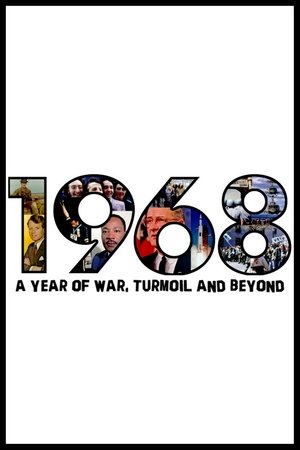
The Tet Offensive during the Vietnam War, the Civil Rights Movement, the May events in France, the assassinations of Martin Luther King and Robert F. Kennedy, the Prague Spring, the Chicago riots, the Mexico Summer Olympics, the presidential election of Richard Nixon, the Apollo 8 space mission, the hippies and the Yippies, Bullitt and the living dead. Once upon a time the year 1968.
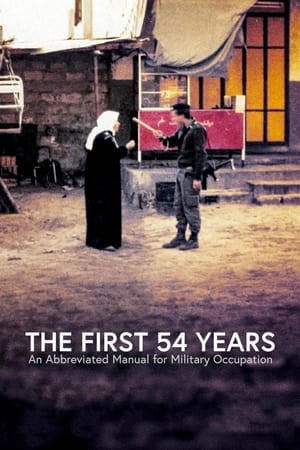
The First 54 Years: An Abbreviated Manual for Military Occupation(he)
An exhaustive explanation of how the military occupation of an invaded territory occurs and its consequences, using as a paradigmatic example the recent history of Israel and the Palestinian territories, the West Bank and the Gaza Strip, from 1967, when the Six-Day War took place, to the present day; an account by filmmaker Avi Mograbi enriched by the testimonies of Israeli army veterans.
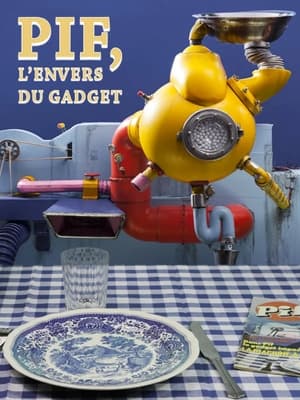
Pif, Behind the gimmicks(fr)
Taking stock of the extraordinary adventure of "Pif Gadget", a French publishing phenomenon of the 1970s-80s and even of the whole history of children's press. For the comic-strip magazine with the iconic dog, created in 1969 by the French Communist Party, often reached a million copies. With editions available for all of Europe (including Germany, under the title Yps), and on both sides of the Iron Curtain.