Loading Page


Lullabye for a Storm(2013)
Status: Released
Date: 2013-04-24
0%
0 Votes
Time: 0h 20m
Overview:
"Tungkung Langit" is a title that refers to the god in the Panay epic whose tears become rain, but in the short film, two young children do not weep but offer an intimate perspective into their lives as they speak to each other about their experience during a typhoon that devastated their city and left them orphans. Speaking to each other of their trauma through play and in the smallest of whispers before falling asleep becomes “a means by which these orphans heal”; the film reinforces and envisions this healing.
Languages: Tagalog.
Countries:
Philippines
Movie: Lullabye for a Storm
HomePage
Overview
"Tungkung Langit" is a title that refers to the god in the Panay epic whose tears become rain, but in the short film, two young children do not weep but offer an intimate perspective into their lives as they speak to each other about their experience during a typhoon that devastated their city and left them orphans. Speaking to each other of their trauma through play and in the smallest of whispers before falling asleep becomes “a means by which these orphans heal”; the film reinforces and envisions this healing.
Release Date
2013-04-24
Average
0
Rating:
0.0 startsTagline
Genres
Languages:
Keywords
Recommendations Movies
65%
Heart of a Dog(en)
2015-10-21
Lyrical and powerfully personal essay film that reflects on the deaths of her husband Lou Reed, her mother, her beloved dog, and such diverse subjects as family memories, surveillance, and Buddhist teachings.

65%
Downloaded(en)
2013-06-20
A documentary that explores the downloading revolution; the kids that created it, the bands and the businesses that were affected by it, and its impact on the world at large.
74%
I Am Heath Ledger(en)
2017-04-23
The life and career of an actor, artist, and icon. His own journey through his own camera.
84%
No Half Measures: Creating the Final Season of Breaking Bad(en)
2013-11-26
A documentary about the making of season five of the acclaimed AMC series Breaking Bad.

61%
Naqoyqatsi(en)
2002-09-02
A visual montage portrait of our contemporary world dominated by globalized technology and violence.
79%
John Candy: I Like Me(en)
2025-09-04
Those who knew iconic funnyman John Candy best share his story, in their own words, through never-before-seen archival footage, imagery, and interviews.
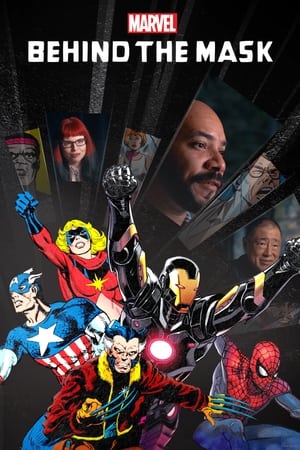
70%
Marvel's Behind the Mask(en)
2021-02-12
A documentary special that explores the power of identity behind the iconic superheroes we know and love today. These legendary Marvel creations and stories have not only reflected the world outside our window – they have become a reflection of our own identities and who we truly are.

76%
Night Will Fall(en)
2014-06-07
When Allied forces liberated the Nazi concentration camps in 1944-45, their terrible discoveries were recorded by army and newsreel cameramen, revealing for the first time the full horror of what had happened. Making use of British, Soviet and American footage, the Ministry of Information’s Sidney Bernstein (later founder of Granada Television) aimed to create a documentary that would provide lasting, undeniable evidence of the Nazis’ unspeakable crimes. He commissioned a wealth of British talent, including editor Stewart McAllister, writer and future cabinet minister Richard Crossman – and, as treatment advisor, his friend Alfred Hitchcock. Yet, despite initial support from the British and US Governments, the film was shelved, and only now, 70 years on, has it been restored and completed by Imperial War Museums under its original title "German Concentration Camps Factual Survey".

71%
The Class of ‘92(en)
2013-12-01
A detailing of the rise to prominence and global sporting superstardom of six supremely talented young Manchester United football players (David Beckham, Nicky Butt, Ryan Giggs, Paul Scholes, Phil and Gary Neville). The film covers the period 1992-1999, culminating in Manchester United's European Cup triumph.
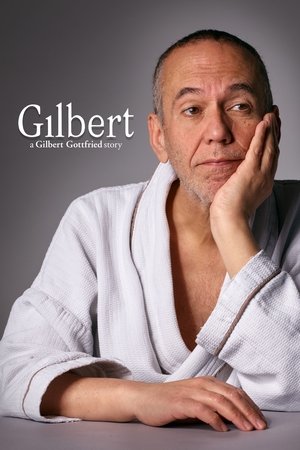
67%
Gilbert(en)
2017-04-20
The life and career of one of comedy's most inimitable modern voices, Mr. Gilbert Gottfried.
70%
Girl Rising(en)
2013-03-07
Nine filmmakers each profile a young girl from a different part of the world to weave a global tapestry of youth in the 21st century.
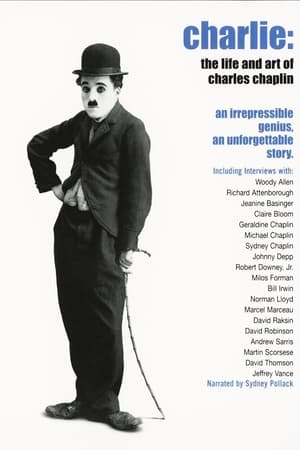
69%
Charlie: The Life and Art of Charles Chaplin(en)
2003-05-01
Brilliant, long in-the-works story of the life and art of the world's greatest comedian and the cinema's first genius, Charlie Chaplin. Produced, written and directed by renowned film critic Richard Schickel.
65%
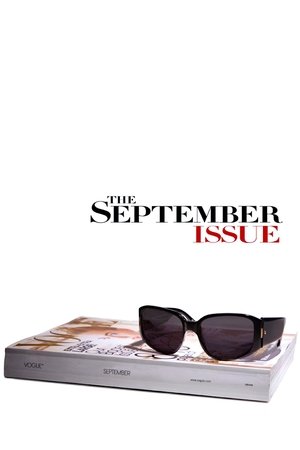
The September Issue(en)
2009-08-28
A documentary chronicling Vogue editor-in-chief Anna Wintour's preparations for the 2007 fall-fashion issue.
74%
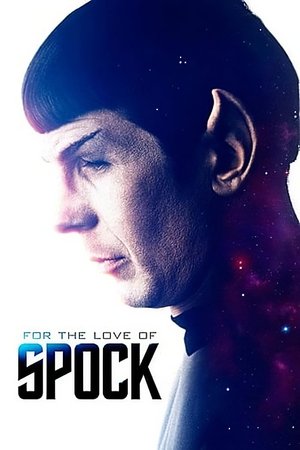
For the Love of Spock(en)
2016-09-09
The life of Mr. Spock, as well as that of Leonard Nimoy, the actor who played him for almost fifty years, written and directed by his son: Adam.
69%
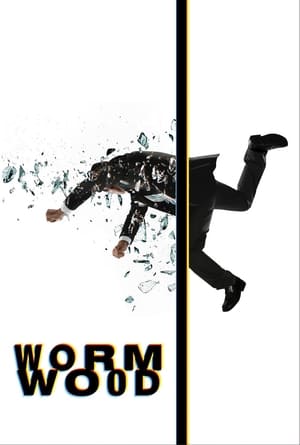
Wormwood(en)
2017-10-22
In this genre-bending tale, Errol Morris explores the mysterious death of a U.S. scientist entangled in a secret Cold War program known as MK-Ultra.
72%
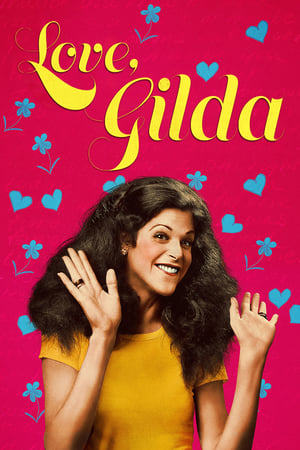
Love, Gilda(en)
2018-04-18
Diaries, audiotapes, videotapes and testimonials from friends and colleagues offer insight into the life and career of Gilda Radner -- the beloved comic and actress who became an icon on Saturday Night Live.

69%
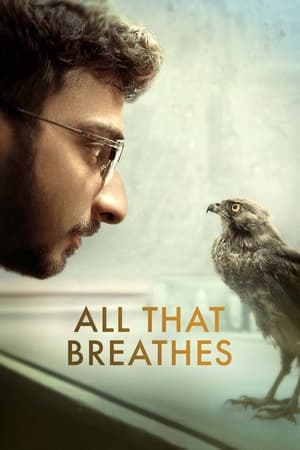
All That Breathes(en)
2022-10-21
Against the darkening backdrop of New Delhi's apocalyptic air and escalating violence, two brothers devote their lives to protecting one casualty of the turbulent times: the bird known as the black kite.

62%
Seduced and Abandoned(en)
2013-05-20
SEDUCED AND ABANDONED combines acting legend Alec Baldwin with director James Toback as they lead us on a troublesome and often hilarious journey of raising financing for their next feature film. Moving from director to financier to star actor, the two players provide us with a unique look behind the curtain at the world's biggest and most glamourous film festival, shining a light on the bitter-sweet relationship filmmakers have with Cannes and the film business. Featuring insights from directors Martin Scorsese, 'Bernando Bertolucci' and Roman Polanski; actors Ryan Gosling and Jessica Chastain and a host of film distribution luminaries.
74%
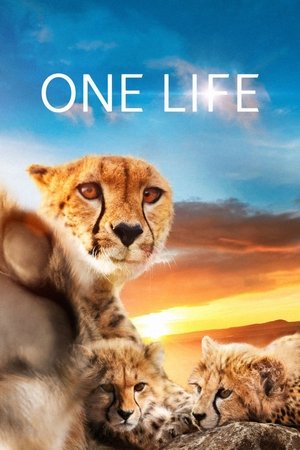
One Life(en)
2011-07-19
One Life captures unprecedented and beautiful sequences of animal behaviour guaranteed to bring you closer to nature than ever before, as well as a second disc packed full of never before seen extras including an exclusive making of featurette narrated by Daniel Craig.
Similar Movies

0%
Coffee Banana Cigarette(en)
2021-04-07
A short documentary about the life and love of New York surf culture following transplanted San Diego surfer, Shawlin Tucker, who forced found a way to bring his passion with him when a college acceptance from New York University summons him to the big apple.
80%
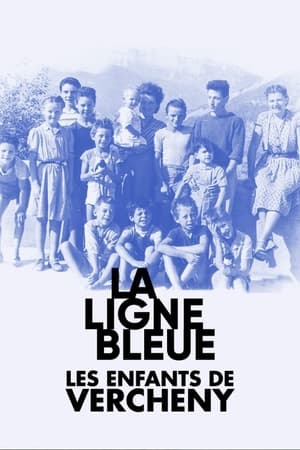
Les enfants de Vercheny(fr)
2021-09-01
0%
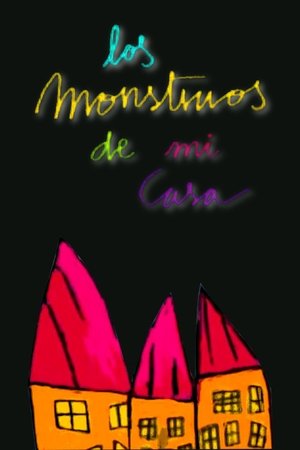
The Monsters in My Home(en)
2010-02-28
"The Monsters in My Home" focuses on the work Carme Artero, a foster mother from Majorca, Spain, who has devoted her time to setting up a foundation in defense of the rights of children who have suffered from abuse. The documentary features testimonies and the experience of people who care of children living situations of vulnerability, such as sexual or physical abuse or neglect and whose parents have their parental custody taken away by the Law.
0%
Sherwood Park(en)
2024-12-31
Reclaiming what was once stolen from him, a man journeys back to the place of his childhood nearly 80 years after his world came crashing down.

0%
I Lit the Fire!(ru)
2025-10-23
The plot of the movie brings two people together - an immigrant filmmaker from Belarus and a 10 years old girl from the village in the south of Kyrgyzstan.

0%
Blade Rollers(en)
2024-08-31
Honour West and Joan Camuglia-May share their experiences in this upbeat roller-skating documentary.
90%
Made With Love(en)
2020-10-01
A short film depicting the universality of life, growth, and how beautiful life is to simply exist. The film shows how beautiful it can be when we show tenderness & love for one another, through the narration & home movies of four sisters & their mother from when they were born up to the present. The film was made over 18 years on The Australian Coast.


0%
With Almost Nothing(pt)
2000-12-15
In Cape Verde, where the majority of the population is young, children use olive oil cans, bits of sandals, leftover tires and pieces of cardboard to build their own toys. The absence of a consumer society and the challenges posed by insularity have led them to invent their own recreational independence with almost nothing.

0%
School desks in the desert(es)
2010-01-01
A nine-year old girl, Naha, who in day-to-day life studies primary education en Wilaya de Smara is the point of departure for this documentary. Through the her family life, teachers, those responsible for Sahrawi education and NGOS, we understand the education system in the camps causing us to be in awe of the patience of the Sahrawi people, refugees for 35 years, holding out hope for a definitive solution to the conflict. This documentary intends to introduce the viewer to the situation of the Sahrawi people in the camps through one of the most basic needs for the development of a community: chidren's education. Education in the Sahrawi refugee camps is supported by women being those that develop and strengthen the task of educating in schools.
0%
The mirror bird(es)
2010-01-01
Bubisher, as well as being 'the bird of luck', is a word loaded with literary meaning in Spanish in the Sahrawi refugee camps of Tindouf. Seeing the way in which two cultures interact through small stories and tales can is striking and so is the contrast between the resilience of the young female generations and the realities of life in the desert. This documentary paints a picture of a generation of young female Sahrawis.
80%
I Love You I Miss You I Hope I See You Before I Die(en)
2020-01-27
A harsh and dreamy story of a young girl from the American West and her longing heart. Through Betty we experience a tight family clan of children born by children born by children where love and dependency go hand in hand.
90%
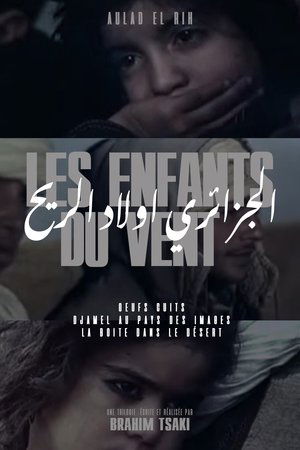
Children of the Wind(ar)
1980-08-28
Three short films about abandoned children, left to the omnipotence of silence, of the eye and of the hand but also of abysmal loneliness
0%
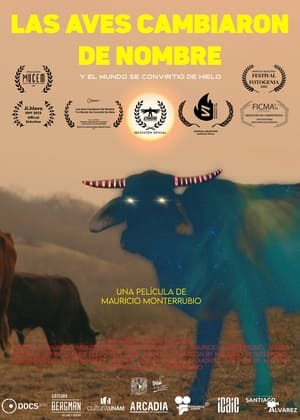
The Birds Changed Names And The World Turned Into Ice(es)
2022-10-21
Migrant families experience violence, but they also keep beautiful memories when they arrive in new lands. Fantastic and intimate stories, recalled from childhood, travel across time and space, magically intermingling with the help of the four elements and breaking the boundaries of cinema.
70%
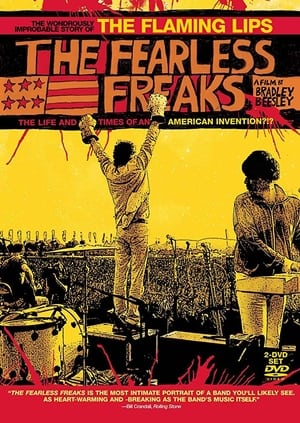
The Fearless Freaks(en)
2005-05-25
Equal parts punk and psychedelia, the Flaming Lips emerged from Oklahoma City as one of the most bracing bands of the late 1980s. The Fearless Freaks documents their rise from Butthole Surfers-imitating noisemakers to grand poobahs of orchestral pop masterpieces. Filmmaker Bradley Beesely had the good fortune of living in the same neighborhood as lead Lip Wayne Coyne, who quickly enlisted his buddy to document his band's many concerts and assorted exploits. The early footage is a riot, with tragic hair styles on proud display as the boys attempt to cover up their lack of natural talent with sheer volume. During one show, they even have a friend bring a motorcycle on stage, which is then miked for sound and revved throughout the performance, clearing the club with toxic levels of carbon monoxide. Great punk rock stuff. Interspersed among the live bits are interviews with the band's family and friends, revealing the often tragic circumstances of their childhoods and early career.
68%
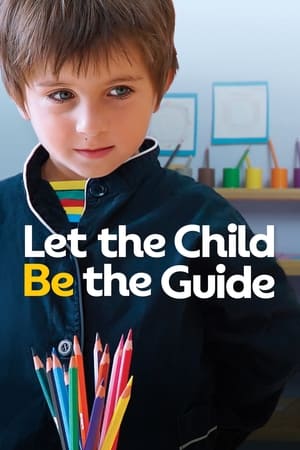
Let the Child Be the Guide(fr)
2017-09-27
As a young father, watching his daughter go through her life experiences, film director Alexandre Mourot discovered the Montessori approach and decided to set his camera up in a children's house (3 to 6 years of age) in the oldest Montessori school in France. Alexandre was warmly welcomed in a surprisingly calm and peaceful environment, filled with flowers, fruits and Montessori materials. He met happy children, who were free to move about, working alone or in small groups. The teacher remained very discreet. Some children were reading, others were making bread, doing division, laughing or sleeping. The children guided the film director throughout the whole school year, helping him to understand the magic of their autonomy and self-esteem - the seeds of a new society of peace and freedom, which Maria Montessori dedicated her life work to.
0%
Before older(es)
2023-09-30
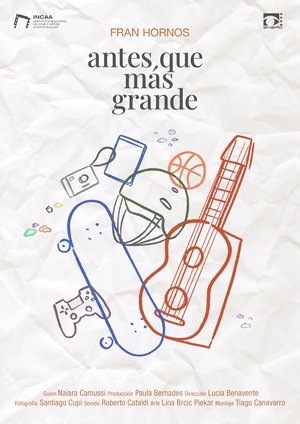
Fran is a passionate kid that loves skateboarding, but seems to have a small concern about reaching a certain age: 'For me, thirteen is when the difficult age begins. It happened to my cousin and my brother. You start to become kind of weird.' Through his passion for skateboarding and his activities, Fran fully experiences a part of life that seems to slip away quickly.
78%
Little Girl(fr)
2020-09-25
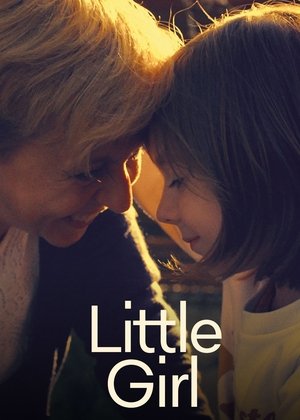
7-year-old Sasha has always known that she is a girl. Sasha’s family has recently accepted her gender identity, embracing their daughter for who she truly is while working to confront outdated norms and find affirmation in a small community of rural France.
0%
A Common Experience(en)
2013-06-13
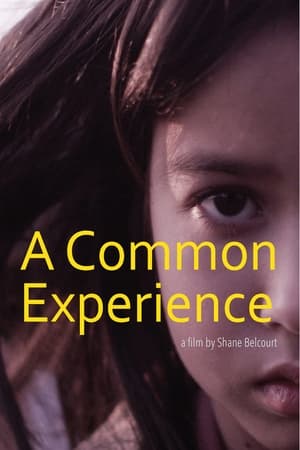
A poetic exploration of the multi-generational affects of Canada's Indian Residential School system, based on the personal trials of Aboriginal playwright Yvette Nolan.